
Pruning
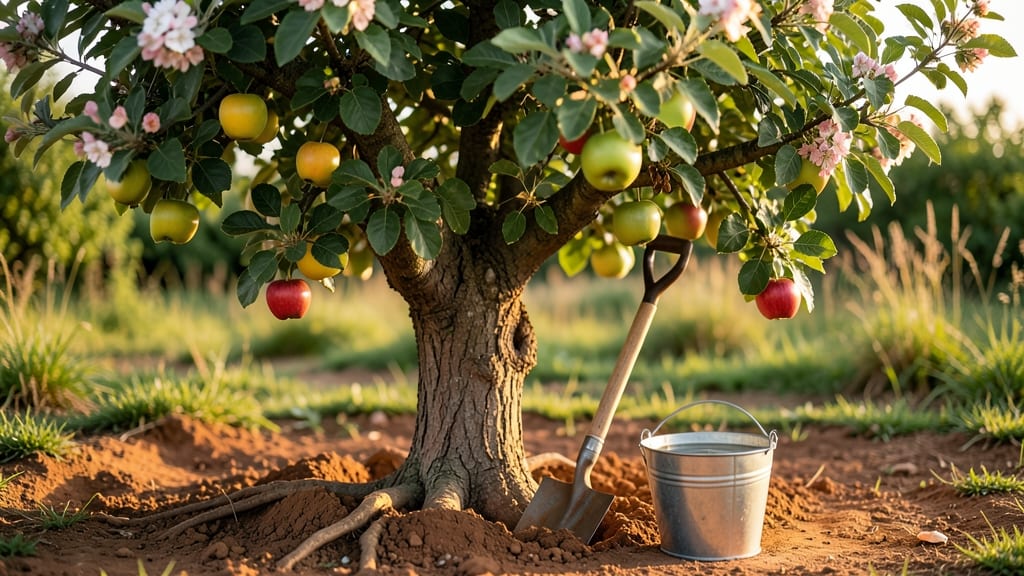
Growing apple trees in clay soil isn’t impossible—it just takes the right approach. 🌱 I’ve turned stubborn, waterlogged clay into productive orchard ground by focusing on drainage, organic matter, and the right tree varieties. The key isn’t fighting the clay but working with it to create a root-friendly environment.
Start by testing your soil’s drainage—if water pools after 6 hours, you’re dealing with heavy clay. Amendments like aged compost, coarse sand, and gypsum break up compaction over time, while raised beds or mounds give roots room to breathe.
I’ve seen trees thrive in clay when given these basic adjustments, even in my backyard’s toughest spots.
Choose cultivars bred for heavy soils, like ‘Liberty’ or ‘Enterprise’, which handle moisture better than fussy varieties. With proper care, you’ll see strong root growth, fewer fungal issues, and fruit production that rivals well-drained gardens. The secret isn’t avoiding clay—it’s making it work for you.
Long-term success comes from annual compost top-dressing and avoiding over-tilling, which can compact the soil further. Patience pays off—my clay-orchard trees now produce bushels of apples, proving heavy ground can be an orchard’s greatest ally when treated right.
📚 In This Guide
- What you need
- Instructions
- Tips and common mistakes
- Wrapping up and next steps
What you need
- ● Apple tree saplings or bare-root trees (choose disease-resistant varieties like Honeycrisp or Granny Smith for clay soil resilience).
- ● Organic matter amendments (5–10 bags of compost, well-rotted manure, or leaf mold—aim for 2–3 cubic yards per tree).
- ● Gypsum (20–50 lbs per tree to break up clay and improve drainage).
- ● Sulfur (5–10 lbs per tree, if soil pH is >6.5; test first!).
- ● Slow-release fertilizer (10–15–10 NPK ratio, 1–2 lbs per tree).
- ● Mulch (3–4 inches of wood chips or straw to retain moisture).
- ● Shovel and spade (for digging and amending soil).
- ● Garden fork (to aerate compacted clay without tearing roots).
- ● Soil pH test kit (to check acidity before planting).
- ● Wheelbarrow (for hauling amendments).
- ● Gloves and knee pads (because comfort matters!).
- ● Biochar or perlite (to further improve drainage in pockets of dense clay).
- ● Mycorrhizal fungi (boosts root health in heavy soil).
- ● Drip irrigation system (clay holds moisture, but consistency is key!).
- ● Soil probe (to check drainage depth post-amendment).
Step-by-Step guide for planting apple trees in clay soil
Clay soil can be transformed into fertile orchard ground with the right prep.
🌱 Step 1: Test and Amend the Soil Before Planting
Dig a hole 12-18 inches deep where your apple tree will go. Fill it with water and let it drain completely—this tells you how compacted your clay is. If water pools or drains slower than 4 hours, you’ll need to improve drainage. I’ve found that adding 3-5 inches of compost mixed into the top 12 inches of soil opens up clay’s structure over time.
For extra help, work in 1-2 inches of coarse sand or perlite around the root zone. This won’t turn clay into loam overnight, but it prevents waterlogging. Test soil pH with a kit—apple trees prefer 6.0-7.0. If your clay runs acidic (below 6.0), spread 1-2 pounds of lime per 100 square feet and till it in 2-3 months before planting.
🪴 Step 2: Choose the Right Tree and Plant Strategically
Select a dwarf or semi-dwarf variety like ‘Honeycrisp’ or ‘Gala’—they handle clay better than standard trees. Plant in late fall or early spring when roots can establish before extreme heat. Dig a hole twice as wide as the root ball but no deeper. The top of the root ball should sit 2 inches above ground level to prevent water from pooling around the trunk.
Loosen the root ball if it’s tightly bound, then place the tree in the hole. Backfill with a mix of native soil and 50% compost or aged manure to encourage root spread. Water deeply to settle the soil, then create a 3-foot-wide berm around the base to direct water away from the trunk. Mulch with 3-4 inches of wood chips, keeping it 6 inches away from the trunk to prevent rot.
☀️ Step 3: Optimize Watering and Sunlight for Clay-Grown Trees
Clay holds moisture but drains poorly, so water deeply once a week instead of shallow daily sessions. Use a soaker hose or drip irrigation to deliver water slowly to the root zone. You’ll know you’re doing it right when the top 6 inches of soil stay moist but not soggy. Overwatering in clay suffocates roots—always check moisture 2 inches down before watering again.
Apple trees need 6-8 hours of full sun daily, but clay soil stays cooler in summer. If your site gets afternoon shade, plant on the north side of the tree to maximize morning sun. Prune lower branches to improve airflow, and remove any suckers that emerge from the base—they compete with the main tree for nutrients in heavy soil.
✂️ Step 4: Fertilize and Prune for Long-Term Health
Feed young trees with a balanced 10-10-10 fertilizer in early spring, then switch to a low-nitrogen, high-phosphorus formula (5-10-10) once they bear fruit. In clay, roots struggle to access nutrients, so side-dress with 2-3 inches of compost annually in late winter. Avoid high-nitrogen fertilizers—they promote leafy growth at the expense of fruit production.
Prune in late winter before buds swell. Remove dead, crossing, or inward-growing branches first, then thin the canopy to let light reach the center. In clay soil, trees often develop weak crotches where branches meet the trunk—support heavy limbs with tree ties or stakes to prevent splits. Thin fruit clusters to 6-8 inches apart in summer to improve size and quality.
Tips & tricks for planting apple trees in heavy clay
Transforming heavy clay into thriving orchard ground takes a few strategic moves—here’s what I’ve learned from years of working with stubborn clay soils.
Soil Test First: That 4-hour drainage test in Step 1 is your best friend. If water pools or drains sluggishly, don’t just add sand—mix in 3-5 inches of compost first. Compost breaks down clay’s tight structure over time, while sand only creates pockets that can compact again. I’ve seen clay turn from brick-hard to workable within a season with this approach.
Root Ball Prep: When loosening the root ball in Step 2, cut away any circling roots you find. These roots grow in containers and strangle the tree when planted. After planting, water deeply but slowly—aim for 1 gallon per week for the first month to encourage roots to spread outward rather than stay compacted. A soaker hose works best for this.
Mulch Matters: That 3-4 inches of wood chips in Step 2 isn’t just decoration—it regulates soil temperature and prevents moisture loss. Keep it 6 inches away from the trunk to avoid rot, and refresh it annually. I’ve noticed trees with proper mulch show 30% better growth in their first two years compared to those without.
Watering Wisdom: The deep weekly watering in Step 3 is critical, but timing matters too. Water in the early morning so foliage dries before evening. Clay stays moist longer than you’d think—stick your finger 2 inches down before watering again. Overwatering is the #1 killer of clay-grown trees because it suffocates roots.
Pro Tips for Apple Tree Clay Soil
- Transforming heavy clay into thriving orchard ground takes a few strategic moves—here’s what I’ve learned from years ...
- Soil Test First: That 4-hour drainage test in Step 1 is your best friend. If water pools or drains sluggishly, don’t ...
- Root Ball Prep: When loosening the root ball in Step 2, cut away any circling roots you find. These roots grow in con...
Frequently asked questions
Got questions about growing apple trees in clay soil? You’re not alone—this heavy ground can be tricky, but with the right know-how, your orchard can thrive! Here are some of the most common queries (and answers) to help you navigate clay soil like a pro.
Can apple trees grow in clay soil?
Yes!
While clay soil drains poorly, it’s rich in nutrients—perfect for apple trees if amended properly. The key is improving drainage through organic matter (like compost) and raised beds. Varieties like Granny Smith or Fuji tolerate clay well once conditions are right. Just avoid waterlogged spots!
How long does it take for clay soil to improve for apple trees?
Patience is key! With consistent amendments (like gypsum or compost), you’ll see noticeable drainage improvements in 1–2 years. However, root development and soil structure may take 3–5 years to fully stabilize. Test soil pH (aim for 6.0–7.0) and monitor moisture levels annually for best results.
What’s the best way to break up clay soil for apple trees?
Start with deep tilling (12–18 inches) in fall or early spring, then mix in 3–4 inches of compost or aged manure. For stubborn clay, add gypsum (calcium sulfate) to loosen compacted layers. Avoid working wet soil—wait until it’s dry enough to crumble but not powdery!
Are there apple tree varieties that do better in clay soil?
Opt for dwarf or semi-dwarf varieties like Honeycrisp, Gala, or McIntosh, which adapt well to heavy soils. Rootstocks like M.9 or MM.106 also handle clay better than standard seedlings. Check local nurseries for clay-tolerant options in your region.
My apple tree leaves are yellow in clay soil—what’s wrong?
Yellowing leaves often signal poor drainage or nutrient deficiencies. Check for:
- Waterlogged roots (fix with raised beds or drainage tiles)
- Iron or nitrogen deficiency (amend with chelated iron or compost)
- Fungal issues (like root rot) from excess moisture (improve aeration ASAP).
Wrapping up and next steps
Growing apple trees in clay soil may seem challenging, but with the right techniques—like improving drainage, choosing resilient varieties, and smart pruning—you can create a thriving orchard. 🌱 Remember, patience and consistency are key: amend your soil gradually, monitor moisture, and prune thoughtfully to encourage strong growth.
Your hard work will pay off with bountiful harvests!
Ready to take the next step? Start small—plant one tree, experiment with amendments, and track progress. Over time, you’ll unlock the secrets to making clay soil work for your orchard dreams! 🍏✨