
Pruning
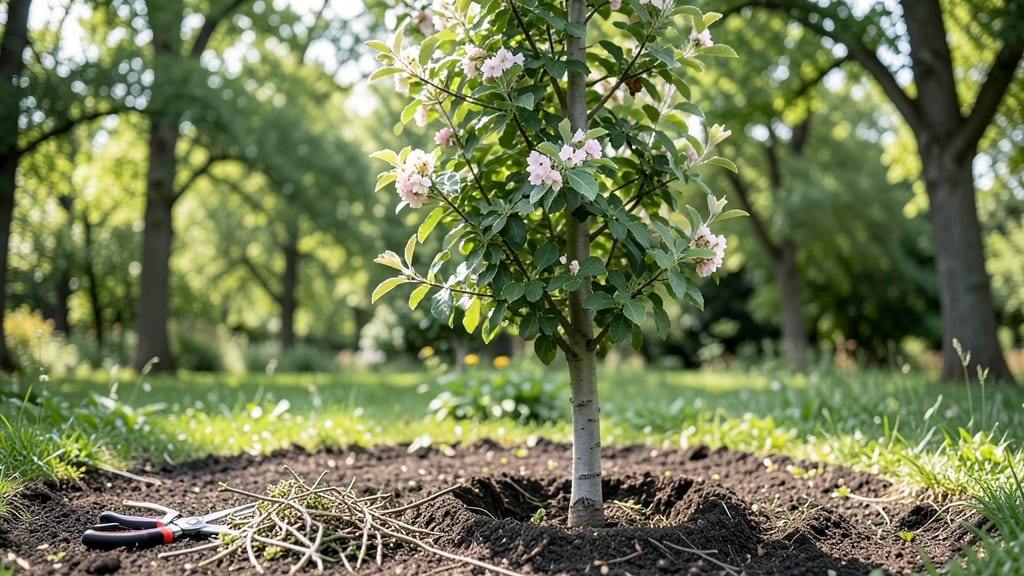
Pruning columnar apple trees isn’t just about shaping—it’s about unlocking their full potential. 🌳 I learned the hard way that skipping this step means smaller fruit, weaker branches, and more disease pressure. These vertical wonders thrive when you prune strategically, not just when they’re bare.
The secret lies in four targeted cuts that keep them productive year-round. You’ll need sharp pruners, a ladder (for taller varieties), and about 30 minutes—no fancy tools or horticultural degree required.
The key is timing: dormant season for major cuts, light shaping during growth spurts, and cleanup pruning after harvest.
What you’ll end up with is a tree that produces 20-30% more fruit than neglected neighbors, with stronger branches and fewer pests. The shape stays narrow, the harvest stays easy, and you avoid the heartbreak of broken limbs in storms.
Even my first attempt looked better than the overgrown mess I inherited.
Works for both dwarf and standard columnar varieties, in containers or ground-planted. Let’s get those branches in line—your future harvest will thank you.
📚 In This Guide
- What you need
- Instructions
- Tips and common mistakes
- Wrapping up and next steps
What you need
- ● Pruning shears: Bypass pruners (5–8" blade length) for small branches; sterilize with rubbing alcohol between cuts to prevent disease.
- ● Loppers: 1 pair (18–24" cutting capacity) for thicker branches (½"–1" diameter).
- ● Hand saw: Pruning saw with a fine-tooth blade for stubborn, woody branches (1" diameter or larger).
- ● Disposable gloves: 1 pair (nitrile or leather) to protect against thorns and sap.
- ● Rag or paper towels: For wiping tools between cuts (prevents bacterial spread).
- ○ Sealing wax: 1 small tub (optional but highly recommended for sealing cuts >½" to prevent rot).
- ● Ladder or step stool: If your tree exceeds 6 feet tall (ensure it’s stable and non-slip).
- ● Sharpie or masking tape: For marking branches to remove (if planning ahead).
- ● Extension pole pruners: For hard-to-reach branches without climbing.
- ● Disinfectant spray: 70% isopropyl alcohol in a spray bottle for quick tool sterilization.
- ● Tree pruning spray: Copper-based fungicide to treat cuts if your tree is disease-prone.
- ● Camera or phone: Snap before/after shots to track your tree’s progress!
How to prune columnar apple trees for year-round health
Master these four strategic cuts to keep your narrow apple trees productive and pest-resistant.
✂️ Step 1: Winter Dormancy Pruning (Late February)
Start when the tree is fully dormant but before buds swell—this is your chance to reshape the structure. I always begin by removing dead, diseased, or crossing branches first, using sharp bypass pruners. These cuts should be made at the branch collar, not too close to the trunk, to prevent infection. Look for branches that rub against others or grow inward; these compete for sunlight and energy.
Next, thin out excessive vertical growth to improve airflow. Columnar trees naturally grow upright, so I aim to keep the central leader dominant while opening the canopy. Make cuts just above an outward-facing bud to encourage new growth in the right direction. You'll see the tree's natural shape emerge as you remove competing leaders.
For larger branches over ½ inch thick, use three cuts to avoid tearing the bark: undercut, then cut from above, and finally remove cleanly. The goal is smooth, slanted cuts that heal quickly. I always sterilize my tools with rubbing alcohol between cuts to prevent spreading disease.
✂️ Step 2: Summer Thinning (June-July)
This is where you prevent overcrowding and improve fruit quality. Wait until fruit is half-sized before making cuts—this timing ensures you don't remove potential harvest while still controlling branch density. Focus on removing water sprouts (vigorous vertical shoots) and branches growing toward the center of the tree.
I look for clusters of fruit with three or more apples—these compete for resources. Thin to leave one or two strongest fruits per spur, cutting back to the branch collar. You'll notice the remaining fruit swell faster and develop better color as sunlight reaches them more evenly. Avoid leaving stubs; clean cuts heal better and reduce disease entry points.
For stubborn branches, I use a ratchet pruner for precision. The key is to work gradually—don't remove more than 25% of the tree's foliage in one session, or you'll stress the plant. Columnar trees are more sensitive to heavy pruning than standard apple trees, so moderation is critical.
✂️ Step 3: Post-Harvest Cleanup (October)
After the main harvest, inspect for damaged or diseased fruit clusters that may have been missed earlier. These often harbor pests and pathogens over winter. Remove any branches with mummified fruit (dried, shriveled apples) and dispose of them in the trash—not the compost bin—to prevent reinfestation.
I also check for suckers (shoots growing from the base) and shoots growing from the graft union. These divert energy from the main tree. Cut these back to the ground immediately, as they'll compete with your columnar tree's growth. The graft union is where the rootstock meets the scion wood—protecting this area ensures your tree maintains its desired variety.
This is also the time to sanitize the tree by spraying with a copper fungicide if you've noticed signs of apple scab or other fungal issues. The cooler temperatures make this an ideal time for preventative care without stressing the tree.
✂️ Step 4: Light Winter Pruning (January)
Give your tree a final check before spring growth begins. Focus on removing any new growth that sprouted after your initial winter pruning—these are often weak and won't contribute to next year's harvest. I also look for dieback (dead branches that appeared after last season's growth).
For weak, spindly branches, I make small cuts to encourage stronger growth. The idea is to maintain the tree's narrow, upright shape while keeping it open enough for sunlight and airflow. Columnar trees are bred for efficiency, so I avoid heavy pruning—just enough to correct any issues that arose during the growing season.
Finish by sharpening your tools and storing them in a dry place. A dull blade tears bark and invites disease, so I always take 10 minutes to hone my pruners before putting them away. This small step makes next year's pruning much easier.
Tips & tricks for perfect columnar apple tree pruning
These targeted strategies will help you maintain your narrow apple trees' health and productivity year after year.
Tool Preparation: Always inspect your pruning tools before each session. I use a 10-minute sharpening routine with a file to ensure clean cuts—dull blades tear bark and create wounds that invite disease. Store tools in a dry place with a drop of oil on the blades to prevent rust between uses. A sterilization station with rubbing alcohol is essential for preventing cross-contamination between cuts, especially when removing diseased branches.
Seasonal Timing Insight: The half-sized fruit guideline in Step 2 is your best friend for summer thinning. This timing ensures you're not removing potential harvest while still controlling branch density. I've found that waiting until fruit reaches this stage gives you a clear visual cue—apples will be about 1.5 to 2 inches in diameter for most columnar varieties. This precise timing prevents over-thinning while maximizing fruit quality and sunlight exposure.
Visual Branch Assessment: When evaluating branches during Step 1, look for the "V" shape where branches meet the trunk. This natural branch collar is your guide for making clean cuts. I train myself to spot three key visual cues: branches rubbing against others, inward-growing shoots, and deadwood with no green tissue. These are your priority targets for removal—they're the main culprits behind reduced airflow and disease spread in columnar trees.
Post-Pruning Care: After completing any pruning session, give your tree a light watering to help it recover. I've noticed that columnar trees handle stress better when they have adequate moisture in their system. This is particularly important after heavy pruning sessions like Step 1. Also, consider applying a thin layer of arborist wood chips around the base to maintain soil moisture and suppress weeds that compete with your tree's root system.
Pro Tips for Pruning Columnar Apple Trees
- These targeted strategies will help you maintain your narrow apple trees' health and productivity year after year.
- Tool Preparation: Always inspect your pruning tools before each session. I use a 10-minute sharpening routine with a ...
- Seasonal Timing Insight: The half-sized fruit guideline in Step 2 is your best friend for summer thinning. This timin...
Frequently asked questions
When is the best time to prune columnar apple trees?
Prune columnar apple trees during late winter or early spring (before buds swell) for best results. Light pruning can also happen in summer to control growth, but avoid heavy cuts then. Never prune in fall—it invites disease. Timing matters most for healing and fruit production!
How much can I trim a columnar apple tree?
Limit pruning to no more than 20-25% of the tree’s total growth per year. Columnars are narrow and fast-growing, so over-pruning stresses them. Focus on removing dead, crossing, or overcrowded branches—never cut more than 1/3 of a branch’s length at once. Patience pays off!
What if my columnar apple tree isn’t fruiting after pruning?
Check for sunlight exposure (they need 6+ hours daily), pollination (some need cross-pollination), or over-fertilizing (too much nitrogen = leafy growth, no fruit). Prune lightly in spring to encourage blooms, and ensure the tree is 3+ years old—young columnars often take time.
Can I prune columnar apple trees without shears?
Yes! Use sharp hand pruners for small branches, but for thicker stems, loppers or a pruning saw work better. Avoid tearing bark—always cut at a 45° angle just outside the branch collar. Gloves protect against thorns, and a disinfectant spray prevents disease spread between cuts.
What should I do if my columnar apple tree bleeds sap after pruning?
Sap bleeding is normal but can attract pests. Don’t worry—it’s harmless! To minimize it, prune on dry, cool days (not warm ones). Seal cuts with pruning sealant (optional) or let them air-dry. Avoid heavy pruning in early spring when sap flow peaks—focus on shaping instead.
Wrapping up and next steps
Pruning your columnar apple trees doesn’t have to be intimidating—just a few strategic cuts can keep them thriving year-round! 🌿 With the right tools, timing, and techniques, you’ll encourage stronger growth, better fruit production, and a healthier tree for seasons to come.
Now that you’re armed with the 4 key cuts and expert tips, grab those shears and get pruning with confidence.
Ready to take the next step? Mark your calendar for your first pruning session—whether it’s winter dormancy or summer shaping—and watch your columnar apple trees reward you with bountiful harvests! 🍏✨