
Pruning
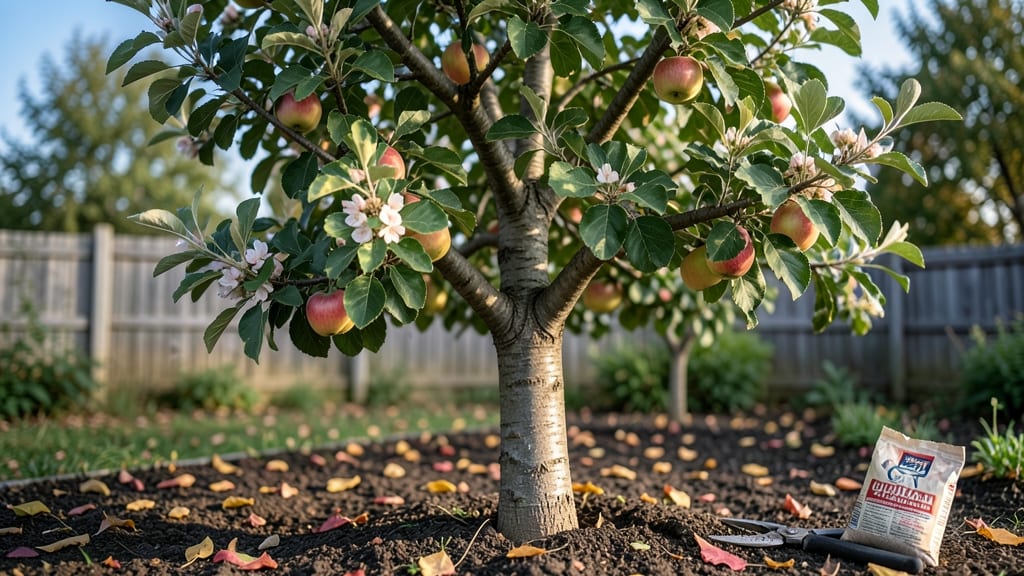
When the Stayman apple tree takes root in your yard, you’re not just planting a tree—you’re investing in a decades-long harvest of crisp, sweet apples that neighbors will envy. 🌳 I’ve watched mine go from a spindly sapling to a sturdy producer, and the secret weapon?
Pruning it right from day one. This isn’t just about shaping branches—it’s about setting up a framework where sunlight reaches every fruit, air circulates to prevent rot, and the tree puts energy into juicy, flavorful harvests instead of wild, unproductive growth.
The Stayman thrives in full sun and well-drained soil, but the real magic happens in the pruning. You’ll need sharp bypass pruners, rubbing alcohol for sterilizing cuts, and a clear day to assess the tree’s structure.
Start with open-center shaping in its first few years, then shift to maintaining an upright vase shape as it matures. The goal? A strong scaffold of branches that lets light penetrate to the center—where most homegrown apples get neglected and stay small.
By summer’s end, you’ll see the payoff: clusters of bright red-gold apples hanging heavy on the branches, their scent filling the air like a promise of autumn. The tree’s disease resistance means fewer sprays, and with proper pruning, you’ll avoid the common pitfalls of overcrowded fruit or weak wood.
Think of each cut as an investment in next year’s harvest—because a well-pruned Stayman doesn’t just produce apples, it produces generous, reliable ones for years to come.
Whether you’re working with a young sapling or an established tree, the principles stay the same: prune in late winter or early spring, remove dead wood immediately, and never hesitate to thin out competing branches.
The key is consistency—just 20 minutes of focused work every year keeps the tree healthy, productive, and looking its best. Ready to turn your backyard into an apple orchard? Let’s get those pruners out.
📚 In This Guide
- What you need
- Instructions
- Tips and common mistakes
- Wrapping up and next steps
What you need
- ● Pruning shears: Bypass pruners (sharp, clean, and disinfected with rubbing alcohol or bleach). Size: 6-8 inches for small branches.
- ● Loppers: For thicker branches (1-2 inches in diameter). Look for: Long handles (20+ inches) and a smooth cutting action.
- ● Pruning saw: For branches larger than 2 inches. Type: Curved-tooth saw for clean cuts.
- ● Gloves: Heavy-duty, cut-resistant gloves (e.g., Mechanix or Felco brand) to protect hands from thorns and splinters.
- ● Disinfectant: 1 part bleach to 9 parts water (for sterilizing tools between cuts to prevent disease).
- ● Rubbing alcohol or hydrogen peroxide: For quick tool disinfection in the field.
- ○ Pruning sealant (optional but helpful): Tree wound dressing (e.g., Tanglefoot Tree Wound Pruning Seal) for cuts larger than ½ inch.
- ● Ladder or step stool: If your tree is taller than 6 feet. Safety tip: Use a sturdy, non-slip ladder rated for your weight.
- ● Tarp or drop cloth: To collect fallen branches and debris (1-2 yards, depending on tree size).
- ● Marking spray or paint: (e.g., white latex paint) to label cuts for future reference.
- ● Hand pruners with a ratchet: For extended pruning sessions (reduces hand fatigue).
- ● Pole pruner: For high branches (extendable up to 10+ feet).
- ● Pruning rope or zip ties: To support weak or heavy branches temporarily.
- ● Garden hose or spray bottle: For rinsing tools and branches post-pruning.
- ● Notebook or pruning log: To track cuts, dates, and tree growth over the years.
- ● Safety gear: Goggles (to shield eyes from debris) and long sleeves/pants (to protect from thorns).
- ● Knowledge of basic pruning techniques: Familiarize yourself with heading cuts, thinning cuts, and water sprouts before starting.
- ● Weather check: Prune on a dry, cloudy day (avoid extreme heat or frost). Ideal temps: 40–65°F (4–18°C).
- ● Tree health assessment: Inspect your Stayman apple tree for diseased or dead branches before pruning.
- ● Local regulations: Check if your area requires permits for tree pruning (especially for large or heritage trees).
Step-by-Step pruning guide for Stayman apple trees
Master this seasonal approach and your Stayman will reward you with heavy crops every year.
✂️ Step 1: Winter Pruning for Structure and Airflow
Start in late winter—just before buds begin to swell—when the tree is fully dormant. This is your chance to establish the framework for next year's harvest. Remove any dead, diseased, or crossing branches first; these compete with healthy growth and harbor pests. Use sharp loppers to make clean cuts just outside the branch collar where the branch meets the trunk.
Open the center of the tree by removing branches that grow inward. Stayman apples need good airflow to prevent fungal diseases like apple scab. Aim to create an open vase shape with 5-7 main scaffold branches spaced evenly around the trunk. Each scaffold should be at least ⅓ the diameter of the trunk and positioned at a 45-degree angle. You'll see strong, outward-growing branches emerge as you prune.
Don't remove more than 25% of the tree's canopy in one winter session. This prevents stress and ensures vigorous spring growth. If you're unsure about a cut, wait until spring to reassess—you can always prune more then, but you can't undo over-pruning.
☀️ Step 2: Summer Pruning for Fruit Production
About 6-8 weeks after the last spring frost, perform your summer pruning when the tree is actively growing. Focus on removing "water sprouts"—those vigorous vertical shoots that steal energy from fruit production. These shoots grow straight up and have no fruit potential. Cut them back to a lateral branch or bud that faces outward.
Also thin out clusters of fruit where branches are too crowded. Leave only 6-8 apples per cluster spaced 6-8 inches apart. This ensures each remaining apple gets proper sunlight and develops full size. You'll notice the remaining fruit swell noticeably within weeks of thinning—this is your sign you've done it right.
If you see any suckers growing from the base of the tree, remove them immediately. These compete with the main tree for nutrients and can weaken overall productivity. Use clean pruning shears to avoid spreading disease between cuts.
⏰ Step 3: Post-Harvest Cleanup and Maintenance
After harvest, perform a light cleanup to remove any broken or diseased branches that may have appeared during the growing season. This prevents pests from overwintering in damaged wood. Sterilize your pruning tools with rubbing alcohol between each cut to prevent bacterial spread.
Now's also the time to assess next year's pruning needs. Look for branches that grew too vigorously this season—they'll need more aggressive pruning in winter. Mark these with brightly colored tape if you're unsure which branches they are. Pay special attention to any branches that grew toward the center of the tree; these will need priority removal in winter.
Apply a 2-3 inch layer of organic mulch around the base of the tree (but not touching the trunk) to retain moisture and suppress weeds. This protects the tree's roots during winter and encourages strong growth in spring. Water deeply after pruning to help the tree recover.
🌱 Step 4: Annual Monitoring and Adjustments
Throughout the growing season, make small adjustments as needed. Remove any branches that rub against each other—the friction creates wounds where disease can enter. Also watch for any branches growing at sharp angles (less than 45 degrees)—these are more prone to breaking under fruit weight.
Young Stayman trees (under 5 years old) need more frequent pruning—every 6-8 weeks—to establish proper structure. Mature trees can be pruned less aggressively, with just winter and summer sessions. The key is consistency; your tree will reward you with heavy, high-quality fruit crops every year.
Here's the thing—Stayman apples are particularly sensitive to over-pruning. If you remove too much wood in one season, you'll get fewer fruit buds the following spring. Always err on the side of caution and leave more wood than you think you need.
Tips & tricks for perfect Stayman apple tree pruning
Between us, pruning a Stayman apple tree isn't just about cutting branches—it's about creating a balanced ecosystem that rewards you with fruit year after year. Here's what nobody tells you about getting it right.
Branch Angle is Everything: That 45-degree angle for scaffold branches in Step 1 isn't arbitrary—it creates the perfect structural integrity while allowing sunlight penetration. Use a simple protractor tool or even a DIY angle guide made from cardboard to verify your cuts. I learned this the hard way after seeing branches snap under fruit weight when cut at steeper angles. The ⅓ trunk diameter rule for scaffold thickness is equally critical; thinner branches can't support the tree's future harvest.
Timing Secret: The 6-8 weeks window after last frost in Step 2 is your sweet spot for summer pruning. Too early, and you're cutting into next year's growth; too late, and you risk stressing the tree before winter. Check your local frost dates annually—they shift slightly each year. For water sprouts, look for those vertical shoots growing faster than the rest; they're energy vampires that drain resources from fruit production. Cut them back to outward-facing buds to redirect growth where you want it.
Post-Harvest Strategy: That 2-3 inch mulch layer isn't just decorative—it's a root insulator that maintains soil temperature and moisture. Use wood chips or straw (never fresh grass clippings) and keep it 3 inches away from the trunk to prevent rot. After pruning, water deeply to help the tree recover; you'll see new growth emerge within weeks if you've pruned correctly. The colored tape trick for marking aggressive branches works wonders—just don't leave it on too long, or it can girdle the bark.
Young Tree Care: Those 6-8 week intervals for young trees might seem frequent, but they're essential for establishing proper structure. Think of it like training a young athlete—consistent, light sessions build strength better than occasional heavy workouts. For mature trees, focus on removing only what's necessary; Stayman apples are particularly sensitive to over-pruning, and you can't undo it. If in doubt, leave it—you can always prune more next season.
Pro Tips for Stayman Apple Tree
- Between us, pruning a Stayman apple tree isn't just about cutting branches—it's about creating a balanced ecosystem t...
- Branch Angle is Everything: That 45-degree angle for scaffold branches in Step 1 isn't arbitrary—it creates the perfe...
- Timing Secret: The 6-8 weeks window after last frost in Step 2 is your sweet spot for summer pruning. Too early, and ...
Frequently asked questions
Got questions about growing and pruning your Stayman apple tree?
You’re not alone! Here are answers to the most common queries to help you nurture a thriving, fruit-filled tree.
How often should I prune a Stayman apple tree?
Prune your Stayman apple tree twice a year: once in late winter (before buds swell) for structural shaping and again in summer (after harvest) to remove water sprouts and encourage next year’s fruit. Young trees may need light pruning annually to establish a strong framework.
When is the best time to plant a Stayman apple tree?
Plant your Stayman apple tree in early spring or fall (4–6 weeks before the ground freezes). This gives roots time to establish before extreme temperatures. Avoid planting in summer heat, which can stress the tree. Choose a sunny spot with well-draining soil for optimal growth.
Can I grow a Stayman apple tree in a container?
Yes, but with limitations! Stayman apple trees can thrive in large containers (at least 20–25 gallons) for 3–5 years, but they’ll need regular pruning to control size. Use a high-quality potting mix and ensure the container has drainage holes. Expect smaller fruit yields compared to in-ground trees.
What pests or diseases should I watch for with Stayman apples?
Common issues include apple scab, fire blight, and codling moths. Prevent scab with copper fungicides; prune infected branches immediately. For fire blight, cut back to healthy wood and sterilize tools. Use pheromone traps or organic sprays to deter codling moths. Regular monitoring and proper spacing improve airflow, reducing risks.
Why isn’t my Stayman apple tree producing fruit?
Lack of fruit can stem from poor pollination, young age, or improper pruning. Stayman apples are self-pollinating but benefit from cross-pollination—plant a second variety nearby. Young trees (under 3–5 years) may not fruit yet. Ensure you’re pruning to open the canopy for sunlight and air circulation, which encourages blooming.
Wrapping up and next steps
Growing a thriving Stayman apple tree is all about patience, precision, and a little love—just like nurturing any great relationship! 🌳 With the right pruning techniques, you’ll unlock year-round fruit abundance, healthier growth, and a tree that rewards you for years to come.
Remember, the key is consistency: prune in late winter, shape with intention, and always prioritize airflow and sunlight.
Ready to take the next step? Grab your pruners, mark your calendar for next winter’s pruning session, and watch your Stayman apple tree flourish. Happy pruning—your future harvest is waiting! 🍏✨