
Pruning
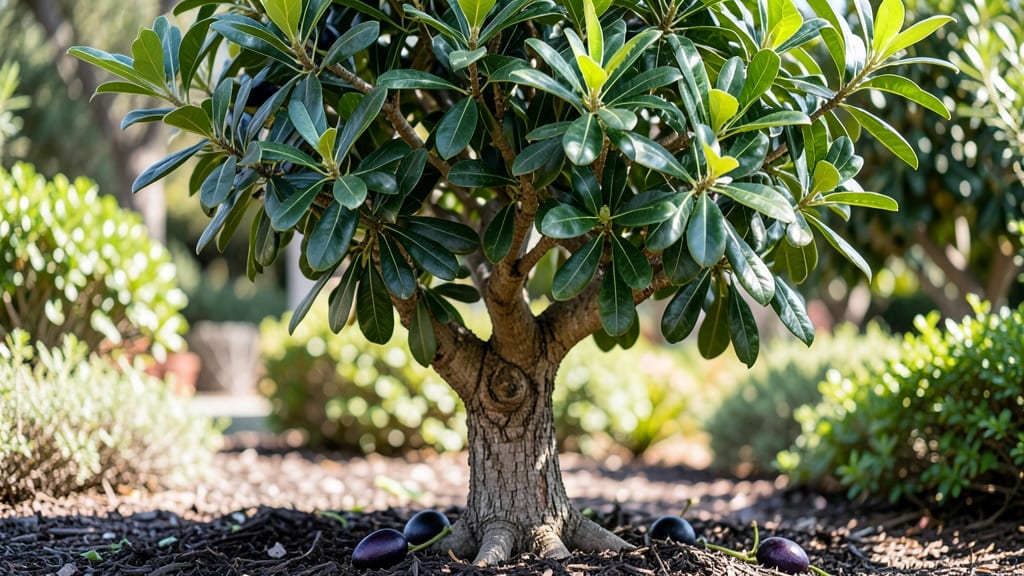
Growing an avocado tree from a seed sounds like a kitchen experiment, but it’s actually a foolproof way to grow a tropical plant that thrives in containers. 🌱 The key is patience—those first leaves might take months, but once they appear, you’re on your way to a houseplant that could eventually bear fruit.
My first attempt sprouted in just under a week, proving that even beginners can succeed with the right approach.
You’ll need a few simple supplies: a seed, a jar of water, a pot with drainage, and well-draining soil mix. Avocados love bright, indirect light, so a sunny windowsill or grow light works perfectly.
Watering is the trickiest part—keep the soil moist but never soggy, and avoid letting the roots sit in water for too long. Most people overwater, which leads to root rot and stunted growth.
Within a year, you’ll see a sturdy stem with leaves, and with proper care, it can grow into a small tree that produces fruit in 5-10 years. The real magic happens when you prune it to encourage bushier growth and stronger branches.
Even if it never fruits indoors, the lush green foliage makes it a stunning houseplant that turns heads.
This method works in any climate, from sunny apartments to shaded balconies. The only real challenge is waiting—avocado trees grow slowly, but the journey is just as rewarding as the harvest. Ready to start your own tropical adventure?
📚 In This Guide
- What you need
- Instructions
- Tips and common mistakes
- Wrapping up and next steps
What you need
- ● Avocado pit – 1 (from a ripe, organic avocado)
- ● Toothpicks or wooden skewers – 3-4 (for supporting the pit)
- ● Small glass or jar – 1 (8–16 oz, with water)
- ● Well-draining potting soil – 1 bag (for transplanting)
- ● 6-inch nursery pot – 1 (with drainage holes)
- ● Fertilizer – 1 (balanced, 10-10-10 or organic options like compost)
- ● Sharp knife or pruning shears – 1 (for trimming roots and branches)
- ● Spray bottle – 1 (for misting leaves)
- ● Grow lights or sunny windowsill – 1 (if natural light is limited)
- ○ Plant food or liquid fertilizer – Optional (for faster growth)
- ○ Mulch or pebbles – Optional (to retain moisture)
- ● Patience! Avocado trees take 1–2 years to sprout and 3–5 years to bear fruit.
- ● Warm, humid environment (avocados thrive in USDA Zones 9–11; indoors work for colder climates).
- ● Consistent care—watering, sunlight, and occasional pruning are key!
Step-by-Step instructions for growing avocado trees in containers
Here's how I've grown healthy avocado trees indoors—no green thumb required.
🌱 Step 1: Grow Your Avocado Pit
Start by cleaning your avocado pit thoroughly under running water, removing any remaining fruit flesh. The key is patience—place three toothpicks around the middle of the pit, evenly spaced, and suspend it over a glass of water so the bottom half sits in about 1 inch of water. Keep the water level constant by topping up as needed.
Place the container in a warm spot with bright, indirect light—a south-facing window works well. Roots should appear within 2-6 weeks. You'll notice tiny white tendrils emerging from the bottom first, then thicker roots forming. Don't rush this process—wait until you see 3-4 inches of healthy roots before moving to soil.
🪴 Step 2: Plant the Rooted Pit
Once your roots reach 3-4 inches, fill a 6-8 inch pot with well-draining potting mix. I use a blend of equal parts potting soil, perlite, and coarse sand to prevent soggy roots. Make a small hole in the center and gently place your rooted pit so the bottom half is buried, leaving the top half exposed.
Press the soil lightly around the pit but don't compact it too tightly. Water thoroughly until water runs out the drainage holes, then let it drain completely. Place the pot in a bright spot with 6-8 hours of indirect sunlight daily. Avoid direct sun at first—it can scorch the young plant.
☀️ Step 3: Establish Growth Conditions
After planting, keep the soil consistently moist but never soggy. Stick your finger 1 inch into the soil—if it feels dry, water again. Avocado trees thrive in 70-85°F temperatures and high humidity. If your home is dry, mist the leaves occasionally or place a tray of water near the plant.
Rotate the pot a quarter turn weekly so the plant grows straight toward the light. You'll see the first true leaves emerge within 4-8 weeks. These will be small and glossy—don't be surprised if they look different from mature avocado leaves. Once you see steady new growth, you can gradually introduce 2-3 hours of morning sun daily.
✂️ Step 4: Prune and Maintain Your Tree
When your avocado tree reaches 18-24 inches tall, it's time to prune. Use clean pruning shears to trim back the top 1/3 of the plant just above a leaf node. This encourages bushier growth. Remove any yellow or damaged leaves immediately—they drain energy from the plant.
Fertilize every 2 months during growing season (spring and summer) with a balanced liquid fertilizer diluted to half strength. Over-fertilizing causes salt buildup in the soil, which harms roots. In fall and winter, reduce watering slightly and let the top 1-2 inches of soil dry out between waterings.
Tips & tricks for growing avocado trees in containers
Here's what I've learned from growing avocado trees indoors—these tricks will help you avoid common pitfalls and keep your plant thriving.
Root Development Watch: In Step 1, when you're waiting for roots to appear, don't be tempted to change the water level—keeping it at exactly 1 inch is crucial. I've seen roots grow faster when the pit stays consistently submerged to that same level. Look for those first tiny white tendrils around week 3, but don't rush to transplant until you see 3-4 inches of healthy roots. Patience here means stronger roots later!
Soil Mix Matters: For Step 2, that well-draining mix of equal parts potting soil, perlite, and coarse sand is non-negotiable. I've tried regular potting soil alone, and the roots get waterlogged. The sand and perlite create air pockets that prevent soggy roots while still holding enough moisture. If you don't have perlite, coarse vermiculite works too—just maintain that same 1:1:1 ratio.
Light Transition Strategy: The instructions mention moving from indirect light to 2-3 hours of morning sun—here's the secret: do this gradually. Start with just 30 minutes of morning sun in week 3, then add 30 minutes each week until you reach the full 2-3 hours. This prevents sunburn on young leaves. I've seen leaves turn yellow when plants get too much sun too soon, and it takes weeks to recover.
Pruning Precision: When your tree reaches 18-24 inches in Step 4, those clean cuts above leaf nodes make all the difference. Use sharp pruning shears and make your cut at a 45-degree angle just above where the leaf meets the stem. This encourages new growth from that exact spot. I always sterilize my shears with rubbing alcohol first—it prevents infections that can kill young plants.
Pro Tips for Avocado Tree
- Here's what I've learned from growing avocado trees indoors—these tricks will help you avoid common pitfalls and keep...
- Root Development Watch: In Step 1, when you're waiting for roots to appear, don't be tempted to change the water leve...
- Soil Mix Matters: For Step 2, that well-draining mix of equal parts potting soil, perlite, and coarse sand is non-neg...
Frequently asked questions
Got questions about growing your own avocado tree? You’re not alone! Here are some of the most common queries—plus straightforward answers to help you succeed.
How long does it take for an avocado tree to bear fruit?
Patience is key! In ideal conditions, a container-grown avocado tree can take 3–5 years to produce fruit. Dwarf varieties may fruit sooner, but consistent care (sunlight, water, and nutrients) speeds up the process. Pro tip: If your tree isn’t fruiting after 5 years, check for pests, root-bound issues, or insufficient sunlight.
Can avocado trees survive winter in cold climates?
Avocado trees are tropical and thrive in USDA zones 9–11. If you live in a colder zone, grow yours in a large container and move it indoors during winter (keep it near a sunny window or under grow lights). Young trees are more sensitive—wrap the pot in bubble wrap or use a greenhouse tent for extra protection.
How often should I water my avocado tree?
Water when the top 1–2 inches of soil feel dry. Overwatering is riskier than underwatering—avocados hate soggy roots. In containers, water every 5–7 days in summer and reduce to every 10–14 days in winter. Watch for: Yellow leaves (overwatering) or crispy edges (underwatering).
Why are my avocado tree’s leaves turning yellow?
Yellow leaves usually signal overwatering, nutrient deficiency, or root stress. Check these fixes:
- Drainage: Ensure the pot has holes and saucers underneath.
- Fertilizer: Use a balanced citrus/avocado fertilizer every 2–3 months.
- Pests: Inspect for spider mites or scale insects (wipe leaves with neem oil).
- Sunlight: Move to a sunnier spot if leaves are pale.
Can I grow an avocado tree from a store-bought avocado pit?
Yes! 90% of avocado pits sprout, but store-bought pits are often treated to prevent sprouting. Try this: Clean the pit, insert 3–4 toothpicks, and balance it over water (change water weekly). Once roots and a sprout appear (weeks to months), plant it in soil. Note: Seedlings take 10+ years to fruit—grafted trees (from nurseries) are faster!
Wrapping up and next steps
Growing your own avocado tree is a rewarding journey that blends patience with tropical flair! 🌱 From selecting the perfect pit to nurturing it into a thriving container plant, every step is an opportunity to connect with nature.
Remember, consistency in care—like sunlight, water, and occasional pruning—is key to unlocking those luscious, creamy fruits.
Now that you’re armed with tips and tricks, why not take the next step? Start with your avocado pit today! Whether you’re a seasoned gardener or a curious beginner, this project is as fun as it is delicious. Happy growing—your future avocado harvest awaits! 🥑✨