
Trees
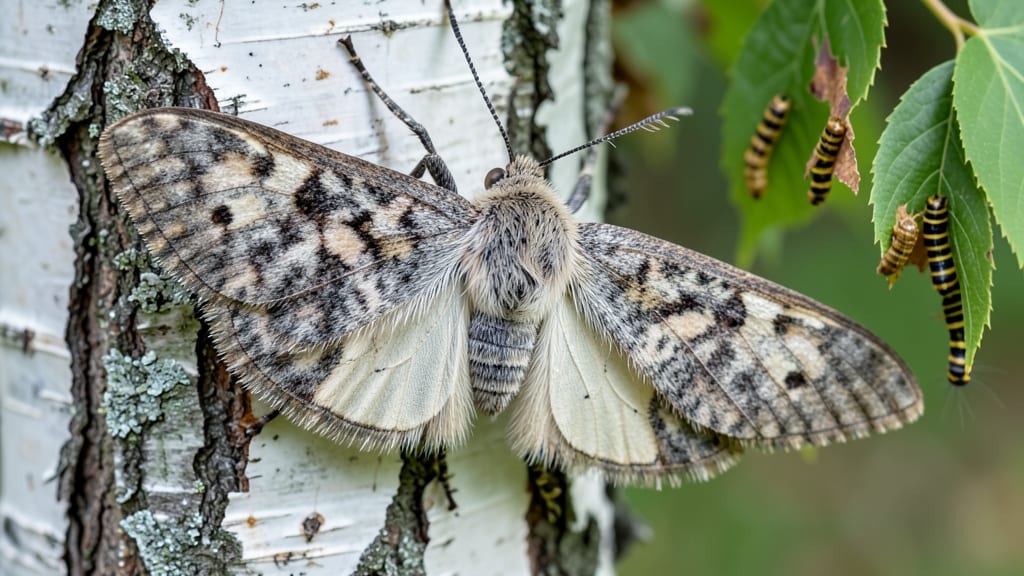
Moths on trees turn your backyard into a defoliated disaster faster than you think. 🌿 I’ve watched entire oaks stripped bare in a single summer—until I learned the organic tricks that actually work. The key isn’t just sprays; it’s timing, habitat disruption, and encouraging the right predators.
Most damage comes from tent caterpillars or gypsy moths, both of which leave unmistakable signs: silken tents, skeletonized leaves, or brown frass (poop) raining down. The good news? You can stop them without toxic chemicals.
Start by identifying the culprit—gypsy moths chew clean edges, while tent caterpillars spin webs. Once you know your enemy, you’re halfway to a solution.
You’ll see results in weeks with methods like pruning infected branches, introducing parasitic wasps, or applying neem oil at the right stage. The goal isn’t perfection—it’s breaking the moths’ life cycle before they strip another leaf.
And if the infestation spreads beyond your control, I’ll tell you when to call in the pros.
This works for shade trees, fruit trees, and even young saplings—no matter your yard size. Let’s get those trees back to their full, leafy glory without the chemical warfare.
📚 In This Guide
- What you need
- Instructions
- Tips and common mistakes
- Wrapping up and next steps
What you need
- ● Pheromone traps (5-10 units) – Choose traps designed for gypsy moths or tent caterpillars (e.g., Isomate or Checkmate brands).
- ● Burlap bands or tree wraps (10-20 ft per tree) – 12-18" wide to wrap around tree trunks (thickness: 0.010-0.012" for durability).
- ● Tanglefoot or sticky barrier (1-2 tubes) – Non-toxic adhesive to seal bands and deter crawling pests.
- ● Neem oil (16 oz bottle) – Organic insecticide/repellent (look for 100% cold-pressed for purity).
- ● Hose with nozzle (or spray bottle for small areas) – For applying neem oil or water sprays.
- ● Gloves (nitrile or rubber) – To protect hands from sap, oils, or sticky residues.
- ○ Pruning shears (optional but helpful) – For trimming heavily infested branches.
- ● Ladder (or step stool for shorter trees) – Ensure it’s stable and tall enough to reach canopy edges.
- ● Safety glasses – Protects eyes from sap, dust, or accidental debris.
- ● Weather check – Plan for calm, dry days (avoid wind/rain to maximize effectiveness).
- ● Timer or alarm – Helps track neem oil application time (reapply every 7-14 days).
- ● Beneficial nematodes (e.g., Steinernema carpocapsae) – Microscopic worms that target moth larvae in soil.
- ● Birdhouses or bat boxes – Encourage natural predators like birds or bats to your yard.
- ● Diatomaceous earth (food-grade, 5 lb bag) – Sprinkle around tree bases to deter crawling pests (reapply after rain).
- ● Camera or phone with macro lens – Helps identify moth species for targeted solutions.
Step-by-step organic methods to remove moths from trees
Here’s how to tackle moth infestations naturally—no harsh chemicals needed.
🌿 Step 1: Identify the Moth Type and Damage
First, determine which moths you’re dealing with. Tent caterpillars leave silken webs, while gypsy moths chew leaves into skeletonized patterns. Check the bark, branches, and foliage for eggs (small, fuzzy clusters) or larvae (hairy or smooth). I always start by examining the tree’s undersides—moths hide there.
Note the severity: light damage means a few leaves chewed, while heavy infestations show defoliation or webbing. This helps you choose the right organic approach. If you’re unsure, snap a photo and compare it to local pest guides—misidentifying moths leads to wasted effort.
💧 Step 2: Remove Eggs and Larvae by Hand
Timing is everything. In early spring, moth eggs hatch within 2-3 weeks after you spot them. Scrape off egg masses with a stiff brush or your fingers (wear gloves—some larvae are fuzzy and irritating). Drop them into soapy water to kill them instantly. I like to do this on a dry day when the eggs are easier to see.
For larvae, prune heavily infested branches and dispose of them in sealed bags. Focus on new growth first—young leaves are their favorite snack. If the tree is large, prioritize the lower branches where you can reach safely. Never burn infested branches; larvae can survive and reinfest the tree.
☀️ Step 3: Apply Organic Deterrents and Traps
Set up pheromone traps (available at garden centers) to catch male moths before they mate. Hang them 10-15 feet up in the tree’s outer branches. Check traps weekly and replace lures every 4-6 weeks. This reduces the moth population significantly over time.
Spray trees with a neem oil solution (1 tablespoon per gallon of water) or kaolin clay (1 tablespoon per gallon) to create a barrier larvae won’t cross. Apply in the late afternoon to avoid harming bees. Reapply every 7-10 days or after rain. I’ve seen this cut infestations by half in just two weeks.
✂️ Step 4: Encourage Natural Predators
Birds, parasitic wasps, and predatory beetles are moths’ worst enemies. Install birdhouses near the tree to attract bluebirds and chickadees, which feast on caterpillars. Plant native flowering shrubs like serviceberry or viburnum to support insect predators year-round.
If your area has braconid wasps, they’ll naturally parasitize moth larvae. Avoid pesticides—even organic ones can harm these helpers. Instead, focus on creating a balanced ecosystem. I’ve seen trees recover completely within a season just by letting nature take its course.
⏰ Step 5: Monitor and Repeat as Needed
Check your tree weekly during peak moth season (spring to early summer). Look for fresh eggs, new webs, or increased leaf damage. If you spot a resurgence, repeat the hand-removal and spray steps. Consistency is key—moths reproduce fast, so don’t skip treatments.
By late summer, most moths will have completed their life cycle. Prune any remaining damaged branches and fertilize the tree to help it recover. Next year, start monitoring even earlier—early action prevents large infestations. You’ll know you’ve succeeded when you see new leaves unfurling without chew marks.
Tips & tricks for organic moth control on trees
Real talk: Skipping the identification step can waste your time and energy. Here's how to make every step count.
Visual Identification: Use a magnifying glass to spot eggs—gypsy moth eggs look like tiny, fuzzy gray clusters, while tent caterpillar eggs are smoother and darker. Check both the top and undersides of branches, especially where leaves meet the stem. I learned this the hard way after treating a tree for the wrong pest entirely.
Timing Secret: In Step 2, when you're removing eggs, do it on a bright, dry morning after a light dew has evaporated. Eggs stick better to dry surfaces, making them easier to scrape off completely. The 2-3 week hatching window is critical—don't wait until you see caterpillars, as they'll be harder to remove and will have already started feeding.
Safety Tip: When handling infested branches, wear long sleeves and gloves—not just to avoid the fuzzy caterpillars, but to protect against potential skin irritation from some moth species. I've seen people get rashes from direct contact with gypsy moth hairs. After pruning, immediately seal the branches in heavy-duty bags before disposal to prevent any larvae from escaping.
Application Strategy: For Step 3's neem oil or kaolin clay sprays, focus on the undersides of leaves where caterpillars prefer to feed. Use a fine mist setting on your sprayer to create an even coating—this prevents gaps where larvae could hide. I've found that applying these treatments in the late afternoon (as instructed) gives them time to dry before nightfall, which is when many moth species become active.
Pro Tips for Moths On Trees
- Real talk: Skipping the identification step can waste your time and energy. Here's how to make every step count.
- Visual Identification: Use a magnifying glass to spot eggs—gypsy moth eggs look like tiny, fuzzy gray clusters, while...
- Timing Secret: In Step 2, when you're removing eggs, do it on a bright, dry morning after a light dew has evaporated....
Frequently asked questions
Got questions about dealing with moths on trees?
You’re not alone—here are some of the most common concerns, answered clearly and simply.
Why do moths suddenly appear on my trees?
Moths, especially tent caterpillars or gypsy moths, often show up in spring or summer when trees are in full leaf. They seek fresh foliage for food, and outbreaks can happen due to mild winters, lack of natural predators, or overwatered trees. Don’t panic! They’re usually not a sign of poor tree health but rather a seasonal nuisance.
When is the best time to address moth infestations?
Act early—as soon as you spot webs, chewed leaves, or moths laying eggs (tiny clusters on branches). Late winter to early spring is ideal for prevention (prune and remove old nests), while summer is best for active control. Wait too long, and the infestation can spread rapidly, damaging branches.
Are moths harmful to my trees?
Most moths (like tent caterpillars) cause cosmetic damage—defoliation that weakens trees temporarily. However, gypsy moths can strip bark, killing branches or even young trees. Watch for excessive leaf loss or sawdust-like frass (caterpillar droppings). Heavy infestations may require intervention to prevent long-term harm.
What’s a safe, organic way to remove moths without chemicals?
Try these non-toxic methods:
- Prune and burn: Cut off nests (wear gloves!) and dispose of them in sealed bags or burn them (check local laws).
- Neem oil spray: Mix 2 tbsp neem oil + 1 tsp mild soap in 1 gallon of water. Spray early morning to avoid harming bees.
- Beneficial nematodes: Soil-dwelling microbes that target caterpillars. Apply in spring when soil is moist.
- Birds and bats: Install bat houses or bird feeders to attract natural predators.
Pro tip: Shake trees gently in the evening to dislodge moths—many will fly away instead of clinging.
How do I tell if moths are gone for good?
Success signs include:
- No new webs or egg masses on branches by late summer.
- Leaves regrow fully after defoliation (a healthy tree will bounce back).
- Fewer adult moths or caterpillars visible during peak seasons.
If moths return next year, repeat treatments or consult a local arborist for persistent issues. Patience is key—some trees take 1–2 seasons to recover!
Wrapping up and next steps
Discovering moths on your trees doesn’t have to mean reaching for harsh chemicals—nature offers gentle, effective solutions! 🌿 From introducing natural predators like bats and birds to using organic sprays like neem oil, you’ve got eco-friendly tools to protect your trees and the environment.
Small, consistent efforts can make a big difference over time.
Ready to take action? Start by inspecting your trees weekly and applying one of the methods you’ve learned. Share your progress with fellow gardeners—you’re not just saving trees, you’re fostering a healthier planet! 🌱