
Pruning
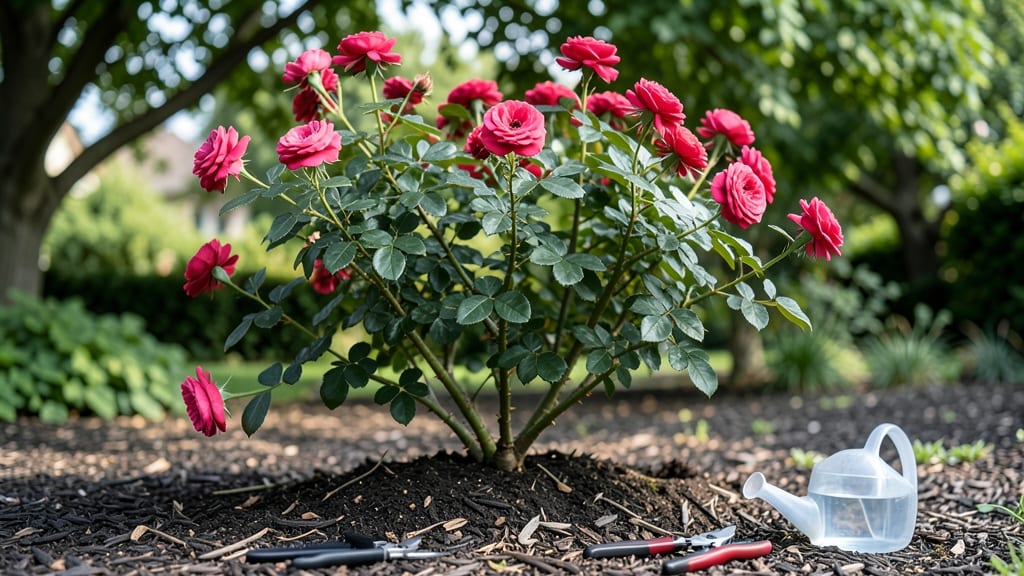
A flowering rose tree isn’t just a rose bush on steroids—it’s a showstopper that blooms like a cloud of color all season long. I’ve had mine covered in flowers from May until frost, and the secret isn’t just the variety—it’s the pruning.
Most gardeners overlook how aggressive cuts can trigger more blooms, not fewer. The first time I saw my rose tree explode with flowers after a hard prune, I knew I’d cracked the code.
You’ll need the right variety (like ‘Knock Out’ or ‘Double Knockout’ for effortless blooms), full sun, and well-draining soil—but the pruning is where the magic happens.
I’ve pruned roses for years, and I’ll show you how to cut back in early spring to encourage thick, bushy growth that bursts with flowers. No more sparse stems or half-hearted blooms—just a tree that looks like it’s wearing a floral crown.
And yes, it works for climbing roses too, though the timing tweaks slightly.
By summer’s end, you’ll have a rose tree so lush it’ll make your neighbors ask for cuttings. The blooms stay vibrant longer, the branches fill in, and you’ll spend less time deadheading because the plant just keeps producing.
Even my black thumb can’t kill these when pruned right. The best part? You’ll avoid the common mistakes that leave roses looking tired or overgrown.
Whether you’ve got a small yard or a sprawling garden, this method adapts. We’ll cover when to prune for your climate zone, how to handle winter protection, and why some roses bloom better if you prune them twice a year.
Ready to turn your rose tree into the star of the show?
📚 In This Guide
- What you need
- Instructions
- Tips and common mistakes
- Wrapping up and next steps
What you need
- ● Bypass pruners: Sharp, high-quality (e.g., Felco #2 or Corona)—1 pair (for clean cuts).
- ● Loppers: Heavy-duty (e.g., Felco #8)—1 pair (for thicker branches).
- ● Hand pruners: For precision trimming (e.g., Fiskars)—1 pair.
- ○ Hedge shears: Optional, for shaping (e.g., Felco #10)—1 pair.
- ● Disinfectant: 70% isopropyl alcohol or rubbing alcohol—small bottle (to prevent disease spread).
- ○ Pruning sealant: Optional (e.g., Tanglefoot Tree Wound Pruning Seal)—small tube (for large cuts only).
- ● Gloves: Heavy-duty gardening gloves—1 pair (protects from thorns!).
- ○ Safety glasses: Optional but recommended—1 pair.
- ● Weather check: Prune on a dry, cloudy day (avoid frost or extreme heat).
- ● Clean workspace: Lay down tarps or old towels to catch debris.
- ● Rose variety knowledge: Know if your tree is climbing, shrub, or standard—pruning techniques vary!
- ● Sharp tools: Always sharpen blades before starting (dull tools crush stems).
Step-by-step guide to pruning your flowering rose tree for year-round blooms
Here's how to transform your rose tree into a blooming powerhouse—no green thumb required.
Identify the Right Time for Pruning
Prune your rose tree in late winter or early spring, just as new growth begins. This is when the plant is still dormant but about to wake up—ideal timing for shaping and encouraging strong blooms. Avoid pruning in fall or during active bloom periods, as this can stress the plant and reduce next year's flowers.
Look for swollen buds along the stems, which signal the start of new growth. This is your cue that the tree is ready for a fresh cut. If you miss this window, wait until after the first flush of blooms in spring before pruning again.
Remove Dead, Diseased, or Weak Wood
Start by cutting out any dead, diseased, or crossing branches—these compete with healthy growth and can spread problems. Use clean, sharp pruners to make 45-degree cuts just above an outward-facing bud. This ensures new growth will branch outward, improving airflow and sunlight penetration.
If you see blackened stems, yellowing leaves, or mushrooms at the base, these are signs of serious issues. Remove affected branches all the way back to healthy wood. Disinfect your pruners between cuts with rubbing alcohol to prevent spreading disease.
Shape the Tree for Airflow and Light
Step back and visualize your rose tree as a rounded, open vase shape. This encourages airflow, which reduces humidity and fungal diseases. Start by thinning out the center, removing branches that grow inward or rub against others. Aim to leave 3-5 main branches spaced evenly around the tree.
Cut back the remaining branches by one-third to one-half of their length. Focus on removing older wood first—this stimulates fresh growth from younger, more vigorous stems. Avoid over-pruning; a well-shaped rose tree should still have plenty of leaves and buds after trimming.
Encourage Continuous Blooming with Strategic Cuts
For nonstop blooms, prune lightly throughout the growing season. After the first flush of flowers fades, trim back the spent blooms along with one-third of the stem below the bloom. This encourages the tree to produce more side shoots, each with its own flower cluster.
Watch for suckers—shoots growing from the base or below the graft union. Remove these immediately, as they drain energy from the main tree. If you see leggy growth, it’s a sign the tree needs more sunlight or a lighter pruning hand.
Clean Up and Protect Your Tree
After pruning, rake up and dispose of all clippings—never leave them on the ground, as they can harbor pests and diseases. Apply a 2-3 inch layer of mulch around the base (but not touching the trunk) to retain moisture and suppress weeds. This also keeps the soil temperature stable, which is crucial for root health.
Finish by applying a balanced rose fertilizer in early spring and again after the first bloom. Water deeply at the base, keeping the soil moist but not soggy. With proper pruning and care, your rose tree will reward you with vibrant, continuous blooms all season long.
Tips & tricks for pruning your flowering rose tree
Real talk: Pruning can feel intimidating, but these simple tricks will help you shape your rose tree like a pro without stressing the plant.
Timing is Everything: That late winter or early spring window is critical—it’s when your rose tree is still dormant but ready to wake up. I’ve seen roses stressed after fall pruning because they’re already preparing for winter. Look for those swollen buds as your green light to start cutting. If you miss this window, wait until after the first spring bloom before touching your pruners again.
The 45-Degree Cut Matters: When you make those cuts just above an outward-facing bud, you’re not just trimming—you’re directing where new growth will sprout. I always double-check my angle by imagining a clock face: the bud should be at the 12 o’clock position. This simple trick ensures your branches grow outward, creating that perfect vase shape and improving airflow for healthier blooms.
Don’t Over-Pru—Here’s How to Know: In Step 3, when you’re cutting back branches by one-third to one-half, stop if you start seeing too much bare stem. A well-pruned rose should still have plenty of leaves and buds—think of it like giving your tree a haircut, not a shave. I’ve learned the hard way that over-pruning can shock the plant and set back blooming for the season.
Seasonal Maintenance Wins: Those light prunes throughout the growing season after the first flush of blooms are key for continuous flowers. I set a reminder to check my roses every 4-6 weeks during bloom season. Snip off spent blooms with one-third of the stem below, and watch as your tree rewards you with new clusters. It’s like giving your rose tree a little nudge to keep producing!
Pro Tips for Flowering Rose Tree
- Real talk: Pruning can feel intimidating, but these simple tricks will help you shape your rose tree like a pro witho...
- Timing is Everything: That late winter or early spring window is critical—it’s when your rose tree is still dormant b...
- The 45-Degree Cut Matters: When you make those cuts just above an outward-facing bud, you’re not just trimming—you’re...
Frequently asked questions
How do I prune a flowering rose tree for continuous blooms?
Prune your rose tree after flowering (late spring/early summer) to encourage more blooms. Cut back about one-third of the oldest stems to the nearest outward-facing bud. Avoid heavy pruning in fall—it can stunt next year’s growth. See our step-by-step guide for visuals!
When is the best time to plant a flowering rose tree?
Plant in early spring (after the last frost) or fall (6 weeks before your first frost). Avoid summer planting—heat stress can shock roots. Choose a spot with full sun (6+ hours/day) and well-draining soil. Pro tip: Water deeply after planting to settle soil around roots!
Can I grow a flowering rose tree in a pot?
Yes! Use a large container (at least 15 gallons) with drainage holes. Opt for dwarf or climbing roses like ‘Knock Out’ or ‘Cinderella’—they thrive in pots. Repot every 2–3 years and fertilize monthly during growing season. Warning: Potted roses dry out faster; monitor soil moisture closely!
Why aren’t my rose blooms lasting long?
Short-lived blooms often signal overwatering, poor drainage, or pests. Check for:
- Watering: Roses hate soggy roots—water at the base, not overhead.
- Pests: Spider mites or aphids suck sap, weakening flowers. Spray with neem oil if needed.
- Sunlight: Insufficient light = fewer, shorter-lived blooms.
What’s a low-maintenance alternative to a flowering rose tree?
If roses seem high-maintenance, try:
- Butterfly Bush (Buddleia): Drought-tolerant, attracts pollinators, and blooms all summer.
- Hydrangea: Thrives in partial shade, with big, showy flowers.
- Lavender: Fragrant, pest-repellent, and requires minimal pruning.
Wrapping up and next steps
Growing a flowering rose tree that bursts with nonstop blooms is entirely within your reach—with the right pruning techniques, patience, and care! Remember, timing, tools, and technique are your best friends, while over-pruning and neglect can stunt your rose’s potential.
Now that you’re armed with pruning secrets, watch your garden transform into a fragrant, picturesque paradise. 🌸
Ready to take the next step? Start small—pick one rose tree to practice your new skills, then expand your blooming empire! Consider investing in a pruning journal to track progress, or join a local gardening club for shared tips and inspiration.
Your future self (and your roses!) will thank you. 🌱