
Size
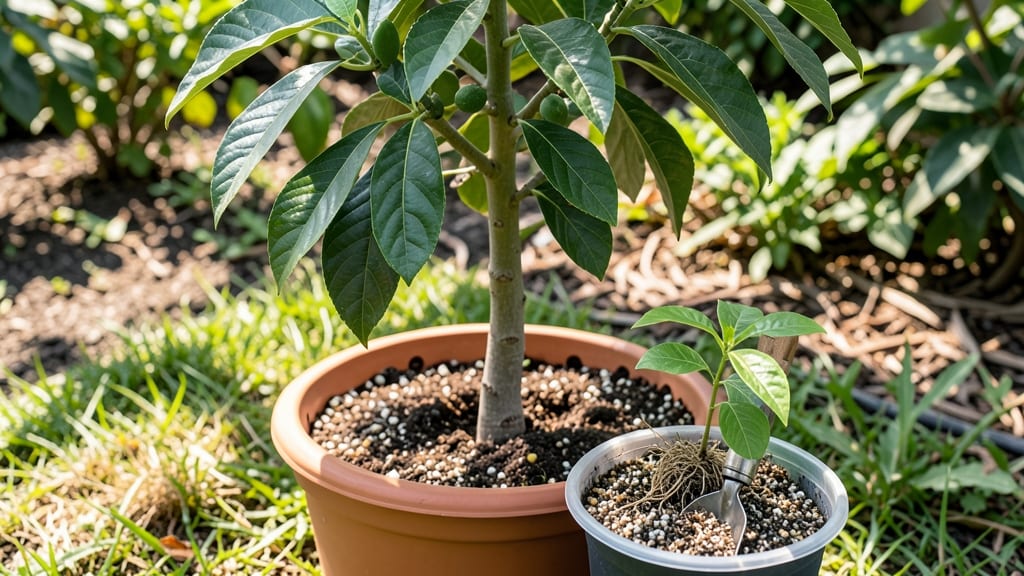
Growing an avocado tree from seed is one of those gardening projects that feels like magic—especially when you see that first leaf unfurl after weeks of waiting. 🌱 I’ve grown three from pits, and while they won’t bear fruit for years, the journey is worth it for the lush, glossy foliage alone.
The key is patience, because these tropical plants take their time to mature, but with the right light, soil, and care, you’ll end up with a striking houseplant (or even an outdoor tree in warm climates).
You’ll need just a few basics to get started: a large container with drainage, well-draining potting mix, and a sunny spot (at least 6 hours of light daily). Avocados hate soggy roots, so choose a pot with drainage holes and a mix designed for citrus or cacti.
If you’re growing indoors, a south-facing window or grow light is non-negotiable—these trees need bright, indirect light to thrive. Water when the top inch of soil feels dry, but don’t drown them; overwatering is the #1 killer of young avocado trees.
By the time your seedling hits 12 inches tall, you’ll notice thick, leathery leaves and a sturdy trunk—proof you’re doing something right. With proper pruning (just pinch off leggy growth) and occasional fertilizer (balanced 10-10-10 in spring), your tree could live for decades.
The real payoff? A mature avocado tree in a container becomes a conversation piece, whether it’s gracing your patio or sitting by the kitchen window. Let’s get those pits planted!
Here’s the best part: this method works whether you’re in a cozy apartment or a sunny backyard. In colder zones, bring your container indoors before frost, and in warm climates, let it bask in the sun year-round.
Just remember—avocados grow slow, but the satisfaction of nurturing a tree from a single seed? That’s instant.
📚 In This Guide
- What you need
- Instructions
- Tips and common mistakes
- Wrapping up and next steps
What you need
- ● Avocado Pit: 1 fresh, organic avocado pit (preferably Hass variety for best results).
- ● Toothpicks or Skewers: 3-4 wooden toothpicks or small skewers (for suspending the pit).
- ● Glass or Jar: 1 clear glass or jar (8–16 oz) with water to cover 1–2 inches of the pit.
- ● Container or Pot: For Germination: Small nursery pot (4–6 inches in diameter) with drainage holes.
- ● For Mature Tree: Large container (15–20 gallons) or outdoor planting space with well-draining soil.
- ● Potting Mix: 1 bag of high-quality, well-draining cactus/succulent mix (or a blend of 60% potting soil + 40% perlite/sand).
- ● Drainage Material: Small pebbles or gravel (for the bottom of pots to prevent root rot).
- ● Fertilizer: Balanced, water-soluble fertilizer (e.g., 10-10-10 or 20-20-20) for young trees, and citrus-specific fertilizer for mature trees.
- ● Spray Bottle: For misting leaves (especially in dry climates).
- ● Humidity Dome: Clear plastic wrap or a small greenhouse lid to retain moisture during germination.
- ● Grow Lights: LED grow lights (for indoor setups if natural light is limited).
- ● Pruning Shears: Small, sharp shears for trimming leaves or shaping the tree.
- ● Support Stake: A small bamboo stake (for young trees in containers to prevent tipping).
- ● Soil pH Test Kit: To ensure your soil is slightly acidic (pH 6.0–7.0).
- ● Mulch: Organic mulch (e.g., straw or wood chips) for outdoor plants to retain moisture.
Step-by-Step instructions for growing avocado trees in containers
Here's how to coax a lush avocado tree from a single pit—no fancy greenhouse needed.
🌱 Step 1: Germinate the Pit for Sprouting
Wash the avocado pit thoroughly to remove any remaining fruit residue, then insert 3-4 toothpicks evenly around the middle, leaving the top half exposed. Suspend the pit over a glass of water so the bottom half sits in 1 inch of water—just enough to keep it hydrated without drowning. Place the glass in a warm spot with indirect light (a sunny windowsill works).
Change the water every 2-3 days to prevent bacterial growth. You'll see a small root emerge from the bottom in 2-6 weeks—sometimes faster, sometimes slower depending on your home's warmth. Once the root reaches about 2 inches long, a sprout will follow from the top. This is the moment that matters: your tree is officially alive.
🪴 Step 2: Prepare and Plant in Soil
When the sprout reaches about 6 inches tall, it's time to plant. Fill a 6-inch diameter pot with a well-draining mix of 50% potting soil and 50% perlite—this prevents soggy roots, which avocado trees despise. Make a small hole in the center and gently place the seedling in, burying it up to where the toothpicks were originally placed. Press the soil lightly around the base to secure it.
Water thoroughly until it drains from the bottom, then let the top inch of soil dry out before watering again. Avocado trees are drought-tolerant once established, but young plants need consistent moisture. Place the pot in a spot with bright, indirect light—direct sun can scorch the delicate leaves. A south- or west-facing window is ideal, but if your home lacks natural light, supplement with a grow light for 12-14 hours daily.
☀️ Step 3: Care for Growth and Light Needs
As your avocado tree grows, it will need more space. Repot into a 1-gallon container when roots start circling the pot or you see new growth slowing. Always use a pot with drainage holes and fresh potting mix. Prune any yellow or brown leaves as they appear—this directs energy to healthy growth. Here's the thing: avocado trees grow fast when happy, but they also drop leaves easily if stressed, so don't overwater.
Rotate the pot a quarter turn weekly to encourage even growth toward the light. You'll notice new leaves emerging in clusters—this is your tree's way of telling you it's thriving. Once the tree reaches 18-24 inches tall, it can handle 2-3 hours of morning sun daily, but avoid harsh afternoon rays. Fertilize lightly every 2 months with a balanced, water-soluble fertilizer during spring and summer to support steady growth.
✂️ Step 4: Prune and Encourage Fruit Production
When your avocado tree is 3-5 feet tall, it's ready for pruning to shape its structure. Use clean, sharp pruning shears to trim back any leggy growth or branches growing inward. Cut just above a leaf node where new growth can sprout. Prune in late winter or early spring before new growth begins—this encourages bushier, stronger growth. Real talk: avocado trees grown from pits rarely fruit indoors, but you can try. If you see flower buds, hand-pollinate them with a small brush to transfer pollen between flowers.
To maximize fruit potential, place the tree near an open window or balcony where it can experience natural breezes—pollinators need movement to transfer pollen. Keep the soil slightly moist but never soggy, and reduce watering slightly in winter when growth slows. Patience is key: container-grown avocado trees may take 5-10 years to bear fruit, but the journey is worth it. Even if it never fruits, the glossy, tropical leaves make it a stunning houseplant.
Tips & tricks for growing avocado trees in containers
Here's what nobody tells you about nurturing your avocado tree from pit to plant—lessons I learned after watching three sprout experiments fail.
The Water Level Matters: In Step 1, keep that 1 inch of water consistent—never let the pit sit completely dry or be submerged. I learned this the hard way when my first pit rotted after I left it without water for a week. The toothpicks help stabilize the pit, but the water level is what keeps it alive. Change it every 2-3 days to prevent mold, and use room-temperature water to avoid shocking the pit.
Light is Everything: Avocado trees crave bright, indirect light, but they're sensitive to direct sun. In Step 2, place your 6-inch pot near a south-facing window where it gets gentle morning light. If your home lacks natural light, a grow light set to 12-14 hours daily is a game-changer. I've seen seedlings stretch toward weak light and become leggy—this is their way of begging for more. Rotate the pot weekly to prevent this.
Soil Mix Secrets: The 50% potting soil/50% perlite mix isn't just random—it mimics the well-draining conditions avocado trees love in their native tropical climates. Perlite prevents soggy roots, which is the #1 killer of container-grown avocado trees. If you don't have perlite, coarse sand or orchid bark works too, but stick to the 50/50 ratio. Over time, the mix will compact, so refresh it when repotting.
Pruning for Bushiness: When your tree reaches 3-5 feet tall, prune just above leaf nodes to encourage branching. I cut back the leggiest stems first, then shape the tree into a rounded form. This might seem counterintuitive—why cut off growth?—but it redirects energy to create a fuller, more stable plant. Prune in late winter when the tree is dormant, and always use clean shears to prevent disease.
Pro Tips for Avocado Tree How To Grow
- Here's what nobody tells you about nurturing your avocado tree from pit to plant—lessons I learned after watching thr...
- The Water Level Matters: In Step 1, keep that 1 inch of water consistent—never let the pit sit completely dry or be s...
- Light is Everything: Avocado trees crave bright, indirect light, but they're sensitive to direct sun. In Step 2, plac...
Frequently asked questions
Got questions about growing your own avocado tree? You’re not alone! Here are some of the most common concerns—and their easy answers—to help you succeed with your tropical fruit adventure.
How long does it take for an avocado tree to bear fruit?
Patience is key! Indoor avocado trees grown from pits typically take 3–5 years to produce fruit, while grafted trees (like those from nurseries) may fruit in 1–2 years. Container size, sunlight, and care all play a role—so keep nurturing your tree!
Can I grow an avocado tree indoors if I live in a cold climate?
Avocado trees thrive indoors in pots with bright, indirect light (south- or west-facing windows are ideal). If temps drop below 40°F (4°C), move your tree inside or use a grow light. Just mimic their tropical habitat—warmth, humidity, and consistent care work wonders!
What if my avocado tree’s leaves turn yellow or brown?
Yellowing leaves often signal overwatering or nutrient deficiency, while brown edges may mean low humidity or fluoride sensitivity (from tap water). Let the top inch of soil dry out between waterings, use filtered water, and mist leaves occasionally. A balanced fertilizer (like 10-10-10) can also help!
Do avocado trees need to be pollinated to produce fruit?
Most homegrown avocado trees are self-pollinating, but cross-pollination can boost fruit production. If you have space, plant two trees of different varieties nearby (like ‘Hass’ and ‘Fuerte’) to improve yields. Even without a partner, your tree can produce fruit—just give it time and love!
Can I transplant my avocado tree outdoors later?
Yes! Once your tree is 3–5 feet tall and you’ve hardened it off (gradually exposing it to outdoor conditions), transplant it to a permanent outdoor spot in USDA Zones 9–11. Choose a sheltered area with well-draining soil, and water deeply after moving. Just avoid frost—avocados hate cold! →
Wrapping up and next steps
Growing your own avocado tree is a rewarding journey—whether you’re dreaming of lush green leaves, creamy fruit, or a stunning indoor plant. With the right container, soil, and care, you can nurture a thriving avocado tree, even in small spaces.
Start small, stay patient, and soon you’ll be enjoying the fruits (and leaves!) of your labor.
Ready to take the next step? Plant that pit today! 🌱 Whether you’re a beginner or a seasoned gardener, every avocado tree starts with a single seed. Happy growing!