
Propagation
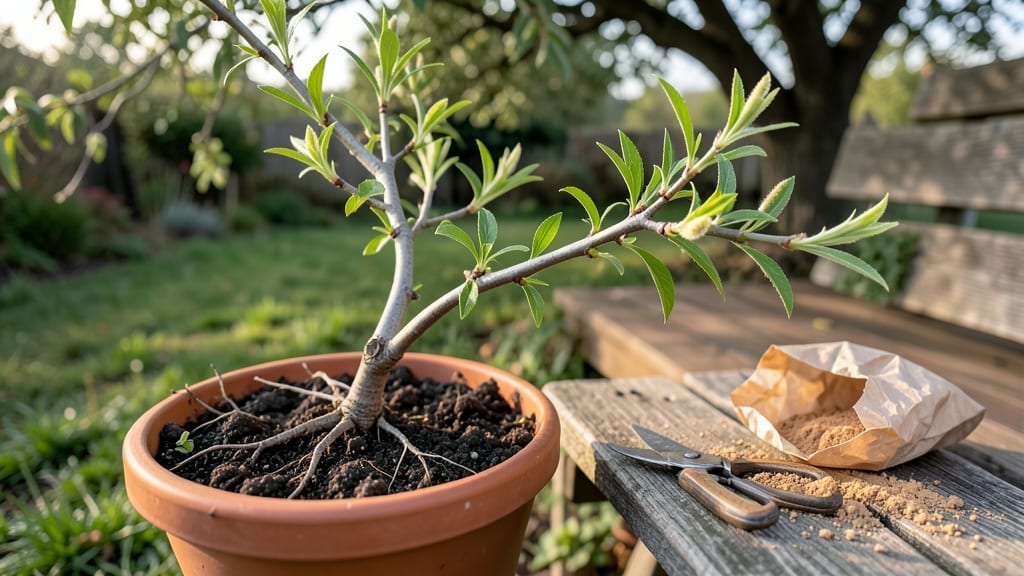
Taking a willow tree cutting can turn a single branch into a new tree—if you do it right. 🌿 Willow cuttings root with surprising ease, but timing and technique make all the difference, especially since these trees grow so aggressively.
I’ve propagated willows in both water and soil, and the results are always faster than expected, though you’ll want to keep an eye on their spread.
The best time is early spring when sap rises, but you can also try it in fall before dormancy. You’ll need sharp pruners, rooting hormone (optional but helpful), and either a jar of water or well-draining soil mix.
Willow cuttings don’t need much—just 4-6 inches of fresh, flexible growth with a few buds—and they’ll start sending out roots within 2-3 weeks.
What you’ll end up with is a thriving young willow, ready to plant in moist soil where it can grow 3-6 feet per year. The roots develop quickly, so you can transplant them once they’ve established a good network.
Just be warned: willows are fast growers, so plan for their eventual size if space is limited.
Whether you’re trying to propagate a favorite willow or just curious about its growth habits, this method works reliably. The key is patience and keeping the cuttings moist until roots form. Let’s get those branches growing!
📚 In This Guide
- What you need
- Instructions
- Tips and common mistakes
- Wrapping up and next steps
What you need
- ● Willow tree cuttings: 6–12-inch-long, pencil-thick stems (preferably from the current year’s growth). Aim for 3–5 healthy cuttings to maximize success.
- ● Rooting hormone: A small bottle (1–2 oz) of powder or gel to boost root development.
- ● Well-draining potting mix: A 5–10 gallon container of perlite, vermiculite, or sand-heavy mix (avoid regular soil—it retains too much moisture!).
- ● Containers: 3–5 small pots (4–6 inches in diameter) with drainage holes OR a shallow tray with drainage.
- ● Pruning shears or sharp knife: Sterilized to make clean cuts and prevent disease.
- ○ Plastic bags or clear plastic wrap: To create a humid environment (optional but helpful for faster rooting).
- ● Watering can or spray bottle: For gentle hydration without over-saturating the cuttings.
- ● Twine or rubber bands: To secure plastic wrap around containers.
- ● Fertilizer: A balanced, water-soluble fertilizer (diluted to half-strength) for post-rooting care.
- ● Humidity dome: A pre-made propagator dome to maintain moisture levels.
- ● Label markers: To track cutting dates and varieties (especially useful if experimenting with different willow types!).
- ● Grow lights: If rooting indoors in low-light conditions, a small LED grow light can give cuttings a boost.
- ● Willow tree reference guide: To identify your specific willow species (e.g., weeping willow vs. pussy willow) for tailored care.
Step-by-step guide to propagating willow tree cuttings
Willow cuttings root with surprising ease—here’s how to turn them into new trees.
🌱 Step 1: Select and Prepare Healthy Willow Branches
Choose 4-6 foot long, pencil-thick branches from a healthy willow tree in late winter or early spring before new growth begins. Look for flexible, greenish-brown stems—they root best. Avoid woody, brittle branches, as they struggle to form roots.
Cut the branches at a 45-degree angle with clean, sharp pruners. Use the bottom 2-3 inches of each branch, where the stem is still tender. Remove any leaves from the lower 6 inches—these will rot underwater and slow rooting. Keep the cuttings in a cool, shaded spot until you’re ready to plant.
💧 Step 2: Stimulate Root Growth with Water
Fill a wide, shallow container (like a bucket or tray) with room-temperature water—deep enough to submerge the lower 4-6 inches of each cutting. Change the water every 2-3 days to prevent bacteria buildup. Place the container in bright, indirect light (no direct sun, which can overheat the water).
You’ll see tiny white roots emerging from the cut ends in 2-4 weeks. Once roots reach 1-2 inches long, the cuttings are ready for planting. If roots grow too long (over 3 inches), trim them slightly before transplanting to avoid breakage.
☀️ Step 3: Plant Cuttings in Moist, Well-Draining Soil
Prepare a sunny planting spot with loose, sandy soil—willows hate soggy roots. Mix 2 parts garden soil with 1 part perlite or coarse sand to improve drainage. Dig holes deep enough to bury half the cutting (about 3-4 inches deep), leaving the top 2-3 inches exposed to sunlight.
Water the soil deeply before planting, then place each cutting in its hole, firming the soil gently around the stem. Space cuttings 3-4 feet apart to allow room for growth. After planting, water lightly to settle the soil—no need for heavy watering yet. Keep the area moist but not soggy for the first 2-3 weeks while roots establish.
🌿 Step 4: Maintain and Encourage Strong Growth
Once planted, willow cuttings need full sun (6+ hours daily) to thrive. Water deeply 2-3 times per week during dry spells, letting the soil dry slightly between waterings. Avoid overwatering—willows are tough but won’t tolerate waterlogged roots.
In 6-12 months, your cuttings will grow into small trees. Prune any weak or crossing branches in early spring to encourage a strong, upright shape. By year two, they’ll be ready for transplanting if needed—or simply left to grow into a lush, fast-growing willow.
Tips & tricks for propagating willow tree cuttings
Here's what nobody tells you about turning those willow branches into thriving trees.
Selection Savvy: When choosing your 4-6 foot branches in late winter or early spring, test flexibility by bending them slightly—they should bend without snapping. I learned this the hard way after struggling with brittle branches that refused to root. Look for stems that are greenish-brown and still plump, not dried out or woody. The bottom 2-3 inches are your goldmine for rooting success, so don't trim them until you're ready to plant.
Rooting Realities: Those 2-4 weeks of water propagation might feel like an eternity, but patience pays off. Change your water every 2-3 days religiously—this prevents bacteria from turning your water into a murky soup that'll kill your cuttings. Place your container in bright, indirect light to avoid overheating the water, which can stress the emerging roots. Once you see white roots about 1-2 inches long, you're ready for the next step—but watch out for roots growing over 3 inches, which can break easily when transplanting.
Soil Secrets: The 2 parts garden soil to 1 part perlite mix is crucial for drainage, but don't skimp on the preparation. Work the perlite into the soil thoroughly—this prevents waterlogging that willows despise. When planting, bury half your cutting (about 3-4 inches) while leaving 2-3 inches exposed. This balance gives roots room to establish while allowing the top to photosynthesize. After planting, that first 2-3 weeks of keeping soil moist but not soggy is critical—think of it as the foundation for your future tree.
Pro Tips for Can You Take A Cutting From A Willow Tree
- Here's what nobody tells you about turning those willow branches into thriving trees.
- Selection Savvy: When choosing your 4-6 foot branches in late winter or early spring, test flexibility by bending the...
- Rooting Realities: Those 2-4 weeks of water propagation might feel like an eternity, but patience pays off. Change yo...
Frequently asked questions
When is the best time to take a willow cutting?
The ideal time is late winter or early spring, just as new growth begins. Willow cuttings root best when the tree is entering its active growing phase. Avoid taking cuttings in extreme heat or drought conditions, as they may struggle to establish roots.
How long does it take for a willow cutting to root?
Willow cuttings are fast rooters! With the right conditions, you can see roots forming in as little as 2-4 weeks. Keep the cutting moist and in indirect light, and you’ll likely notice new growth within a few weeks of planting.
Can I take a cutting from any willow tree?
Most willow varieties (like weeping willow, pussy willow, or crack willow) can be propagated from cuttings. However, avoid taking cuttings from diseased or stressed trees, as they may not root well. Healthy, mature branches yield the best results!
What if my willow cutting isn’t rooting?
If your cutting isn’t rooting after 4-6 weeks, check these common issues: dry soil, poor lighting, or contaminated water. Try adjusting humidity, using rooting hormone, or replanting in fresh, well-draining soil. Patience is key—willows can be finicky!
Are there alternatives if my cutting fails?
Yes! If rooting fails, consider layering (bending a low branch to the ground and covering it) or buying a young willow tree from a nursery. Willow seeds are also an option, though they take longer to grow. Each method has its pros—experiment to see what works best!
Wrapping up and next steps
Taking a cutting from a willow tree is a rewarding way to propagate this fast-growing, versatile plant—whether for privacy screens, erosion control, or artistic projects! 🌿 With the right timing, tools, and care, your cuttings can thrive and root successfully. Don’t hesitate to experiment, as willows are forgiving and adaptable.
Ready to grow? Start by gathering your supplies, following the steps above, and keep an eye on your cuttings. Once they’ve rooted, transplant them into soil and watch your willow tree flourish! 🌱 Happy propagating!