
Pruning
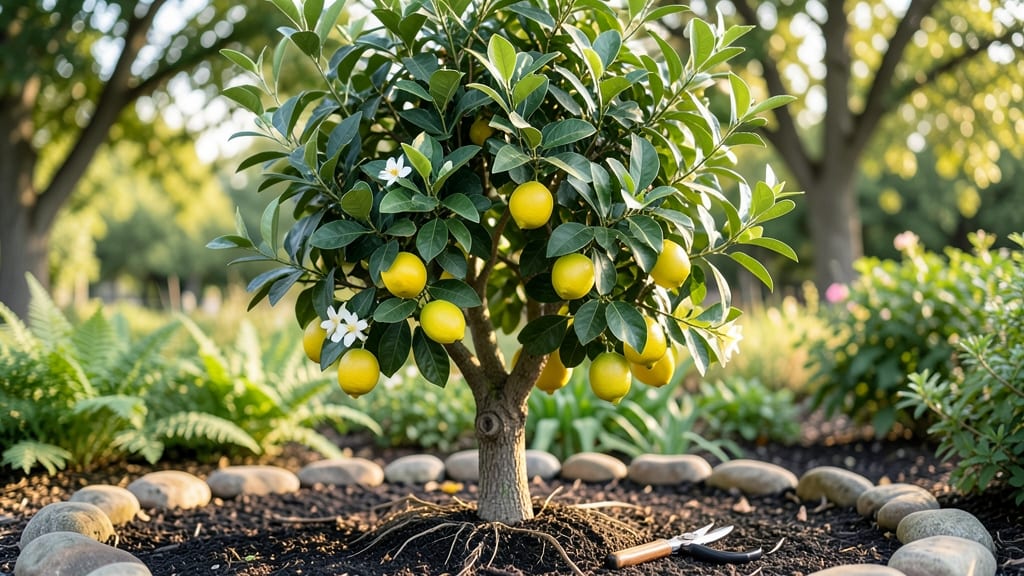
Growing a cedro lemon tree means year-round lemons if you master the pruning game. 🌿 I’ve watched mine go from a scraggly sapling to a fruit-loaded beauty by focusing on strategic cuts—something most gardeners overlook. The key isn’t just trimming; it’s shaping the tree to balance growth and harvest.
This variety thrives in USDA Zones 9-11 but can survive colder snaps with protection. Well-draining soil and 6+ hours of sun daily set the stage, while regular pruning keeps it compact and productive. My tree now yields dozens of lemons even in winter, thanks to a simple routine I’ll share.
You’ll end up with glossy, fragrant leaves and a steady stream of fruit—perfect for fresh juice or preserves. The tree’s glossy foliage even adds curb appeal, making it a dual-purpose star. Let’s get your cedro lemon tree producing like a pro.
Whether you’re in a warm climate or a container setup, these tips adapt easily. The secret is patience—your tree will reward you with bold, sweet lemons that outshine store-bought any day.
📚 In This Guide
- What you need
- Instructions
- Tips and common mistakes
- Wrapping up and next steps
What you need
- ● Pruning shears: Sharp, bypass-style shears (for clean cuts) or anvil-style for thicker branches. Size: 6–8 inches.
- ● Loppers: For branches ½–1½ inches thick. Look for ratcheting or bypass types for precision.
- ● Pruning saw: Curved-tooth saw for branches 1½+ inches thick.
- ● Disinfectant (70% isopropyl alcohol or bleach solution): To sterilize tools between cuts and prevent disease.
- ○ Garden gloves: Cut-resistant gloves (optional but recommended for thorns!).
- ● Rubbing alcohol or hydrogen peroxide: For cleaning wounds on the tree.
- ● Twine or zip ties: To secure branches if needed during heavy pruning.
- ● Extension pole: For high branches (attach shears/loppers to reach safely).
- ● Ladder: Sturdy, non-slip ladder (3–4 ft tall for small trees; taller for mature ones).
- ● Marking spray: Water-soluble paint to tag branches for removal.
- ● Compost bin or bag: To collect pruned branches for mulch or disposal.
- ● Sunscreen & hat: Because pruning in the sun? Not ideal! Schedule for early morning or late afternoon.
- ● Know your tree’s age and size—young cedro lemons (Citrus × meyeri ‘Cedro’) need lighter trims than mature ones.
- ● Check the season: Prune in late winter/early spring (before new growth) or summer (after harvest) for best results.
- ● Have a clear plan: Sketch or mentally map out which branches to trim for airflow and fruit access.
How to prune a cedro lemon tree for continuous fruit production
Pruning isn't just about shaping—it's the secret to year-round harvests.
✂️ Step 1: Time Your Pruning for Maximum Fruit Set
Prune your cedro lemon tree in late winter or early spring, just as new growth begins. This timing ensures you remove last year's dormant wood while stimulating fresh, fruiting branches. Avoid pruning during flowering or fruiting periods—you'll sacrifice current harvests for future ones. I like to wait until I see the first pale green buds along the branches; that's your cue the tree is waking up.
If you missed the window, late summer is your second-best option. Just be prepared for a smaller harvest that season. The key is to never prune when flowers are already open or fruit is forming. That's when the tree directs all its energy into reproduction, leaving no reserves for new growth.
🌿 Step 2: Remove Dead and Overlapping Branches First
Start with dead, diseased, or crossing branches—these are your tree's energy vampires. Use clean, sharp pruners to make cuts just above a leaf node or outward-facing bud. I always cut at a 45-degree angle about ¼ inch above the bud to prevent water from pooling. This encourages faster healing and reduces rot risk.
Next, remove any branches growing straight inward—they'll compete with each other for sunlight and nutrients. Thin the canopy so light penetrates to the inner branches, which is where your next flush of fruit will develop. You'll know you're doing it right when you can see sunlight filtering through to the center of the tree after pruning.
☀️ Step 3: Shape for Airflow and Light Penetration
Step back and visualize your tree's open-center shape. Cedro lemons thrive when they get 6-8 hours of direct sun daily, and proper pruning ensures that. Start by removing suckers (those vigorous shoots at the base) and water sprouts (thin, vertical growth). These steal energy from fruit production.
For the main branches, cut back overly long limbs by ⅓ to encourage bushier growth. Make your cuts just above a leaf node where a side branch or bud is growing outward. Avoid leaving stubs—this invites disease. After shaping, your tree should look like an umbrella with an open center, not a dense ball. This airflow prevents fungal issues and keeps fruit quality high.
⏰ Step 4: Post-Pruning Care for Rapid Recovery
Water deeply right after pruning to help the tree recover. The top 6 inches of soil should be moist but not soggy. I like to add a balanced citrus fertilizer (10-10-10) at half strength to give the tree a nutrient boost. This is also the perfect time to mulch with 2-3 inches of organic matter to retain moisture and regulate soil temperature.
Watch for new growth within 4-6 weeks. Healthy cedro lemon trees will sprout bright green, tender shoots from the pruned areas. If you don't see new growth by then, your cuts may have been too severe. Next time, aim for lighter pruning—cedro lemons are resilient but not aggressive regrowers like some citrus varieties.
Tips & tricks for perfect cedro lemon tree pruning
Here's what nobody tells you about maximizing your cedro lemon's fruit production—these details make all the difference.
Timing Secret: The late winter/early spring window isn't just about avoiding frost—it's about catching that perfect moment when your tree's sap begins flowing. Look for those pale green buds as your cue: they signal the tree is waking up from dormancy and ready to respond to pruning. If you prune too early, you risk damaging tender new growth; too late, and you'll interrupt the flowering cycle that leads to fruit set.
Cutting Technique That Changed Everything: When making your cuts in Step 2, imagine you're creating a tiny roof over each bud. That 45-degree angle and ¼-inch clearance above the leaf node aren't arbitrary—they create a natural water runoff path that prevents rot. I've seen pruning wounds fester when these details are ignored, so take your time here. And always use sterilized pruners to avoid introducing pathogens.
Visual Cue for Success: After shaping in Step 3, your goal should be to see sunlight dancing through the center of the tree like a dappled forest floor. This isn't just aesthetic—it's functional. Inner branches need that light to develop fruit-bearing wood. If you're still seeing dense foliage blocking light in the center, you haven't thinned enough. Remember, cedro lemons produce fruit on new wood, so you're essentially sculpting next season's harvest.
Post-Pruning Recovery Strategy: That deep watering after pruning isn't just about hydration—it's about signaling to the tree that it's time to focus on recovery. The 6-inch soil moisture target ensures roots aren't shocked while still preventing waterlogging. I've found that adding a handful of citrus-specific fertilizer (like 10-10-10) at half strength gives the tree just enough boost without overwhelming it. Think of it as giving your tree a post-surgery smoothie.
Pro Tips for Cedro Lemon Tree
- Here's what nobody tells you about maximizing your cedro lemon's fruit production—these details make all the difference.
- Timing Secret: The late winter/early spring window isn't just about avoiding frost—it's about catching that perfect m...
- Cutting Technique That Changed Everything: When making your cuts in Step 2, imagine you're creating a tiny roof over ...
Frequently asked questions
Got questions about growing and maintaining your cedro lemon tree? You’re not alone!
Here are answers to the most common queries—from pruning tips to troubleshooting—so you can keep your tree thriving year-round.
How often should I prune my cedro lemon tree for maximum fruit production?
Prune your cedro lemon tree 2-3 times a year: lightly in late winter (to shape and remove dead wood), after harvest (to encourage new growth), and lightly in summer (to control size). Avoid heavy pruning during flowering or fruiting—focus on selective trims to maintain airflow and sunlight exposure. Over-pruning can stress the tree and reduce fruit yield!
Can cedro lemon trees survive cold winters? What’s the ideal temperature range?
Cedro lemon trees are tropical/subtropical and thrive in USDA Zones 9-11 (avg. temps: 25–35°F minimum). Below 20°F, damage occurs—protect young trees with frost cloth or move potted trees indoors. Mature trees may recover, but preventive measures (like mulching) help. If you’re in colder zones, grow them in containers for mobility!
Why aren’t my cedro lemons ripening? Is it a pruning or care issue?
Unripe cedro lemons often signal nutrient imbalance, water stress, or poor sunlight. Check these fixes:
- Sunlight: Ensure 6+ hours of direct sun daily—partial shade slows ripening.
- Water: Keep soil consistently moist but well-drained (overwatering causes fruit drop!).
- Fertilizer: Use a citrus-specific fertilizer (high in nitrogen early, potassium later) every 4–6 weeks.
- Pruning: Avoid heavy trims during flowering—focus on thinning dense growth to redirect energy to fruit.
Are cedro lemon trees self-pollinating? Do I need more than one plant?
Yes! Cedro lemon trees are self-pollinating, so one tree can produce fruit. However, planting two nearby (even different citrus varieties) can boost yield by cross-pollination. Bees and wind handle pollination, but hand-pollinate (gently shake branches) if indoors or in low-bee areas for extra insurance.
My cedro lemon tree’s leaves are yellowing—what’s wrong?
Yellow leaves usually mean overwatering, nutrient deficiency, or root rot. Try this quick troubleshooting guide:
Symptom
Likely Cause
Fix
Yellow edges on older leaves
Overwatering or poor drainage
Let soil dry slightly between waterings; improve drainage with perlite.
Yellow new leaves + stunted growth
Nitrogen deficiency
Fertilize with balanced citrus food (e.g., 6-6-6 NPK).
Mushy stems + foul smell
Root rot (fungal)
Act fast! Trim infected roots, repot in fresh soil, and avoid overwatering.
Pro Tip: Always check the soil moisture before watering—stick your finger 2 inches deep. If dry, water; if damp, wait.
Wrapping up and next steps
Mastering the art of pruning your cedro lemon tree unlocks a treasure trove of year-round fruit abundance! 🍋 With the right tools, timing, and techniques—like strategic trimming and encouraging new growth—you’ll transform your tree into a citrus powerhouse.
Remember, patience and consistency are key, and soon you’ll be reaping lemons even in cooler months.
Ready to take the next step? Grab your pruners and start shaping your tree today! Whether you’re a seasoned gardener or just beginning, every trim brings you closer to that juicy, homegrown harvest. Happy pruning! 🌱✂️