
Pruning
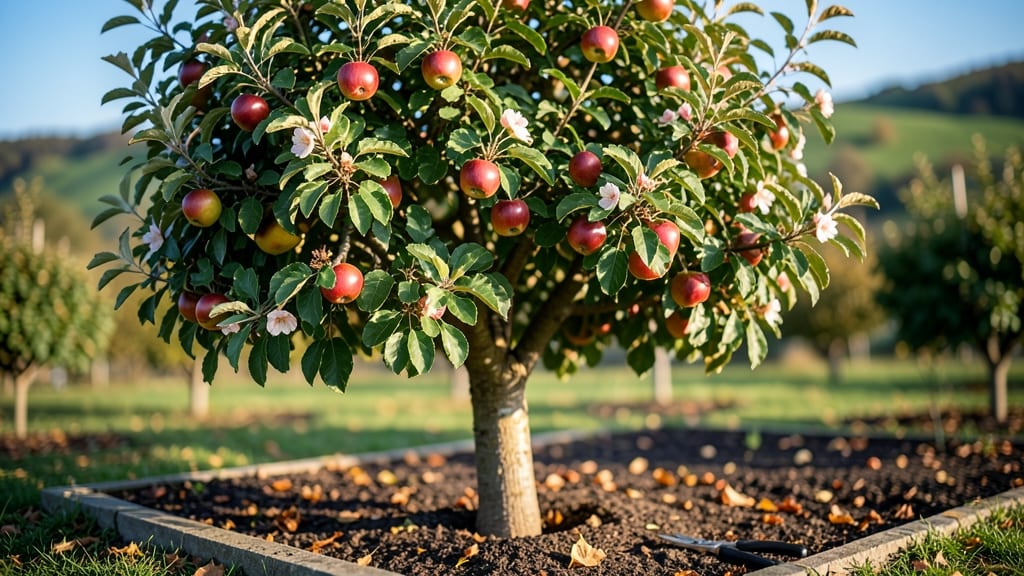
Growing a Honecrisp apple tree means crisp, sweet-tart apples that become the star of your fall harvest—and maybe even a few unexpected surprises in winter. 🍏 I planted mine five years ago after struggling with mealy store-bought apples, and now I get more fruit than I know what to do with.
The secret isn’t just good soil or watering—it’s knowing when and how to prune to keep the tree productive year-round.
The tree thrives in zones 4-8 with full sun and well-drained soil, but the real magic happens in late winter when you prune. I learned the hard way that skipping this step leads to crowded branches and fewer apples.
With the right cuts—opening the center for airflow, removing dead wood, and shaping for sunlight—your tree will reward you with bigger, juicier fruit and fewer pest problems. Even beginners can master this with a few key techniques.
By summer, you’ll be harvesting apples so crisp they practically sing when you bite into them. The Honecrisp’s signature sweet-tart flavor makes it perfect for snacking, baking, or cider—just don’t expect to pick them all at once.
Some will ripen early, others late, giving you a staggered harvest that lasts weeks. The best part? A well-pruned tree keeps producing for decades, turning your backyard into a fruit factory.
Whether you’re a first-time grower or a seasoned gardener, this guide covers everything from site prep to winter care. We’ll tackle pests, diseases, and even how to store your harvest so those apples stay fresh through the holidays.
Let’s get your Honecrisp tree set up for success—your future self (and your taste buds) will thank you.
📚 In This Guide
- What you need
- Instructions
- Tips and common mistakes
- Wrapping up and next steps
What you need
- ● Pruning shears: Bypass shears (sharp, 6–8" blades) for clean cuts on small branches.
- ● Loppers: 8–10" bypass loppers for thicker branches (up to 2" diameter).
- ● Pruning saw: Curved-tooth saw for branches >2" in diameter.
- ● Disinfectant (70% isopropyl alcohol or bleach solution): 1 part bleach to 9 parts water.
- ● Gloves: Heavy-duty work gloves (cut-resistant for safety).
- ○ Pruning sealant (optional but recommended): Tree wound paint (e.g., Tanglefoot Tree Wound Pruning Seal).
- ● Ladder or step stool: Sturdy, extendable for tall trees (ensure 4:1 safety ratio).
- ● Tarp or drop cloth: 10’x10’ to catch debris (or a wheelbarrow for transport).
- ● Pole pruner: Extendable for high branches (10–12’ reach).
- ● Pruning rope or zip ties: For temporary branch support during healing.
- ● Tree spray (fungicide/bactericide): Copper-based or neem oil spray for disease prevention.
- ● GPS or laser level: For precise angle cuts (advanced pruners only!).
- ● Notebook & pencil: To sketch your tree’s structure post-pruning.
Step-by-step pruning guide for your Honecrisp apple tree
Master these techniques and your tree will reward you with crisp, flavorful fruit for years.
✂️ Step 1: Prune for Structure in Late Winter
Start your pruning in late winter—just before buds swell—when the tree is still dormant. This is the best time because you can see the tree's natural shape clearly without leaves blocking your view. Use sharp, clean pruning shears to make cuts at a 45-degree angle about ¼ inch above a bud or branch collar.
Remove any dead, diseased, or crossing branches first. These are easy to spot—they'll be brown, brittle, or rubbing against other branches. I always start at the center of the tree and work my way outward. This keeps the tree open and allows sunlight and air to reach all parts of the canopy, which is crucial for fruit development.
Look for suckers—those vigorous shoots growing from the base or trunk—and cut them off at the base. Suckers compete with the main tree for nutrients, so removing them early gives your fruit-bearing branches a head start. Aim to create an open center with well-spaced branches that allow sunlight to penetrate to the inner parts of the tree.
☀️ Step 2: Thin Out Fruit Spurs in Early Spring
Once the tree is in full bloom and you can see the small fruit spurs forming, it's time for thinning. This step is all about quality over quantity. Honecrisp apples need space to grow large and sweet, so thin out clusters to leave only one or two apples per spur. Use your fingers or small pruning shears to gently twist and remove excess fruit.
Focus on removing smaller or misshapen apples first. You'll know you're doing it right when you see clusters with evenly spaced apples that aren't crowded. This thinning also reduces the risk of disease, as overcrowded fruit traps moisture and invites fungal infections. I like to do this in early spring when the fruit is still small—it's easier on the tree and gives you better control.
Real talk: This step takes patience. I always set a timer for 20 minutes and work in short bursts. It's easy to get frustrated, but remember, the goal is to give your Honecrisp apples the best chance to reach their full potential. Watch for new growth in the following weeks—this is your signal that the tree is responding well to the pruning.
🌿 Step 3: Summer Pruning for Airflow and Light
Mid-summer is the time to do light pruning to improve airflow and sunlight exposure. Look for branches that are growing inward or rubbing against each other—these need to go. Use your pruning shears to make clean cuts just above a bud or branch collar. This step helps prevent disease and ensures your apples get the sunlight they need to develop that signature crisp texture.
Pay attention to water sprouts—those long, thin shoots that grow straight up. These are energy vampires, stealing nutrients from the fruit. Snip them off at the base. You'll also want to remove any suckers that have appeared since your winter pruning. These fast-growing shoots can overwhelm the tree if left unchecked.
Here's the thing—summer pruning is less about shaping and more about maintenance. I like to do this on a dry, sunny day when the tree is well-hydrated. After pruning, give the tree a deep watering to help it recover. You'll notice new growth starting in the following weeks, and your tree will look fuller and healthier by fall.
⏰ Step 4: Final Pruning Before Dormancy
In late fall, after the leaves have dropped but before the first hard frost, do a final light pruning. This is your chance to tidy up any remaining dead or diseased branches and remove any fruit that didn't make it through the season. Use your pruning shears to make clean cuts, just as you did in the winter.
Now is also the time to check for any weak or crossing branches that you might have missed earlier. These can cause problems over the winter, so it's better to remove them now. I always take a step back and look at the tree from all angles to ensure it has a balanced shape. A well-balanced tree is less likely to suffer from storm damage and produces better fruit.
After your final pruning, give the tree a deep watering and apply a 2-3 inch layer of mulch around the base (but not touching the trunk). This helps protect the roots over the winter and keeps the soil moist. Your Honecrisp apple tree will thank you with a bountiful harvest next season.
Tips & tricks for perfect Honecrisp apple tree care
These simple strategies will help you maintain a healthy, productive Honecrisp apple tree that yields fruit year after year.
Tool Prep Matters: Always sanitize your pruning shears with rubbing alcohol before each use—this prevents spreading disease between cuts. I also recommend sharpening your blades annually to make clean cuts that heal faster. Dull tools crush branches, creating larger wounds that invite infection. Store your shears in a dry place to prevent rust.
Seasonal Timing Secret: The 20-minute thinning session in early spring is your best friend for quality fruit. I've found that working in short bursts prevents hand fatigue and keeps you focused on precision. If you notice new growth appearing within a week, that's your tree's way of saying "thank you!" for the extra space and nutrients.
Visual Pruning Cues: In Step 3, look for branches with leaves that don't fully touch the ground when extended—these indicate good sunlight exposure. For water sprouts, they'll appear as pencil-thin shoots growing straight up from the trunk or scaffold branches. These need immediate removal as they drain energy from fruit production.
Mulch Application Tip: When adding that 2-3 inch layer of mulch in late fall, create a donut shape around the tree—leave a 6-inch gap around the trunk to prevent rot. I use shredded bark mulch because it breaks down slowly, improving soil structure over time. This also helps regulate soil temperature and retain moisture during dry spells.
Pro Tips for Honecrisp Apple Tree
- These simple strategies will help you maintain a healthy, productive Honecrisp apple tree that yields fruit year afte...
- Tool Prep Matters: Always sanitize your pruning shears with rubbing alcohol before each use—this prevents spreading d...
- Seasonal Timing Secret: The 20-minute thinning session in early spring is your best friend for quality fruit. I've fo...
Frequently asked questions
When is the best time to prune a Honecrisp apple tree?
The ideal time to prune is late winter or early spring (before buds swell) to avoid disease spread. Light pruning can also happen in summer to shape the tree and improve airflow. Avoid heavy pruning in fall—it can stress the tree and invite pests.
How much should I prune my Honecrisp apple tree each year?
Remove 15–25% of the tree’s total growth annually to maintain health. Focus on dead, diseased, or crossing branches first. Thin out crowded areas to boost airflow and fruit production. Over-pruning (more than 30%) can weaken the tree.
What pests or diseases should I watch for in a Honecrisp apple tree?
Common issues include apple scab, codling moths, and aphids. Prevent scab with copper fungicide in spring. Trap codling moths with pheromone lures, and blast aphids off with water. Regular pruning reduces hiding spots for pests—keep the center open!
How long does it take for a Honecrisp apple tree to bear fruit?
With proper care, expect 3–5 years before your tree produces fruit. Young trees need patience—focus on watering, pruning, and soil health to speed up maturity. Dwarf varieties may fruit slightly sooner (2–4 years).
Can I grow a Honecrisp apple tree in a container?
Yes! Choose a large, sturdy pot (at least 20 gallons) with drainage holes and use well-draining soil. Dwarf or semi-dwarf varieties work best. Move the container to full sun and water consistently. Just know: container-grown trees may need more frequent pruning to control size.
Pro Tip:
Label your pruning cuts with waterproof tape to track growth patterns. This helps you identify productive vs. non-productive branches—key for maximizing your Honecrisp harvest!
Wrapping up and next steps
Growing a Honecrisp apple tree is a rewarding journey that blends patience, skill, and a little science—especially when it comes to pruning! 🌳 With the right tools, timing, and techniques, you’ll unlock a year-round harvest of crisp, sweet apples that’ll make your neighbors green with envy.
Remember, healthy trees yield the best fruit, so stay consistent with your pruning routine and monitor your tree’s growth.
Ready to take the next step? Start small—whether it’s pruning just one branch or planning your full orchard layout. Your future harvests depend on the care you invest today! Grab your shears, roll up your sleeves, and get growing! 🍏✨