
Size
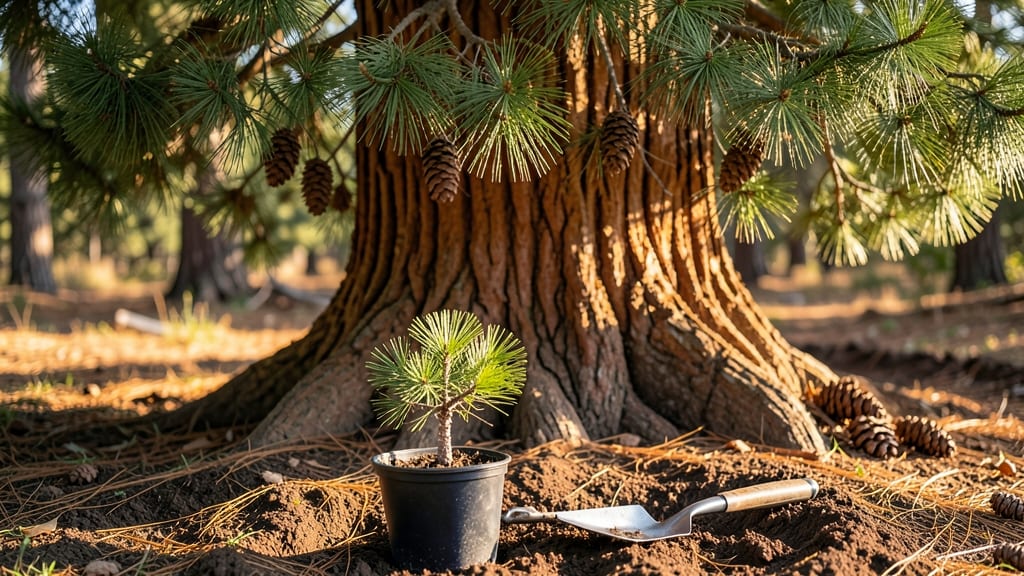
Growing sequoia trees from tiny seeds feels like planting a time capsule—because these giants take decades to reveal their true nature. 🌲 My first attempt with a Sequoia sempervirens seedling taught me patience isn't just a virtue; it's the secret ingredient for success with these legendary trees.
The real magic happens in the soil and sunlight. Sequoias need well-draining, slightly acidic soil mixed with compost, plus full sun for at least 6 hours daily—no shortcuts here. In their first year, keep the soil consistently moist but never soggy, as their shallow roots hate waterlogged conditions.
By year three, you'll see 3-5 feet of growth if conditions are perfect, though most take 10-15 years just to reach head height. The payoff? A living monument that outlives most gardeners—some sequoias live over 2,000 years. That's not just a tree; it's a legacy.
Fair warning: These aren't backyard shrubs. Even young sequoias need 20+ feet of space, making them perfect for estates or public parks. But if you have the room, there's nothing like watching a forest giant grow from a seedling you nurtured.
📚 In This Guide
- What you need
- Instructions
- Tips and common mistakes
- Wrapping up and next steps
What you need
- ● Sequoia seeds: 10–20 fresh, viable seeds (from a trusted supplier or local nursery). 💡 Pro tip: Stratify seeds for 30–60 days in a damp paper towel in the fridge to break dormancy!
- ● Seed-starting mix: 1–2 gallons of sterile, well-draining potting soil (look for a blend labeled for conifers or seedlings).
- ● Seedling pots: 4–6 small (3–4 inch) biodegradable pots or plastic nursery trays with drainage holes.
- ● Grow lights or sunny windowsill: A full-spectrum LED grow light (12–16 hours/day) or a south-facing window with bright, indirect light.
- ● Misting spray bottle: For gentle hydration without disturbing seeds.
- ● Humidity dome or plastic wrap: To maintain 80–90% humidity during germination.
- ● pH test kit: To ensure soil pH is 5.0–7.0 (ideal for sequoias).
- ● Fertilizer: Balanced, slow-release fertilizer (e.g., 10-10-10) or a conifer-specific nutrient for seedlings.
- ● Planting site: A sunny, sheltered location with well-draining soil (sequoias hate soggy roots!).
- ● Space: At least 10–15 feet between seedlings (they’ll grow tall fast!).
- ● Mulch: 3–4 inches of organic mulch (wood chips or pine straw) to retain moisture and regulate soil temp.
- ● Watering can or hose: With a gentle spray nozzle to avoid damaging tender seedlings.
- ● Heating mat: For faster germination (set to 70–75°F).
- ● Soil moisture meter: To monitor water levels without over-saturating.
- ● Tree guards: For young saplings to protect against critters or harsh winds.
- ● Compost or worm castings: To boost soil fertility naturally.
Step-by-step instructions for growing sequoia trees from seed
Here's how I turn those tiny sequoia seeds into towering giants—patience and precision are key.
🌱 Step 1: Stratify Seeds to Break Dormancy
Sequoia seeds need cold treatment to germinate. Place them in a sealed plastic bag with a damp paper towel and refrigerate for 90-120 days at 35-40°F. Check weekly—they should stay moist but not soggy. I like to label the bag with the date so I don’t forget.
This cold period mimics winter in their natural habitat. Without it, seeds might never sprout. After stratification, you’ll see the first sign of life when the seed coat cracks open—usually within 2-4 weeks of removing them from cold storage.
💧 Step 2: Plant Stratified Seeds in Moist, Well-Draining Soil
Fill a 4-inch deep container with a mix of 50% peat moss and 50% perlite—this keeps roots aerated while holding moisture. Plant seeds ¼ inch deep, spacing them 1 inch apart in the container. Sequoias don’t like competition, so avoid overcrowding.
Water gently until the surface feels damp but not wet. A spray bottle works best—too much force can bury seeds too deep. Place the container in a shady spot (indirect light only) until germination begins. You’ll know it’s working when tiny green shoots push through the soil in 4-8 weeks.
☀️ Step 3: Provide Gradual Light and Humidity
Once seedlings emerge, move them to bright, indirect light for 8-12 hours daily. Direct sun now will scorch their delicate leaves. I use a grow light on a timer to simulate natural daylight cycles—sequoias need consistency.
Keep humidity high by grouping pots together or using a humidity dome. Sequoias thrive in 60-70% humidity, so mist the air around them daily. Watch for yellowing leaves—they’re a sign of either too much light or not enough moisture. Adjust as needed.
🪴 Step 4: Transplant to Larger Pots When Ready
After 6-12 months, when seedlings reach 6-12 inches tall, repot them into 6-inch pots with fresh peat-perlite mix. Handle roots gently—sequoias are sensitive to disturbance. I always water them thoroughly before transplanting to reduce shock.
Place them in a sheltered outdoor spot during the day (if temperatures stay above 50°F) and bring them back inside at night. This gradual acclimation prevents cold damage. By their second year, they’ll need full sun for 4-6 hours daily to strengthen their trunks.
⏰ Step 5: Maintain Slow, Steady Growth
Sequoias grow slowly—expect only 6-12 inches per year in their early years. Fertilize lightly in spring with a balanced 10-10-10 mix (½ teaspoon per pot). Over-fertilizing causes weak, leggy growth. Water deeply once a week, letting the top 2 inches of soil dry out between waterings.
Prune only to remove dead or damaged branches. These giants don’t need shaping—they grow best when left to their natural form. With time, your tiny seedlings will become the backbone of your forest—just give them space, patience, and the right conditions.
Tips & tricks for growing healthy sequoia trees
Real talk: Growing sequoias from seeds is more about patience than technique—these giants take their time. Here's what I've learned to avoid common pitfalls and give your seedlings the best start.
Stratification Success: Don't skip the cold treatment—this is non-negotiable for sequoia seeds. I've tried planting fresh seeds without stratification, and they simply won't germinate. For extra insurance, you can even extend the 90-120 days to 120-150 days if you're in a hurry to see results. Just keep that damp paper towel moist but not dripping, and check weekly.
Soil Mix Secrets: The 50% peat moss and 50% perlite ratio is perfect for aeration, but don't overlook the importance of sterilizing your soil mix first. Microwave it in a sealed bag for 2 minutes to kill any pathogens that could harm your delicate seedlings. This simple step has saved me from multiple failed batches.
Light Transition Strategy: Moving from shady spots to bright indirect light is critical. I recommend a two-week transition period where you gradually increase light exposure. Start with just 4 hours of indirect light daily, then increase by 2 hours every few days until reaching the full 8-12 hours. This mimics natural forest conditions where seedlings gradually emerge from under the canopy.
Transplanting Timing: When you're ready to move your 6-12 inch seedlings to 6-inch pots, do it on a cloudy day or in the late afternoon. This reduces transplant shock from direct sunlight. I've found that seedlings transplanted in the morning often wilt by evening if moved directly to full sun. Give them a week of gentle care afterward with daily misting to help them recover.
Pro Tips for Grow Sequoia Trees
- Real talk: Growing sequoias from seeds is more about patience than technique—these giants take their time. Here's wha...
- Stratification Success: Don't skip the cold treatment—this is non-negotiable for sequoia seeds. I've tried planting f...
- Soil Mix Secrets: The 50% peat moss and 50% perlite ratio is perfect for aeration, but don't overlook the importance ...
Frequently asked questions
Got questions about growing these towering giants?
Here are answers to the most common ones—so you can start your sequoia journey with confidence!
Can I grow a sequoia tree in my backyard?
Sequoias thrive in specific conditions: full sun, well-draining soil, and plenty of space (they can reach 300+ feet tall!). If your yard has clay-heavy soil or poor drainage, consider a dwarf variety like Sequoiadendron giganteum 'Pendulum' or plant in a large container (with winter protection). Always check local frost dates—sequoias hate cold snaps!
How long does it take for a sequoia seed to sprout?
Patience is key! Sequoia seeds can take 2–4 weeks to germinate indoors (keep soil moist and warm, ~70°F). Outdoors, germination may take longer—even months—due to cooler temps. Pro tip: Soak seeds in water for 24 hours before planting to speed things up. Note: Some seeds may not sprout at all—sequoias have a low germination rate!
Do sequoia trees need special soil?
Yes! They prefer acidic, well-draining soil (pH 5.0–6.5) rich in organic matter. Avoid heavy clay or soggy ground—their roots hate waterlogged conditions. Mix compost or peat moss into native soil for better drainage. For containers, use a blend of pine bark, perlite, and potting soil. Bonus: Mulch with wood chips to mimic their natural forest floor!
What pests or diseases should I watch for?
Sequoias are generally tough, but watch for:
- Root rot (from overwatering)—fix by improving drainage.
- Spider mites or aphids (rare but possible)—spray with water or neem oil.
- Fungal issues (like Phytophthora)—keep soil aerated and avoid wet foliage.
If leaves turn yellow or drop, check for overwatering or nutrient deficiencies. Prevention: Healthy soil = happy trees!
Can I grow a sequoia from a cutting instead of a seed?
Not easily! Sequoias rarely root from cuttings—they’re difficult to propagate this way. Your best bet is seeds or buying a young sapling from a nursery. If you’re determined, try air-layering (a advanced technique) with a mature branch, but success rates are low. Alternative: Grafting (for dwarf varieties) is another option, but seeds are simplest for beginners!
Wrapping up and next steps
Growing a sequoia tree is a rewarding journey that combines patience, care, and a deep connection with nature. 🌱 From selecting the right seeds to nurturing them in ideal conditions, every step brings you closer to nurturing a future giant. Remember, even the mightiest trees start as tiny seeds—your dedication today could shape a legacy for generations!
Ready to take the next step? Start small:
- Order seeds from a trusted supplier and plant them this season.
- Join local gardening or conservation groups for tips and support.
- Document your progress—it’s a journey worth celebrating!