
Pruning
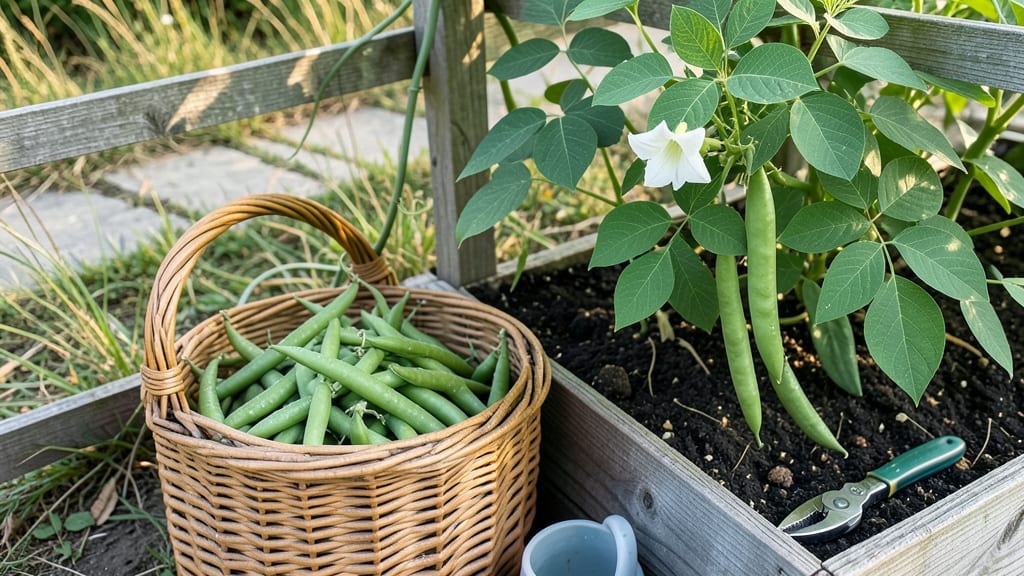
Pruning your ice cream bean tree in Florida unlocks a year-round harvest of sweet, vanilla-scented pods that taste like dessert. 🌿 I've learned the hard way that aggressive trimming in summer can stress the tree, while strategic cuts in late winter encourage new growth just as the heat ramps up—exactly when you want those pods forming.
The key is working with Florida’s climate: this tree thrives in zones 10-11, where it grows wild and fast, but needs light pruning every 3-4 months to prevent leggy branches. Start with just 20% of the canopy at a time, focusing on crossing branches and dead wood.
The tree’s natural resistance to pests means you’ll rarely need pesticides—just sharp shears and a clear day.
What you’ll end up with is a shade-providing powerhouse that produces pods from early spring through fall, with proper pruning. The pods ripen to a creamy texture that’s perfect for fresh eating or blending into smoothies.
Plus, the tree’s nitrogen-fixing roots improve your soil over time—Florida’s sandy soils love the boost.
One thing to watch: Florida’s invasive species laws sometimes restrict ice cream bean trees. Always check with your county extension office before planting. For those in the clear, this tree is a low-maintenance superstar that rewards patience with both beauty and snacks.
📚 In This Guide
- What you need
- Instructions
- Tips and common mistakes
- Wrapping up and next steps
What you need
- ● Pruning shears or loppers – Bypass pruners (sharp, 6-8" blades) for small branches; loppers (8-12" blades) for thicker stems (up to 2" diameter).
- ● Hand pruners (felco or comparable) – For precise cuts on thin, new growth (1/4"–1" diameter).
- ● Pruning saw – For branches thicker than 2" (avoid bolt cutters—they crush wood).
- ● Disinfectant (70% isopropyl alcohol or bleach solution) – 1 part bleach to 9 parts water (sterilizes tools between cuts).
- ● Gloves (cut-resistant & durable) – Heavy-duty leather or nitrile-coated for thorn protection.
- ○ Tree wound sealant (optional but helpful) – Pruning paste with sulfur or beeswax to prevent disease entry.
- ● Ladder or extension pole – For safe access to higher branches (aluminum or fiberglass for safety).
- ● Heavy-duty trash bags or compost bin – For collecting pruned branches (Florida’s composting rules apply!).
- ● Timing knowledge – Prune during dormant season (late winter/early spring) or right after harvest to avoid stressing the tree.
- ● Weather check – Wait for dry, mild days (avoid pruning in Florida’s humid heat or rainy season).
- ● Tree health assessment – Inspect for pests (e.g., scale insects) or fungal signs (black spots, oozing sap) before pruning.
- ● Local regulations (if applicable) – Check Florida’s FDACS guidelines if your tree is near a water body or in a conservation area.
How to prune your ice cream bean tree for year-round harvests in Florida
Here's the Florida-friendly approach I've perfected over years of growing these tropical treats.
🌿 Step 1: Identify the Right Time for Pruning
Prune your ice cream bean tree during Florida's dormant season, which typically runs from late fall through early spring (November through March). This timing avoids stressing the plant during peak growing months when it's already producing pods. Look for the visual cue of new growth slowing down—leaves won't be as vibrant, and you might notice some yellowing on older foliage.
I always wait until after any late-season frost risk has passed, usually around mid-February in most of Florida. The tree will already have shed some lower leaves naturally, which is your signal that it's ready for a good trim. Never prune when pods are forming—you'll sacrifice your harvest.
✂️ Step 2: Remove Dead or Diseased Wood First
Start by cutting out any branches that show signs of disease (black spots, oozing sap) or are completely dead (no green leaves, brittle wood). Use clean, sharp pruning shears to make 45-degree cuts just above a leaf node or outward-facing bud. This prevents water from pooling on the cut surface, which can lead to rot.
I like to work from the bottom up, removing any crossing branches first. These compete for energy and can create entry points for pests. You'll know you're doing it right when you see clean cuts and notice how much more air can circulate through the tree's center. This step alone improves your tree's overall health and productivity.
☀️ Step 3: Shape for Better Light Penetration
Next, focus on opening up the tree's canopy to let sunlight reach all parts of the plant. Remove any branches growing inward toward the center or downward. Aim to create an open, vase-like shape that allows light to penetrate to the lower branches where pods develop. I usually remove about 20-30% of the total foliage during this shaping process.
Watch for branches that are growing too close together—they'll compete for resources. You'll see this as thinner growth and fewer pods in crowded areas. For each cut, make sure it's at a natural branch junction where new growth can emerge. This encourages bushier growth that produces more pods.
🌱 Step 4: Encourage New Growth with Strategic Cuts
To stimulate new growth, cut back some of the older, woodier branches by about one-third of their length. Focus on branches that are thicker than your thumb—these have more stored energy to support new shoots. Make your cuts just above a leaf node where you can see a small bump indicating potential growth.
Here's the thing—I always leave at least 3-4 strong branches on each main stem to maintain the tree's structure. You'll see new shoots emerging from these cuts within 4-6 weeks if you've timed your pruning right. These new growth points will become your next year's pod producers.
💧 Step 5: Post-Pruning Care for Rapid Recovery
After pruning, give your tree a deep watering to help it recover. Focus on getting moisture to the roots where new growth will emerge. I usually apply about 2 gallons of water per foot of tree height, soaking the soil thoroughly. The soil should feel moist 6 inches down after watering.
Apply a balanced, slow-release fertilizer (like 10-10-10) around the base of the tree, following package instructions. This gives your tree the nutrients it needs to produce new leaves and prepare for the next harvest season. Watch for new growth within 2-3 weeks—that's your confirmation that the pruning worked.
Tips & tricks for perfect ice cream bean tree pruning
Here's what nobody tells you about getting your ice cream bean tree ready for Florida's next harvest season.
Timing is Everything: The dormant season window of November through March is your golden opportunity, but mid-February is truly the sweet spot for most of Florida. I've learned this the hard way—pruning too early can stress the tree when it's still trying to recover from summer heat, while waiting too late risks missing the frost-free window. Watch for those lower leaves naturally falling away; that's your tree's way of saying "I'm ready!"
Tool Prep Matters: Before you even touch a branch, sterilize your pruning shears with rubbing alcohol or a bleach solution. I do this between every few cuts to prevent spreading any potential diseases hiding in the tree. Also, make sure your blades are sharp—dull shears crush stems instead of making clean cuts, which can damage the tree's ability to heal properly. A quick test: if you're struggling to cut through a pencil with your shears, they're not sharp enough.
Visual Cues for Healthy Cuts: When making those 45-degree cuts in Step 2, look for the small bump at the base of each leaf node—this is where new growth will emerge. Aim to cut just above this bump, about 1/8 inch away. You'll know you've made a good cut when you see the fresh green tissue inside the branch, not the brown, dry center. This fresh tissue is packed with growth hormones that will help your tree bounce back faster.
Post-Pruning Observation: After giving your tree that deep watering (2 gallons per foot of height), keep an eye out for new growth within those 2-3 weeks. If you don't see any sprouts by then, it might be time to check your soil pH—ice cream bean trees prefer slightly acidic soil around 6.0-6.5. You can test this with a simple soil kit from your local garden center and adjust with sulfur if needed.
Pro Tips for Ice Cream Bean Tree Florida
- Here's what nobody tells you about getting your ice cream bean tree ready for Florida's next harvest season.
- Timing is Everything: The dormant season window of November through March is your golden opportunity, but mid-Februar...
- Tool Prep Matters: Before you even touch a branch, sterilize your pruning shears with rubbing alcohol or a bleach sol...
Frequently asked questions
about pruning your ice cream bean tree (Inga edulis) in Florida—because even tropical trees need a little TLC!When is the best time to prune my ice cream bean tree in Florida?
The ideal time to prune is late winter to early spring (February–March), just before new growth starts. Avoid pruning during Florida’s hot, humid summers or after heavy fruiting, as this can stress the tree. Light shaping can be done year-round, but major cuts should wait for the dormant season.
How much can I trim back without harming the tree?
You can safely remove up to one-third of the tree’s canopy in a single pruning session. Focus on dead, diseased, or crossing branches first, then thin out dense areas to improve airflow. Avoid over-pruning—ice cream bean trees thrive with a balanced shape and regular light trims rather than drastic cuts.
What should I do if my tree isn’t producing beans after pruning?
If your tree isn’t fruiting, check these common issues:
- Lack of sunlight: Ensure it gets 6+ hours of direct sun daily—partial shade reduces bean production.
- Nutrient deficiency: Apply a balanced fertilizer (10-10-10) in early spring and again after harvest.
- Improper timing: Heavy pruning right before flowering can delay fruiting. Wait until after the harvest season.
Can I grow an ice cream bean tree in containers, and how does pruning differ?
Yes! Ice cream bean trees thrive in large containers (15+ gallons) with well-draining soil. Pruning container-grown trees follows the same rules, but size matters—root-bound trees need more frequent trimming to control growth. Use dwarf varieties like Inga edulis ‘Pendula’ for smaller spaces, and repot every 2–3 years to refresh soil nutrients.
Will pruning attract more pests or diseases to my tree?
Pruning correctly reduces pest/disease risks by improving airflow and removing diseased branches. However, open wounds can invite issues like thrips or fungal infections. Always:
- Use sterilized tools (rubbing alcohol or bleach solution).
- Seal large cuts with pruning sealant (optional for small branches).
- Clean up fallen debris promptly.
Wrapping up and next steps
The Ice Cream Bean Tree in Florida isn’t just a quirky plant—it’s a harvesting powerhouse when pruned right! 🌿 With the right tools, timing, and techniques, you can keep those sweet, vanilla-scented beans coming year-round.
Whether you’re a pruning pro or a curious beginner, the key is consistency and care—and now, you’re armed with the know-how.
Ready to transform your backyard into a flavorful paradise? Grab your shears, roll up your sleeves, and give your Ice Cream Bean Tree the TLC it deserves. Next up? Plant a few more—because who doesn’t love a little extra sweetness in life? 🍦✨