
Pruning
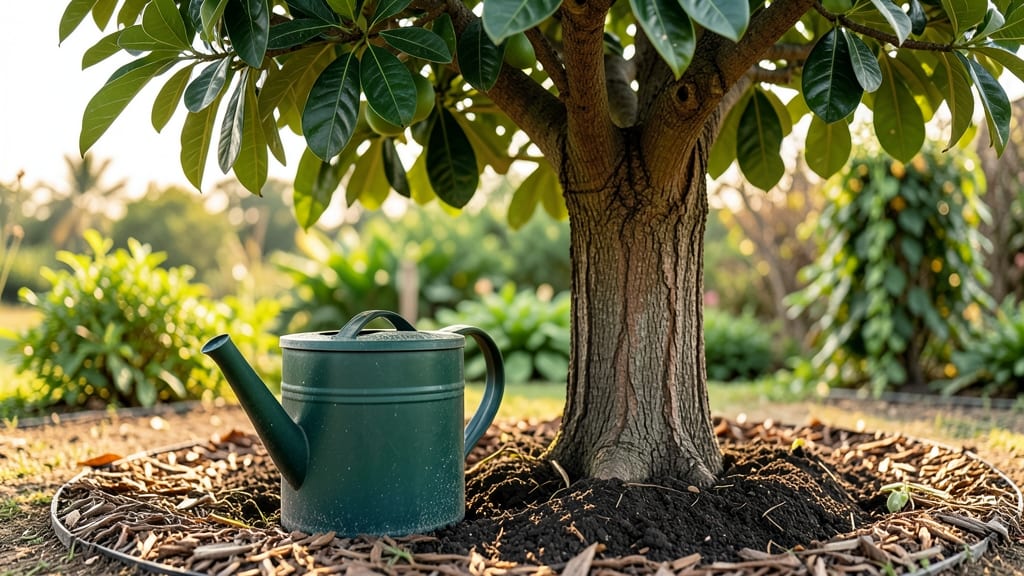
Your first ripe mango in just three years isn’t a dream—it’s what happens when you nail mango tree care from day one. 🌱 I’ve grown these tropical beauties from saplings, and the key isn’t some secret fertilizer—it’s matching their needs to your climate like a puzzle.
The soil must drain like a desert after a rain, watering needs to mimic their native monsoons, and pruning turns that wild growth into a structured tree that actually produces fruit.
Most people overcomplicate this. You need well-draining soil (think sand and compost, not heavy clay), full sun for at least 6 hours daily, and a watering schedule that keeps roots happy without drowning them.
Mangoes hate soggy feet—drainage is non-negotiable. Once established, they’re shockingly drought-tolerant, but young trees need consistent moisture to set those first blossoms.
By year three, you’ll be harvesting sweet, juicy mangoes that taste nothing like the store-bought ones. The tree itself becomes a statement piece—glossy leaves, vibrant flowers, and that unmistakable tropical vibe.
Pruning in late winter keeps the shape manageable and directs energy to fruit production, while fertilizing with citrus-specific nutrients (or a balanced 6-6-6) gives that extra boost.
Works in USDA zones 10-11 year-round, but container-grown trees can overwinter indoors in cooler climates. The real magic happens when you understand their rhythm—dormancy in winter, flushes of new growth in spring, and that first harvest when the fruit turns from green to gold. Let’s get you growing one!
📚 In This Guide
- What you need
- Instructions
- Tips and common mistakes
- Wrapping up and next steps
What you need
- ● Mango Tree: 1 sapling or grafted tree (preferred for faster fruiting) OR 2-3 mango seeds (for seed-grown trees)
- ● Note: Seedlings take 5+ years to fruit; grafted trees may bear fruit in 2-3 years!
- ● Soil: 5-10 gallons of well-draining, slightly acidic soil (pH 5.5–7.0)
- ● 1 part sand (for drainage) + 1 part compost (for nutrients)
- ● Container or Planting Hole: Container: 1 large pot (20+ gallons) with drainage holes OR
- ● Outdoor Planting: Hole twice as wide as the root ball + 6–12 inches deep
- ● Fertilizer: 1 bag of balanced citrus/mango fertilizer (e.g., 6-6-6 NPK ratio) OR organic options like fish emulsion
- ● Watering Supplies: 1 watering can or hose with a gentle spray nozzle
- ● Mulch (e.g., straw or wood chips, 2–3 inches thick)
- ● Pruning Tools: 1 pair of sterilized pruning shears (for shaping)
- ● 1 bypass pruner (for thicker branches)
- ○ 1 hand saw (optional, for large branches)
- ● 1 tree support stake (for young saplings in windy areas)
- ● 1 pH testing kit (to monitor soil acidity)
- ● 1 spray bottle (for misting leaves in dry climates)
- ● 1 tree collar guard (to protect the trunk from pests)
- ● 1 lightweight shade cloth (for seedlings in hot sun)
Step-by-step guide to growing a healthy mango tree
Here’s how to nurture your tropical treasure from sapling to fruit-bearing glory.
🌱 Step 1: Plant in the Right Spot with Proper Soil
Mango trees crave full sun—at least 6-8 hours daily—so pick a location with no shade from buildings or taller trees. If you’re in a cooler climate, a sheltered spot against a warm wall helps. The soil should drain well but hold moisture; mix 3 parts native soil with 1 part compost for ideal texture. I always dig a hole twice as wide as the root ball to encourage root spread.
Gently loosen the roots if they’re circling in the pot before placing the tree in the hole. Backfill with your soil mix, tamping lightly to remove air pockets. Water deeply right after planting—1-2 gallons—to settle the soil around the roots. You’ll know it’s right when water drains freely from the bottom of the hole.
☀️ Step 2: Water Deeply and Protect Young Growth
Newly planted mango trees need consistent moisture but hate soggy roots. Water every 2-3 days until the top 6 inches of soil feel dry. Stick your finger in the soil—if it’s damp at that depth, wait another day. Overwatering causes root rot, which is deadly for young trees. Once established, they’re drought-tolerant, but fruit production suffers without steady hydration.
Here’s the thing—mango trees hate cold drafts. If temperatures dip below 50°F, cover the tree with frost cloth or move potted trees indoors. Young leaves are especially vulnerable; you’ll see them curl or blacken if stressed. A mulch ring of 2-3 inches keeps roots warm and retains moisture.
🌿 Step 3: Fertilize for Strong Growth and Fruit
Feed your mango tree every 3 months with a balanced citrus/mango fertilizer (10-10-10 or similar) during its active growing season—spring through summer. I use ½ cup per year of tree age (e.g., ½ cup for a 1-year-old tree, 1 cup for a 2-year-old). Avoid high-nitrogen fertilizers after the first year; they promote leafy growth at the expense of fruit.
Watch for signs of deficiency: yellowing leaves mean it’s time to fertilize, while brown leaf edges signal over-fertilizing. Mango trees also love a potassium boost in late summer to support fruit development. Mix in 1 tablespoon of wood ash around the base for extra minerals—just don’t overdo it, or the soil pH will shift too much.
✂️ Step 4: Prune for Shape and Airflow
Prune in late winter or early spring before new growth starts. Remove any dead, damaged, or crossing branches first—they’re easy to spot. Next, thin out 20-30% of the canopy to improve airflow and sunlight penetration. You’ll see dense clusters of leaves; these are prime candidates for pruning to encourage fruit-bearing branches.
Never cut more than ⅓ of the tree’s foliage at once. Mango trees are sensitive to heavy pruning, and you’ll risk stressing the tree. Use clean, sharp shears to make cuts just above a leaf node. Sterilize your tools with rubbing alcohol between cuts to prevent disease spread. A well-pruned tree has an open center and branches spaced evenly.
🍎 Step 5: Harvest and Encourage Future Fruit
Mangoes ripen on the tree, so wait until they’re fully colored and slightly soft to the touch before picking. They won’t ripen further off the tree. Use pruning shears to cut the stem cleanly, leaving a small portion attached to the fruit. If you’re in a cooler climate, harvest when the fruit is still slightly firm and ripen indoors at room temperature.
After harvest, give the tree a light feeding with a potassium-rich fertilizer to replenish nutrients. This is also the time to assess next year’s growth. Remove any suckers (shoots growing from the base) unless you’re propagating new trees. A mature mango tree can produce 50-100 fruits per year—but only if you’ve given it consistent care.
Tips & tricks for perfect mango tree care
Here's what nobody tells you about keeping your tropical tree thriving—and avoiding the mistakes that kill most mango trees.
Soil Preparation Secret: The 3:1 soil mix of native soil to compost is non-negotiable, but here's the extra step that makes all the difference: add 1 cup of perlite or coarse sand to the mix to improve drainage. Mango trees hate soggy roots, and this prevents compaction while still holding moisture. I've seen trees drown in well-intentioned soil blends that didn't have this adjustment—especially in heavy clay soils.
Watering Wisdom: That 2-3 day watering schedule is perfect, but here's how to read your tree: press your finger 2 inches deep into the soil—not just the top 6 inches. The deeper check gives you a truer picture of moisture levels. I've caught many a tree that looked dry at the surface but was actually fine below. And if you're using a drip irrigation system, space emitters 12 inches apart around the tree's drip line for even coverage.
Fertilizer Timing: The 3-month feeding schedule works, but here's the pro move: split your spring feeding into two applications—half in early spring when buds form and half in late spring when new growth appears. This prevents nutrient burn from overfeeding at once. And that wood ash tip? Use it sparingly—1 tablespoon every 6 months max, because too much can raise soil pH and lock out essential nutrients.
Pruning Insight: When you're thinning that 20-30% of the canopy in Step 4, look for branches that grow inward or upward—they're the real culprits blocking sunlight. I always make my cuts at a 45-degree angle just above a leaf node, which helps water run off and prevents disease entry. And here's a visual cue: if you can see sky through the center of the tree, you're doing it right.
Pro Tips for Mango Tree Care
- Here's what nobody tells you about keeping your tropical tree thriving—and avoiding the mistakes that kill most mango...
- Soil Preparation Secret: The 3:1 soil mix of native soil to compost is non-negotiable, but here's the extra step that...
- Watering Wisdom: That 2-3 day watering schedule is perfect, but here's how to read your tree: press your finger 2 inc...
Frequently asked questions
Got questions about growing your own mango tree? You’re not alone! Here are answers to the most common concerns—so you can nurture a thriving tropical treasure without the guesswork.
How often should I prune my mango tree?
Prune your mango tree twice a year: once after harvest (late spring/early summer) to shape the canopy and again in late winter (before new growth starts) to remove dead or crossing branches. Light pruning keeps airflow strong and fruit production optimal. Avoid heavy pruning—mango trees respond best to gradual shaping!
When will my mango tree bear fruit?
With proper care, expect your tree to flower in 2–3 years and produce fruit in 3–5 years. Young trees need patience—focus on well-draining soil, full sun (6+ hours/day), and consistent watering. Dwarf varieties may fruit faster (as early as 2 years), while standard trees take longer. Pro tip: Hand-pollinate flowers with a soft brush if bees are scarce!
How much water does a mango tree need?
Mango trees thrive with 1–2 inches of water per week, especially during fruiting. Water deeply at the base (avoid wetting leaves to prevent fungal issues). Young trees need more frequent watering (2–3 times/week), while established trees tolerate slight drought. Warning: Overwatering causes root rot—always check soil moisture before watering!
What pests or diseases should I watch for?
Common threats include aphids, fruit flies, and powdery mildew. Inspect leaves regularly for holes or sticky residue (signs of pests). Treat aphids with soapy water; use neem oil for fungal issues. Preventative tip: Mulch around the base to deter weeds and retain moisture, reducing stress that invites pests.
Can I grow a mango tree in a pot?
Yes! Dwarf varieties (like ‘Cogshall’ or ‘Julie’) thrive in 15+ gallon pots with drainage holes. Use a well-draining mix (cactus soil + perlite) and repot every 2–3 years. Place in full sun and bring indoors if temps drop below 30°F. Bonus: Potted trees fruit well but may need hand-pollination for better yields.
Wrapping up and next steps
Caring for a mango tree is a rewarding journey that blends patience with passion! 🌱 With the right location, soil prep, pruning techniques, and seasonal love, you’ll be savoring homegrown mangoes in no time.
Remember, consistency is key—whether it’s watering, fertilizing, or protecting your tree from pests, every effort fuels its growth.
Ready to turn your backyard into a tropical paradise? Start small: pick one task from this guide—like pruning for airflow or testing your soil—and watch your mango tree thrive. Happy growing! 🍈✨