
Pruning
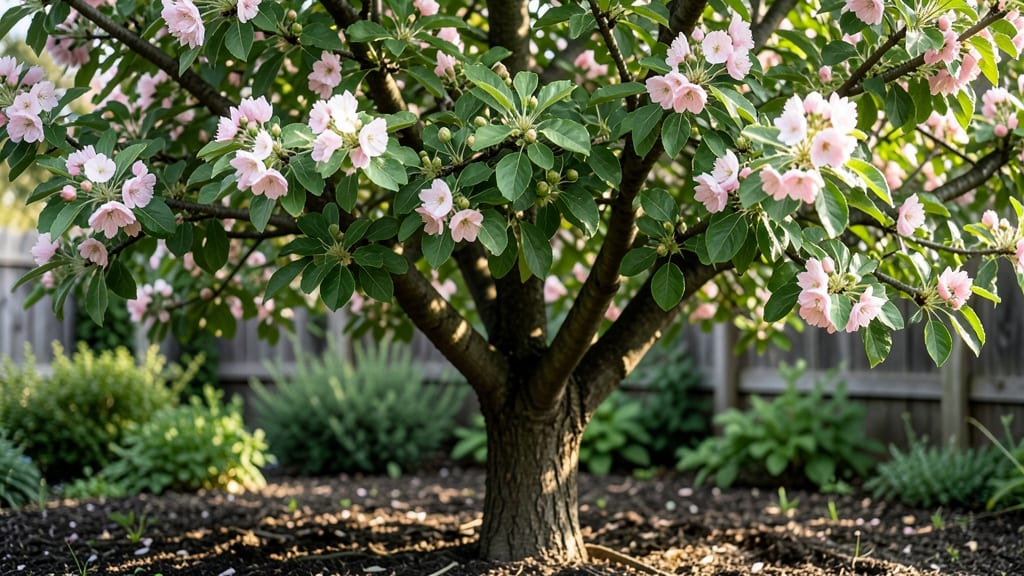
Spring is the moment your apple tree wakes up from winter’s nap—and apple tree care in spring determines whether you’ll end up with a branch full of blossoms or a sad, sparse harvest. 🌸 I’ve learned the hard way that timing matters more than technique; prune too early and you risk frost damage, too late and you miss the sweet spot for summer fruit set.
The secret isn’t just cutting branches—it’s shaping the tree’s energy. Start by removing dead, crossing, or diseased wood first, then open up the center to let sunlight reach the core. Young trees need 10-20% of their branches trimmed, while mature trees can handle 20-30% if they’re overgrown.
A sharp pair of pruners and a 50% bleach solution for sterilizing cuts between trees is all you really need.
What you’re really after is that burst of pink blossoms followed by tiny green apples the size of marbles by midsummer. Proper pruning now means fewer apples later, but the ones that do form will be larger, sweeter, and easier to pick—no more wrestling with crowded branches.
Plus, you’ll dodge the summer pest invasions that target stressed trees.
Spring care doesn’t stop at pruning—fertilizing with 10-10-10 in early April and monitoring for apple scab or codling moths early keeps your tree on track. But the pruning? That’s where the magic happens. Let’s get those branches in shape before the bees arrive.
📚 In This Guide
- What you need
- Instructions
- Tips and common mistakes
- Wrapping up and next steps
What you need
- ● Pruning shears (bypass pruners) – sharp, 6-8" blades for clean cuts on small branches.
- ● Loppers – 8-10" long handles for thicker branches (½–2" diameter).
- ● Pruning saw – for branches 2" or larger (avoid bolt cutters—they crush wood!).
- ● Gloves – heavy-duty, cut-resistant (thorns and splinters are no joke!).
- ● Disinfectant (70% isopropyl alcohol or bleach solution) – 1 part bleach to 9 parts water to sterilize tools between cuts.
- ○ Pruning sealant (optional but helpful) – for cuts larger than ½" to prevent disease entry.
- ● Ladder or step stool – stable, tall enough to reach branches safely (no wobbly chairs!).
- ● Bucket or trash bag – for collecting pruned branches (compost or dispose of diseased wood separately).
- ● Notebook & pencil – to sketch your tree’s structure before and after pruning.
- ● Tree wound paint – for large cuts (controversial but some swear by it!).
- ● Pole pruner – for high branches (if you don’t want a ladder).
- ● Tree banding material – to protect the trunk from pests (e.g., tree wrap).
- ● Fertilizer (balanced 10-10-10 or organic) – apply after pruning to support new growth.
- ● Bird netting – if early blooms are a concern (prevents pests from feasting on flowers!).
Step-by-step guide to spring pruning for healthy apple trees
Here's how to prepare your orchard for peak fruit production this season.
🌱 Step 1: Time Your Pruning for Optimal Bloom
Prune apple trees in late winter or early spring, just as buds begin to swell but before flowers appear. This timing ensures the tree directs energy toward fruit development rather than new growth. I always check for green-tipped buds—that's your cue to start. Avoid pruning when temperatures drop below 40°F, as cold stress slows healing.
If you missed the window, wait until after blooming but before new leaves harden. Late pruning risks removing flower buds that haven't yet set. I mark my calendar for February-March in most climates, but adjust 2-3 weeks earlier in warmer zones.
✂️ Step 2: Remove Dead, Diseased, and Crossing Branches
Start by cutting out any branches with brown, mushy centers or blackened bark—these are dead or diseased. Use sharp pruners to make clean cuts at a 45-degree angle, about ¼ inch above a outward-facing bud. This prevents water from pooling and reduces disease entry points.
Next, remove branches that cross or rub against others. Friction creates wounds where pests and pathogens enter. I look for branches growing directly toward the center of the tree—these block sunlight and air circulation. Cut these back to the trunk or a strong lateral branch, leaving a small stub to prevent bark tearing.
☀️ Step 3: Thin Out Overcrowded Branches for Airflow
Apple trees need good airflow to prevent fungal diseases like apple scab. Thin branches so sunlight penetrates to the center. Aim for a 6-8 inch gap between branches on mature trees. Start with the smallest branches—these compete with fruit for energy.
I step back every few cuts to visualize the tree's structure. The goal is an open center with branches spaced evenly. Remove any "water sprouts"—vertical shoots growing straight up from the trunk or limbs. These saplings steal nutrients from fruit production.
💧 Step 4: Fertilize and Mulch After Pruning
Spread a 2-3 inch layer of organic mulch around the base, keeping it 6 inches away from the trunk. This retains moisture and regulates soil temperature. I use shredded bark or wood chips because they break down slowly, feeding the tree over time.
Apply a balanced fertilizer (10-10-10) at ¼ pound per inch of trunk diameter. For example, a 4-inch trunk gets 1 pound. Water thoroughly after applying to help nutrients penetrate the soil. Avoid heavy nitrogen fertilizers—they encourage leafy growth at the expense of fruit.
Tips & tricks for perfect spring apple tree pruning
Here's what I've learned after years of pruning my own orchard—these details make all the difference between a good harvest and an exceptional one.
The Heat Factor: Never prune when temperatures dip below 40°F, as the tree's healing process slows dramatically. I've seen wounds take twice as long to seal in cold conditions, leaving your tree vulnerable to infections. If you must prune in cooler weather, do it on warmer days and avoid cutting after sunset when temperatures drop.
Tool Intelligence: Your pruners matter more than you think. Use sharp, clean bypass pruners for larger branches (over ½ inch thick) to make clean cuts that heal faster. For smaller branches, I prefer anvil pruners—they crush rather than tear, which is gentler on the tree. Always sterilize your tools with rubbing alcohol between trees to prevent spreading disease.
Visual Cues for Pruning: When thinning branches in Step 3, I look for these telltale signs: branches growing directly toward the center (they'll block light), branches thinner than a pencil (they're energy vampires), and water sprouts (those vertical shoots that grow like weeds). Step back every 10 cuts to check your progress—you should see sunlight reaching the center of the tree.
Mulch Mastery: The 2-3 inch mulch layer isn't just about moisture—it's a slow-release fertilizer factory. I use shredded hardwood because it breaks down gradually, feeding the tree's roots over months. Pro tip: Refresh your mulch annually in early spring, just before pruning, to give the tree a nutrient boost right when it needs it most.
Pro Tips for Apple Tree Care In Spring
- Here's what I've learned after years of pruning my own orchard—these details make all the difference between a good harvest and an exceptional one.
- The Heat Factor: Never prune when temperatures dip below 40°F, as the tree's healing process slows dramatically.
- Tool Intelligence: Your pruners matter more than you think.
Frequently asked questions
Got questions about spring apple tree care?
You’re not alone! Here are answers to the most common queries to help you nurture your tree like a pro.
When is the best time to prune apple trees in spring?
Prune your apple tree after the last frost but before buds swell (late winter to early spring). This timing balances growth and fruit production while avoiding frost damage. Avoid pruning during blooming season—wait until flowers fade if you missed the window.
How much should I trim my apple tree in spring?
Remove 20-30% of the tree’s canopy to improve airflow and sunlight penetration. Focus on:
- Dead, diseased, or crossing branches
- Suckers (shoots at the base)
- Water sprouts (vertical shoots)
Will pruning my apple tree reduce next year’s harvest?
Not if done correctly! Pruning increases fruit quality by reducing overcrowding and improving air circulation. However, avoid heavy cuts in bearing years—opt for lighter maintenance. Think of it like a haircut: a little trim keeps things healthy and vibrant!
How do I prevent pests after pruning?
Pruning opens your tree to pests like aphids or borers. Sanitize tools with rubbing alcohol, remove fallen debris, and apply organic neem oil or horticultural oil in early spring. Monitor for signs of infestation (e.g., holes, sticky residue) and act fast!
What if I missed spring pruning? Can I still do it?
Yes! You can prune lightly in early summer (June) to shape the tree, but avoid heavy cuts. Summer pruning encourages new growth but may reduce winter hardiness. For major pruning, wait until dormant season (late fall/winter).
Wrapping up and next steps
Spring is your apple tree’s golden opportunity—with the right pruning and care, you’re setting the stage for a fruitful future! 🍏🌿 Focus on removing dead wood, thinning crowded branches, and encouraging airflow to boost blossoms and fruit production.
Remember, consistency is key, so keep an eye on your tree throughout the season and adjust as needed.
Ready to roll up your sleeves? Grab your pruners and start your spring pruning today—your future harvest (and hungry neighbors!) will thank you. Check out our pruning checklist to stay on track!