
Pruning
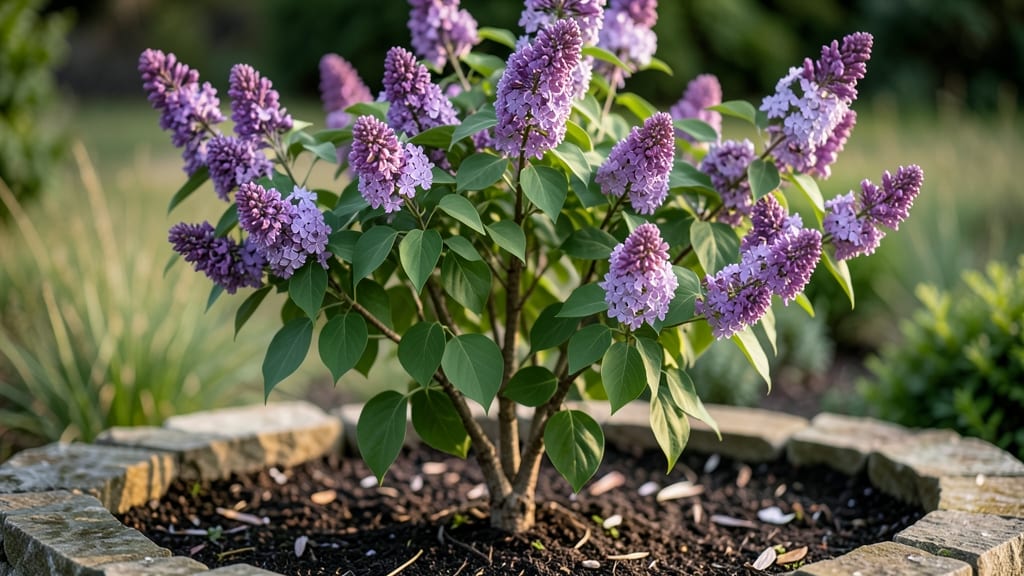
A large lilac tree isn’t just a plant—it’s the centerpiece of spring’s perfume parade. 🌸 I still remember the first time I walked past one in full bloom, that intoxicating lavender cloud wrapping around me like a hug from nature.
The way it transforms a yard from ordinary to extraordinary makes every pruning session worth it.
These trees thrive in full sun, where their fragrant blooms shine brightest, and they love space—plant yours 10 to 15 feet from sidewalks or structures. Pair them with dwarf coneflowers or Russian sage to create a layered, textured border that stays stunning long after the lilacs fade.
The key? Pruning after blooming to keep their shape elegant and encourage next year’s perfume festival.
Your yard will become a sensory sanctuary—imagine sipping morning coffee while that sweet, heady scent drifts through the air. The blooms attract bees and butterflies, turning your space into a buzzing, fluttering haven.
With the right placement and care, your lilac will be the talk of the neighborhood, year after year.
Perfect for cottage gardens, modern landscapes, or even as a standalone statement piece. Let’s make your outdoor space unforgettable—one fragrant cut at a time.
📚 In This Guide
- What you need
- Instructions
- Tips and common mistakes
- Wrapping up and next steps
What you need
- ● Pruning shears: Bypass pruners (for small branches, 5–8 inches long) – 1 pair (sharp, high-quality, like Felco or Fiskars).
- ● Loppers: Bypass or anvil type (for thicker branches, 18–24 inches long) – 1 pair (with a longer handle for reach).
- ● Pruning saw: Curved-tooth or bow saw (for branches >2 inches thick) – 1 (e.g., Bahco or Corona).
- ● Ladder: Sturdy, extendable aluminum or fiberglass (16–20 ft, with non-slip feet) – 1 (or a tree pruning pole for taller branches).
- ● Gloves: Heavy-duty, cut-resistant (e.g., Mechanix or garden gloves) – 1 pair (to protect from thorns and sap).
- ● Disinfectant: 70% rubbing alcohol or bleach solution (1 part bleach to 9 parts water) – small bottle (to sterilize tools between cuts).
- ○ Sealing wax or pruning paint: Optional but recommended (for cuts >½ inch thick) – small tub (e.g., Tanglefoot Tree Wound Pruning Sealer).
- ● Trash bags or bucket: Heavy-duty – 1–2 (for collecting pruned branches).
- ● Safety glasses: ANSI-rated – 1 pair (to shield eyes from debris).
- ● Long sleeves/pants: Lightweight, breathable fabric (to protect from thorns and sap).
- ● Work boots or closed-toe shoes: Non-slip soles – 1 pair (for stability on uneven ground).
- ● Extension cord: Heavy-duty, weatherproof (if using a leaf blower or string trimmer for cleanup) – 1 (20–30 ft).
- ○ Notebook & pen: Optional – 1 (to sketch pruning plan or mark cuts).
- ● Ideal timing: Late winter or early spring (just before buds swell) for dormant pruning.
- ● Weather conditions: Calm, dry day (avoid wind or rain to prevent sap splatter or slipping).
- ● Temperature: Above 40°F (4°C) (to avoid shocking the tree).
Step-by-step guide for pruning a large lilac tree
Here's how to maintain your fragrant specimen with precision cuts that boost blooms.
✂️ Step 1: Time Your Pruning for Maximum Impact
Prune lilacs immediately after flowering, when buds for next year's blooms have formed but before new growth hardens. This is typically late May to early June in most climates. Waiting too long risks removing next season's flowers entirely, while pruning too early can stimulate new growth that won't harden before winter.
Look for brown seed pods on spent flowers—this signals the tree has finished blooming. I always prune within 2-3 weeks of seeing these pods, as delayed pruning reduces next year's fragrance potential. The goal is to shape while preserving the tree's energy reserves for future blooms.
✂️ Step 2: Remove Dead, Diseased, or Weak Wood
Start by inspecting the tree for dead branches (no green bark, hollow centers) and diseased wood (blackened cankers, fungal growth). Use clean, sharp pruning shears to make 45-degree cuts just outside the branch collar—never leave stubs. I always sanitize my tools with rubbing alcohol between cuts to prevent spreading disease.
Remove crossing branches that rub together and water sprouts (thin, upright shoots). These compete with flowering stems for energy. Watch for suckers at the base—these aggressive shoots drain the tree's resources. Cut them back to ground level immediately to redirect energy to the main structure.
✂️ Step 3: Thin the Canopy for Better Airflow
Lilacs need open, airy growth to prevent fungal diseases like powdery mildew. Focus on selective thinning—remove 10-20% of the oldest stems at ground level. These stems produce fewer flowers and are often overcrowded. I target stems that are 4-5 inches thick or larger, as these are the most mature.
Look for overly dense clusters where branches grow too close together. By thinning, you'll improve light penetration to the center of the tree, which encourages stronger, more fragrant blooms next season. Never remove more than 25% of the total canopy in one year—this stresses the tree and reduces flowering potential.
✂️ Step 4: Shape for Optimal Form and Fragrance
Use the open-center form for mature lilacs—this means keeping the center naturally open while maintaining a rounded outline. Prune outward-facing branches to encourage a naturally balanced shape. Avoid cutting back into old wood unless absolutely necessary, as lilacs bloom on current season's growth from buds formed last year.
For overgrown trees, I make gradual reductions over 2-3 years to avoid shock. Each year, focus on removing 1-2 of the oldest stems at the base. This preserves the tree's vigor while slowly restoring its natural shape. After pruning, step back and admire your work—proper pruning transforms a messy shrub into a fragrant, architectural centerpiece.
💧 Step 5: Post-Pruning Care for Recovery
Water deeply immediately after pruning to help the tree recover. Apply 1-2 inches of water to the root zone, ensuring it penetrates 6-12 inches deep. Lilacs have deep roots, so thorough watering prevents transplant shock if you've recently moved the tree.
Apply a 2-3 inch layer of mulch (using the organic mulch you've prepared) around the base, keeping it 6 inches away from the trunk. This retains moisture and regulates soil temperature. Avoid heavy pruning in drought conditions—wait until the tree has established new growth before making major cuts.
Tips & tricks for perfect lilac tree pruning
Transforming your lilac from overgrown to fragrant requires precision—and these insider tricks will elevate your pruning game.
Timing is Everything: The 2-3 week window after brown seed pods appear is critical for preserving next year's blooms. I've learned this the hard way—pruning too late means sacrificing next season's fragrance. Mark your calendar when you first spot those brown pods, as this is your launch point for the 2-week countdown to pruning.
Tool Sanitation Secret: Never underestimate the power of clean tools. I always keep rubbing alcohol handy to sanitize my pruning shears between cuts—especially when dealing with diseased wood. This simple step prevents spreading fungal spores that could devastate your tree's health. A few seconds of cleaning between cuts can save your tree from years of decline.
Canopy Thinning Strategy: When removing those 10-20% oldest stems, focus on the thickest branches first (4-5 inches or larger). These mature stems often produce fewer flowers and create dense areas that block light. I use a simple test: if I can't see through the center of the tree, it's time to thin. This open-air approach dramatically improves airflow and reduces fungal diseases like powdery mildew.
Gradual Restoration Technique: For overgrown trees, spread your pruning over 2-3 years rather than trying to fix everything at once. Each year, remove just 1-2 of the oldest stems at the base. This gradual approach prevents shock while systematically restoring your tree's natural shape. Think of it as a surgical procedure rather than a drastic makeover.
Pro Tips for Large Lilac Tree
- Transforming your lilac from overgrown to fragrant requires precision—and these insider tricks will elevate your prun...
- Timing is Everything: The 2-3 week window after brown seed pods appear is critical for preserving next year's blooms....
- Tool Sanitation Secret: Never underestimate the power of clean tools. I always keep rubbing alcohol handy to sanitize...
Frequently asked questions
Got questions about keeping your large lilac tree thriving and fragrant all season? You’re not alone! Here are answers to the most common queries—from pruning timing to troubleshooting—so you can enjoy those iconic blooms without the guesswork.
When is the best time to prune a large lilac tree?
Prune your lilac right after flowering (late spring to early summer) to encourage next year’s blooms. Avoid heavy pruning in fall or winter—it removes next season’s flower buds! Light shaping can happen anytime, but never prune in late summer or early fall if you want those fragrant blooms back.
How much can I trim back a mature lilac tree?
For mature trees, aim to remove no more than 1/3 of the oldest wood per year. Over-pruning weakens the tree and reduces blooms. Focus on dead, diseased, or crossing branches first, then thin out crowded stems to improve airflow. Pro tip: Use sharp pruners for clean cuts—ragged edges invite pests!
Why isn’t my lilac tree blooming after pruning?
Lilacs bloom on old wood, so aggressive summer pruning (or cutting back to the ground) can stunt flowers. If blooms are sparse, check for:
- Over-fertilizing (too much nitrogen = leafy growth, fewer flowers)
- Improper timing (pruned before buds formed)
- Underwatering or poor soil (lilacs love well-draining, slightly acidic soil)
What’s a good alternative if my lilac tree isn’t thriving?
If your lilac struggles with pests, disease, or poor growth, consider these fragrant, low-maintenance alternatives:
- Mock Orange (Philadelphus): Similar scent, blooms on new wood (more forgiving with pruning).
- Wisteria: Dramatic flowers, but needs strong support (and pruning!).
- Deutzia: Hardy, disease-resistant, and blooms in spring.
- Daphne: Compact, intensely fragrant, but prefers partial shade.
How do I prevent pests like borers or aphids on my lilac?
Lilacs are tough but can attract borers or aphids. Preventative care includes:
- Pruning for airflow (reduces humidity where pests thrive).
- Watering at the base (not overhead) to deter fungal issues.
- Neem oil or insecticidal soap for early signs of aphids.
- Monitor for sawdust-like frass (borer sign)—treat with systemic insecticide if needed.
Wrapping up and next steps
A large lilac tree can transform your garden into a fragrant paradise—when cared for with the right pruning techniques! 🌸 By following this blueprint, you’ll ensure vibrant blooms, healthier growth, and that signature intoxicating scent all season long.
Whether you’re a pruning pro or just starting, every trim brings you closer to a thriving, fragrant masterpiece.
Ready to take action? Grab your tools, mark your calendar, and give your lilac the love it deserves—your garden (and your nose!) will thank you. Start pruning today!