
Trees
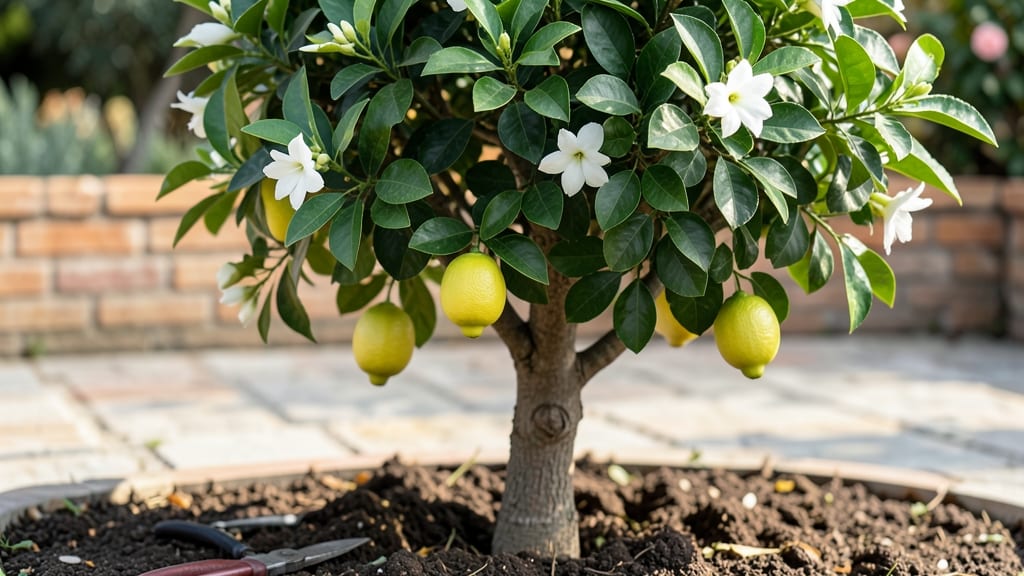
Growing lemon trees in North Carolina feels like a tropical dream—until you realize humidity and summer heat can turn your citrus into a soggy mess. 🌿 I’ve battled fungal spots and stunted growth in my Zone 7 garden, but the right variety and care turns those struggles into sweet, sun-kissed lemons by winter.
The secret starts with dwarf varieties like ‘Meyer’ or ‘Improved Meyer,’ which handle NC’s heat and humidity better than standard trees.
You’ll need well-draining soil (mix in compost and sand), a sunny spot with afternoon shade in summer, and containers if your winters dip below 20°F. Containers also let you move trees indoors or under cover when frost threatens.
By late summer, you’ll see glossy new leaves and tiny white flowers—then the real magic: lemons ripening in fall and winter. The first harvest tastes like sunshine, and the experience becomes addictive.
Just watch for spider mites in dry spells and citrus leaf miners; a strong spray of water or neem oil keeps them at bay.
Even in cooler microclimates, container growing works—just bring your tree inside when temps drop. With these adjustments, you’ll enjoy homegrown lemons year after year, proving NC’s climate isn’t the citrus killer you thought it was.
📚 In This Guide
- What you need
- Instructions
- Tips and common mistakes
- Wrapping up and next steps
What you need
- ● Lemon Tree Variety: Choose a cold-hardy variety like Meyer lemon (best for NC’s mild winters) or Eureka lemon (more heat-tolerant). Start with a 1-3 gallon potted tree or bare-root sapling.
- ● Well-Draining Soil: Mix 60% potting soil with 30% perlite and 10% compost (or use a citrus-specific blend). Avoid heavy clay soil!
- ● Pot (if container-grown): A 15-20 gallon container with drainage holes (for indoor/outdoor flexibility). Terracotta or fabric pots work best.
- ● Fertilizer: A balanced citrus fertilizer (6-6-6 or 8-3-9 ratio) or organic options like fish emulsion. Apply every 4-6 weeks during growing season.
- ● Mulch: 2-3 inches of pine bark or wood chips to retain moisture and regulate soil temp.
- ● Pruning Shears: Sharp, bypass pruners (sterilized with rubbing alcohol).
- ● Gloves: Heavy-duty gardening gloves to protect from thorns.
- ● Watering Can or Hose: With a gentle spray nozzle for deep watering (avoid soggy roots!).
- ● pH Test Kit: To monitor soil pH (ideal range: 6.0–7.0).
- ○ Shade Cloth (optional but helpful): 30-50% shade cloth for young trees in NC’s intense summer sun.
- ● Sunlight: 6+ hours of full sun daily (south-facing spot is ideal).
- ● Temperature: Protect from temps below 20°F (use a frost cloth or move indoors for winter).
- ● Humidity Control: If indoors, use a humidifier or pebble tray to combat dry air (NC’s winters can be deceptive!).
- ● Pest Prevention: Keep an eye out for aphids, spider mites, or citrus leaf miners—neem oil or insecticidal soap helps!
Step-by-step guide to growing lemon trees in North Carolina’s humid climate
Here's how to keep your citrus thriving despite NC's heat and humidity—no green thumb required.
🪴 Step 1: Choose the Right Variety and Container
North Carolina’s summers are long and humid, so pick a compact, cold-hardy lemon variety like 'Meyer' or 'Improved Meyer.' These handle heat better than standard lemons and produce fruit reliably. Avoid dwarf varieties—they struggle with humidity and need more airflow.
Use a 5-gallon container with drainage holes for your first tree. Larger pots (15+ gallons) are better for mature trees but require more frequent watering. Terra cotta pots work well because they breathe, but avoid cheap plastic—they trap moisture and encourage root rot in NC’s damp air.
☀️ Step 2: Position for Sunlight and Airflow
Lemon trees need 6-8 hours of direct sunlight daily, but NC’s afternoon heat can scorch leaves. Place your tree in a spot with morning sun and afternoon shade—like near a west-facing window with afternoon shade cloth or under a patio cover. If outdoors, move it to a sheltered porch or balcony when temperatures hit 90°F+.
Humidity is the real challenge here. Position your tree where it gets cross-ventilation—near an open window, fan, or outdoor breeze. Poor airflow leads to fungal diseases like powdery mildew, which thrives in NC’s muggy summers. You’ll spot this as white, powdery spots on leaves—act fast by pruning affected areas and increasing airflow.
💧 Step 3: Water and Fertilize for Humid Conditions
Water deeply 2-3 times per week during NC’s growing season (spring-fall), letting the top 2 inches of soil dry out between waterings. Overwatering is the #1 killer of container-grown citrus—check by sticking your finger in the soil. If it’s damp below the surface, wait another day. In winter, reduce watering to once every 10-14 days unless your home is heated.
Feed your tree every 4-6 weeks with a balanced citrus fertilizer (like 6-6-6 or 8-3-9) mixed at half-strength. Too much fertilizer burns roots in humid conditions. Flush the soil with water after fertilizing to prevent salt buildup, which stresses plants in NC’s heat. You’ll know it’s working when new leaves appear bright green and glossy—a sign of healthy growth.
✂️ Step 4: Prune and Protect for NC’s Climate
Prune in late winter or early spring before new growth starts. Remove any dead, diseased, or crossing branches first—this improves airflow and reduces humidity-related issues. Then, trim back leggy growth to encourage bushier, stronger branches. Never prune more than 25% of the tree at once, or you’ll shock it.
Watch for citrus leaf miners (tiny white worms in leaves) and scale insects—both love NC’s warm, humid climate. Spray with neem oil or insecticidal soap at the first sign of pests. For extra protection, apply a reflective mulch around the base of the pot to deter ants, which often carry scale insects. A healthy tree will bounce back quickly if you catch problems early.
⏰ Step 5: Overwinter for NC’s Mild Winters
North Carolina’s winters are mild, but frost can still damage lemon trees. Move your container indoors or to a garage with protection before temperatures drop below 30°F. If you can’t move it, wrap the pot in burlap or frost cloth and cover the top with a clear plastic sheet to trap heat. Check daily for ice buildup—tap it off gently to prevent weight damage.
Reduce watering to once every 2 weeks and stop fertilizing until spring. Increase humidity around the tree by placing the pot on a tray of pebbles with water (evaporation adds moisture). You’ll know it’s surviving winter when buds start forming in late winter—a sure sign it’s ready for spring growth.
Tips & tricks for thriving lemon trees in NC's humid climate
North Carolina’s humidity and heat can turn citrus care into a challenge—but these tricks will help your lemon tree not just survive but thrive.
Variety Matters: While 'Meyer' and 'Improved Meyer' are your best bets for NC’s climate, consider adding a dwarf variety like 'Ponderosa' as a second tree. These stay compact (perfect for containers) and produce fruit earlier than standard lemons. The trade-off? They need slightly more airflow, so position them near a fan or open window during summer afternoons.
Soil Secrets: The instructions mention a 5-gallon container, but the real magic happens in the soil mix. Use a blend of 60% citrus potting mix, 30% perlite, and 10% compost—this improves drainage while retaining moisture. Avoid garden soil; it compacts and suffocates roots in NC’s humidity. I’ve seen trees double their growth rate within a year after switching to this mix.
Heat Management: When temperatures hit 90°F+, move your tree to a sheltered spot—but don’t just shove it in the shade. Gradually acclimate it over 3-4 days by reducing sunlight exposure incrementally. Sudden shade changes can cause sunburn on leaves, which look like white, crispy patches. If you notice this, mist the leaves with water to help them recover.
Fertilizer Timing: The 4-6 week feeding schedule works, but here’s the trick: split your fertilizer dose into two applications—half in the morning and half in the evening. This mimics natural rainfall patterns and prevents root burn in NC’s heat. Also, always water your tree 24 hours before fertilizing to avoid shocking the roots with concentrated salts.
Pro Tips for Lemon Trees In Nc
- North Carolina’s humidity and heat can turn citrus care into a challenge—but these tricks will help your lemon tree not just survive but thrive.
- Variety Matters: While 'Meyer' and 'Improved Meyer' are your best bets for NC’s climate, consider adding a dwarf variety like 'Ponderosa' as a second tree.
- Soil Secrets: The instructions mention a 5-gallon container, but the real magic happens in the soil mix.
Frequently asked questions
Got questions about growing lemon trees in North Carolina’s humid climate? You’re not alone!
Here are answers to the most common queries—from planting tips to pest troubleshooting—to help your citrus thrive.
Can lemon trees survive North Carolina’s winters?
Most lemon trees (Citrus × limon) are tropical and won’t tolerate NC’s cold. However, you can grow them in containers and move them indoors (or to a garage) when temperatures drop below 30°F (-1°C). Dwarf varieties like ‘Meyer’ are hardier and may survive mild winters with protection (mulch, frost cloth). For outdoor planting, opt for cold-hardy citrus like Citrus × aurantium (sour orange) or Poncirus trifoliata hybrids.
What’s the best time to plant lemon trees in NC?
Plant container-grown lemon trees in early spring (March–April) or late summer (August–September) to avoid extreme heat or cold. Bare-root trees should be planted in winter (December–February) while dormant. Avoid transplanting during peak summer—NC’s humidity and heat stress young roots. Amend soil with compost and ensure well-draining spots (even in containers) to prevent root rot.
What pests should I watch for with lemon trees in humid NC?
NC’s humidity attracts scale insects, aphids, and citrus leaf miners. Regularly inspect leaves for sticky residue (honeydew) or chewed foliage. Use neem oil or insecticidal soap for mild infestations. For spider mites, mist plants daily to boost humidity and deter them. Introduce beneficial insects like ladybugs for long-term control. Prune affected branches promptly to limit spread.
Can I grow lemon trees in pots in North Carolina?
Potted lemon trees are ideal for NC’s climate, offering mobility to protect from frost or pests. Use a 15–20 gallon container with drainage holes and a mix of potting soil + perlite (60/40 ratio). Place in full sun (6+ hours/day) and water when the top inch of soil is dry. Fertilize monthly with a citrus-specific formula during growing seasons (spring–fall). Dwarf varieties like ‘Improved Meyer’ thrive in containers.
Why aren’t my lemon tree leaves turning yellow?
Yellowing leaves (chlorosis) in NC lemon trees often signal nutrient deficiencies, overwatering, or poor drainage. Check for:
- Iron deficiency: Common in alkaline NC soil. Use chelated iron or acidic fertilizers.
- Overwatering: Let soil dry slightly between waterings. Containers dry faster than ground soil.
- Pests/fungus: Root rot or mites can cause yellowing. Inspect roots and adjust care.
- Sunburn: Sudden hot spells may scorch leaves. Provide afternoon shade if needed.
Pro Tip:
For sweeter lemons in NC, try Meyer lemon hybrids—they’re more cold-tolerant and produce fruits with lower acidity. Plus, they’re self-pollinating, so you’ll get more harvests with less effort!
Wrapping up and next steps
Growing lemon trees in North Carolina’s humid climate is totally doable with the right care and patience! 🌱 From choosing the perfect variety to mastering pruning and pest control, you now have all the tools to nurture a thriving citrus tree.
Whether you’re dreaming of fresh lemons for cooking or just love the idea of a tropical vibe in your yard, your hard work will pay off with fragrant blooms and juicy fruit.
Ready to take the next step? Start small—plant that first tree this spring! Keep an eye on your tree’s progress, and soon, you’ll be harvesting lemons straight from your NC backyard. Happy gardening! 🍋✨