
Pruning
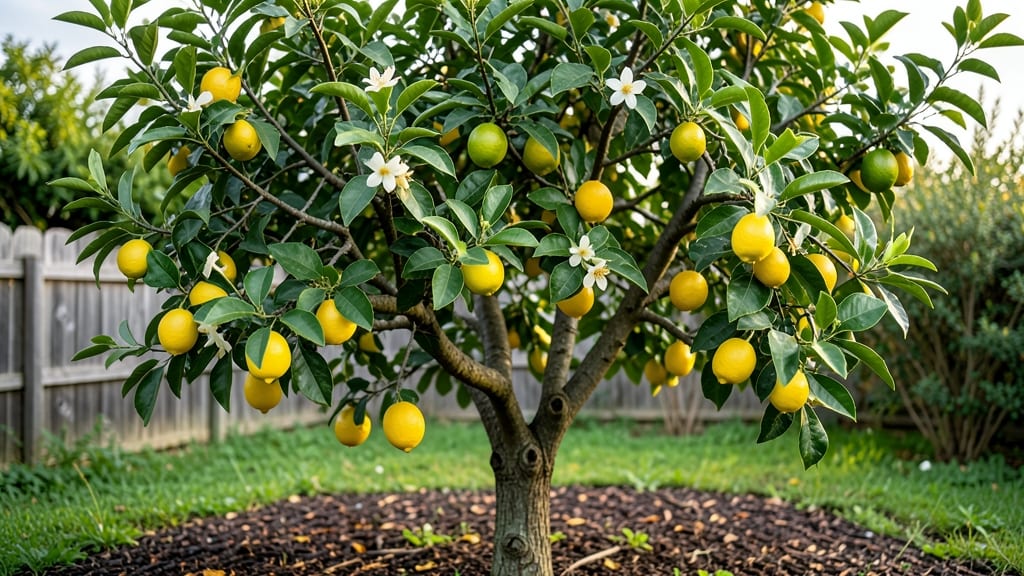
Pruning a thorny citrus tree isn’t just about shaping branches—it’s about unlocking smooth growth while keeping those sharp spines in check. 🌿 I’ve wrestled with lemon and lime trees that looked like porcupines, and the right cuts make all the difference.
The key? Timing, technique, and a little patience to avoid turning your backyard into a barbed-wire jungle.
You’ll need sharp pruners (dull blades tear bark), thick gloves, and a clear day to work—thorny trees don’t like being rushed. Start by removing dead wood first, then thin out crowded branches to let sunlight hit the center.
The goal is to encourage outward growth, not a dense, thorny tangle. I learned the hard way that skipping this step leads to tangled limbs and frustrated harvests.
What you’ll end up with is a tree that’s easier to reach, produces more fruit, and still looks striking in your landscape. The thorns stay manageable, and you’ll actually enjoy picking those lemons without fearing a poke.
Plus, the right cuts now mean fewer surprises during next year’s harvest season.
Works for Meyer lemons, Key limes, and even those aggressive Poncirus hybrids—just adjust the intensity based on how wild your tree gets. Here’s how to do it without turning your gloves into pincushions.
📚 In This Guide
- What you need
- Instructions
- Tips and common mistakes
- Wrapping up and next steps
What you need
- ● Pruning shears: Bypass pruners (sharp, clean, and sterilized) for cuts under ½ inch. Recommended: blank">Felco F-2 or blank">Gonicc G09.
- ● Loppers: For branches ½–1½ inches thick. Must-have: blank">Fiskars X27 (aluminum-reinforced).
- ● Pruning saw: For thick branches (>1½ inches). Pick: blank">Bahco Ergo (curved blade for precision).
- ● Gloves: Heavy-duty, thorn-proof (e.g., blank">Mechanix Wear or blank">Tough Outdoorsman).
- ● Disinfectant: 70% isopropyl alcohol or blank">rubbing alcohol (1 bottle).
- ○ Pruning sealant: Optional but helpful (e.g., blank">Tanglefoot Tree Wound Pruning Seal for large cuts).
- ● Ladder: Sturdy, extendable (e.g., blank">Little Giant or blank">Wolfe—height depends on tree size).
- ● Bucket: 5-gallon (for collecting debris).
- ● Sharpie or marker: For labeling branches if grafting/saving scions.
- ● Timing: Prune in late winter/early spring (before new growth) or summer (after harvest). Avoid heavy pruning in fall.
- ● Weather: Choose a dry, overcast day (humidity spreads disease).
- ● Tree health check: Inspect for pests/diseases (e.g., aphids, citrus canker). Treat before pruning if needed.
- ● Safety gear: Safety glasses (to shield from flying debris) and long sleeves/pants.
- ○ Cleanup supplies: Trash bags (2–3) and a leaf blower (optional, for large trees).
- ● Sterilize tools between cuts (dip blades in alcohol) to prevent bacterial/fungal spread.
- ● Keep a small spray bottle with water to dampen cuts—reduces sap oozing.
- ● For thorny branches, wear arm guards (e.g., blank">Razor-Back) if gloves aren’t enough.
- ● Disposable pruners (e.g., blank">Fiskars Disposable) are great for diseased wood—ditch after use!
Step-by-Step guide to pruning thorny citrus trees
Here’s how to shape your citrus tree safely while encouraging strong, thorn-free growth.
✂️ Step 1: Gather Tools and Assess the Tree
Start with clean, sharp pruning shears and a pair of thick gloves—thorny citrus doesn’t play nice. I always disinfect my tools with rubbing alcohol first to prevent disease spread. Grab a small bucket to collect trimmings and a marker to label branches you plan to cut.
Examine the tree for dead, crossing, or overly dense branches. Thorns tend to cluster where branches rub together, so prioritize these areas. Look for branches growing inward or downward—they’ll compete with sunlight and weaken the tree’s structure. Sketch a rough outline of what you want the tree to look like after pruning. This keeps you focused and prevents over-trimming.
✂️ Step 2: Remove Dead and Problematic Branches First
Cut out any dead or diseased branches immediately—they drain energy from the tree. Make your cuts just outside the branch collar, the swollen area where the branch meets the trunk. This ensures the tree can seal the wound naturally. For branches thicker than ½ inch, use loppers or a pruning saw for a clean cut.
Next, tackle branches that cross or rub against each other. Thorns form aggressively where branches intersect, so removing one of the competing branches reduces future pruning headaches. If you’re unsure which branch to remove, pick the smaller one—it’s easier for the tree to recover from losing a smaller limb. Always cut at a 45-degree angle just above an outward-facing bud to encourage new growth in the right direction.
✂️ Step 3: Thin Out Dense Growth for Airflow
Thorny citrus trees grow densely, which traps moisture and invites fungal diseases. Step back and look for areas where branches are too close together. Aim to create an open center—this lets sunlight and air circulate freely. Remove about 20-30% of the tree’s total growth in this step, but never cut more than ¼ of the tree’s canopy in one session.
Focus on branches that grow inward or downward, as these will never produce fruit efficiently. Cut these back to their point of origin or to an outward-facing bud. Avoid cutting flush with the trunk—this leaves a stub that can rot. Instead, make your cuts ⅛ inch above the bud and at a slight angle. You’ll see new shoots emerge from these buds in 4-6 weeks, signaling healthy regrowth.
✂️ Step 4: Shape the Tree for Balance and Fruit Production
Now it’s time to refine the tree’s shape. I like to create a slightly rounded canopy for citrus—this maximizes sunlight exposure while keeping the tree manageable. Start by trimming the tips of branches to encourage bushier growth. Cut just above a leaf node or bud, and avoid leaving stubs longer than ¼ inch.
For vertical branches, make a 45-degree cut to redirect growth outward. This prevents the tree from becoming top-heavy and improves fruit production. If a branch is too long, you can also shorten it by cutting back to a lateral branch or bud. Remember, citrus trees respond well to pruning, but avoid cutting into old wood—new growth comes from the current season’s branches. After shaping, step back and check for balance. The tree should look symmetrical and open, with no branches crowding the center.
✂️ Step 5: Clean Up and Monitor Growth
Collect all trimmings and dispose of them in the trash—never leave them on the ground, as they can harbor pests or diseases. Disinfect your tools again with rubbing alcohol or a bleach solution to prevent cross-contamination. Water the tree deeply after pruning to help it recover, especially if you’ve made large cuts.
Watch the tree closely over the next 2-3 weeks for signs of stress, like yellowing leaves or wilting. If you see new growth emerging from the buds you left, that’s a good sign! Avoid fertilizing immediately after pruning—wait until new growth appears, usually in 4-6 weeks. This gives the tree time to focus on healing before adding more nutrients. You’ll notice smoother, less thorny growth in the next season if you’ve pruned correctly.
Tips & tricks for pruning thorny citrus trees
Let me save you from the frustration I faced after years of pruning without understanding these key details.
Tool Prep is Non-Negotiable: I can't stress this enough—sterilize your pruning shears with rubbing alcohol between cuts, especially when dealing with diseased branches. I learned this the hard way after seeing fungal spots appear on healthy branches weeks later. Also, keep your gloves thick enough; citrus thorns are deceptive—they pierce through lightweight fabric like it's nothing.
The 45-Degree Rule for Buds: When making cuts above buds in Step 2 and Step 4, the 45-degree angle isn't just about aesthetics—it creates a natural water runoff path that prevents rot. I used to cut straight across, and those wounds would always stay damp and develop black spots. The angle also exposes more bud surface area to sunlight, which kickstarts faster new growth.
Pruning Percentage Matters: The 20-30% guideline in Step 3 isn't arbitrary—it's based on how much foliage a citrus tree can safely regenerate. I once cut 40% off a lemon tree in one session and nearly killed it. The tree needs its leaves for photosynthesis to fuel new growth. Think of it like dieting: you can't cut too much too fast or your body (or tree) rebels.
Post-Pruning Recovery Timeline: That 2-3 week monitoring window in Step 5 is your early warning system. I ignored this once and didn't notice yellowing leaves until they'd turned completely brown. The key signs to watch for are new shoots emerging from buds (good) versus wilting leaves that stay limp (bad). If you see new growth after 4-6 weeks, you've done it right—the tree is healing and preparing for next season's fruit production.
Pro Tips for Thorny Citrus Tree
- Let me save you from the frustration I faced after years of pruning without understanding these key details.
- Tool Prep is Non-Negotiable: I can't stress this enough—sterilize your pruning shears with rubbing alcohol between cu...
- The 45-Degree Rule for Buds: When making cuts above buds in Step 2 and Step 4, the 45-degree angle isn't just about a...
Frequently asked questions
Got questions about pruning your thorny citrus tree? You’re not alone! Here are some of the most common concerns—and their answers—to help you keep your tree healthy and thriving.
When is the best time to prune a thorny citrus tree?
The ideal time to prune is late winter or early spring, just before new growth begins. Avoid pruning in summer or fall, as this can stress the tree and make it more vulnerable to pests or disease. If you must prune outside this window, do so in early morning to reduce sunburn risk on exposed branches.
How do I safely handle the thorns while pruning?
Thorns can be tricky, but safety first! Wear thick gloves (like leather or chainmail) and use long-handled pruners to keep distance. If thorns snag your skin, apply alcohol or antiseptic immediately. For stubborn branches, cut from the underside to avoid piercing your hand.
Will pruning my citrus tree affect fruit production?
Pruning correctly actually boosts fruit production by improving airflow and sunlight penetration. However, over-pruning (removing more than 25% of the canopy) can reduce yields. Focus on shaping and removing dead/diseased wood—never cut into old wood, as citrus trees bloom on new growth.
What if my citrus tree isn’t leafing out after pruning?
If your tree looks leggy or sparse post-prune, it may need balanced light exposure. Ensure it gets 6+ hours of sunlight daily and check for nutrient deficiencies (yellow leaves = nitrogen; brown edges = potassium). A light fertilizer in spring can help, but avoid heavy feeding right after pruning.
Are there thornless citrus varieties I can plant instead?
Yes! If thorns are a dealbreaker, try ‘Meyer lemon’, ‘Calamondin’, or ‘Satsuma’ mandarin—many are semi-thornless or have softer spines. However, even these may have a few thorns, so gloves are still a good idea during pruning. Always check the specific cultivar before purchasing.
What should I do if my tree bleeds sap heavily after pruning?
Citrus trees sometimes weep sap, but it’s usually harmless. To minimize mess, prune on a dry day and avoid cutting into large, mature branches. If sap attracts pests (like ants), apply pet-safe insecticidal soap or use a vinegar-water spray (1:1 ratio) around the base.
Wrapping up and next steps
Pruning your thorny citrus tree doesn’t have to be intimidating—it’s all about strategic cuts and a little patience! By mastering the right techniques, you’ll encourage healthier growth, better fruit production, and a safer space for both you and your tree. 🌿✂️
Ready to take the next step? Grab your pruners, mark your calendar for the best seasons, and start small—your citrus tree will thank you with lush foliage and juicy rewards year-round. Happy pruning! 🍊