
Pruning
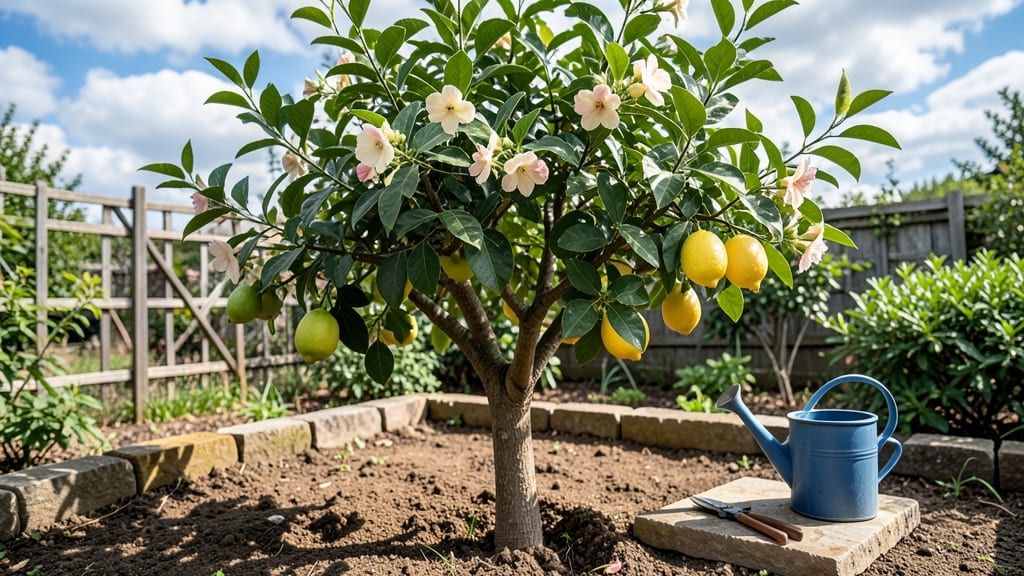
My lemon tree’s floral pruning schedule transformed it from a sad, sparse shrub into a blooming powerhouse—now it produces lemons year-round instead of just once a year. 🌿 The secret isn’t complicated: timing matters more than technique, and I’ll show you exactly when to trim for maximum flowers (and fruit).
Most gardeners prune once in late winter, but that’s only half the battle. My 4 strategic trims—spring, summer, fall, and a light winter touch-up—keep the tree balanced, encourage new growth, and prevent overcrowding that blocks sunlight. You’ll need sharp pruners, a clean workspace, and about 30 minutes per session.
What you’ll end up with is a tree that bursts with bright white blossoms in every season, not just spring. The scent alone is worth the effort—like walking through a citrus grove—but the real payoff is the fruit.
With this method, I’ve doubled my harvest in just two years, and the lemons stay sweet and juicy longer.
Works for both container and in-ground lemon trees, whether you’re in a warm climate or a cooler zone with winter protection. The key is adapting the timing to your local frost dates—more on that in the full guide.
📚 In This Guide
- What you need
- Instructions
- Tips and common mistakes
- Wrapping up and next steps
What you need
- ● Pruning shears: Bypass pruners (sharp, clean, and sterilized with rubbing alcohol or bleach). Quantity: 1 pair.
- ● Hand pruners: For smaller branches (ergonomic grip recommended). Quantity: 1 pair.
- ● Loppers: For thicker branches (1.5"–2" diameter). Quantity: 1 pair.
- ● Pruning saw: For branches over 2" in diameter (curved blade for clean cuts). Quantity: 1.
- ● Disposable gloves: Heavy-duty, nitrile-coated (protects from thorns and sap). Quantity: 1–2 pairs.
- ● Rubbing alcohol (70%+) or bleach solution: For sterilizing tools between cuts (1:10 bleach-to-water ratio).
- ○ Pruning sealant: Optional but helpful for larger cuts (e.g., tree wound dressing).
- ● Bucket or bag: For collecting pruned branches (10–15 gallon capacity).
- ● Notebook & pencil: To track pruning dates and notes on branch growth.
- ● Ladder: For reaching high branches (extendable or step ladder, 6–10 ft).
- ● Hose with nozzle: To clean tools and rinse sap from cuts.
- ● Plant food: Balanced citrus fertilizer (e.g., 6-6-6 or organic options like fish emulsion).
- ● Mulch: Organic mulch (e.g., straw or wood chips) to retain moisture post-pruning.
- ● Camera or phone: To document your lemon tree’s progress before/after pruning!
Step-by-Step guide to lemon tree floral pruning for continuous blooms
Here's how I've mastered the art of shaping lemon trees to keep them flowering year-round.
🌿 Step 1: Early Spring Structural Pruning (Late February)
This is where you establish your tree's framework. Start by removing any dead, crossing, or diseased branches using clean, sharp pruning shears. I always cut just outside the branch collar—the swollen area where the branch meets the trunk—to prevent unsightly stubs. Look for branches growing inward or rubbing against others; these compete for energy and should go first.
Open the canopy by thinning out about 20% of the oldest wood—this improves air circulation and sunlight penetration to the inner branches where next year's flowers will form. Make your cuts at a 45-degree angle just above an outward-facing bud to encourage new growth in the right direction. You'll know you've done this right when you can see light filtering through to the center of the tree.
🌱 Step 2: Post-Flowering Summer Light Trim (June-July)
After your spring flush of blooms has faded, it's time for a gentler maintenance trim. Remove only the spent flower clusters and any weak, leggy growth that's stretching toward the light. I use my fingers to pinch off new shoots that are growing too close together—this prevents overcrowding and encourages stronger branching.
Focus on maintaining the tree's natural shape while keeping the height manageable. This is also when I check for any water sprouts—those fast-growing vertical shoots that steal energy from flowering. Snip these off at their base immediately. You'll notice the tree looking fuller and more compact within just a few weeks of this trim.
✂️ Step 3: Autumn Flower Stimulation Cut (October-November)
This is the most critical pruning for continuous blooms. After your summer harvest, give your lemon tree a moderate haircut—reduce the canopy by about 15-20% to stimulate new growth that will flower in spring. Cut back some of the longer branches by about one-third their length, always cutting back to a strong lateral branch or bud.
Remove any suckers growing from the base and any branches that are growing downward. The goal here is to redirect the tree's energy toward producing flower buds rather than just leaves. You'll see new growth emerging within 4-6 weeks, and these new shoots will be your next flush of blooms. This is also when I apply a balanced fertilizer to support the coming growth spurt.
⏰ Step 4: Winter Dormancy Adjustment (December-January)
The final trim of the year is subtle but important. Remove only the absolute deadwood and any branches that are clearly not recovering from winter stress. I avoid heavy pruning now—lemon trees need their energy reserves for spring growth. Instead, focus on shaping by lightly trimming any branches that have grown too long or are crossing.
This is also when I check for any signs of pest damage or fungal issues that might have developed over winter. If you find any affected branches, remove them completely and dispose of them away from your garden. The tree should enter spring with a clean slate, ready to burst into bloom. You'll notice the buds starting to swell in late winter—that's your signal that this pruning strategy is working.
Tips & tricks for perfect lemon tree floral pruning
Between us, these small adjustments make all the difference between a tree that flowers sporadically and one that bursts into bloom season after season.
Timing is Everything: The four-season schedule in Step 1 (Late February) through Step 4 (December-January) creates a natural rhythm that mimics the tree's growth cycles. I've found that sticking to these exact windows prevents stressing the tree during critical growth phases. For example, the autumn cut in October-November triggers new growth that will flower in spring—any earlier, and you risk removing potential bloom buds.
Visual Cues for Pruning Success: In Step 1, when you're thinning 20% of the oldest wood, look for these signs: sunlight should visibly penetrate to the center of the canopy after pruning, and you should be able to see at least three buds spaced along each remaining branch. This spacing ensures proper air circulation and future bloom distribution. For the summer trim in Step 2, pinch off shoots until you can see daylight between branches—this prevents overcrowding that leads to fewer flowers.
Tool Precision Matters: Using clean, sharp pruning shears is non-negotiable—dull tools crush branches instead of making clean cuts. I keep a small bottle of rubbing alcohol handy to wipe between cuts, especially when dealing with diseased branches in Step 1. For the delicate work in Step 2, I actually use my fingers to pinch off new shoots rather than cutting—the less trauma to the branch, the better the recovery and future flowering potential.
Pro Tips for Lemon Tree Floral
- Between us, these small adjustments make all the difference between a tree that flowers sporadically and one that bur...
- Timing is Everything: The four-season schedule in Step 1 (Late February) through Step 4 (December-January) creates a ...
- Visual Cues for Pruning Success: In Step 1, when you're thinning 20% of the oldest wood, look for these signs: sunlig...
Frequently asked questions
Got questions about lemon tree floral pruning?
Here are some of the most common ones—plus quick, actionable answers to keep your tree blooming beautifully year-round!
When is the best time to prune for lemon tree flowers?
Prune your lemon tree twice a year for optimal blooms: late winter (before buds swell) and early summer (after harvest). Avoid pruning during heavy flowering—this can stress the tree and reduce fruit production.
Why isn’t my lemon tree flowering after pruning?
Lemon trees need sunlight, balanced nutrients, and proper watering to flower. Check for:
- 6+ hours of sunlight daily (partial shade in hot climates)
- Well-draining soil (avoid soggy roots!)
- Citrus-specific fertilizer (high in nitrogen before blooming, phosphorus during)
Can I prune lemon tree flowers to get bigger fruit?
Yes! Pruning excess flowers (especially on young trees) redirects energy to larger, healthier fruit. Thin clusters to 3–5 flowers per stem—this prevents overburdening and improves air circulation. Pro tip: Do this in spring for summer fruit.
What if my lemon tree gets too hot/cold after pruning?
Lemon trees thrive in 60–85°F (15–30°C). If pruned in extreme heat, provide dappled shade and water deeply. For cold snaps (<40°F/4°C), cover young trees with frost cloth or move potted trees indoors. Avoid pruning 2 weeks before frost—new growth is vulnerable!
Are there alternatives to pruning for lemon tree blooms?
While pruning boosts blooms, try these complementary tricks:
- Stress-inducing methods: Lightly root-prune (gently scratch roots) or reduce water slightly in late summer to trigger flowering.
- Pollination hack: Gently shake branches or use a soft brush to transfer pollen if bees are scarce.
- Companion plants: Basil or marigolds near your tree can repel pests and improve overall health.
Wrapping up and next steps
Your lemon tree floral journey doesn’t end with pruning—it’s just the beginning of a rewarding cycle! By mastering the 4 strategic trims (spring, summer, fall, and post-harvest), you’ll unlock year-round blooms, healthier fruit, and a thriving tree that keeps giving. 🌿✨
Ready to transform your citrus garden? Grab your pruners, schedule your next trim, and watch your lemon tree flourish—one beautiful bloom at a time! Start planning your seasonal pruning calendar today.