
Pruning
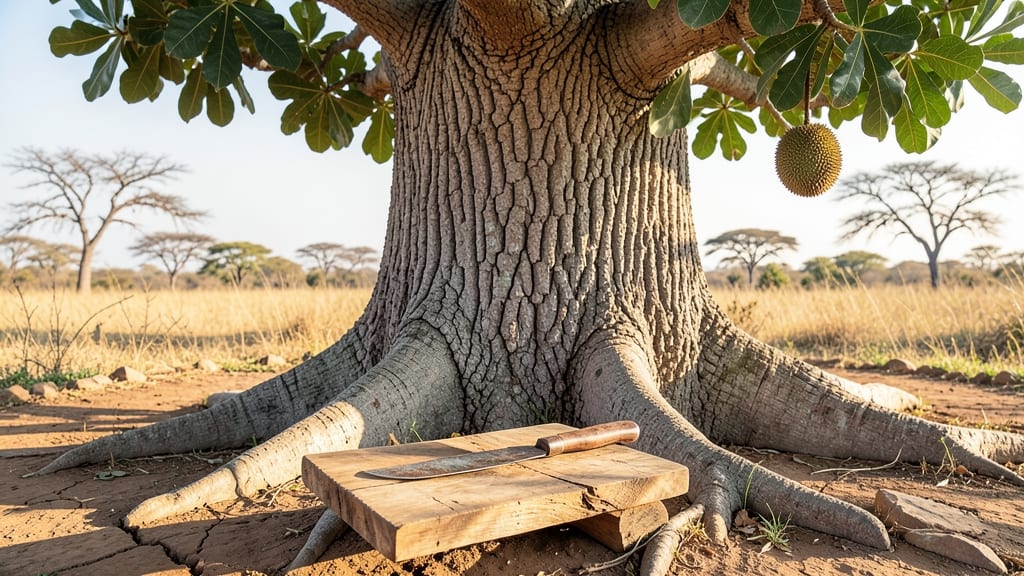
Cracking open a boab tree fruit reveals one of nature’s most fascinating gardening adventures—those massive, seed-packed pods that look like something from a prehistoric forest. 🌿 I’ve grown Adansonia gregorii from seed, and while it’s not a quick process, there’s nothing quite like watching a tree that could live for centuries start from a single seed you saved from a grocery store’s tropical section.
The key to success starts with patience and the right conditions: full sun, well-draining soil, and a climate that mimics its Australian homeland—think hot summers and mild winters. You’ll need a large container or spacious yard since these trees grow 50-60 feet tall (yes, that’s taller than your house).
Watering is easy once established—drought-tolerant once rooted—but young trees need consistent moisture to avoid stress.
By year 5 or 6, you might see your first golf-ball-sized flowers followed by those iconic woody fruits. The seeds inside are packed with nutrients and can be roasted like coffee or planted for future trees.
Just don’t expect fruit for at least 10 years—this is a tree built for the long haul, not instant gratification.
Perfect for gardeners in USDA zones 10-11 with space to spare. If you’re in a cooler climate, container growing with winter protection is your best bet. Here’s how to get started without killing your first attempt.
📚 In This Guide
- What you need
- Instructions
- Tips and common mistakes
- Wrapping up and next steps
What you need
- ● Boab tree seeds (Adansonia gregorii) – 2-5 high-quality, viable seeds (ensure they’re plump and firm, not shriveled).
- ● Well-draining potting mix – 10-15 gallons (combine 50% cactus/succulent mix, 30% perlite or coarse sand, and 20% compost).
- ● Large containers or nursery pots – Minimum 12-inch diameter (boab trees need deep roots—opt for 18+ inches for faster growth).
- ● Pruning shears or sharp knife – For trimming dead branches and shaping the tree as it grows.
- ● Garden gloves – Protect your hands from thorns and rough bark.
- ● Watering can with a narrow spout – Boab trees hate soggy soil; precise watering is key!
- ● Sunlight access – A south-facing window or greenhouse (or outdoor space in USDA Zones 10-11).
- ● Humidity tray or pebble tray – Boab trees love 40-60% humidity; great for indoor growers.
- ● Slow-release fertilizer (balanced 10-10-10) – Apply every 2-3 months during growing season.
- ● Support stakes or trellis – Helps young trees stay upright as they grow tall.
- ● pH test kit – Ideal soil pH: 6.0-7.5 (boab trees prefer slightly acidic to neutral soil).
- ● Heat mat (for germination) – Speeds up seed sprouting if your climate is cool.
Step-by-Step guide to growing a boab tree from seed
Here’s how to cultivate this prehistoric-looking tree with edible, nutrient-packed fruit.
🌱 Step 1: Prepare the Seed for Planting
Boab seeds have a hard outer shell that needs scarification to encourage germination. Soak the seeds in warm water for 24 hours—this softens the shell and kickstarts the process. After soaking, gently rub the seed between two pieces of sandpaper or a file until you see a small crack. This mimics natural weathering and helps water penetrate.
Real talk: Don’t over-sand—just a slight scratch is enough. If you remove too much, the seed’s protective layers may compromise, inviting rot. Once scarified, leave the seed in a damp paper towel at room temperature (70-75°F) for 3-5 days. Check daily—when you see a tiny white root emerge, it’s ready for planting.
🪴 Step 2: Plant in Well-Draining Soil
Use a sterile, fast-draining potting mix (avoid garden soil—it’s too dense and retains too much moisture). Fill a 6-inch pot with the mix, leaving 1 inch of space at the top. Plant the scarified seed 1 inch deep, with the root pointing downward. Press the soil lightly around it to secure the seed without compacting.
Here’s the thing—boab trees hate soggy roots. Place the pot in a shady spot (direct sun can scorch the seed before germination) and keep the soil evenly moist but not waterlogged. A humidity dome or plastic wrap helps maintain moisture while allowing airflow. Germination can take 2-4 weeks, so patience is key.
☀️ Step 3: Provide Gradual Sun Exposure
Once the seedling emerges with first true leaves (not the initial seed leaves), move it to bright, indirect light. Start with 2-3 hours of morning sun and slowly increase exposure over 2 weeks. Boab trees thrive in full sun (6+ hours daily), but young plants need time to acclimate to prevent leaf scorch.
You’ll notice the leaves darken and firm up as they adjust. After 4-6 weeks, if the seedling shows healthy, glossy green foliage, it’s ready for a larger 12-inch pot with the same well-draining mix. Keep the soil slightly moist—never let it dry out completely, but avoid standing water.
✂️ Step 4: Prune and Support Growth
Boab trees grow slowly but develop a thick, sturdy trunk early on. Once the plant reaches 12-18 inches tall, prune any leggy or weak growth to encourage a bushier shape. Use clean, sharp pruners to make cuts just above a leaf node. Avoid heavy pruning—these trees respond best to minimal trimming.
If you’re growing indoors, rotate the pot quarter-turn weekly so the tree grows straight toward the light. Outdoors, stake young trees if winds are strong—their broad canopies can make them top-heavy. Fertilize lightly with a balanced, slow-release fertilizer in spring and summer, but skip it in winter when growth slows.
🌿 Step 5: Prepare for Fruit Production
Boab trees take 5-10 years to mature and produce fruit, but with patience, you’ll be rewarded with nutrient-rich pods. Ensure the tree gets full sun (8+ hours daily) and well-draining soil—these are non-negotiables for fruit development. In warmer climates, they can grow outdoors year-round; in cooler zones, keep them in containers and move them indoors during frost.
Here’s where it gets exciting: When flowers appear (usually in late spring), hand-pollinate them with a soft brush to boost fruit set. The pods take 6-9 months to mature—so don’t harvest early! Wait until the outer shell turns brown and papery, and the seed inside rattles when shaken. That’s your cue to enjoy the harvest.
Tips & tricks for growing a thriving boab tree from seed
These practical insights will help you navigate the unique challenges of cultivating this ancient, fruit-bearing tree.
Scarification Precision: When scarifying your boab seed in Step 1, aim for just a tiny crack—about the width of a pencil line. Too much sanding exposes the seed to rot, while too little prevents water penetration. I use fine-grit sandpaper (around 220 grit) and work in gentle circular motions. The goal is to mimic natural weathering without damaging the seed's protective layers.
Germination Environment: Maintain consistent room temperature (70-75°F) during the 3-5 day germination period after scarification. Fluctuations can delay sprouting or cause the seed to dry out. Place your damp paper towel in a sealed plastic bag with a small air hole to retain humidity while preventing mold. Check daily—condensation on the bag indicates proper moisture levels.
Sunlight Transition: In Step 3, when increasing sunlight exposure, monitor your seedling's leaves for signs of stress. Start with just 2-3 hours of morning sun, then gradually extend exposure. Watch for yellowing edges or wilting—these are early warnings of sunburn. Boab trees develop natural UV protection over time, but young leaves are particularly sensitive. A sheer curtain can help filter intense afternoon sun during the acclimation period.
Fertilization Strategy: For Step 4's light fertilization, use a balanced 10-10-10 formula at half-strength during spring and summer. Boab trees are slow growers and don't require heavy feeding. I apply fertilizer every 6-8 weeks, always watering thoroughly before and after to prevent root burn. In winter, skip fertilization entirely—these trees enter a natural dormancy period when growth slows dramatically.
Pro Tips for Boab Tree Fruit
- These practical insights will help you navigate the unique challenges of cultivating this ancient, fruit-bearing tree.
- Scarification Precision: When scarifying your boab seed in Step 1, aim for just a tiny crack—about the width of a pen...
- Germination Environment: Maintain consistent room temperature (70-75°F) during the 3-5 day germination period after s...
Frequently asked questions
Got questions about boab tree fruit? You’re not alone! Here are some of the most common inquiries—plus clear, practical answers to help you grow and harvest like a pro.
What’s the best climate for growing a boab tree?
The boab tree thrives in hot, dry climates with well-drained soil and full sun exposure (think tropical or subtropical zones). If you’re in a cooler region, mimic its native habitat with greenhouse growing or a sheltered outdoor spot. Avoid frost—boab trees are not frost-tolerant!
How long does it take for a boab tree to produce fruit?
Patience is key! A boab tree typically takes 10–15 years to mature and bear fruit from seed. Once established, it can produce large, coconut-like fruits annually during the wet season (varies by region). Young trees may take even longer—so plan ahead if you’re dreaming of harvest!
Can you eat boab tree fruit raw, or does it need preparation?
Yes, but with caution! The flesh inside the fruit is edible and tastes like a mix of coconut and custard. However, the seeds must be cooked (like a nut) to remove toxins. Always peel, slice, and boil or roast seeds before eating. Fresh fruit is perishable—consume or preserve it within 2–3 days of harvest.
What are some alternatives if I can’t grow a boab tree?
If boab trees aren’t feasible, try these similar tropical fruits for growing and harvesting:
- Coconut – Easy to grow, similar texture, and edible flesh/seeds.
- Jackfruit – Large, sweet fruit with a unique flavor profile.
- Breadfruit – Starchy and versatile, great for baking or frying.
Why aren’t my boab tree leaves turning green, or is it dying?
Yellowing or wilting leaves often signal overwatering, poor drainage, or nutrient deficiency. Boab trees prefer dry conditions—water only when the topsoil is bone-dry. Check for:
- Root rot (soggy soil = bad news).
- Sunburn (too much direct sun can scorch leaves).
- Nutrient lack (use a balanced fertilizer in spring).
Wrapping up and next steps
The boab tree fruit isn’t just a fascinating plant—it’s a rewarding journey from seed to harvest, packed with nutrients and tropical charm! 🌱 With the right soil, patience, and care, you can grow this unique tree and enjoy its edible seeds (when prepared properly).
Whether you’re drawn to its drought-resistant nature or the thrill of cultivating something rare, your efforts will pay off in a stunning, low-maintenance addition to your garden.
Ready to take the next step? Start by planting your seeds this season—your future boab tree (and its delicious, crunchy surprises!) will thank you. Happy growing! 🌟