
Planting
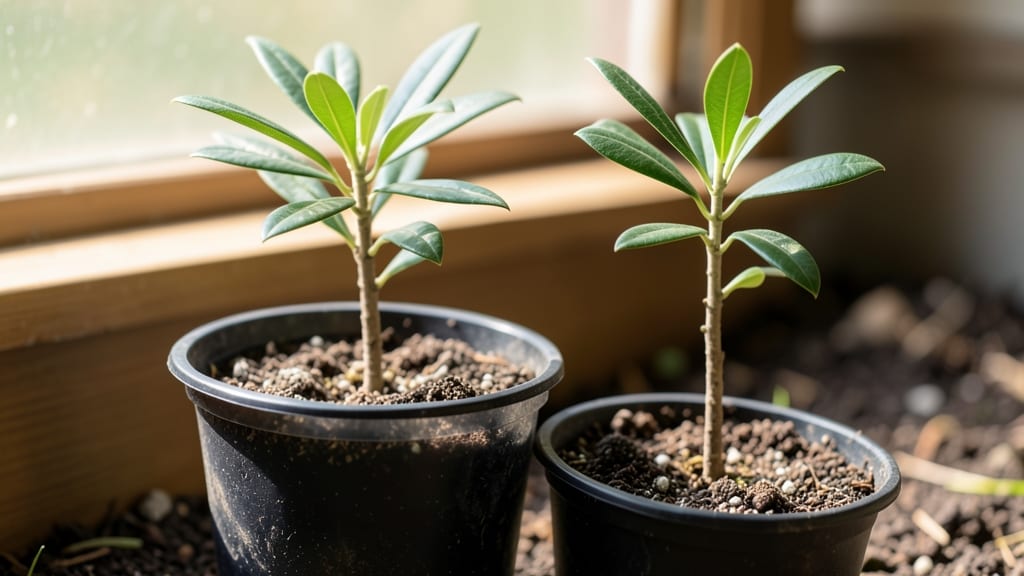
Planting olive tree seeds is a long-term commitment that rewards you with a tree reaching for the sky—if you're willing to wait. 🌱 The process starts with fresh seeds from a ripe olive, not the store-bought kind, and requires a 12-18 month germination timeline before you even see a sprout.
I've tried this three times, and each attempt taught me that olive trees grow on their own schedule, not yours.
The key to success lies in mimicking Mediterranean conditions: well-draining soil, warm temperatures, and consistent moisture without soggy roots. You'll need a sunny windowsill or grow light, a small pot with drainage holes, and a mix of potting soil and perlite to keep roots aerated.
Most gardeners quit after six months when nothing happens—but that's when the magic starts.
What you'll end up with is a sturdy young sapling that can eventually thrive outdoors in zones 8-11. The first true leaves appear after germination, followed by slow but steady growth.
With proper care, your olive tree could live for decades, producing fruit and shade that outlasts any other garden investment you'll make.
This method works best for home gardeners in warm climates, though you can extend the indoor growing season with grow lights. The real test of patience begins now—are you ready for the wait?
📚 In This Guide
- What you need
- Instructions
- Tips and common mistakes
- Wrapping up and next steps
What you need
- ● Olive tree seeds: 3–5 fresh, plump seeds (harvested from ripe olives or purchased from a nursery). Pro tip: Soak seeds in warm water for 24 hours to soften the hard outer shell!
- ● Well-draining potting mix: 2–3 cups of a blend designed for seedlings or cacti/succulents (sandy loam or perlite-heavy mix works best).
- ● Small pots or seed trays: 4–6 individual containers (3–4 inches deep) with drainage holes, or a single tray with cells.
- ● Plastic wrap or clear lid: To create a mini greenhouse effect and retain humidity.
- ● Spray bottle: For gentle watering to keep soil moist without over-saturating.
- ● Grow lights or sunny windowsill: A south-facing window or LED grow lights (12+ hours/day) for optimal light exposure.
- ○ Heat mat (optional but helpful): A seedling heat mat (70–80°F) to encourage faster germination.
- ● Fertilizer: A balanced, water-soluble fertilizer (diluted to half-strength) for seedlings after 4–6 weeks.
- ● Humidity dome: A clear plastic dome to maintain moisture levels during germination.
- ● pH testing kit: To ensure your soil pH is between 6.0–8.0 (olive trees prefer slightly alkaline soil).
- ● Label markers: To track seed varieties and planting dates.
- ● Pruning shears: For trimming leggy seedlings later on.
Step-by-step instructions for growing olive trees from seed
Here's how to nurture those tiny pits into sturdy saplings with minimal fuss.
🌱 Step 1: Extract and Prep the Seeds
Start with fresh olives—store-bought ones won't work. Cut open the fruit and remove the large, dark pit inside. Rinse the seed thoroughly under running water to remove any remaining flesh, which can rot during germination. Here's the thing—olive seeds have a hard outer shell that slows water absorption, so we need to soften it first.
Place the clean seed in a small bowl of lukewarm water for 24-48 hours. You'll know it's ready when the outer shell begins to crack slightly—this means moisture is finally penetrating. Don't skip this step; it's what breaks the seed's natural dormancy. After soaking, pat the seed dry with a paper towel and let it rest for another 24 hours before planting. This drying period prevents mold from forming in the soil.
💧 Step 2: Plant in Moist, Well-Draining Soil
Use a small pot—3-4 inches deep—with drainage holes. Fill it with a mix of 50% potting soil and 50% perlite (or coarse sand) to ensure excellent drainage. Olive seeds hate soggy conditions, so this blend prevents root rot. Plant the seed 1 inch deep, with the pointed end facing upward—this is the shoot, not the root.
Water gently until the soil feels evenly moist but not saturated. Place the pot in a warm spot (70-75°F)—a seedling heat mat works wonders if you have one. Cover the pot loosely with plastic wrap to retain humidity, but prop it open slightly so air can circulate. Check daily for condensation—if the wrap fogs up, remove it for a few hours to prevent fungal growth.
☀️ Step 3: Provide Bright, Indirect Light
Olive seeds need bright light to germinate, but no direct sun yet—this can overheat the soil. Place the pot near a south-facing window or under a grow light set to 12-14 hours of light daily. You'll see the first sign of life in 4-8 weeks, though some seeds take up to 12 weeks—patience is key here.
Once the seedling emerges, remove the plastic wrap immediately. The first leaves (cotyledons) will look simple and rounded. This is normal—true olive leaves appear later and resemble tiny, silvery-gray adult leaves. Water lightly every 5-7 days, letting the top ½ inch of soil dry out between waterings. Overwatering at this stage is the fastest way to kill a young olive seedling.
🌿 Step 4: Transplant and Encourage Strong Growth
When the seedling reaches 4-6 inches tall and has 3-4 sets of true leaves, it's time to repot into a 6-inch container with fresh potting mix. Olive trees grow slowly, so you won't need to transplant often. Choose a pot with drainage holes and fill it with a well-draining cactus/succulent mix (olives prefer lean soil). Gently remove the seedling, loosen the roots if they're circling, and replant at the same depth.
Move the pot to a sunny outdoor spot (if temperatures are above 50°F) or keep it under full-spectrum grow lights indoors. Olive trees thrive in full sun (6+ hours daily), but young plants need to acclimate gradually. Start with 2-3 hours of morning sun, then increase exposure over 2 weeks. You'll notice the leaves darken and thicken as they adjust—this means they're getting stronger.
⏰ Step 5: Maintain Through the First Year
Water deeply once every 2 weeks during the first year, letting the soil dry out completely between waterings. Olive trees are drought-tolerant, but young plants need consistent moisture to establish roots. You'll know it's time to water when the top 1 inch of soil feels dry—stick your finger in to check.
Fertilize lightly in spring and summer with a balanced, diluted fertilizer (10-10-10) at half strength. Too much fertilizer burns young roots. Prune only to remove dead or yellowing leaves—olive trees don't need heavy pruning until they're mature. By the end of the first year, your seedling should be 1-2 feet tall with a sturdy stem. That's your reward for the wait!
Tips & tricks for planting olive tree seeds
Took me a while to figure these out, so here's what works best for nurturing those stubborn olive pits into thriving saplings.
Soaking Strategy: The 24-48 hour soak is your seed's wake-up call—don't rush it! I've seen seeds crack open in just 12 hours if they're fresh, but older seeds may need the full 48 hours. After soaking, the 24-hour drying period is equally important. Place your seed on a paper towel in a warm spot (70-75°F) where it can breathe. This prevents mold while keeping the seed ready for planting. Confession: I skipped this drying step once and ended up with moldy soil that killed my seedling.
Soil Science: That 50/50 mix of potting soil and perlite isn't just random—it's olive tree insurance. The perlite prevents compaction while still holding enough moisture for germination. I've tried using regular garden soil, and the seeds either rot or take forever to sprout. Pro tip: Sterilize your potting mix first by baking it at 200°F for 30 minutes to kill any hidden pathogens. This is especially important if you're reusing containers.
Lighting Secrets: Those 12-14 hours of light are non-negotiable for germination, but here's the thing about grow lights: cheap ones won't cut it. I wasted three seeds using a basic LED bulb before investing in a full-spectrum grow light. Position it just 6 inches above your seedling—closer than that can scorch the tiny leaves. Once your seedling reaches the 4-6 inch mark in Step 4, you can gradually increase sunlight exposure, but never go from 0 to full sun in one day. I've seen olive seedlings go into shock when moved too quickly to direct sunlight.
Patience Payoff: The 4-8 week germination window feels like forever, but here's what nobody tells you—some seeds actually take 12 weeks. I gave up on my second batch after 6 weeks, only to see sprouts appear on week 10. Mark your calendar when you plant and stick with it. Once you see those first cotyledons (those simple, rounded leaves), remove the plastic wrap immediately—humidity is great for germination, but not for established seedlings. The transition to true olive leaves (those silvery-gray ones) is your first sign of real progress.
Pro Tips for Plant Olive Tree Seeds
- Took me a while to figure these out, so here's what works best for nurturing those stubborn olive pits into thriving ...
- Soaking Strategy: The 24-48 hour soak is your seed's wake-up call—don't rush it! I've seen seeds crack open in just 1...
- Soil Science: That 50/50 mix of potting soil and perlite isn't just random—it's olive tree insurance. The perlite pre...
Frequently asked questions
Got questions about growing olive trees from seeds?
You’re not alone—this method takes time and care! Here are answers to the most common queries to help you succeed.
How long does it take for olive tree seeds to germinate?
Olive seeds are notoriously slow! Germination can take anywhere from 1 to 6 months, depending on conditions like warmth (60–70°F) and moisture. Patience is key—keep the soil consistently damp and avoid overwatering, which can cause rot. Some seeds may never sprout, so plant multiple for better odds.
Can I plant olive seeds outdoors in cold climates?
Nope! Olive trees (Olea europaea) are tender to frost and thrive in USDA zones 8–11. Start seeds indoors 6–8 weeks before the last frost, then transplant seedlings outdoors only after temperatures stay above 50°F at night. If you live in a chilly zone, grow them in containers and bring them inside during winter.
What’s the success rate for growing olives from seed vs. buying a tree?
Seed-grown olives are unpredictable—only about 20–30% may sprout, and fruit production can take 5–10 years (or never happen). For faster results, buy a 1–3-year-old grafted tree from a nursery. If you’re committed to the seed method, expect a long-term project with no guarantees on fruit quality.
Why did my olive seed sprout, but the seedling died?
Seedlings often fail due to overwatering (roots rot easily) or underwatering (they wilt quickly). Ensure pots have drainage holes and use a well-draining mix (like cactus soil). Also, keep seedlings in bright, indirect light—direct sun can scorch tender leaves. If yellowing appears, check for pests like spider mites.
Can I use store-bought pitted olives to grow a tree?
No, commercial pitted olives won’t sprout—they’re treated with preservatives or dried to kill viability. Use fresh, fleshy olives (like those from a tree) for best results. If you’re unsure, soak the pit in water for 24 hours to test for mold or rot before planting.
Wrapping up and next steps
Growing an olive tree from seed is a rewarding journey that demands patience and care—but the payoff is undeniably sweet! 🌱 By following these steps—from selecting the right seeds to nurturing your sapling with love and consistency—you’re not just planting a tree; you’re cultivating a piece of Mediterranean magic for years to come. Remember: slow growth is part of the charm, so stay consistent and trust the process.
Now that you’re armed with knowledge, why not take the next step? Share your progress with fellow plant enthusiasts, experiment with different soil mixes, or even research olive tree varieties to diversify your garden. Your green thumb is about to bloom—literally! 🌿