
Pruning
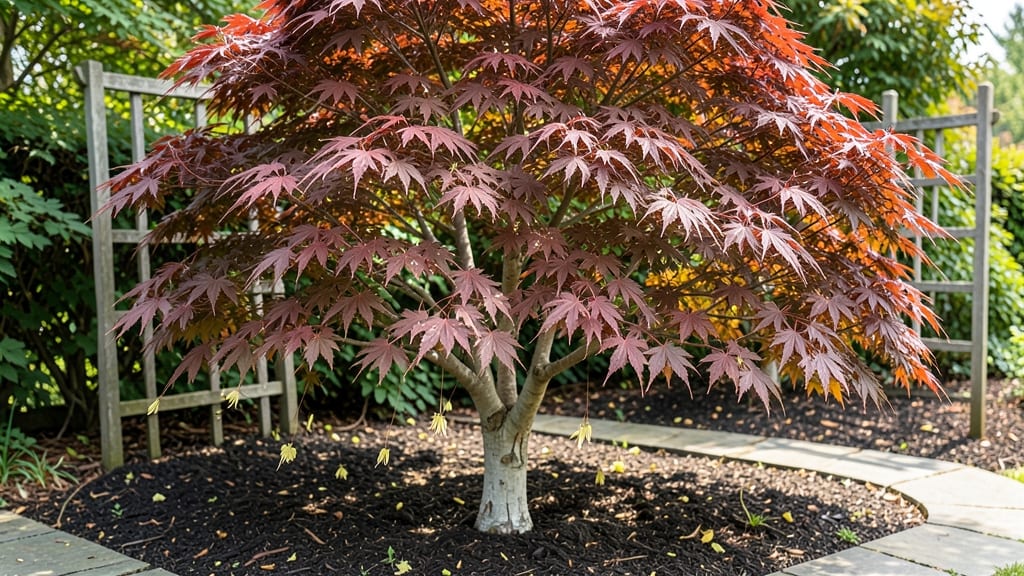
That first deep crimson flush of new growth on a scarlet maple tree is what keeps me coming back every spring. 🌿 Pruning this stunner isn't just about shaping—it's about unlocking year-round drama from its fiery foliage to its graceful branching.
The key lies in timing, technique, and knowing exactly where to make those clean cuts.
You'll need sharp pruning shears, a ladder for higher branches, and a clear morning to work—when the tree is fully hydrated. My rule of thumb? Prune in late winter or early spring before new growth begins, and do a light touch in summer if needed.
Most people over-prune, but scarlet maples reward restraint with vigorous new shoots that keep their vibrant color.
What you'll end up with is a tree that bursts with color from spring through fall, its branches perfectly balanced to catch sunlight. The foliage stays lush and the structure remains strong, even in winter when the leaves turn stunning shades of orange and red.
This isn't just pruning—it's sculpting a living masterpiece.
Works for both young trees and mature specimens, though the approach shifts slightly with age. Whether you're dealing with a 5-foot sapling or a 20-foot centerpiece, the same principles apply. Let's get those shears ready—your tree's next chapter starts with a single cut.
📚 In This Guide
- What you need
- Instructions
- Tips and common mistakes
- Wrapping up and next steps
What you need
- ● Pruning shears: Bypass pruners (sharp, 6–8 inch blades) for small branches (up to ½ inch thick).
- ● Loppers: 1 pair (8–12 inch blades) for medium branches (½–1½ inches thick).
- ● Pruning saw: 1 (8–10 inch curved blade) for thick branches (1½+ inches).
- ● Ladder: Extendable aluminum ladder (16–20 ft) with non-slip feet for tall trees.
- ● Gloves: Heavy-duty, cut-resistant gardening gloves (2 pairs).
- ● Disinfectant: 70% isopropyl alcohol or 10% bleach solution (1 gallon) to sterilize tools.
- ○ Pruning sealant: Optional but recommended (e.g., tree wound dressing) for large cuts.
- ● Safety gear: Safety glasses, long sleeves, and closed-toe shoes.
- ● Trash bags: 3–5 heavy-duty bags (13-gallon size) for debris.
- ● Notebook & pen: To track cuts and plan future pruning.
- ● Pole saw: For high branches without a ladder (12–16 ft reach).
- ● Tree bag: Mesh bag to collect pruned branches for easy disposal.
- ● Extension cord: If using an electric pruner (for very large trees).
- ● Pruning rope: For lowering heavy branches (¼ inch nylon rope, 20 ft).
- ● Camera: To document before/after pruning for reference.
How to prune a scarlet maple for stunning year-round color
Here's the simple, seasonal approach I use to keep my scarlet maple vibrant and healthy.
✂️ Step 1: Prune in Late Winter Before New Growth Begins
Your first cut happens in late winter—right when you see the first hints of spring in your area. This is when the tree is still dormant, making it easier to see the structure and remove dead or crossing branches. I always start by removing any branches that are dead, diseased, or broken—these are the easiest to spot and should go first.
Next, look for branches that are growing inward toward the center of the tree. These compete for space and light, weakening the tree's overall structure. Use sharp pruning shears to make clean cuts just outside the branch collar—the swollen area where the branch meets the trunk. This ensures the wound heals properly and reduces the risk of disease.
Here's the thing—don't overdo it. Remove only 10-15% of the tree's foliage in this first prune. You're shaping, not thinning. If you take too much, the tree will struggle to recover and may produce fewer vibrant leaves.
☀️ Step 2: Light Summer Pruning to Encourage Airflow
In early to mid-summer, when the tree is actively growing but before the leaves fully mature, do a second round of pruning. This is your chance to refine the shape and improve airflow. Focus on branches that are rubbing against each other or growing in awkward directions.
Summer is also the time to thin out the canopy a bit more. Look for branches that are too dense and blocking light from reaching the inner leaves. Removing these encourages the tree to grow outward rather than inward, which helps maintain that vibrant scarlet color. I like to step back and look at the tree from all sides—this helps me see where the shape needs adjustment.
When pruning in summer, always make your cuts just above a leaf node or bud. This ensures the tree can quickly seal the wound and continue growing. Avoid cutting into the trunk or large branches—these wounds take much longer to heal and can invite pests or disease.
⏰ Step 3: Fall Cleanup to Prepare for Winter
In early fall, before the first frost, do a final pruning to tidy up the tree and remove any branches that produced weak or pale leaves. This is your last chance to shape the tree before it goes dormant. Focus on branches that grew excessively during the summer and any that are still crossing or rubbing.
Fall is also the time to remove any seed pods or dead leaves that have accumulated. These can harbor pests or diseases over the winter. Use pruning shears for larger branches and clean, sharp scissors for smaller twigs. Always sterilize your tools with rubbing alcohol between cuts to prevent spreading disease.
Don't prune too late in the season—once the tree is fully dormant, it won't respond well to new cuts. Aim to finish by mid-October in most climates. This gives the tree time to heal before the cold sets in, ensuring it's strong and ready to burst back into color next spring.
🌿 Step 4: Year-Round Maintenance for Healthy Growth
Between pruning seasons, keep an eye on your scarlet maple. Remove any dead or diseased branches as soon as you spot them—don't wait for the next scheduled prune. This prevents the issue from spreading to the rest of the tree.
Water deeply once a week during dry spells, especially for young trees. Scarlet maples are drought-tolerant once established, but they need consistent moisture to develop strong, vibrant foliage. Mulch around the base of the tree with 2-3 inches of organic mulch to retain moisture and protect the roots.
Finally, fertilize in early spring with a balanced, slow-release fertilizer. This gives the tree the nutrients it needs to produce those stunning scarlet leaves. Avoid over-fertilizing—too much can lead to weak growth and fewer vibrant colors. A light application is all you need.
Tips & tricks for pruning a scarlet maple
Between us, these small details make all the difference in keeping your scarlet maple looking stunning year after year.
Timing is Everything: That late winter prune in Step 1 is your golden opportunity—dormant trees heal faster and you can see the structure clearly. I've learned the hard way that pruning too early can stimulate unwanted growth, while waiting too long means dealing with sap flow. Look for those first hints of spring in your area, usually when forsythia blooms or daffodils appear.
The 10-15% Rule: This isn't just a suggestion—it's a critical guideline for Step 1. Removing more than 15% of foliage stresses the tree, especially young scarlet maples. I mark branches with masking tape before cutting to visualize the 10-15% limit. For a 20-foot tree, that's about 10-15 branches total, depending on size. Think of it as giving your tree a haircut, not a shave.
Summer Pruning Secrets: When you're thinning the canopy in Step 2, focus on branches that are blocking light from reaching the inner leaves. I use a simple trick: stand 10 feet back from the tree and look for dark spots where sunlight can't penetrate. These are your targets. The goal is to create an open, airy structure that lets sunlight reach all the leaves for that vibrant scarlet color.
Tool Maintenance: Your pruning shears are more important than you might think. After every use, clean them with rubbing alcohol and store them in a dry place. I keep a small bottle of alcohol in my gardening toolbox specifically for this purpose. Sharp, clean tools make precise cuts that heal faster and reduce the risk of disease—especially important when you're working with a valuable tree like a scarlet maple.
Pro Tips for Scarlet Maple Tree
- Between us, these small details make all the difference in keeping your scarlet maple looking stunning year after year.
- Timing is Everything: That late winter prune in Step 1 is your golden opportunity—dormant trees heal faster and you can see the structure clearly.
- The 10-15% Rule: This isn't just a suggestion—it's a critical guideline for Step 1.
Frequently asked questions
When is the best time to prune a scarlet maple tree?
The ideal time to prune is late winter or early spring (before buds swell) to avoid stressing the tree. Avoid heavy pruning in fall—it can encourage late-season growth vulnerable to frost damage. Light maintenance (like removing dead branches) can be done anytime, but never prune during extreme heat or drought.
How much can I trim back a scarlet maple tree?
For healthy growth, limit pruning to no more than 25% of the tree’s foliage per year. Over-pruning weakens the tree and reduces its stunning red foliage. If you need to shape it aggressively, space out pruning sessions over 2-3 years to avoid shock.
Why is my scarlet maple tree bleeding sap after pruning?
Sap bleeding is normal in maples—it’s their way of sealing wounds. To minimize it, prune on cooler days (below 60°F) and use clean, sharp tools. Seal larger cuts (over ½ inch) with pruning sealant if you’re in a dry climate, but small cuts don’t need it.
Can I prune a scarlet maple tree in summer for better fall color?
Pruning in early summer (June) can encourage new growth, which may improve fall color, but avoid heavy cuts. Late-summer pruning risks stressing the tree and reducing next year’s vibrancy. Focus on removing only dead or crossing branches—save major shaping for dormant seasons.
What’s a good alternative if my scarlet maple tree isn’t thriving after pruning?
If your tree struggles, consider Japanese maples (Acer palmatum) or red sun maples (Acer rubrum)—they’re hardier and still offer bold colors. For instant impact, try ornamental grasses or hydrangeas as complementary plants. Always check soil drainage and sunlight first before swapping!
Wrapping up and next steps
The scarlet maple tree is a stunning addition to any landscape, and with the right pruning techniques, you can keep it thriving year-round! 🌿 By understanding when and how to trim—whether for shape, health, or seasonal vibrancy—you’ll ensure its bold foliage and structural beauty shine in every season. Now’s the perfect time to grab those tools and give your tree the care it deserves!
Ready to take action? Start small:
- Pick one season to focus on first (spring or early fall are ideal!).
- Review your pruning goals—are you trimming for shape, safety, or blooms?
- Gather your tools and follow the steps you’ve learned to make pruning a breeze!
Your scarlet maple will thank you with vibrant leaves, strong growth, and years of beauty—so why wait? Get pruning! ✂️