
Pruning
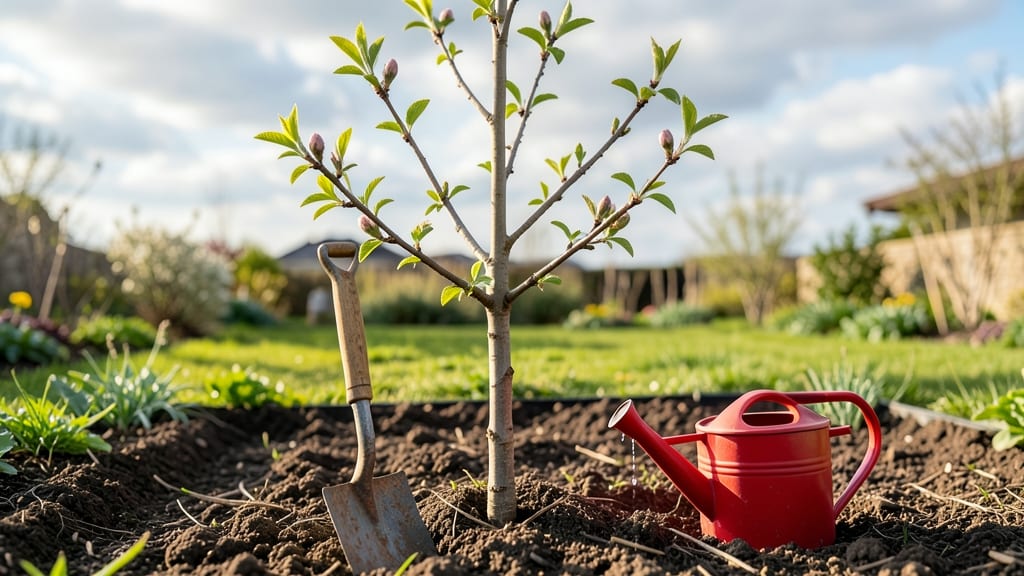
Planting an apricot tree sapling isn’t just about sticking it in the ground—it’s about setting up a future harvest that keeps giving year after year. I learned the hard way that skipping proper pruning means stunted growth, fewer fruits, and a tree that struggles to survive winter.
The secret to a thriving apricot isn’t complicated: it’s pruning science—timing cuts to encourage strong branches, remove weak wood, and keep the tree healthy even when the weather turns cold.
The first year is all about establishing roots and structure. You’ll need well-draining soil with a pH between 6.0 and 7.0, full sun for at least 6-8 hours a day, and consistent watering—deep but not soggy—to help the sapling establish itself.
Most beginners overwater, thinking more moisture means better growth, but apricots hate wet feet. Once established, pruning in late winter (before buds swell) opens the tree up to sunlight, which is when the real magic happens—more blossoms, more fruit, and a stronger framework for years to come.
By summer, you’ll see the payoff: vibrant green leaves, sturdy branches, and—if you’ve pruned correctly—an abundance of blossoms that turn into sweet, sun-ripened apricots.
The key is pruning in layers: start with shaping the tree’s form, then focus on removing dead or crossing branches, and finally thinning out crowded growth to improve airflow. Do this right, and your apricot tree won’t just survive winter—it’ll come back stronger every spring.
This method works whether you’re in a warm climate like California or a cooler zone like Oregon—just adjust pruning timing and protect young trees from late frosts.
The goal isn’t just a single harvest; it’s a tree that keeps producing for decades. Let’s get your sapling off to the right start.
📚 In This Guide
- What you need
- Instructions
- Tips and common mistakes
- Wrapping up and next steps
What you need
- ● Apricot tree sapling: 1–2 healthy, disease-free saplings (bare-root or potted, 1–3 years old)
- ● Check for Prunus armeniaca variety tags (e.g., 'Blaze Gold' or 'Royal Blenheim')
- ● Pruning tools: 1 pair bypass pruners (sharp, clean, for cuts <½” thick)
- ● 1 pruning saw (for thicker branches, if needed)
- ● 1 hand pruner (for fine trimming)
- ● Safety gear: 1 pair gloves (cut-resistant, like Felco or Fiskars)
- ● 1 safety goggles (to shield from debris)
- ● Cleaning supplies: 70% isopropyl alcohol or rubbing alcohol (for sterilizing tools)
- ● 1 scrub brush (for removing sap/resin)
- ● 1 tree wound dressing (like Tanglefoot Tree Wound Pruning Sealer—controversial but some swear by it!)
- ● 1 measuring tape (for tracking branch growth)
- ● 1 notebook (to log pruning dates and notes)
- ● 1 tree support stake (if sapling is young or in windy areas)
- ● 1 mulch (2–4” of organic mulch, like wood chips or straw, to retain moisture)
- ● ✅ Know your zone: Apricots thrive in USDA Zones 5–9 (verify your local climate!)
- ● ✅ Sunlight: Choose a spot with 6+ hours of full sun daily (no shade lovers here!).
- ● ✅ Soil test: Ideal pH: 6.0–7.0 (amend soil with compost if needed).
- ● ✅ Timing: Prune dormant saplings in late winter/early spring (before buds swell).
Step-by-Step guide to year-round apricot tree sapling care
Here’s how to keep your young apricot tree thriving through every season—no guesswork, just science-backed pruning.
Understand Your Sapling’s Growth Phases
Apricot trees grow in distinct cycles: spring flush, summer dormancy, and fall hardening. Each phase demands different pruning focus. In early spring, before buds swell, remove dead or crossing branches—this prevents disease and improves airflow. I always prune before buds break because new growth is more resilient to cuts.
Watch for new shoots in late spring; these are your tree’s energy reserves. Prune lightly here—just enough to shape the canopy. Over-pruning now stresses the tree. In summer, only trim for shape or to remove suckers at the base. Never prune heavily in summer; it triggers weak, disease-prone growth.
Prune for Structure and Health
Use clean, sharp pruning shears to make cuts at a 45-degree angle, just above a bud or branch collar. This ensures the wound heals properly. Start by removing dead, diseased, or broken branches—these are entry points for pests. I like to prune on a dry, sunny day when the tree is dormant (late winter or early spring).
Next, thin out crossing or rubbing branches—these create wounds and weaken the tree. Aim for an open vase shape with a strong central leader. If your sapling has multiple leaders, choose the strongest and prune the others at the base. This prevents future structural issues.
Maintain Through the Seasons
In summer, focus on light maintenance: trim only to remove water sprouts or suckers. These fast-growing shoots drain the tree’s energy. Use sterilized pruners to avoid spreading disease. Water deeply once a week (or more in drought) to support new growth. You’ll know your tree is happy when leaves stay dark green and firm—no yellowing or wilting.
As fall approaches, reduce watering to prepare the tree for dormancy. Prune lightly to remove any weak or diseased branches before winter. Mulch the base with 2-3 inches of organic mulch (like wood chips) to insulate roots. This protects against temperature swings and retains moisture.
Winter Protection and Spring Prep
If your sapling is young (under 3 years), wrap the trunk in tree guard or burlap to prevent rodent damage. Older trees need less protection, but a light layer of mulch still helps. In late winter, just before buds swell, do a final pruning to remove any deadwood or weak growth from the previous season.
Here’s the thing—spring is the most critical time. Prune before buds burst, but not too early. If you prune too soon, you risk damaging dormant buds. Wait until you see swollen buds but no leaves—this is your cue. After pruning, fertilize lightly with a balanced 10-10-10 formula to support new growth.
Monitor and Adjust
Check your tree monthly for signs of stress: yellow leaves, peeling bark, or unusual growth. These are red flags. If you notice pests or disease, act fast—prune infected areas immediately and sterilize your tools. Apricot trees are prone to bacterial spot and aphids, so keep an eye out.
Adjust your pruning approach based on what you see. If your tree grows too tall too fast, prune back by one-third to encourage bushier growth. If branches are too dense, thin them out to improve airflow. The goal is balance—shape without stressing the tree.
Tips & tricks for perfect apricot tree sapling care
These science-backed strategies will help your young apricot tree grow strong through every season—without the guesswork.
Timing is Everything: The key to successful pruning lies in understanding your tree's natural growth cycles. In Step 1, when you prune before buds break in early spring, you're allowing the tree to heal quickly during its most resilient phase. I've seen too many trees stressed because pruning was done too late—wait until you see swollen buds but no leaves to know it's time. This timing prevents shock and promotes vigorous new growth.
Tool Precision Matters: Step 2 emphasizes using clean, sharp pruning shears, but here's what nobody tells you—sterilize your tools between cuts. I use a 1:10 bleach-water solution to dip my shears after each branch, especially when dealing with diseased wood. This prevents spreading bacterial spot, which is particularly troublesome for apricot trees. Also, make those cuts at a 45-degree angle just above the branch collar—this small detail makes all the difference in how quickly wounds heal.
Seasonal Maintenance Strategy: The summer maintenance in Step 3 requires a light touch. When you're trimming water sprouts, focus on removing only what's absolutely necessary—these shoots may look unsightly, but they're actually storing energy for next season's fruit production. I've learned the hard way that aggressive summer pruning creates weak growth that's more susceptible to pests. Think of summer as your tree's recovery period rather than a time for major shaping.
Winter Protection Insight: For young trees under 3 years old, don't underestimate the importance of trunk protection. I've seen mice gnaw through saplings in winter, completely ruining months of growth. Wrap the trunk in tree guard or burlap, but leave some room for airflow—this prevents moisture buildup that can lead to fungal issues. The light mulch layer mentioned in Step 4 also helps regulate soil temperature, which is crucial for root health during winter's temperature swings.
Pro Tips for Apricot Tree Sapling
- These science-backed strategies will help your young apricot tree grow strong through every season—without the guesswork.
- Timing is Everything: The key to successful pruning lies in understanding your tree's natural growth cycles.
- Tool Precision Matters: Step 2 emphasizes using clean, sharp pruning shears, but here's what nobody tells you—sterilize your tools between cuts.
Frequently asked questions
Got questions about growing apricot tree saplings? You’re not alone!
Here are the answers to the most common concerns—from planting to pruning—so you can nurture a thriving tree with confidence.
When is the best time to plant an apricot tree sapling?
Plant your apricot sapling in early spring (just before buds swell) or late fall (6-8 weeks before frost). Avoid summer heat, which stresses young roots. Choose a spot with full sun (6+ hours/day) and well-draining soil—apricots hate soggy feet! If planting in containers, use a fast-draining mix with perlite or sand.
How often should I prune an apricot sapling?
Prune once a year during late winter or early spring (before buds break). Focus on:
- Removing dead, diseased, or crossing branches (use sterilized tools!).
- Thinning out overcrowded growth to improve airflow.
- Shaping the tree to open its center (apricots need sunlight!).
Why are my apricot sapling leaves turning yellow?
Yellow leaves often signal overwatering or nutrient deficiencies. Check these fixes:
- Soil drainage: Ensure pots/containers have drainage holes. Amend heavy soil with compost.
- Nutrients: Test soil pH (ideal: 6.0–7.0) and fertilize lightly with citrus/fruit-tree food in spring.
- Pests: Inspect for aphids or mites (spray with neem oil if needed).
Can I grow an apricot tree in a container? If so, how big should it be?
Yes! Apricots thrive in large containers (15+ gallons) with dwarfing rootstock (like ‘Marianna 2624’). Use a minimum 24-inch diameter pot for mature trees. Key tips:
- Repot every 2–3 years to refresh soil.
- Place containers in sunny, sheltered spots (protect from strong winds).
- Water deeply when the top 2 inches of soil dry—containers dry out faster!
How cold can apricot saplings tolerate?
Most apricot varieties need 100–300 chill hours (below 45°F/7°C) to fruit well. If you’re in a mild-winter zone (Zone 7+), choose cold-hardy types like ‘Royal’ or ‘Tilton.’ For colder climates (Zone 5–6), use microclimates (south-facing walls) or row covers in winter. Young saplings are more vulnerable—mulch heavily with straw to protect roots!
Pro Tip:
Need a quick pruning refresher? Watch this 2-minute video on apricot tree shaping—it’s a game-changer for beginners!
Wrapping up and next steps
Growing an apricot tree sapling into a thriving, fruit-bearing beauty is all about patience, precision, and pruning science! 🌱 By mastering seasonal cuts, understanding growth habits, and avoiding common mistakes, you’ll nurture a tree that rewards you with delicious apricots year after year.
Whether you’re a seasoned gardener or just starting, every snip brings you closer to that golden harvest.
Ready to take the next step? Start small—pick one pruning task this season, like shaping your sapling’s framework or thinning crowded branches. Before you know it, your apricot tree will be standing tall, proud, and bursting with potential. Happy pruning! 🌟