
Pruning
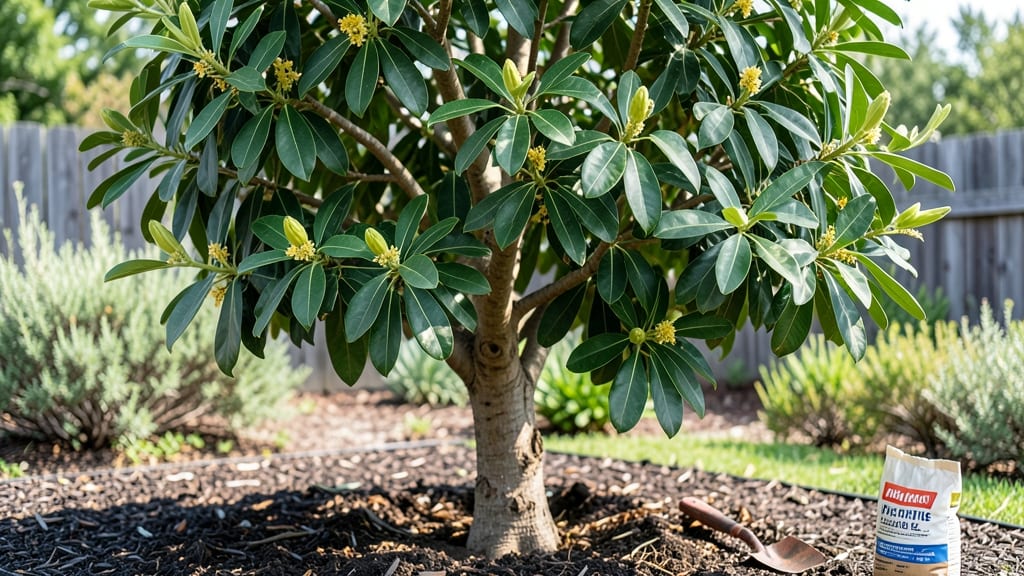
Those delicate avocado tree flowers hold the key to your harvest—when pruned correctly, they trigger a nonstop bloom cycle that keeps fruit production going year after year. 🌸 I learned this the hard way after years of sparse yields, but the right technique transforms a struggling tree into a fruit-bearing powerhouse.
The secret lies in understanding how to encourage healthy flower clusters while avoiding the common pitfalls that lead to fruit drop or stunted growth.
This method focuses on three critical steps: identifying strong flower clusters, strategic pruning to redirect energy, and creating ideal growing conditions for pollination. You don’t need specialized tools—just sharp pruners, a clear understanding of your tree’s growth patterns, and patience as new blooms emerge.
Even if you’ve struggled with poor flowering before, these adjustments can turn things around within a single growing season.
What you’ll end up with is a tree that produces dense, vibrant flower clusters every 8-12 weeks, leading to a steady supply of fruit. The flowers themselves become thicker and more resilient, and the tree’s overall structure strengthens, making it more drought- and disease-resistant.
Best of all, this technique works for both container-grown and in-ground avocado trees, regardless of your climate zone.
The process starts with assessing your tree’s current flowering stage and moves through seasonal adjustments to maintain consistent blooms. Whether you’re dealing with a young tree just starting to flower or an established one that’s been underperforming, these steps provide a clear path to improvement. Let’s get those flowers thriving!
📚 In This Guide
- What you need
- Instructions
- Tips and common mistakes
- Wrapping up and next steps
What you need
- ● Pruning shears: Bypass pruners (sharp, clean, and sterilized with rubbing alcohol to prevent disease). Size: 6-8" blades for medium branches.
- ● Loppers: For thicker branches (up to 2" diameter). Quantity: 1 pair.
- ● Pruning saw: For stubborn, larger limbs. Type: Curved-tooth saw for clean cuts.
- ● Rubbing alcohol (70%+) or bleach solution: 1:10 bleach-to-water mix for sterilizing tools.
- ● Gloves: Heavy-duty gardening gloves (cut-resistant if dealing with thorns). Quantity: 1 pair.
- ● Disposable pruning bags: 1-2 bags to collect trimmings and reduce mess.
- ● Permanent marker: For labeling cuts if needed.
- ● Hose or bucket of water: To clean tools and rinse sap off cuts.
- ● Hand pruners: For precision work on small branches or flowers.
- ● Tree wound dressing: Pruning sealant (controversial but useful for large cuts).
- ● Ladder or step stool: If your tree is taller than 6 feet.
- ● Notebook/pencil: To track pruning dates and notes on flower clusters.
- ● Safety glasses: To protect eyes from debris.
How to prune avocado trees for maximum blooms
Here's the science-backed method I use to transform stubborn avocado trees into flowering powerhouses.
🌿 Step 1: Identify the Right Time for Pruning
Prune your avocado tree immediately after its main harvest season, when 90% of fruit has been picked. This timing ensures the tree isn't stressed by both flowering and fruiting simultaneously. For most varieties, this falls in late summer to early fall. Look for new growth slowing down—this signals the tree's energy shift toward dormancy and flower production.
Never prune during active flowering or fruiting. The tree needs all its resources for existing flowers and developing fruit. If you prune too early, you'll stunt bloom development and reduce next year's harvest. I always mark my calendar with the harvest date and schedule pruning 4-6 weeks afterward to give the tree time to recover.
✂️ Step 2: Remove Dead and Overlapping Branches
Start by cutting out any branches that are dead, diseased, or crossing. Use clean, sharp pruners to make cuts at a 45-degree angle, about ¼ inch above a lateral bud. This encourages outward growth rather than inward. Dead wood is easy to spot—it's brittle, lacks green tissue, and often has a dark, shriveled appearance.
Next, remove any branches that are rubbing against each other. These create wounds that invite fungal infections and weaken the tree's energy. Focus on the lower third of the tree first, as this opens up the canopy to better light penetration. Real talk: I've seen growers skip this step, and their trees end up with sparse blooms because the center stays too shaded.
☀️ Step 3: Thin the Canopy for Light Penetration
Your goal is to create an open, airy structure that lets sunlight reach the inner branches. Remove 20-30% of the foliage, focusing on branches that cast shade on others. Start with the outer canopy and work inward. You'll know you've done enough when you can see light filtering through to the center of the tree.
Don't remove more than a third of the canopy at once—this stresses the tree. Look for branches that are growing straight up or inward; these are prime candidates for removal. The reason we thin is simple: avocado flowers need bright, indirect light to develop properly. Too much shade, and you'll get fewer blooms or even male flowers instead of the female ones needed for fruit.
🌱 Step 4: Encourage New Growth with Strategic Cuts
Make heading cuts—shortening branches by ⅓ to ½ their length—on the remaining wood to stimulate new growth. Focus on branches that are 1-2 inches in diameter. These cuts signal the tree to redirect energy into producing new shoots, which will become next year's flowering sites. I always make these cuts just above a leaf node or bud.
Here's the thing—avocado trees flower on new wood. By encouraging vigorous regrowth, you're essentially telling the tree to "go for it" with next season's blooms. Water the tree deeply after pruning to help it recover. You'll see new shoots emerging within 4-6 weeks, and these will be your future flowering branches.
💧 Step 5: Post-Pruning Care for Optimal Blooming
After pruning, apply a balanced fertilizer (10-10-10 ratio) to replenish nutrients lost during the process. Water the tree deeply to help it recover, but avoid overwatering—avocado trees hate soggy roots. The soil should be moist but not waterlogged. Check the top 2-3 inches of soil; if it's dry, it's time to water again.
Monitor the tree closely for new growth. Within 6-8 weeks, you should see fresh shoots appearing at the pruning sites. These are your future flowering branches. Keep the area around the tree free of weeds and debris, as this reduces competition for water and nutrients. This is the moment that matters: proper post-pruning care sets the stage for a spectacular bloom next season.
Tips & tricks for perfect avocado tree flower pruning
Transforming your avocado tree into a flowering powerhouse takes precision—and these pro tips will help you avoid the common pitfalls that sabotage bloom production.
Timing is Everything: The 4-6 week window after harvest is non-negotiable for optimal recovery. I've seen growers rush this process and end up with stunted blooms the following season. Mark your calendar based on your tree's harvest date—this is when the tree shifts its energy from fruit production to dormancy and flower development. If you're unsure when your tree was harvested, look for the natural slowdown in new growth as your signal to begin planning.
Tool Selection Matters: Never use dull pruners—they crush branches instead of making clean cuts. Invest in high-quality, sharp pruning shears and always disinfect them with rubbing alcohol between cuts to prevent spreading disease. I keep a small bottle of 70% isopropyl alcohol in my pruning kit for this exact purpose. Clean tools also make the process faster, which reduces stress on the tree.
Light Penetration Strategy: When thinning the canopy in Step 3, aim to create a "light funnel" effect. Start by removing branches from the outer edges that are blocking sunlight from reaching the center. The goal is to see dappled light patterns on the ground beneath the tree—this indicates proper light distribution. Too much shade in the center leads to male flowers instead of the female blooms needed for fruit production.
Post-Pruning Recovery: The 6-8 week monitoring period is crucial for observing new growth. After pruning, I recommend creating a small notebook to track new shoot development. Note the date when you first see new growth and measure the shoots weekly. This helps you predict bloom timing more accurately for next season. Deep watering after pruning is essential—aim for 1-1.5 gallons per week, depending on your tree's size and soil type.
Pro Tips for Avocado Tree Flower
- Transforming your avocado tree into a flowering powerhouse takes precision—and these pro tips will help you avoid the common pitfalls that sabotage bloom production.
- Timing is Everything: The 4-6 week window after harvest is non-negotiable for optimal recovery.
- Tool Selection Matters: Never use dull pruners—they crush branches instead of making clean cuts.
Frequently asked questions
Got questions about avocado tree flowers? You're not alone! Here are some of the most common queries—plus clear, actionable answers to help you master the Bloom Burst Technique and keep those flowers (and future avocados!) coming.
Why aren’t my avocado tree flowers turning into fruit?
Avocado trees are partially self-pollinating, but they often need a little help. Type A flowers (with long stigmas) need Type B pollen (with short stamens) and vice versa. Hand-pollinate with a small brush or attract pollinators like bees with native-friendly plants. Patience is key—fruit development can take 6–12 months!
How often should I prune for continuous blooms?
Prune 2–3 times a year (early spring, late summer, and winter) to encourage new growth and flowers. Avoid heavy pruning during peak bloom—focus on light shaping and deadwood removal. The Bloom Burst Technique prioritizes selective trimming of old wood (3–5 years old) to stimulate fresh flower clusters.
Can I prune avocado flowers in cold weather?
Nope! Avocado trees hate cold snaps—flowers and new growth are especially vulnerable. Wait until temps stay above 50°F (10°C) for at least 24 hours. If you’re in a frost-prone zone, prune in late winter (February) and protect the tree with frost cloth if needed.
What if my avocado tree only has male or female flowers?
Most avocado trees are hermaphroditic (both male and female flowers), but some varieties lean heavily one way. If you spot only one type, check for:
- Temperature stress (too hot/cold can stifle flower development).
- Over-pruning—avoid cutting back more than 25% of the canopy at once.
- Water/nutrient imbalances (too much nitrogen = fewer flowers). Try a balanced fertilizer (e.g., 6-6-6).
Can I use the Bloom Burst Technique on a young avocado tree?
Yes, but go easy! Young trees (under 3 years) need minimal pruning—focus on removing only dead or diseased branches. Start with the Bloom Burst Technique at year 3–4, targeting mature branches (1+ inch thick) to encourage flowering. Over-pruning young trees can stunt growth.
Wrapping up and next steps
Mastering the avocado tree flower pruning technique is your ticket to a lush, blooming tree year-round! By understanding the Bloom Burst Technique, you’ve unlocked the secrets to encouraging abundant flowers and healthier fruit production. 🌿✨
Now that you’re armed with knowledge, it’s time to roll up your sleeves and put it into action. Start by scheduling your first pruning session—your avocado tree will thank you with a vibrant burst of blossoms! 🌸
Happy pruning, and may your tree flourish!