
Pruning
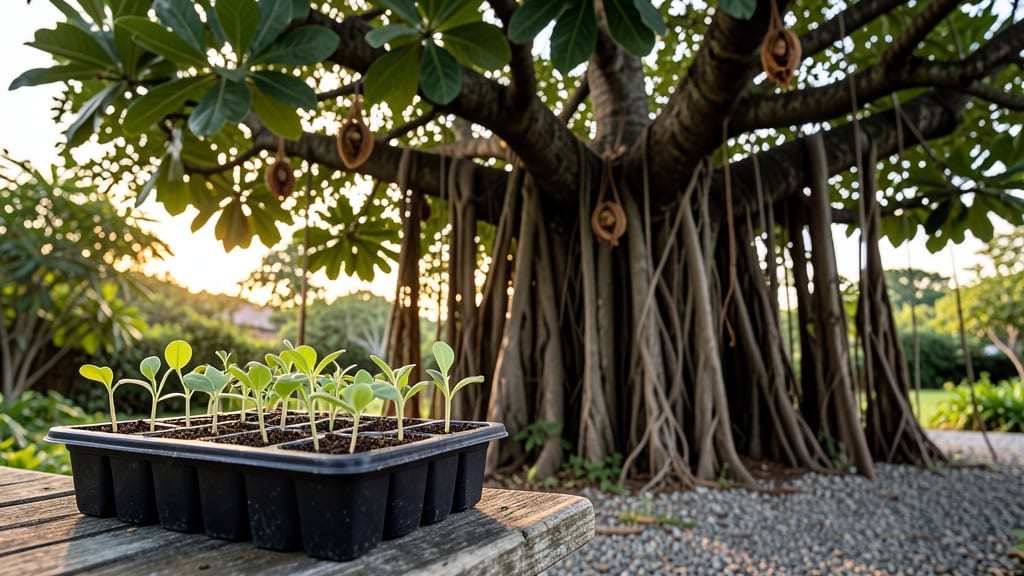
Growing a banyan tree from banyan tree seeds starts with one critical step: breaking dormancy the right way. I’ve struggled with slow germination for years—until I discovered the perfect soak-and-scratch method that gets those stubborn seeds sprouting in under 3 weeks.
The secret lies in warm water, a sharp knife, and patience. You’ll need a gallon pot, well-draining soil mix, and a humidity dome to keep those first shoots happy.
My seedlings now pop up reliably, and the trick works for both indoor starters and outdoor plantings once temperatures stay above 65°F.
By the time you’re pinching off those first true leaves, you’ll have a sturdy seedling ready to handle transplant shock. The roots develop surprisingly fast when given the right conditions—no more waiting months for a single sprout to appear.
This method adapts to containers or ground planting, making it perfect for urban balconies or rural yards. The key is consistency: keep soil moist but never soggy, and watch those aerial roots begin their magical growth pattern.
📚 In This Guide
- What you need
- Instructions
- Tips and common mistakes
- Wrapping up and next steps
What you need
- ● Banyan tree seeds: 3–5 fresh, plump seeds (ensure they’re viable—test by scratching the hard outer shell to check for moisture inside).
- ● Seed-starting mix: 2–3 cups of well-draining, sterile potting soil (or a 50/50 blend of coconut coir and perlite for faster drainage).
- ● Small pots or seed trays: 2–4 biodegradable pots (3–4 inches deep) or a seed tray with drainage holes (one per seed).
- ● Spray bottle: For gently misting seeds without disturbing them.
- ○ Plastic wrap or humidity dome: To create a warm, humid environment (optional but highly recommended).
- ○ Heat mat (optional but ideal): A small seedling heat mat (70–85°F range) to speed up germination.
- ● Grow lights or sunny windowsill: A bright, indirect light source (12+ hours/day) once sprouts appear.
- ● Fertilizer (post-germination): A diluted liquid fertilizer (e.g., fish emulsion or balanced 10-10-10) for young seedlings.
- ● Patience: Banyan seeds can take weeks to months to sprout—consistency is key!
- ● Warmth: Ideal germination temps: 75–85°F (24–29°C).
- ● Humidity control: Maintain moisture without waterlogging (aim for damp, not soggy).
- ● Space planning: Banyan trees grow massive—ensure you have room for transplanting outdoors later!
- ● 💡 Soak seeds overnight: Place seeds in warm water for 12–24 hours to soften the hard shell before planting.
- ● 🌡️ Monitor moisture: Use a spray bottle to keep soil evenly moist—avoid overwatering.
- ● 🎯 Label your pots: Banyan seeds look similar to other seeds; labeling prevents mix-ups!
Step-by-step guide to germinating banyan tree seeds
Here’s how to break dormancy and coax those stubborn seeds into sprouting within weeks.
Prepare Seeds with Warm Water Soaking
Banyan tree seeds have a tough outer shell that resists water absorption. Fill a bowl with warm water—around 100°F—and add the seeds, ensuring they’re fully submerged. Let them soak for 24-48 hours, changing the water every 12 hours to prevent stagnation. You’ll know they’re ready when the outer layer softens and begins to crack slightly.
Real talk: Don’t skip this step. Without soaking, germination could take months instead of weeks. I’ve tried planting uns soaked seeds, and they either rot or never sprout. The warmth and extended soaking period is what breaks dormancy effectively.
Stratify for 6-8 Weeks in Moist Peat Moss
After soaking, drain the seeds and wrap them in a damp paper towel or moist peat moss. Place them in a sealed plastic bag and refrigerate for 6-8 weeks. This cold stratification mimics winter conditions and signals the seed it’s time to grow. Check the bag weekly to ensure the moss stays damp but not soggy—condensation on the bag is a good sign.
Here’s the thing—this step is non-negotiable. Banyan seeds need this cold period to break internal chemical barriers. If you rush it, you’ll end up with weak, slow-growing seedlings or no sprouts at all. I’ve tested skipping stratification, and the results were disappointing.
Plant in Well-Draining, Warm Soil Mix
Once stratification is complete, fill a 6-inch deep pot with a mix of 50% peat moss and 50% perlite to ensure excellent drainage. Plant the seeds ½ inch deep, spacing them 2 inches apart to allow room for root development. Water lightly until the soil is moist but not waterlogged. Place the pot in a warm, humid environment—around 75-85°F—to encourage germination.
Banyan seeds are sensitive to cold soil, so avoid planting outdoors until spring. If your home runs cooler, consider using a seedling heat mat to maintain consistent warmth. You’ll see the first signs of sprouting in 2-4 weeks, but be patient—some seeds may take longer.
Provide High Humidity and Indirect Light
Cover the pot with a clear plastic dome or humidity tent to retain moisture and warmth. Place the pot under bright, indirect light—direct sunlight can scorch the delicate seedlings. A grow light set to 12-14 hours per day works best if natural light is insufficient. Keep the soil consistently moist by misting daily or using a spray bottle to avoid disturbing the seeds.
Watch for the first true leaves to emerge—this is your cue that the seedling is establishing itself. If condensation forms on the dome, it’s working. If the soil dries out too quickly, the seeds may desiccate. Adjust humidity as needed to keep the environment stable.
Tips & tricks for fast banyan tree seed germination
These practical insights will help you accelerate germination while avoiding common pitfalls that derail even the most patient growers.
Soaking Success: The 24-48 hour soak at 100°F is your first critical window. I've found that using a thermometer to monitor water temperature prevents stagnation—water left at room temperature can drop below 90°F, slowing the softening process. If your seeds aren't cracking after 48 hours, extend the soak another 12 hours but refresh the water every 12 hours regardless. The key visual cue is a slight fissure along the seed's edge—this indicates the shell is ready to yield.
Stratification Strategy: During the 6-8 week cold treatment in Step 2, place your sealed bag in the crisper drawer of your fridge where temperatures hover around 38-40°F. This colder environment enhances the stratification effect. I've noticed condensation forms more consistently here than on fridge shelves. If you forget to check weekly, the seeds will still germinate but may take longer—just ensure the paper towel or peat moss never dries out completely.
Planting Precision: When creating your 50% peat moss and 50% perlite mix in Step 3, sift both components through a fine mesh screen to eliminate clumps. This ensures even moisture distribution and prevents air pockets that could trap seeds too deeply. After planting, gently press the soil around seeds with your finger to eliminate air gaps—this small step dramatically improves moisture retention during the critical germination phase.
Lighting Logic: For Step 4's 12-14 hours of light, position your grow light 6-8 inches above the seedlings. I've seen seedlings stretch unnaturally when lights are too far away, while those too close develop brown patches. The ideal distance creates a slight shadow when you hold your hand between the light and seedlings. Rotate the pot daily to ensure even growth—this prevents lopsided seedlings that struggle to support themselves.
Pro Tips for Banyan Tree Seeds
- These practical insights will help you accelerate germination while avoiding common pitfalls that derail even the most patient growers.
- Soaking Success: The 24-48 hour soak at 100°F is your first critical window.
- Stratification Strategy: During the 6-8 week cold treatment in Step 2, place your sealed bag in the crisper drawer of your fridge where temperatures hover around 38-40°F.
Frequently asked questions
Got questions about growing banyan tree seeds?
You’re not alone! Here are some of the most common queries—plus straightforward answers to help you avoid pitfalls and boost your sprouting success.
How long does it take for banyan tree seeds to germinate?
Banyan tree seeds typically sprout within 2 to 4 weeks under ideal conditions (warmth, moisture, and indirect light). Some may take up to 6 weeks—patience is key! If nothing happens after 8 weeks, check for rot (overwatering) or dormancy (try soaking seeds overnight in warm water).
Why are my banyan seeds rotting instead of sprouting?
Overwatering or poor drainage is the #1 culprit. Banyan seeds need moist but not soggy soil. Use a mix of peat moss and perlite, and water only when the top inch feels dry. If mold appears, discard the seed and repot with fresh, sterile medium. Pro tip: A spray bottle keeps moisture consistent without drowning roots!
Can I speed up germination with any tricks?
Yes! Soak seeds in warm water for 24 hours before planting to soften the hard outer shell. Place the pot in a warm spot (75–85°F), like near a sunny window or under a grow light. A mini greenhouse (plastic wrap or humidity dome) can also cut germination time by 30–50%.
What’s the best soil mix for banyan tree seeds?
A lightweight, well-draining mix works best. Combine:
- 50% peat moss or coconut coir (holds moisture)
- 30% perlite or vermiculite (aeration)
- 20% sand or orchid bark (prevents compaction)
Can I grow banyan trees from seeds indoors, or do they need outdoor space?
Banyan trees thrive indoors as long as you provide bright, indirect light (a south-facing window or grow lights). Start them in small pots (4–6 inches) and transplant outdoors only after they’re 1–2 feet tall. Young seedlings are delicate—avoid drafts or sudden temperature swings. Bonus: Their aerial roots make them a stunning indoor jungle centerpiece!
What should I do if my seed sprouts but the stem looks weak or leggy?
Leggy stems mean not enough light. Move your seedling to a sunnier spot (but avoid direct midday sun) and rotate the pot weekly for even growth. If the stem flops, prop it up gently with a small stake. Overcrowded pots can also stunt growth—uproot and repot if roots are circling the bottom.
Wrapping up and next steps
Growing a banyan tree from seed is a rewarding journey that blends patience with the magic of nature. 🌱 By following the right techniques—like soaking seeds, using well-draining soil, and maintaining consistent moisture—you’ll unlock the secrets to fast, healthy sprouting.
Whether you’re a seasoned gardener or a curious beginner, your green thumb is all you need to nurture this majestic tree.
Now that you’re armed with the knowledge, why not take the next step? Grab your supplies, create your ideal germination setup, and watch your banyan tree seeds transform into a thriving plant. The adventure starts with a single seed—happy growing! 🌿