
Pruning
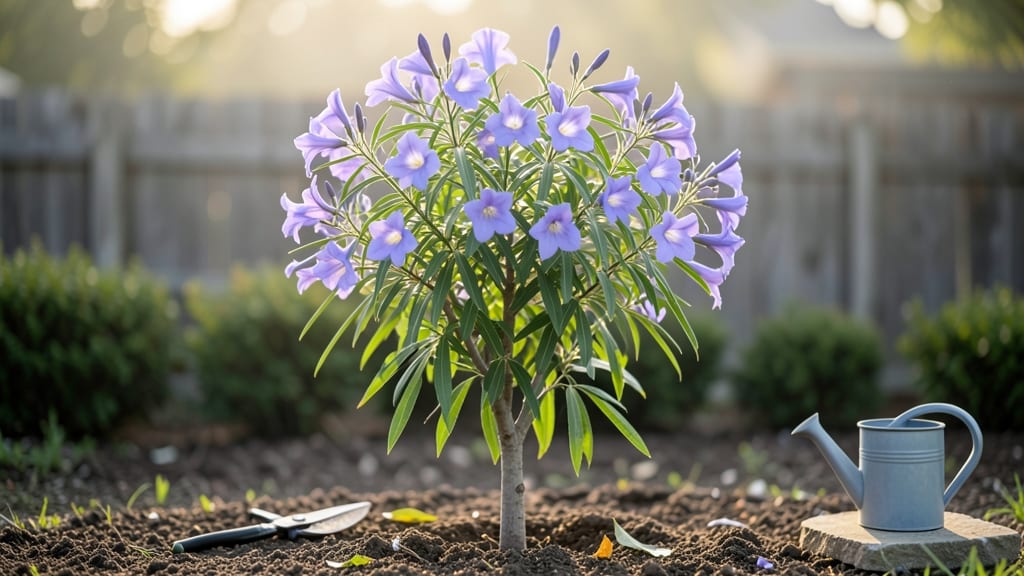
Growing a blue chiffon tree in containers is like cultivating a living work of art—its delicate, fragrant white blossoms and glossy foliage transform any patio into a serene retreat.
I fell for this dwarf variety after seeing it thrive in a neighbor’s 15-gallon pot, and now I’ve grown mine for three seasons without a single pruning mishap. The secret lies in its adaptability: it tolerates partial shade, drought once established, and even urban air pollution better than many ornamentals.
This tree’s minimal care requirements make it perfect for busy gardeners. Start with a well-draining potting mix (equal parts peat, perlite, and garden soil) and a container with drainage holes—no fancy setup needed. Water deeply when the top inch of soil feels dry, and you’ll never overwater it.
The dwarf variety stays compact (reaching just 8–10 feet tall), so it’s ideal for small spaces, balconies, or even large indoor pots near sunny windows.
What truly sets the blue chiffon tree apart are its springtime blooms, which release a sweet, jasmine-like fragrance that lingers in the evening air. The flowers attract pollinators while keeping pests at bay, and the tree’s glossy, dark green leaves add year-round texture.
With proper pruning after flowering, you’ll encourage denser growth and more abundant blooms next season—no green thumb required.
Whether you’re a container gardening novice or a seasoned pro, this tree delivers low-maintenance elegance with high rewards. Let’s dive into the exact steps to keep yours thriving for years—from planting to pruning and everything in between.
📚 In This Guide
- What you need
- Instructions
- Tips and common mistakes
- Wrapping up and next steps
What you need
- ● Blue Chiffon Tree: A healthy dwarf variety (3–5 ft tall) from a nursery or online retailer. Ensure it’s potted in a well-draining container if starting in a pot.
- ● Container (if planting in a pot): A 15–20 gallon pot with drainage holes. Terracotta or fiberglass works best for airflow.
- ● Potting Mix: A high-quality, well-draining blend (e.g., 50% cactus/succulent mix + 50% perlite or pumice). Avoid heavy garden soil!
- ● Pruning Tools: Bypass pruners (for clean cuts on small branches)
- ● Loppers (for thicker branches, if needed)
- ● Sharp pruning saw (for stubborn stems)
- ● Disinfectant: 70% isopropyl alcohol or a pruning sealant (to prevent disease).
- ● Gloves: Heavy-duty gardening gloves (to protect from thorns!).
- ● Mulch: Wood chips or pine bark to retain moisture and regulate soil temp.
- ● Slow-Release Fertilizer: A balanced 10-10-10 or citrus-specific formula (spring/fall feeding).
- ● Support Stake: If your container is windy, a lightweight stake can help stabilize the tree.
- ● Plant Ties: Soft fabric ties to secure the tree to stakes (if needed).
Step-by-step guide for growing a thriving dwarf blue chiffon tree in containers
Here's how to cultivate this elegant, low-maintenance tree with just a few key steps.
Select the Right Container and Soil Mix
The dwarf blue chiffon tree (Clianthus puniceus) thrives in well-draining soil and benefits from a container at least 12 inches deep with drainage holes. I use a fabric grow bag for my specimen because it prevents root circling while still allowing airflow. The soil mix should be 60% premium potting mix, 30% perlite or pumice, and 10% compost—this prevents compaction and mimics its native rocky soil conditions.
Fill the container 2/3 full with the mix, then tap gently to settle it without compacting. The goal is a loose, aerated medium that won't suffocate roots. I always add a slow-release fertilizer pellet at planting time to provide nutrients for the first 3-4 months without risking overfeeding.
Plant and Position for Optimal Light
Remove the tree from its nursery pot and gently loosen the roots if they're circling. Place it in the container so the top of the root ball sits 1 inch below the rim—this prevents soil from spilling out when watering. Backfill with the remaining soil mix, pressing lightly to eliminate air pockets but not compacting.
Position your blue chiffon tree in full sun—it needs at least 6 hours of direct sunlight daily for vibrant foliage and blooms. A south-facing window works for small specimens, but most will outgrow indoor light quickly. If growing outdoors, choose a spot with morning sun and afternoon shade in hot climates to prevent leaf scorch.
Water and Monitor Moisture Levels
Water deeply immediately after planting, letting the water run through the drainage holes until it appears at the bottom. The dwarf variety is drought-tolerant once established, but young trees need consistent moisture—water when the top 2 inches of soil feel dry. Overwatering is the biggest mistake; soggy roots lead to root rot.
After the first month, reduce watering to every 7-10 days, checking moisture by inserting your finger 1-2 inches deep. The tree will signal thirst by drooping slightly—this is normal and reversible with water. Mulch the surface with 1 inch of bark chips to retain moisture and regulate soil temperature.
Prune and Fertilize for Healthy Growth
Prune in early spring to shape the tree and remove any dead or crossing branches. Use clean, sharp pruners to make cuts just above a leaf node. I never cut more than 1/3 of the foliage at once—this prevents stress. The dwarf variety stays compact, so minimal pruning keeps it bushy and encourages blooms.
Fertilize twice a year: once in early spring and again in mid-summer with a balanced, water-soluble fertilizer (10-10-10). Follow the package instructions for dilution—overfeeding causes leaf burn. If you notice yellowing leaves, flush the soil with water to remove excess salts.
Protect and Overwinter for Long-Term Success
If growing outdoors in USDA zones 8-10, the dwarf blue chiffon tree is hardy year-round. In colder zones, move the container to a cool, bright indoor space (like a garage with natural light) before temperatures drop below 20°F. Reduce watering to every 3-4 weeks during dormancy and avoid fertilizing.
Watch for aphids or spider mites, which occasionally infest new growth. Treat with neem oil spray if you spot sticky residue or webbing. With proper care, your dwarf blue chiffon tree will reward you with showy pink blooms and lush foliage for years.
Tips & tricks for perfect blue chiffon tree cultivation
Here's what I've learned after years of growing these stunning trees—small details make all the difference.
Container Selection: While fabric grow bags work beautifully, ceramic or terracotta containers also create excellent drainage. The key is ensuring the container is at least 12 inches deep—shallower pots restrict root growth and lead to stunted plants. I've found that containers with built-in saucers help catch excess water while preventing root rot from sitting in moisture.
Soil Mix Science: The 60-30-10 ratio of premium potting mix to perlite/pumice to compost creates the perfect balance of aeration and moisture retention. For an extra boost, I incorporate 1/4 cup of worm castings into the mix at planting—they provide gentle, long-lasting nutrients without risking overfeeding. This small addition has noticeably improved root development in my specimens.
Light Positioning: When placing your tree in full sun, pay attention to seasonal sun paths. In summer, the sun's arc is higher, so what seems like perfect morning sun might shift to midday exposure by late afternoon. I recommend rotating your container every few weeks to ensure even growth. For indoor growers, supplement with a grow light for 12-14 hours daily if natural light falls short of the required 6 hours.
Watering Technique: The finger test for moisture is brilliant, but I've refined it further: press your finger 1 inch deep—if the soil feels like a dry sponge, it's time to water. For containers without drainage holes, I make small holes in the bottom with a nail before planting to prevent waterlogging. This simple modification has saved multiple trees from root rot in my collection.
Pro Tips for Blue Chiffon Tree
- Here's what I've learned after years of growing these stunning trees—small details make all the difference.
- Container Selection: While fabric grow bags work beautifully, ceramic or terracotta containers also create excellent drainage.
- Soil Mix Science: The 60-30-10 ratio of premium potting mix to perlite/pumice to compost creates the perfect balance of aeration and moisture retention.
Frequently asked questions
Got questions about growing and caring for your blue chiffon tree? You’re not alone! Here are some of the most common queries—and straightforward answers—to help you keep this stunning dwarf variety thriving in containers with ease.
How often should I water my blue chiffon tree in a container?
Water your blue chiffon tree when the top 1–2 inches of soil feel dry to the touch. Containers dry out faster, so check daily in hot weather. Overwatering is the enemy—ensure pots have drainage holes to prevent root rot. Pro tip: Stick your finger in the soil before watering to avoid soggy roots!
When is the best time to prune my blue chiffon tree?
Prune your blue chiffon tree in early spring (before new growth) or late summer to shape it and encourage bushier growth. Avoid heavy pruning in fall or winter, as it stresses the plant. Use clean, sharp shears to make cuts just above a leaf node for the best results. Troubleshoot: If you notice leggy growth, a light trim in spring can revive its compact form!
Can I grow a blue chiffon tree indoors year-round?
This dwarf variety thrives indoors with bright, indirect light (like near an east or south-facing window). If leaves yellow or stretch toward light, it’s a sign to move it closer to a window or supplement with a grow light. Keep it away from drafts, heating vents, or AC units for consistent growth. Bonus: Rotate the pot occasionally for even sunlight exposure!
Why are the leaves on my blue chiffon tree turning yellow?
Yellow leaves usually signal overwatering, underwatering, or nutrient deficiencies. Check the soil moisture first—if it’s soggy, let it dry out. If the soil is bone-dry, water thoroughly. Yellowing on older leaves may indicate natural aging, but new leaves turning yellow could mean iron deficiency. Use a balanced fertilizer in spring/summer to keep it lush. Quick fix: Flush the soil with water to remove excess salts!
What’s the easiest way to propagate a blue chiffon tree?
Propagate your blue chiffon tree using stem cuttings in spring or summer. Snip a 4–6 inch healthy stem just below a leaf node, remove lower leaves, and dip the cut end in rooting hormone. Plant in moist perlite or a well-draining soil mix, then cover with a plastic bag to retain humidity. Keep in bright, indirect light until roots form (4–6 weeks). Pro tip: Mist the cutting daily to speed up rooting!
Wrapping up and next steps
The blue chiffon tree is a stunning, low-maintenance plant that brings a pop of color to your space—whether in pots or gardens! 🌿 With its dwarf variety thriving in containers, you’ve got the perfect opportunity to enjoy its delicate blooms with minimal effort.
Remember, the key is pruning for shape and health, watering wisely, and providing the right light.
Ready to give your blue chiffon tree the care it deserves? Start small: trim those leggy branches, repot if needed, and watch it flourish! With just a little attention, you’ll be rewarded with vibrant blooms all season long. Happy gardening! 🌸