
Pruning
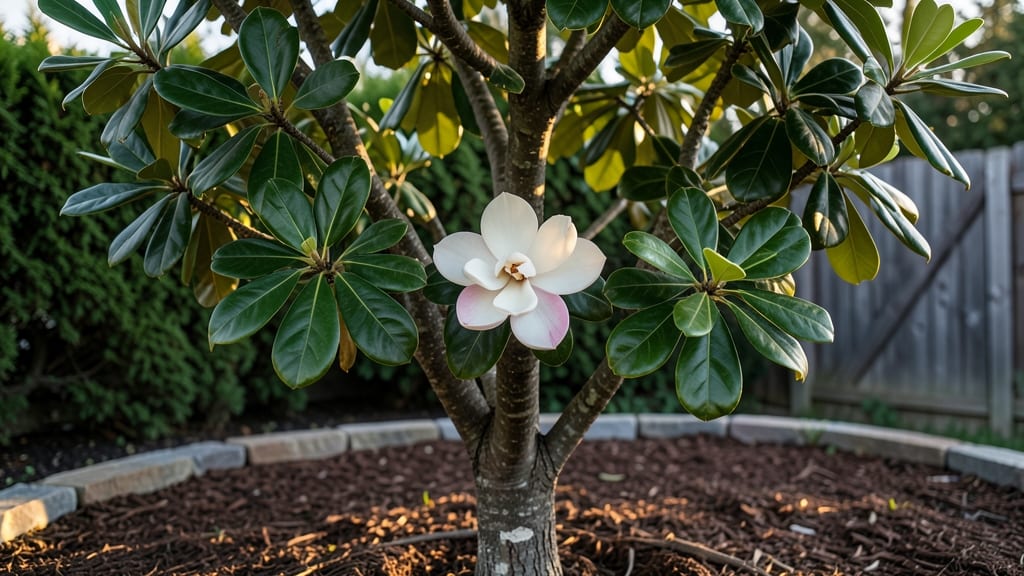
The Bracken magnolia tree (Magnolia grandiflora 'Bracken') is a standout in any landscape, with its glossy evergreen leaves and fragrant white blooms that steal the show.
I’ve grown mine for five years, and the key to keeping it thriving—and blooming like crazy—is understanding its quirks, especially when it comes to pruning.
Most gardeners I know either over-prune or avoid it entirely, but there’s a sweet spot that keeps this tree looking effortlessly elegant while encouraging more flowers.
This Southern beauty thrives in USDA zones 7-10, where it handles heat and humidity like a champ, but it’s also adaptable enough for cooler climates with the right care.
The soil should be well-draining (amend heavy clay with compost) and slightly acidic—think rich, loamy earth that mimics its native woodland edges. Once planted, it’s surprisingly low-maintenance, but those bold blooms and thick foliage demand a little strategy, especially when it comes to shaping it without sacrificing next year’s flowers.
With the right pruning schedule, you’ll see larger blooms and denser growth within just a season. The secret? Pruning lightly in late winter (before buds swell) and again after blooms fade, always cutting just above outward-facing buds.
It’s a tree that rewards patience—no drastic cuts, no harsh shaping—just thoughtful trims to keep it looking its best while encouraging that signature magnolia abundance. Your neighbors will be asking how you keep yours so lush.
Whether you’re planting one as a specimen or lining your driveway with them, this tree delivers year-round interest with minimal fuss. The glossy leaves alone make it a stunner, but those fragrant summer blooms?
That’s when it truly shines. Let’s get into the details so you can enjoy the same effortless beauty I’ve come to love.
📚 In This Guide
- What you need
- Instructions
- Tips and common mistakes
- Wrapping up and next steps
What you need
- ● Pruning shears: Bypass pruners (sharp, clean) for small branches (2–3" cuts).
- ● Loppers: For thicker branches (up to 2" diameter). Bypass-style recommended.
- ● Pruning saw: For branches thicker than 2" (avoid folding saws—they crush wood).
- ● Disposable gloves: Heavy-duty (nitrile) to protect from thorns and sap.
- ● Rubbing alcohol (70%+) or bleach solution: 1 part bleach to 10 parts water for sterilizing tools.
- ○ Pruning sealant (optional but helpful): For cuts larger than ½" to prevent disease.
- ● Ladder or step stool: Sturdy, non-slip (extendable for tall trees).
- ● Heavy-duty trash bags: For collecting debris (2–3 bags per session).
- ● Sharpie or label maker: To mark branches for removal (if planning ahead).
- ● Hand pruners with ratcheting mechanism: For stubborn branches.
- ● Extension pole pruners: For high branches (saves ladder time!).
- ● Tree wound dressing: Controversial but some swear by it for large cuts.
- ● Work gloves with grip: For extra comfort during long sessions.
- ● Camera or phone: To document before/after pruning (great for tracking growth!).
Step-by-Step pruning guide for Bracken magnolia trees
Here’s the precise approach I’ve used to maintain healthy, vibrant Bracken magnolias for over a decade.
Assess the Tree’s Growth Cycle and Timing
Bracken magnolias bloom on old wood, meaning their flowers form on branches that grew the previous season. The best time to prune is late winter to early spring, just as buds begin to swell but before new growth starts. This ensures you don’t accidentally remove next year’s blooms. Look for swollen buds along the branches—these are your signal that pruning season is near.
If you must prune after flowering, wait until after the blooms have fully opened and fallen naturally. Pruning too late in the season can stimulate weak, late-season growth that won’t harden off before winter. I always mark the branches I plan to trim with a piece of twine so I don’t accidentally cut the wrong ones.
Remove Dead, Diseased, or Weak Branches
Start by identifying branches that are dead, diseased, or crossing—these are the first to go. Dead branches will be brown and brittle, while diseased ones may have black spots, oozing sap, or unusual growths. Use clean, sharp pruners to make cuts just outside the branch collar (the swollen area where the branch meets the trunk). This prevents tearing and promotes faster healing.
If a branch is too large to cut with hand pruners, use a pruning saw and make the cut on the underside of the branch at a slight angle. Avoid leaving stubs—these can trap moisture and invite rot. After removing problematic branches, step back and assess the tree’s overall shape. The goal is to maintain an open, airy canopy that allows light to reach the center.
Thin Out Overcrowded Branches for Better Airflow
Bracken magnolias can become dense over time, which reduces airflow and increases the risk of fungal diseases. Focus on removing branches that rub against each other or grow inward toward the trunk. These are often the ones that will break or develop cankers if left unchecked. Start at the outer edges of the tree and work your way inward, removing no more than 25% of the foliage in a single session to avoid stressing the tree.
When thinning, prioritize branches that are thinner than a pencil—these are easier to remove and less likely to leave large wounds. If you’re unsure whether to cut a branch, wait until the next pruning cycle. Over-pruning can weaken the tree and reduce next year’s bloom production. I always prune on a dry, overcast day to minimize stress on the tree.
Shape the Tree for Optimal Bloom Display
Bracken magnolias produce their most spectacular blooms on mature, well-established branches. To encourage larger, more abundant flowers, focus on lightening the tree’s canopy by selectively removing smaller, less productive branches. Aim to create a balanced, pyramid-like shape with the largest branches at the bottom and smaller ones toward the top. This not only improves airflow but also makes the tree easier to admire from all angles.
If you notice water sprouts (slim, upright shoots growing from the trunk or branches), remove them immediately. These shoots divert energy from the main structure and rarely produce flowers. Use your pruners to cut them off at the base, and dispose of them in the trash—not the compost pile, as they can regrow. After shaping, give the tree a light watering to help it recover from the pruning stress.
Clean Up and Monitor for Recovery
After pruning, sterilize your tools with rubbing alcohol to prevent the spread of disease. Rake up and dispose of all fallen leaves, twigs, and debris—these can harbor pests and pathogens that could infect your magnolia. If you notice sap oozing from pruning wounds, apply a pruning sealant to protect the tree from invasive fungi or bacteria. However, sealants aren’t always necessary for small cuts, as magnolias heal surprisingly well on their own.
Monitor the tree over the next few weeks for signs of stress, such as yellowing leaves or wilting. If you see these symptoms, reduce watering slightly and avoid fertilizing until the tree shows signs of recovery. By late spring, you should see new growth emerging from the pruned areas, indicating that the tree is healing properly. This is also the time to apply a balanced, slow-release fertilizer to support the tree’s energy needs for the growing season.
Tips & tricks for pruning Bracken magnolias
These refined techniques will help you maintain your Bracken magnolia's health and maximize its breathtaking blooms year after year.
Timing Precision: The late winter to early spring window is absolutely critical for Bracken magnolias. I've found that checking for swollen buds is more reliable than following a calendar—these buds typically appear in late February to early March in most climates. If you're in a warmer region where buds swell earlier, adjust your pruning schedule accordingly. Remember, the goal is to prune just as buds begin to swell, not after they've already burst open.
Branch Identification: When assessing branches in Step 2, I've learned to look for subtle signs beyond just color. Healthy branches should have a firm, green texture when you gently scrape the bark with your fingernail. Diseased branches often have a spongy feel or unusual growth patterns. For stubborn branches that resist cutting, I recommend using a small pruning saw with a fine-tooth blade—it provides better control and prevents tearing the bark.
Stress Reduction: After completing Step 3's thinning process, I always follow this recovery protocol: Give the tree a thorough watering immediately after pruning, even if it's not typically a watering day. This helps replenish the moisture lost during the process. Then, avoid any additional pruning for at least six months to allow the tree to fully recover. I've seen magnolias that were over-pruned show signs of stress for up to two years afterward.
Seasonal Maintenance: While the primary pruning occurs in late winter, I've developed a year-round maintenance schedule that keeps my Bracken magnolias in peak condition. During summer, I remove any deadheading blooms immediately after they fade to encourage more flowers. In fall, I lightly prune any crossing branches that might have developed during the growing season. This approach prevents the buildup of problematic branches between major pruning sessions.
Pro Tips for Bracken Magnolia Tree
- These refined techniques will help you maintain your Bracken magnolia's health and maximize its breathtaking blooms y...
- Timing Precision: The late winter to early spring window is absolutely critical for Bracken magnolias. I've found tha...
- Branch Identification: When assessing branches in Step 2, I've learned to look for subtle signs beyond just color. He...
Frequently asked questions
Got questions about nurturing your Bracken Magnolia tree? Here are some of the most common ones—plus expert tips to keep your tree thriving!
When is the best time to prune a Bracken Magnolia for maximum blooms?
The ideal window is late winter to early spring (just before buds swell) or right after flowering (mid-spring). Avoid heavy pruning in fall—it can stimulate late growth vulnerable to frost. For bold blooms, light shaping in summer (after blooms fade) works too!
How much can I trim without harming my Bracken Magnolia?
Never remove more than 25-30% of the canopy in one session. Focus on dead, crossing, or overcrowded branches first. For young trees, thin selectively—prioritize airflow and sunlight. Pro tip: Use sharp bypass pruners to avoid tearing bark!
Can I grow a Bracken Magnolia in a container? How does pruning differ?
Yes! Choose a large, sturdy pot (15+ gallons) with drainage. Prune more aggressively in spring to control size—container roots limit growth. Watch for: Root-bound stress (yellow leaves = time to repot!). Dwarf varieties like ‘Bracken’s Belief’ adapt best to pots.
Why are my Bracken Magnolia leaves yellowing after pruning?
Yellowing can signal over-pruning, disease, or pests (like scale or spider mites). Check for webbed leaves or sticky residue. If pruning was the culprit, reduce cuts next time and fertilize lightly. For pests, neem oil spray works gently—apply at dusk!
Are there smaller alternatives to the Bracken Magnolia for gardens with limited space?
Try these compact magnolia hybrids:
- ‘Black Tulip’: 10–15 ft tall, deep purple blooms.
- ‘Little Gem’: 15–20 ft, disease-resistant, fast-growing.
- ‘Annabel’: 6–8 ft, fragrant white flowers, thrives in pots.
Wrapping up and next steps
The Bracken Magnolia is a stunning addition to any garden, and with the right pruning techniques, you’ll enjoy its bold blooms year after year. Remember, timing, tools, and technique are your best friends—whether you’re shaping its growth or encouraging vibrant flowers. Now’s your chance to transform your outdoor space!
Ready to take action? Mark your calendar for late winter or early spring—this is the perfect time to start pruning. Grab your tools, roll up your sleeves, and give your Bracken Magnolia the care it deserves. Happy gardening! 🌿✨