
Pruning
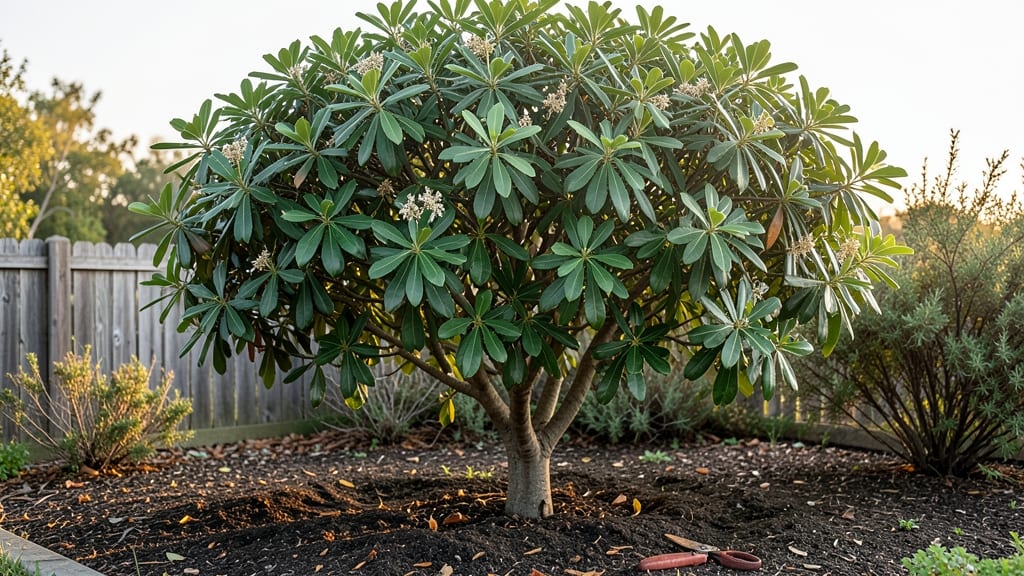
Those tiny white clusters of Brazilian pepper tree flowers might look delicate, but they’re the secret to a tree that stays lush and productive all year—if you prune them right. 🌿 I’ve learned the hard way that skipping these cuts means fewer blooms, more pests, and a scraggly shape by summer.
The key isn’t just when to trim, but how—three targeted cuts that keep the tree flowering like clockwork.
Here’s the game-changer: prune once after blooms fade to encourage new growth, again in late winter to shape the canopy, and lightly in summer to maintain vibrancy. You’ll need sharp shears, a ladder (for taller trees), and about 30 minutes of focused work—no fancy tools, just precision.
Even if your tree’s already overgrown, these cuts work year after year.
What you’ll end up with is a tree bursting with fragrant white blooms from spring to fall, followed by bright red berries that birds adore. The flowers aren’t edible, but they’re a pollinator magnet—bees and butterflies will thank you.
Plus, the tree’s dense foliage blocks noise and wind while adding year-round structure to your landscape.
Works in zones 9-11, but with the right adjustments, you can adapt these cuts for container-grown trees or cooler climates. The goal? A Brazilian pepper tree that looks like it belongs in a tropical paradise, not just your backyard. Let’s get those shears ready.
📚 In This Guide
- What you need
- Instructions
- Tips and common mistakes
- Wrapping up and next steps
What you need
- ● Pruning shears – Bypass-style (sharp, 6-8 inch blades) for clean cuts on small branches.
- ● Loppers – Bypass or anvil type (8-10 inch handles) for thicker branches (½–1.5 inches in diameter).
- ● Pruning saw – Curved-tooth for branches over 1.5 inches thick (avoid tearing the bark!).
- ● Rubbing alcohol (70% or higher) – 1 small bottle to sterilize tools between cuts.
- ● Garden gloves – Cut-resistant (e.g., nitrile-coated) to protect from thorns and sap.
- ● Disposable pruning bags – 2–3 medium-sized bags (13-gallon capacity) to collect debris.
- ● Ladder or step stool – Sturdy, non-slip (extendable if tree is over 10 feet tall).
- ● Hand pruners – For precision trimming on tiny branches or shaping.
- ● Sealing wax or pruning paste – Small tub to coat cuts larger than ½ inch (prevents disease entry).
- ● Spray bottle with water – To dampen tools and reduce dust when pruning.
- ● Notebook & pen – To sketch your tree’s shape before cutting (visual guide!).
- ● Safety glasses – If working near your face or in windy conditions.
- ● Check local regulations—some areas restrict pruning invasive species like Brazilian pepper.
- ● Wait until the tree is dormant (late winter/early spring) for major cuts or post-flowering (late summer) to shape.
- ● Avoid pruning during peak bloom (spring) to preserve flowers and fruit.
How to prune Brazilian pepper tree flowers for year-round blooms
Three simple cuts will transform your tree into a nonstop floral show.
🌿 Step 1: Early Spring Cleanup Cut
Start in late February or early March when new growth begins to appear. This is your chance to remove all dead, diseased, or crossing branches first—before the tree focuses its energy on new blooms. Use clean, sharp pruning shears to make cuts just outside the branch collar where the branch meets the trunk.
Look for branches that rub against each other or grow inward. These compete for sunlight and nutrients, weakening the tree's ability to produce vibrant flowers. Remove these first, then prune back any branches that look weak or have died over winter. You'll know you're on the right track when you see fresh, green buds starting to swell along the remaining branches.
Don't worry about removing too much at once. Brazilian pepper trees are resilient and respond well to this type of aggressive early pruning. Aim to remove about 15-20% of the tree's total volume in this first cut. This opens up the canopy, allowing more sunlight to reach the inner branches where future blooms will form.
☀️ Step 2: Mid-Summer Bloom Boost Cut
Around late June or early July, after the first flush of flowers has faded, perform your second cut. This is when you'll shape the tree for maximum flowering potential. Focus on removing any branches that grew too long during spring's rapid growth phase—these often produce fewer flowers and can look leggy.
Make your cuts just above a leaf node where you want new growth to emerge. This encourages the tree to produce multiple smaller branches from that point, each capable of bearing flowers. You'll notice the tree's natural shape starting to emerge as you remove these overgrown sections. For each cut, aim to leave a branch stub that's about ¼ inch above the outward-facing bud.
Here's the thing—this is where you'll see the most immediate difference. Within weeks, you'll notice new shoots forming at the cut points, and these will develop into next year's flowering branches. Water the tree deeply after pruning to help it recover and support this new growth.
✂️ Step 3: Late Fall Rejuvenation Cut
In November or December, after most blooms have fallen but before the first hard frost, perform your final cut of the year. This is your chance to remove any remaining dead wood, weak growth, or branches that didn't produce well during the season. Focus on maintaining an open center that allows sunlight to reach all parts of the tree.
Look for branches that grew in the wrong direction or are growing too close together. These should be pruned back to their point of origin or removed entirely if they're not contributing to the tree's overall health. You'll know you're doing this right when you can see light filtering through the center of the tree—this is crucial for encouraging flowers to develop along the inner branches.
This final cut also helps the tree prepare for winter. By removing excess growth, you reduce the tree's water needs and allow it to focus its energy on developing strong root systems. After this cut, apply a 2-3 inch layer of mulch around the base of the tree (but keep it away from the trunk) to protect the roots from winter cold.
Tips & tricks for perfect Brazilian pepper tree flower pruning
These strategic insights will help you master the art of pruning for continuous blooms—without guessing or overdoing it.
The Timing Factor: Pay attention to the specific months mentioned in each step—late February/March, late June/early July, and November/December. These windows align with the tree's natural growth cycles. In Step 1, wait until you see those fresh green buds appear before pruning, as this confirms the tree is ready to redirect energy to new growth. Don't rush the process; patience here pays off with more vibrant flowers.
Branch Selection Insight: When identifying branches to remove in Step 2, focus on those growing horizontally or inward—they're the ones that rarely produce flowers. Look for branches that grew too long during spring's rapid growth phase; these often produce fewer blooms and can look leggy. Remember the ¼ inch rule above the outward-facing bud—this small detail makes a big difference in encouraging new flowering branches.
Mulching Technique: After your final fall cut, apply that 2-3 inch layer of mulch carefully—keep it away from the trunk to prevent rot. I like to use organic mulch like shredded bark or wood chips, which also improve soil quality over time. This protective layer helps regulate soil temperature and retains moisture, both crucial for winter survival and spring blooming.
Visual Cues for Success: In Step 3, you're aiming for an open center where light can filter through. Think of it like opening the curtains in a room—everything inside gets better access to what it needs. When you see sunlight reaching the inner branches, you know you've created the perfect environment for next year's flowers to develop.
Pro Tips for Brazilian Pepper Tree Flower
- These strategic insights will help you master the art of pruning for continuous blooms—without guessing or overdoing it.
- The Timing Factor: Pay attention to the specific months mentioned in each step—late February/March, late June/early July, and November/December.
- Branch Selection Insight: When identifying branches to remove in Step 2, focus on those growing horizontally or inward—they're the ones that rarely produce flowers.
Frequently asked questions
Got questions about pruning Brazilian pepper tree flowers or managing this fast-growing shrub? Here are answers to the most common concerns—from timing to troubleshooting—so you can keep your tree thriving year-round!
When is the best time to prune Brazilian pepper tree flowers for maximum blooms?
The ideal times are late winter/early spring (before new growth) and right after flowering (late summer/early fall). Avoid heavy pruning in fall—it can stimulate tender new growth that may frost damage. Light shaping cuts in spring encourage dense, bushier blooms.
Why do my Brazilian pepper tree flowers keep dropping after pruning?
This usually happens due to over-pruning or stress from improper cuts. Avoid removing more than 25-30% of the canopy at once, and always use clean, sharp tools to prevent tearing. If it’s spring, wait until after the first flush of blooms to prune—this reduces shock.
Can I prune Brazilian pepper tree flowers to control its invasive spread?
Aggressive pruning in early spring
(before seeds mature) helps curb its invasive nature. Cut back seed pods and suckers at the base to prevent regrowth. For established trees, repeat cuts every 3–4 months keep it in check—just wear gloves (the sap can irritate skin!).
What’s the difference between pruning for flowers vs. pruning for fruit (pepper berries)?
Pruning for flowers focuses on light shaping and removing dead wood to encourage blooms. For fruit (pepper berries), prune after harvest (fall/winter) to redirect energy into next year’s crop. If you want both, prioritize spring flower cuts and fall fruit cuts.
What if I missed the pruning window? Can I still prune my Brazilian pepper tree?
Yes! Light pruning can happen anytime, but avoid heavy cuts in summer (stresses the tree) or winter (limits spring blooms). Focus on removing dead/diseased branches and thinning dense areas for airflow. Just be patient—it’ll bounce back with year-round vibrancy!
Wrapping up and next steps
The Brazilian pepper tree flower is a stunning addition to any landscape, and with the right pruning techniques, you can keep it thriving year-round! 🌿 By mastering the three strategic cuts—structural, flowering, and seasonal maintenance—you’ll ensure vibrant blooms and a healthy tree.
Remember, consistency is key, and a little effort goes a long way.
Ready to give your tree the care it deserves? Grab your pruners and start pruning today! For even more tips, check out our detailed pruning guide or consult a local arborist to tailor the approach to your tree’s unique needs.