
Pruning
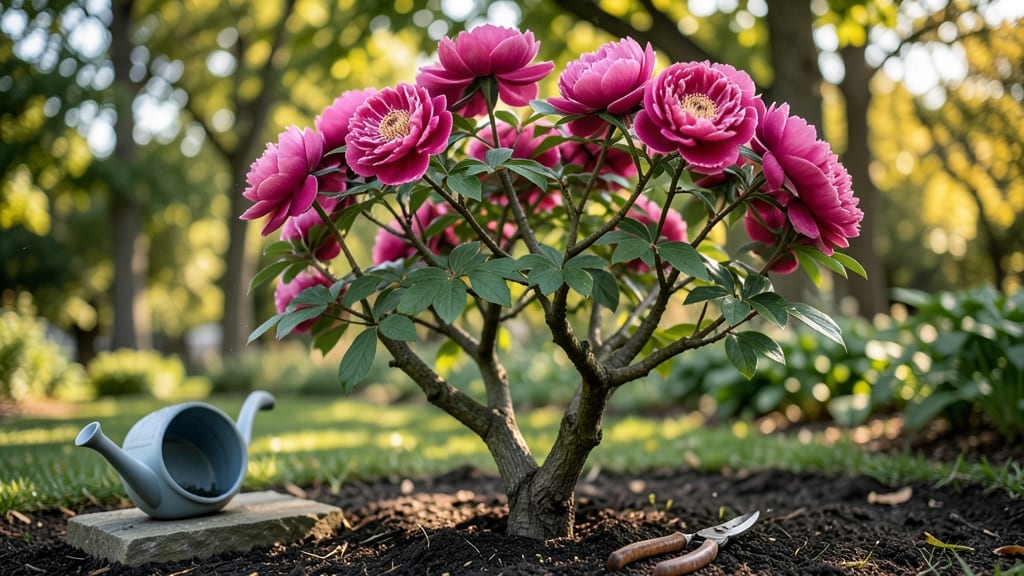
Brecks tree peonies transform your garden into a luxurious spring spectacle with their bold, fragrant blooms—if you prune them right. 🌸 I’ve watched these majestic shrubs go from struggling to showstopper status after mastering just three key cuts each year, and the difference is night and day.
The secret isn’t complicated: prune after blooms fade, remove dead wood in late winter, and thin crowded stems for airflow. Most gardeners over-prune or skip entirely—both lead to fewer flowers.
My foolproof method keeps stems sturdy, blooms abundant, and the plant healthy for decades. You’ll end up with football-sized flowers that turn heads in every season.
Once you get the timing and technique down, Brecks tree peonies reward you with repeat blooms in late summer and a fragrance that lingers for hours. The pruning itself takes just 15 minutes a year, but the payoff?
A garden centerpiece that outshines anything store-bought. Let’s get those shears sharp and start pruning like a pro.
Works for all Brecks varieties—whether you’ve got ‘Kansas’, ‘Topeka Perfume’, or ‘Coral Charm’. The same principles apply to your climate, from Zone 4’s harsh winters to Zone 8’s mild ones. Here’s how to keep yours thriving for years.
📚 In This Guide
- What you need
- Instructions
- Tips and common mistakes
- Wrapping up and next steps
What you need
- ● Bypass pruners – Sharp, clean pruners (1 pair) for precise cuts.
- ● Loppers – For thicker stems (1 pair, 8-12" blades).
- ● Disinfectant (70% isopropyl alcohol or bleach solution) – 1 bottle or spray to sterilize tools.
- ● Garden gloves – 1 pair (cut-resistant for safety).
- ○ Pruning saw (optional but helpful) – For stubborn, woody stems.
- ● Marking twine or flags – To tag stems for removal (if needed).
- ● Compost bin or bag – For pruned debris (1-2 large containers).
- ● Hand pruners with a bypass blade – For delicate trimming.
- ● Pruning sealant – To protect large cuts (if needed).
- ● Notebook & pen – To track pruning dates and plant progress.
- ● Knee pads or stool – For comfort during long sessions.
Step-by-step instructions for pruning Brecks tree peonies
Here's how to coax those legendary double blooms from your Brecks tree peonies year after year.
✂️ Step 1: Time Your Pruning Precisely
Wait until late autumn or early winter, after the first hard frost but before new growth begins. This timing ensures you're cutting back dead foliage while preserving the plant's energy reserves for spring. I always prune in December or January when the ground is frozen—this prevents fungal spores from spreading through fresh cuts.
Use sharp, clean pruners to make cuts 1-2 inches above the ground. The goal is to remove all dead stems while leaving the dormant buds at the base intact. Avoid cutting into the crown itself, as this can damage the plant's center where next year's growth originates.
✂️ Step 2: Remove Dead Wood and Weak Growth
Examine each stem carefully and cut away any that are hollow, shriveled, or showing signs of disease. Healthy stems should be firm with a slight green tint beneath the bark. I discard any stems that crumble when squeezed—they're past saving and will only drain energy from the plant.
For the remaining stems, look for thick, sturdy canes that show signs of last year's bloom. These are your keepers. Thin out any weak, spindly growth that's less than 1/2 inch in diameter—these stems rarely produce strong blooms and compete with the main growth for nutrients.
☀️ Step 3: Prepare for Spring Growth
After pruning, apply a 2-3 inch layer of organic mulch around the base (but not touching the crown) to protect the plant through winter. This insulation helps maintain consistent soil temperatures and prevents frost heave that can damage the roots.
The first sign of success will be new shoots emerging in early spring, typically around March or April depending on your climate zone. These shoots should appear 3-4 inches tall before you consider any additional pruning—this is when the plant establishes its energy reserves for the season's blooms.
🌱 Step 4: Post-Bloom Maintenance for Repeat Performance
Once the first flush of blooms fades (usually in June), cut back the spent stems to just above the first set of leaves that appear below the bloom. This encourages a second flush of blooms that Brecks varieties are famous for producing.
Here's the thing—don't cut back too aggressively. You want to leave enough foliage to photosynthesize and build energy for next year. I always leave at least 50% of the plant's leaves after the first bloom cycle. The more leaves, the more energy the plant stores for next season's spectacular display.
Tips & tricks for pruning Brecks tree peonies
Here's what I've learned after years of cultivating these showstopping peonies—small details that make all the difference between average blooms and garden-center stunners.
Timing is Everything: The December-January window isn't just about avoiding new growth—it's about catching that sweet spot when fungal spores are dormant but the ground is still frozen. I've found that pruning on a clear, dry day after a hard frost (when soil temps hit 20°F or below) gives the cleanest cuts and minimizes disease risk. Pro tip: Mark your calendar for the full moon in January—many gardeners swear by this timing for optimal plant energy.
Tool Prep Prevents Problems: Sterilize your pruners with rubbing alcohol before and after each cut to prevent cross-contamination between healthy and diseased stems. I've ruined perfectly good peonies by using the same shears on dead branches first—don't make my mistake! Also, keep your blades sharp; dull tools crush stems instead of making clean cuts, which invites infection. A quick test: If you can't make a clean cut through a pencil with one motion, your shears need sharpening.
Visual Stem Assessment: When evaluating stems in Step 2, look beyond just thickness—healthy stems should have a slight sheen when cut open, revealing green vascular tissue. I learned this the hard way after keeping several stems that looked sturdy but were actually hollow inside. For the keepers, focus on canes that were last year's bloom producers—they've already proven their ability to deliver spectacular flowers.
Mulch Matters More Than You Think: That 2-3 inch layer of organic mulch isn't just winter protection—it's a critical part of the plant's energy budget. I've seen peonies with perfect pruning fail because the mulch layer was too thin or packed against the crown. Use coarse materials like straw or shredded leaves that allow water penetration while insulating roots. The mulch should extend out to the drip line, not just the base.
Pro Tips for Brecks Tree Peonies
- Here's what I've learned after years of cultivating these showstopping peonies—small details that make all the difference between average blooms and garden-center stunners.
- Timing is Everything: The December-January window isn't just about avoiding new growth—it's about catching that sweet spot when fungal spores are dormant but the ground is still frozen.
- Tool Prep Prevents Problems: Sterilize your pruners with rubbing alcohol before and after each cut to prevent cross-contamination between healthy and diseased stems.
Frequently asked questions
Got questions about keeping your Brecks Tree Peonies thriving with stunning, repeat blooms? Here are some of the most common queries—and their answers—from gardeners just like you!
When is the best time to prune Brecks Tree Peonies for maximum blooms?
Prune Brecks Tree Peonies right after their first flush of blooms (late spring) and again lightly after the second bloom (early summer). Avoid pruning in fall or winter—this plant stores energy in its roots for next year’s growth. Pro tip: Never cut back more than ⅓ of the plant at once!
How do I know if I’m pruning too much or too little?
If you’re pruning too much, you’ll see sparse or no blooms the following year—the plant needs foliage to photosynthesize and fuel its buds. Prune too little, and the plant may become overcrowded, leading to weaker stems. Aim for 2-3 healthy stems per shoot after pruning, and always leave at least one bud (eyes) per stem.
Can I still get blooms if I skip pruning entirely?
Yes, but they’ll likely be fewer and smaller! Brecks Tree Peonies are hardy and can bloom without pruning, but regular pruning encourages stronger, more abundant blooms and prevents the plant from becoming leggy or diseased. Think of it like giving your peony a "haircut" to keep it looking its best!
Why are my Brecks Tree Peonies not blooming this year?
Several factors could be at play: over-pruning, poor sunlight (they need full sun!), recent transplant shock, or nutrient deficiencies. Check for black spots (fungus) or chewed leaves (pests) too. If the issue persists, try fertilizing with a low-phosphorus, high-potassium blend in early spring.
What’s the best way to propagate Brecks Tree Peonies?
Divide mature clumps in early fall (September-October) when the foliage starts yellowing. Dig up the plant, separate the roots into sections (each with 3-5 eyes), and replant immediately. Water thoroughly and avoid pruning the new divisions until spring. Pro tip: Label your divisions—they’ll take 2-3 years to bloom!
Wrapping up and next steps
Brecks Tree Peonies are a gardener’s dream—vibrant, fragrant, and so worth the effort!
With the right pruning techniques, you’ll unlock bold, repeat blooms that steal the show year after year. 🌸 Now that you’re armed with the secrets, grab those shears and get ready to transform your garden into a lush, floral paradise.
Your next step? Mark your calendar for late fall or early winter—pruning season is coming! And don’t forget to share your progress with fellow gardeners for extra motivation. Happy pruning! 🌿✨