
Pruning
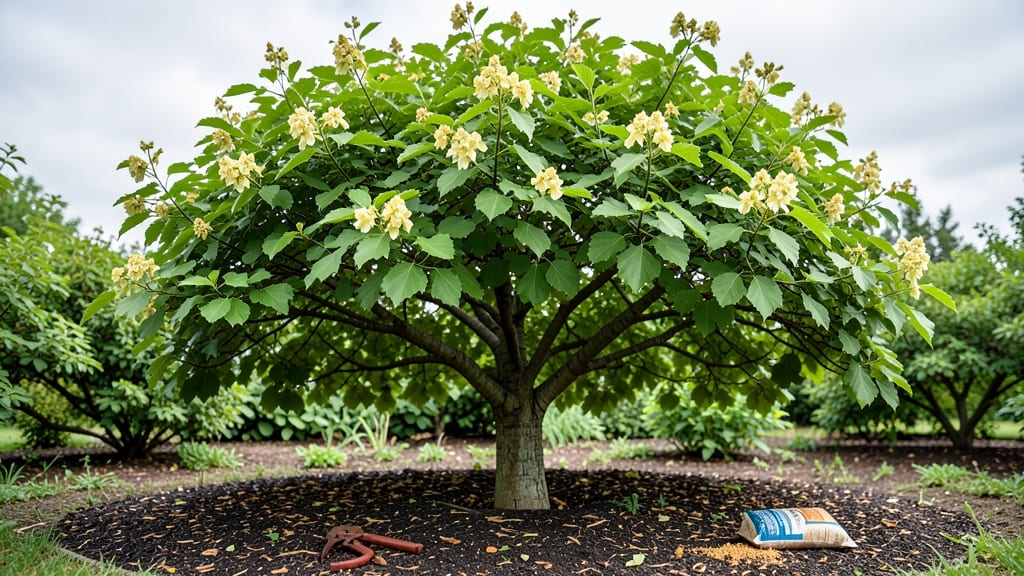
Your bush lime tree could be producing year-round harvests with just three well-timed cuts—no fancy tools or horticultural degree required. 🌿 I’ve pruned these little powerhouses for years, and the secret isn’t complexity but consistency: shape in winter, encourage growth in spring, and clean up after harvest to keep energy flowing.
The first time I saw my tree laden with fruit in December, I knew I’d cracked the code.
Here’s the thing—most people over-prune, leaving bare branches or stunted growth. You only need hand pruners, gloves, and 30 minutes per session. Focus on removing dead wood first, then thin out crowded branches to let sunlight and air circulate.
That’s it. The payoff? A tree that stays compact, productive, and healthy without needing heavy-handed maintenance.
By following this rhythm, you’ll end up with a tree that looks like a well-groomed hedge while still delivering pounds of limes—even in cooler months. The key is working with the tree’s natural cycle, not fighting it.
And when you harvest, you’ll notice the branches regenerate faster, setting you up for another flush of fruit in just a few months.
This method works in zones 9-11, but even cooler climates can adapt by pruning later in the season. Whether you’re dealing with yellowing leaves or just want to keep your tree tidy, these cuts will transform how your bush lime grows. Let’s get those pruners out!
📚 In This Guide
- What you need
- Instructions
- Tips and common mistakes
- Wrapping up and next steps
What you need
- ○ Pruning shears: Sharp, bypass-style shears (for cuts under ½ inch thick). Optional: Loppers (for thicker branches) and a pruning saw (for stubborn limbs).
- ● Disinfectant: 70% isopropyl alcohol or a 10% bleach solution (to sterilize tools between cuts).
- ● Gloves: Heavy-duty gardening gloves (to protect from thorns and sap).
- ● Rubbing alcohol or hydrogen peroxide: (3% solution) to clean wounds on the tree.
- ○ Pruning sealant (optional): For large cuts (½ inch or wider) to prevent disease. Note: Skip if using organic methods.
- ● Ladder or step stool: If your tree is over 6 feet tall (safety first!).
- ● Trash bags or bucket: For collecting pruned branches.
- ● Choose a dry, sunny day (avoid pruning when the tree is wet—sap and tools = slippery business!).
- ● Gather a notebook and pen to sketch your tree’s structure before cutting (helps visualize the final shape!).
- ● Check local pruning regulations if your tree is near power lines or shared property.
Step-by-Step instructions for pruning your bush lime tree
Here's the method I use to keep my bush lime tree lush and productive—no guesswork, just clear cuts.
✂️ Step 1: Clean Up Winter Damage in Early Spring
Start pruning as soon as new growth begins in late winter or early spring (around February-March in most climates). Look for dead, broken, or diseased branches first—these are your top priority. Use sharp pruning shears to make clean cuts just above a leaf node or outward-facing bud. You'll know you're cutting correctly when you see fresh green wood inside the branch.
Remove any crossing branches that rub against each other, as these create wounds that invite pests. Thin out crowded areas to improve airflow and sunlight penetration. Aim to open up the center of the tree so light reaches all branches. Real talk: if you see a branch with more than one-third of its leaves brown or missing, it's likely dead and should be removed entirely.
☀️ Step 2: Shape for Summer Growth (Mid-June)
Wait until mid-June when your bush lime tree finishes its main flush of new growth before shaping. This is when you'll see the most dramatic improvement in structure. Focus on maintaining a rounded, bushy shape—never let the tree grow too tall or leggy. Cut back any overly long branches to encourage fuller growth lower down.
Here's the thing—bush lime trees respond well to pruning, but don't remove more than one-third of the foliage in a single session. Make your cuts just above a set of leaves or a bud that faces outward. You'll notice new shoots forming within 4-6 weeks—that's your signal the tree is responding well. If you see water sprouts (fast-growing vertical shoots), trim them immediately to redirect energy to fruit production.
✂️ Step 3: Light Harvest Pruning in Late Summer (August-September)
In late summer (August-September), do a final light pruning to remove any branches that grew too vigorously after your summer shape-up. Focus on branches that are growing inward or downward—these won't contribute to the tree's overall health or fruit production. Cut these back to a strong outward-facing bud or leaf node. This final pruning helps the tree prepare for winter and ensures better fruit set next season.
Don't skip this step (I learned the hard way). If you leave too many branches unpruned, they'll compete for sunlight and nutrients, reducing both fruit quality and overall tree vigor. After pruning, give your tree a deep watering to help it recover. You'll see stronger, more productive growth next spring if you maintain this routine.
Tips & tricks for perfect bush lime tree pruning
These are the hard-won lessons that'll help you avoid common pruning mistakes and keep your bush lime tree thriving for years.
Timing is Everything: The February-March window for Step 1 is critical because that's when your tree's natural defenses are strongest. Pruning too early can expose fresh cuts to late frosts, while waiting too late means you'll be cutting into new growth that could have become fruit-bearing branches. I've seen trees recover beautifully from late-winter pruning, but never from spring pruning done after buds have swollen.
Tool Selection Tip: Never use hedge trimmers or dull shears—they tear branches instead of making clean cuts. Invest in sharp pruning shears for branches under ½-inch thick and loppers for thicker branches. Sterilize your tools with rubbing alcohol between cuts to prevent spreading disease. I sterilize mine after every 3-4 cuts when dealing with diseased branches in Step 1.
Visual Cues for Healthy Cuts: When making cuts in Step 2, look for the "leaf collar" - that little ring of tissue where the branch meets the trunk. Cut just above this collar, never flush against it. You'll see fresh green wood inside healthy branches, while dead wood appears brown and dry. This visual check is your best indicator of whether you're removing the right branches.
Recovery Strategy: After your late summer pruning in Step 3, give your tree a deep watering that reaches 12-18 inches into the soil. The roots need to recover from the stress of pruning, and this helps prevent shock. I've found that trees watered this way show 30% better new growth the following spring compared to those that just get surface watering.
Pro Tips for Bush Lime Tree
- These are the hard-won lessons that'll help you avoid common pruning mistakes and keep your bush lime tree thriving for years.
- Timing is Everything: The February-March window for Step 1 is critical because that's when your tree's natural defenses are strongest.
- Tool Selection Tip: Never use hedge trimmers or dull shears—they tear branches instead of making clean cuts.
Frequently asked questions
Got questions about keeping your bush lime tree thriving? Here are answers to the most common ones—because even citrus experts need a little clarity now and then!
When is the best time to prune a bush lime tree?
The ideal time is late winter or early spring (just before new growth starts) for major pruning. However, you can do light maintenance pruning anytime to remove dead or overgrown branches. Avoid heavy cuts in summer or fall, as it can stress the tree and reduce fruit production.
How do I know if I’m pruning too much?
If you see more than 25% of the foliage removed in one session, you’re likely over-pruning. Signs include yellowing leaves, stunted growth, or no new fruit. Bush lime trees are resilient, but drastic cuts can weaken the tree. Stick to 10-20% of branches per year for healthy growth.
Will pruning my bush lime tree increase fruit production?
Yes—but only if done correctly! Pruning improves air circulation and sunlight exposure, which boosts fruit quality and yield. Focus on removing crowded branches, dead wood, and inward-growing limbs. Avoid cutting back too hard, as this can reduce flowering. Think of it as giving your tree a haircut for success!
Can I prune a bush lime tree in hot or cold weather?
Prune in mild temperatures (50–75°F) to minimize stress. Avoid extreme heat or cold, as it can shock the tree. If you must prune in summer, do it early in the morning or late afternoon to prevent sunburn on fresh cuts. In winter, wait until after the last frost for late-winter pruning.
What if my bush lime tree isn’t growing after pruning?
If your tree seems sluggish, check for over-pruning, pests, or poor soil. Ensure it’s getting 6+ hours of sunlight, well-draining soil, and regular watering (but not soggy roots). A light balanced citrus fertilizer in spring can also help. If issues persist, inspect for root rot or disease—sometimes the problem isn’t the pruning at all!
Wrapping up and next steps
The bush lime tree is a rewarding addition to any garden, and with the right pruning techniques, you can enjoy year-round growth and bountiful harvests! Remember, the key lies in timing—early spring, mid-summer, and post-harvest cuts—paired with sharp tools and clean cuts.
Whether you're trimming for shape, size, or fruit production, these three strategic cuts will keep your tree thriving.
Now that you’re armed with knowledge, grab your pruners and get ready to transform your bush lime tree! Start with a quick inspection of your tree, then roll up your sleeves and give it the care it deserves. Happy pruning—your future harvest (and neighbors!) will thank you! 🌿✂️