
Size
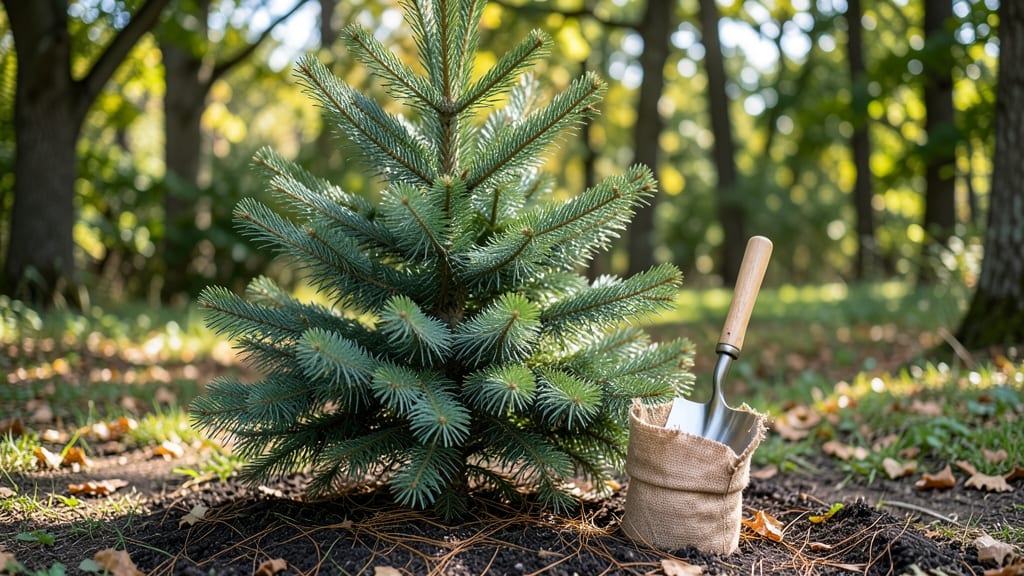
Your Christmas tree might have more life left than you think—with the right approach, you can replant it and give it a second chance at growth. 🌲 I’ve successfully revived several trees myself, and the key lies in assessing its health, preparing the root ball properly, and understanding when to act.
Not all trees survive replanting, but young, healthy firs or pines often take surprisingly well with proper care. You’ll need a shovel, mulch, and a spot with partial shade to start—plus patience, since recovery can take months.
The secret is keeping the roots moist and protecting the tree from winter winds until it establishes.
What you’ll end up with is a thriving evergreen that can live for decades in your yard, providing shade, wildlife habitat, and that fresh pine scent year-round. The first year is critical, but with consistent watering and protection, your tree could outlive your original holiday memories.
Works best with firs, pines, or spruces—avoid replanting pre-pruned or chemically treated trees. Spring or early fall is the ideal time to transplant, giving roots time to settle before extreme weather. Let’s get your tree back to growing!
📚 In This Guide
- What you need
- Instructions
- Tips and common mistakes
- Wrapping up and next steps
What you need
- ● Ready to give your Christmas tree a second life? 🌲 Before you dig in, gather these essentials to ensure a smooth replanting process:
- ● Pro tip: 🌡️ Timing matters! Replant immediately after Christmas (while roots are still fresh) or in early spring for best survival rates.
Step-by-Step guide to reviving and replanting your Christmas tree
Here's how to breathe new life into your evergreen—just follow these simple steps.
🌱 Step 1: Assess and Prepare the Tree for Replanting
First, examine your tree carefully. Look for signs of life—needles that are still slightly green or new growth at the tips are good indicators it might recover. If the needles are completely brown and brittle, replanting may not work, but it's worth trying for trees that still show some vitality.
Trim any broken branches with clean, sharp pruners. Focus on removing only the most damaged sections—the goal is to reduce stress, not over-prune. Cut just above a healthy bud or branch collar to encourage new growth. I usually make these cuts on a dry, sunny day to minimize further damage.
💧 Step 2: Prune and Soak the Roots
If your tree is still in its pot, gently remove it and inspect the roots. Use your fingers to loosen any tightly bound roots—this helps the tree absorb water and nutrients more easily. If the roots are circling tightly, you can make 2-3 vertical cuts about 1 inch deep to encourage outward growth.
Place the tree in a bucket of lukewarm water for 4-6 hours. This rehydrates the roots and helps the tree recover from drought stress. If your tree was planted directly in the ground, skip this step, but water the soil deeply around the base instead. You'll know it's ready when the soil feels evenly moist but not soggy.
☀️ Step 3: Choose the Right Location and Plant
Select a spot with full sun to partial shade, depending on your tree's species. Most evergreens like 6+ hours of sunlight daily, but some, like Fraser firs, tolerate partial shade better. Avoid low-lying areas where cold air settles—this can damage the roots in winter.
Dig a hole twice as wide as the root ball but no deeper. Amend the soil with a mix of compost and native soil to improve drainage and fertility. Place the tree in the hole, ensuring the top of the root ball sits 1-2 inches above ground level. This prevents water from pooling around the stem and causing rot.
🪴 Step 4: Water and Mulch for Recovery
Water the tree deeply right after planting—this helps settle the soil and removes air pockets around the roots. Use 1-2 gallons of water for small trees, adjusting for size. Keep the soil consistently moist for the first 2-3 weeks, but avoid overwatering, which can suffocate roots.
Apply a 2-3 inch layer of mulch around the base, keeping it 6 inches away from the trunk. Use organic mulch like pine straw or shredded bark, which retains moisture and regulates soil temperature. Replenish mulch as it breaks down to maintain protection.
✂️ Step 5: Monitor and Maintain Through the Seasons
Check the tree regularly for new growth in spring. Prune any dead or weak branches as needed, but avoid heavy pruning—this stresses the tree further. Fertilize lightly in early spring with a balanced, slow-release fertilizer to support recovery.
Watch for signs of stress, like yellowing needles or wilting. If you notice these, adjust watering or check for pests like spider mites, which thrive on stressed evergreens. A gentle spray with water can deter pests, but avoid harsh chemicals that might harm the tree further.
Tips & tricks for reviving your Christmas tree
Real talk: Not every tree makes it through the holidays, but with the right approach, you might just bring yours back to life. Here's what I've learned from trying to revive my own Christmas trees over the years.
Signs of Life: In Step 1, when you're checking for green needles or new growth, also look at the needles' flexibility. Bend a few—if they snap instead of bending, the tree is likely too dried out to recover. But if they bend slightly, that's a good sign you're on the right track. Confession: I skipped this step for years and wondered why some trees just wouldn't cooperate.
Root Revival: During the 4-6 hour soaking in Step 2, don't just dump the tree in water and walk away. Check on it after 2 hours—if the water looks cloudy, that's normal (it's just releasing trapped air), but if it's completely clear, the roots are absorbing water well. This is your tree's first real chance to drink after its dry holiday stay. I'm going to save you the headache I went through: use lukewarm water, not cold, to avoid shocking the roots further.
Location Logic: When choosing your spot in Step 3, think about your tree's natural habitat. Fraser firs and Douglas firs love full sun, but Norfolk pines can handle partial shade better. I learned this the hard way after planting a sun-loving tree in my shady backyard—it struggled for years before I moved it. Also, avoid planting near sidewalks or driveways where salt or chemicals might seep into the soil.
Mulch Matters: That 2-3 inch layer of mulch in Step 4 isn't just decoration—it's insulation. In winter, it protects roots from freezing, and in summer, it keeps them cool. I use pine straw because it mimics the natural forest floor environment these trees evolved in. Just remember to keep it 6 inches away from the trunk to prevent rot.
Pro Tips for Can I Replant My Christmas Tree
- Real talk: Not every tree makes it through the holidays, but with the right approach, you might just bring yours back to life.
- Signs of Life: In Step 1, when you're checking for green needles or new growth, also look at the needles' flexibility.
- Root Revival: During the 4-6 hour soaking in Step 2, don't just dump the tree in water and walk away.
Frequently asked questions
Got questions about giving your Christmas tree a second life? Here are some of the most common ones—and their answers—to help you replant with confidence!
Can I replant any type of Christmas tree?
Not all trees thrive after replanting! Real Christmas trees—like Douglas fir, Fraser fir, or Scotch pine—are the best candidates because they’re young and healthy. Avoid replanting artificial trees (obviously) or trees that were cut too early (like those harvested in late December). If your tree has brown needles or a dry trunk, replanting may not work.
How soon after Christmas can I replant my tree?
The sooner, the better! Replant your tree within 24–48 hours of bringing it indoors to maximize its chances. If you waited longer, soak the roots in water for 4–6 hours before replanting. Trees left in buckets for weeks may struggle—time is of the essence!
What’s the best way to prepare the tree for replanting?
Start by removing the stand and trimming any dried or broken branches. Soak the roots in lukewarm water for 2–4 hours to rehydrate them. If the trunk is peeling or cracked, it’s a red flag—those trees rarely survive replanting. Give the roots a gentle rinse to remove old soil or anti-transpirant sprays.
Do I need special soil or fertilizer to replant?
Nope! Use regular potting soil or a mix of garden soil and compost (60/40 ratio). Avoid heavy, clay soil—it can suffocate roots. Skip fertilizers at first; they can burn tender roots. Instead, focus on watering deeply 2–3 times a week (more in hot/dry weather) and keeping the soil moist but not soggy.
What are the signs my replanted tree is dying?
Watch for needles turning brown, excessive shedding, or a wilted, droopy appearance—these are warning signs. If the trunk feels soft or mushy when pressed, the tree is likely beyond saving. Don’t panic! Many trees recover if you act fast with water and shade. If all else fails, repurpose the wood for mulch or crafts!
Wrapping up and next steps
So, can you replant your Christmas tree? Absolutely! With the right care—like proper pruning, soil prep, and patience—your evergreen can thrive for years to come. Whether you choose a balsam fir, pine, or spruce, giving it a second chance is not only possible but rewarding. 🌲✨
Ready to take the next step? Start by selecting your tree and following the replanting guide above. Keep an eye on its progress, and soon, you’ll have a lush, living centerpiece that celebrates the season and the earth. Happy replanting!