
Trees
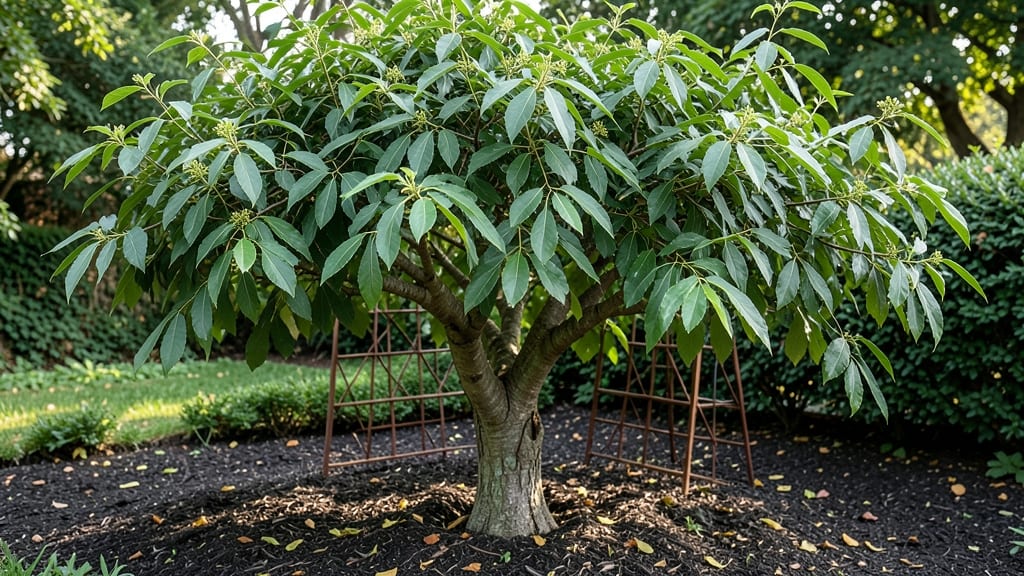
Chinese elms thrive where other trees wilt—hot, dry city streets and tight urban spaces. 🌿 I planted mine in full sun near a sidewalk, and it’s now a 15-foot shade provider after just five years, handling heat and pollution better than any maple or oak I’ve tried.
The secret lies in its deep roots and silvery bark that reflects sunlight, keeping foliage cooler.
You’ll need well-draining soil (even rocky or clay-heavy works), a spot with at least 6 hours of sun daily, and patience—these trees grow 2–3 feet per year but stay compact. The real magic?
They demand minimal care: water only during droughts, prune only to shape, and they resist pests that plague other elms. My tree’s roots even outcompeted invasive grasses without help.
By summer’s end, you’ll have glossy green leaves that stay vibrant through heatwaves, and by fall, golden-yellow foliage that lasts weeks longer than most shade trees. The bark’s cinnamon tones in winter add unexpected texture to urban landscapes. No other tree gives this much low-maintenance beauty in tough conditions.
Perfect for city lots, parking strips, or even large containers—just avoid waterlogged soil. Here’s how to plant one that lasts decades with almost no fuss.
📚 In This Guide
- What you need
- Instructions
- Tips and common mistakes
- Wrapping up and next steps
What you need
- ● Chinese Elm Tree: 1 container-grown sapling (3–5 gallons) or bare-root (for dormant season planting). Choose a disease-resistant cultivar like 'Emerald Elm' or 'Sapporo Autumn Gold'.
- ● Planting Hole: Dig a hole 2–3 times wider than the root ball and equally deep.
- ● Native Soil or Amended Mix: 50% native soil + 50% compost or well-draining potting mix (avoid heavy clay).
- ● Organic Mulch: 2–3 inches of wood chips, shredded bark, or pine straw (keep 6 inches away from the trunk).
- ● Watering Can or Hose: With a gentle spray nozzle (1–2 gallons per watering).
- ● Gloves & Knee Pads: Heavy-duty gardening gloves and knee pads for comfort.
- ● Shovel: Round-point or spade shovel for digging.
- ● Garden Rake: For smoothing soil and removing debris.
- ● Pruning Shears: Bypass pruners (for shaping after planting).
- ● Measuring Tape: To ensure proper hole dimensions.
- ○ Optional: Tree Stake & Ties (if needed for young trees in windy areas).
- ● Soil pH Test Kit (to check acidity/alkalinity, ideal range: 6.0–7.5).
- ● Slow-Release Fertilizer (balanced 10-10-10 or organic options like bone meal).
- ● Sunlight: Full sun (6+ hours daily) or partial shade (minimum 4 hours).
- ● Soil Type: Tolerates urban soils but thrives in well-draining, slightly acidic to neutral conditions.
- ● Spacing: Plant 30–50 feet apart for mature trees (or 15–20 feet for smaller cultivars).
- ● Water Access: Ensure a reliable water source for the first 2–3 weeks post-planting.
Step-by-step guide to planting and maintaining Chinese elm trees
Here's how to establish these resilient trees in urban settings with minimal fuss.
🌱 Step 1: Select the Right Planting Site and Prepare the Soil
Chinese elms thrive in full sun to partial shade, making them perfect for city landscapes. Choose a location with at least 6 hours of direct sunlight daily—though they tolerate urban shade better than many trees. Avoid low spots where water pools after rain, as their roots dislike soggy conditions.
Before planting, test your soil's drainage. Dig a 12-inch deep hole twice as wide as the root ball. Amend heavy clay soil with 2 inches of compost mixed into the native soil at the bottom of the hole. This improves aeration and nutrient availability. If your soil is sandy, add 1 inch of organic matter to help retain moisture.
I always loosen the sides of the hole with a shovel to prevent compacted soil from restricting root growth. The goal is to create a welcoming environment where roots can spread naturally without resistance.
🪴 Step 2: Plant the Tree at the Correct Depth and Stake for Support
Remove the tree from its container and gently tease the roots outward if they're circling. Place it in the hole so the top of the root ball sits 1-2 inches above ground level—this prevents stem rot from sitting water. The trunk flare (where roots meet the trunk) should be visible above the soil line.
Backfill with native soil mixed with compost, tamping down lightly every 4 inches to eliminate air pockets. Water deeply as you fill, letting the soil settle naturally. Once planted, create a 4-inch deep watering basin around the base to direct irrigation.
Stake only if necessary—Chinese elms establish quickly. If staking, use two stakes positioned diagonally from the trunk, tied loosely with soft fabric strips (never wire, which can girdle the trunk). The goal is temporary support while roots anchor.
☀️ Step 3: Water Deeply and Establish a Consistent Care Routine
Water immediately after planting to settle the soil and encourage root contact. Give 10 gallons of water to newly planted trees, then repeat every 3-4 days for the first month. After that, water once a week unless rainfall provides 1 inch of moisture—check by pushing a screwdriver into the soil.
Mulch the base with 3 inches of wood chips, keeping it 6 inches away from the trunk to prevent rot. This conserves moisture and regulates soil temperature. I always refresh the mulch annually to maintain its effectiveness.
Fertilize lightly in spring with a balanced 10-10-10 formula applied at half strength. Chinese elms are adaptable but respond well to this boost. Avoid heavy fertilization—they prefer lean soil and grow best when not overfed.
✂️ Step 4: Prune for Structure and Disease Prevention
Prune in late winter or early spring before new growth begins. Remove dead, crossing, or weak branches first, cutting just outside the branch collar. This opens the canopy for better air circulation, reducing fungal diseases common in urban environments.
Thin out branches to maintain an open vase shape, allowing sunlight to reach lower limbs. Never remove more than 25% of the canopy in one season—this stresses the tree. I always sterilize pruning tools with rubbing alcohol between cuts to prevent disease spread.
Watch for signs of Dutch elm disease (yellowing leaves, wilting). If detected, remove infected branches immediately and report it to your local extension office. Chinese elms are more resistant than American elms but still vulnerable.
Tips & tricks for perfect Chinese elm tree planting
Common pitfalls—and how to sidestep every one when establishing these urban workhorses.
Site Selection Wisdom: While Chinese elms tolerate urban shade, prioritize that 6 hours of direct sunlight for optimal growth. I've seen them struggle in north-facing yards where shade dominates—look for locations with southern or western exposure. If your only option is shade, choose a spot with reflected light from nearby buildings or pavement. The tree's natural adaptability means it'll still grow, but you'll sacrifice some of that signature dense foliage and rapid growth.
Soil Preparation Insight: The 12-inch deep hole should be loosened all the way around, not just at the bottom. I use a garden fork to break up compacted layers down to that depth—this creates a "root highway" where roots can explore freely. For clay-heavy soils, mix in that 2 inches of compost thoroughly with the native soil, not just as a layer at the bottom. Sandy soils need that 1 inch of organic matter worked in deeply to create moisture retention pockets.
Planting Depth Secret: That 1-2 inch elevation of the root ball above ground level is non-negotiable—it prevents stem rot from sitting water. Here's the trick: After placing the tree, press down gently on the soil around the edges to settle it, then add a final thin layer of soil to achieve that slight elevation. I always check by running my fingers along the soil line to ensure the trunk flare remains visible above the soil surface.
Watering Strategy: The 10 gallons of water immediately after planting is crucial for root contact, but don't stop there. After the initial watering, create those 4-inch deep watering basins and fill them completely each time. I use a hose with a gentle spray nozzle to avoid displacing soil while saturating the root zone. For the first month, this 3-4 day schedule ensures consistent moisture without overwatering—critical for preventing root rot in urban soils that often compact quickly.
Pro Tips for Chinese Elms Trees
- Common pitfalls—and how to sidestep every one when establishing these urban workhorses.
- Site Selection Wisdom: While Chinese elms tolerate urban shade, prioritize that 6 hours of direct sunlight for optima...
- Soil Preparation Insight: The 12-inch deep hole should be loosened all the way around, not just at the bottom. I use ...
Frequently asked questions
Got questions about growing and caring for Chinese elm trees? You’re not alone! Here are some of the most common queries—plus straightforward answers to help you cultivate a thriving urban landscape.
How fast do Chinese elm trees grow?
Chinese elms are moderate growers, typically adding 12–24 inches per year under ideal conditions. In urban settings with ample sunlight and well-drained soil, they can reach 30–50 feet tall within 15–20 years. Patience pays off—their slow-to-moderate growth makes them a great choice for long-term shade.
Are Chinese elms truly drought-tolerant?
Yes! Once established (after 1–2 years), Chinese elms handle drought surprisingly well thanks to their deep root systems. However, young trees still need regular watering (about 1–2 inches per week) during their first growing season. Mulching helps retain moisture—just keep it 3–4 inches away from the trunk to avoid rot.
What pests or diseases should I watch for?
Chinese elms are resistant to Dutch elm disease (a major plus!), but they can still attract:
- Aphids: Sap-sucking pests that leave sticky residue. Blast them off with water or use insecticidal soap.
- Scale insects: Waxy bumps on branches. Prune infested areas and apply horticultural oil in late winter.
- Powdery mildew: White fungal coating on leaves. Improve airflow and spray with neem oil if needed.
Can Chinese elms thrive in small urban yards?
Absolutely!
Their compact growth habit (especially dwarf varieties like Ulmus parvifolia ‘Little Spire’) makes them perfect for tight spaces. Just ensure:
- At least 6–8 hours of sunlight daily (they tolerate partial shade but may grow leggy).
- Space for mature width (20–30 feet for standard varieties).
- Prune lightly in late winter to maintain shape and remove dead branches.
What’s the best time to plant a Chinese elm?
Plant in early spring or fall (4–6 weeks before the first frost) for the best success. Avoid summer heatwaves or winter freezes, which stress young roots. Dig a hole twice as wide as the root ball but no deeper, then water deeply after planting. Mulch heavily (2–3 inches) to protect roots and retain moisture.
What are some alternatives if Chinese elms aren’t available?
If you love the look but can’t find Chinese elms, consider these drought-tolerant, urban-friendly alternatives:
- Ginkgo biloba: Disease-resistant, golden fall foliage, and adaptable to city pollution.
- Crapemyrtle (Lagerstroemia): Vibrant blooms, compact varieties, and excellent heat tolerance.
- Japanese Zelkova: Similar texture, great for street trees, and handles urban stress well.
- London Plane Tree: Tough, peeling bark, and resistant to pests/diseases.
Wrapping up and next steps
Chinese elm trees are a fantastic choice for urban landscapes, blending durability, shade, and beauty with minimal fuss. Their sun-resistant nature and adaptability make them perfect for cityscapes, parks, or even small yards—while offering year-round appeal.
Ready to elevate your outdoor space? Start by assessing your soil, sunlight, and space, then plant with confidence! 🌳✨
Pro tip: Consider consulting a local nursery for tailored advice—your future tree (and neighbors!) will thank you. 💡