
Pruning
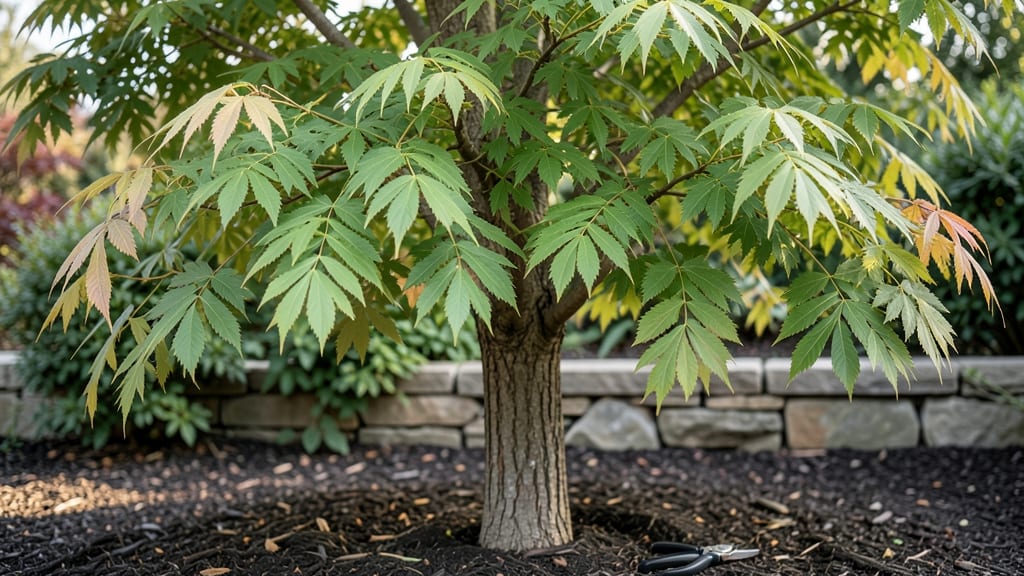
A sudden yellowing or drop of the Chinese pistache tree leaf signals it’s time to prune—this simple 3-trim system keeps foliage vibrant year-round.
I learned the hard way that neglecting these trees leads to weak branches and pest magnets, but a few strategic cuts in spring, summer, and fall transforms them into resilient, lush canopies. The key?
Timing and a sharp pair of shears—no fancy tools needed, just attention to what the leaves are telling you.
Most issues—like powdery mildew or spider mites—start with leaves that look stressed. Yellowing often means overwatering or poor drainage, while brown edges scream drought or nutrient starvation. My trees bounce back after I prune out the worst offenders and feed them compost in early spring.
The result? Thicker, darker green leaves by summer that repel pests naturally. Even in drought-prone areas, this tree’s adaptability shines when you give it the right care.
By mid-summer, you’ll spot new growth where you pruned—proof the tree’s responding. A final light trim in late fall removes dead branches before winter, so spring starts fresh. The leaves stay healthier longer, and the tree’s signature golden fall color pops even brighter.
It’s not just about cutting; it’s about listening to what the foliage needs before problems escalate.
This method works whether your tree’s in a city sidewalk strip or a rural yard. The Chinese pistache thrives on low-maintenance once you establish the routine.
Start with just these three trims, and you’ll see the difference in one growing season—no guesswork, no overcomplicating it. Your leaves will thank you.
📚 In This Guide
- What you need
- Instructions
- Tips and common mistakes
- Wrapping up and next steps
What you need
- ● Pruning shears: Bypass pruners (for small branches, ¼”–¾” thick) or anvil pruners (for thicker branches, up to 1” thick). Pro tip: 💡 Sanitize blades with rubbing alcohol before and after use to prevent disease!
- ● Loppers: 1 pair (for branches 1”–2” thick). Look for bypass-style to avoid crushing.
- ● Pruning saw: 1 handheld saw (for branches 2”+ thick). A curved-tooth saw minimizes tear-out.
- ● Gloves: Heavy-duty gardening gloves (cut-resistant, like mechanics’ gloves or pruning-specific options).
- ○ Disposable pruning bags: 2–3 large bags (10–15 gallon capacity) for collecting leaves/branches. Optional: A wheelbarrow for hauling debris.
- ● Rubbing alcohol (70%+) or bleach solution: 1 small bottle or spray bottle (for sterilizing tools).
- ● Marking twine or paint: 1 roll of colored twine or pruning paint (to mark cuts for future reference).
- ● Ladder: Extendable or step ladder (if tree is over 8–10 feet tall). Safety first! 🔥
- ● Tree wound dressing: 1 tube (like Tanglefoot Tree Seal)—controversial but useful for large cuts.
- ● Pole pruner: 1 (for high branches without a ladder).
- ● Notebook & pen: To jot down pruning notes (e.g., “thinned 30% of canopy in Zone 2”).
- ● Check local pruning regulations—some areas restrict tree work without permits.
- ● Pick a dry, overcast day to minimize stress on the tree (wet leaves = heavier branches!).
- ● Wear long sleeves/pants to avoid scratches from Chinese Pistache spines.
Step-by-step guide for pruning Chinese pistache tree leaves
Mastering these three seasonal cuts keeps your tree thriving without the guesswork.
Late Winter Dormant Season Pruning
Begin in late February or early March while the tree is still dormant but before new growth appears. This is the cleanest time to remove dead, crossing, or diseased branches—your tree will reward you with vigorous spring growth. Start by examining the canopy for branches that are completely leafless, broken, or rubbing against others. These are your first targets.
Use clean, sharp pruning shears to make cuts just outside the branch collar—the swollen area where the branch meets the trunk. Avoid leaving stubs, as they invite disease. For larger branches over ½ inch thick, switch to a pruning saw and make the cut on the underside of the branch to prevent bark tearing. You'll notice how much lighter and more open the tree's structure becomes as you remove these problem branches.
Summer Light Pruning for Airflow
Schedule this trim in late June or early July, when the tree has finished its main flush of new growth but before fall. Focus on thinning the canopy by removing 10-20% of the smallest branches from the interior. These are the ones growing toward the center of the tree, where sunlight rarely reaches. You're creating space for airflow and preventing fungal issues that thrive in dense, humid foliage.
Look for branches that are growing at acute angles (less than 45 degrees) to the trunk or larger branches—these are weak attachment points. Cut these back to a strong lateral branch or bud. Avoid heavy pruning now; you're not shaping the tree, just improving its health. After this trim, you'll see how much more light filters through to the lower branches, encouraging even growth throughout the canopy.
Fall Cleanup and Structural Refinement
Conduct this final trim in October or November, after the tree has dropped most of its leaves but before hard frosts arrive. This is when you address structural issues—branches growing straight upward (called "water sprouts"), those crossing others, or any that weaken the tree's form. For water sprouts, cut them back to a strong lateral branch or bud at a 45-degree angle to encourage proper healing.
Also remove any dead or dying branches you might have missed earlier. These are often easier to spot now that the tree has shed its leaves. Finish by cleaning up all pruned material from the base of the tree to prevent pests from overwintering. The result should be a tree with an open, balanced structure ready to handle winter stresses. You'll notice how much more resilient your tree looks heading into dormancy.
Tips & tricks for pruning Chinese pistache tree leaves
Pruning your Chinese pistache tree doesn't have to be intimidating—these simple strategies will help you maintain a healthy, vibrant tree with minimal effort.
Timing is Everything: The three seasonal pruning windows in late February/March, late June/July, and October/November are non-negotiable for this tree. I've seen too many trees suffer from improper timing—dormant season pruning in winter prevents disease spread, summer thinning improves airflow, and fall cleanup removes weak growth before winter. Stick to these windows, and you'll avoid stressing the tree at the wrong times.
Tool Selection Matters: Using clean, sharp pruning shears for branches under ½ inch thick is crucial—dull blades crush rather than cut cleanly, which can damage the tree. For larger branches, a pruning saw with a curved blade prevents bark tearing when you make the cut on the underside. I keep a small spray bottle of rubbing alcohol handy to disinfect tools between cuts, especially when dealing with diseased branches.
Branch Collar Awareness: The branch collar—the swollen area where the branch meets the trunk—is your guide for perfect cuts. Never leave stubs, as they create entry points for disease. When cutting branches over ½ inch thick, make your cut just outside this collar, following its natural contour. This technique promotes faster healing and stronger regrowth, which is especially important for Chinese pistache trees that can be prone to fungal issues.
Seasonal Focus Strategy: Each season's pruning has a distinct purpose. In winter, you're cleaning up; in summer, you're improving airflow; and in fall, you're refining structure. I mark my calendar with these dates and set reminders so I don't miss any of these critical windows. The tree's health improves dramatically when you respect these seasonal differences rather than treating pruning as a one-size-fits-all task.
Pro Tips for Chinese Pistache Tree Leaf
- Pruning your Chinese pistache tree doesn't have to be intimidating—these simple strategies will help you maintain a h...
- Timing is Everything: The three seasonal pruning windows in late February/March, late June/July, and October/November...
- Tool Selection Matters: Using clean, sharp pruning shears for branches under ½ inch thick is crucial—dull blades crus...
Frequently asked questions
Got questions about pruning your Chinese pistache tree leaves? You’re not alone!
Here are some of the most common concerns—and straightforward answers—to keep your tree thriving year-round.
When is the best time to prune Chinese pistache leaves?
The ideal times are late winter or early spring (before new growth starts) and summer (after flowering). Avoid heavy pruning in fall or winter, as cold stress can weaken the tree. Light trimming to remove dead branches can happen anytime, though!
How do I know if I’m pruning too much?
Chinese pistache trees are resilient, but never remove more than 25% of the foliage in one session. Signs of over-pruning include sparse leaves, weak growth, or excessive water sprouts. If you’re unsure, err on the side of caution—smaller, frequent trims work best!
My Chinese pistache leaves are yellowing—is it from pruning or pests?
Yellowing leaves can stem from over-pruning, underwatering, or pests like spider mites. Check for webbing or tiny bugs first. If pruning was recent, wait 4–6 weeks to see if new growth appears. If not, adjust watering or treat for pests with neem oil or insecticidal soap.
Can I use Chinese pistache leaves for anything besides pruning?
While not as common as mulch, dried leaves make excellent compost or a natural ground cover. They’re also drought-resistant once established, so pruned branches can be used for erosion control or even DIY windbreaks. Just avoid using diseased leaves in compost.
Do I need to prune Chinese pistache in winter?
Minimal pruning is fine in winter, but avoid heavy cuts unless removing dead/diseased wood. Cold weather can stress fresh cuts, making the tree vulnerable to fungal infections. If you must prune, do it on mild days and sterilize tools with rubbing alcohol to prevent spread.
Wrapping up and next steps
The Chinese pistache tree’s leaf health is the secret to its resilience, and with just three simple trims a year, you’re well on your way to a thriving tree! 🌿 Whether you’re tackling early spring cleanup, mid-summer shaping, or late-winter pruning, consistency is your best friend.
Now that you’re armed with the right tools and techniques, there’s no better time to roll up your sleeves and give your tree the care it deserves.
Ready to see the difference? Pick a sunny day, grab your pruners, and start trimming! Your Chinese pistache—and your curb appeal—will thank you. 🌟