
Pruning
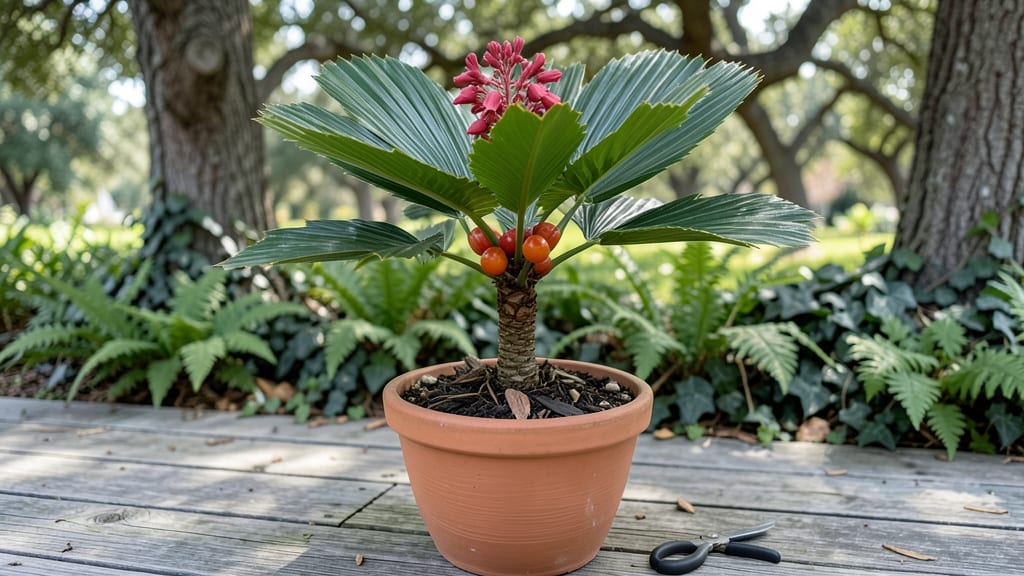
Your Christmas palm tree isn’t just a holiday decoration—it’s a year-round statement piece that brings tropical elegance to any space. 🌿 I fell for this plant after seeing how it transformed a dull corner of my living room into a lush, festive focal point that lasts well beyond December.
The feathery fronds and vibrant red berries make it a natural showstopper, whether you’re styling it indoors or outdoors.
Pairing it with poinsettias and Norfolk Island pines creates a cohesive holiday display that feels intentional, not forced. The key is placement—near a sunny window indoors or in a sheltered spot outdoors where it can shine without fading.
With minimal care (bright indirect light and occasional misting), it thrives all season, making it a low-maintenance holiday hero that keeps giving.
You’ll love how the Christmas palm’s rich green fronds contrast beautifully with deep red berries, adding warmth to any decor scheme. Whether you’re wrapping it in fairy lights or letting its natural beauty stand alone, this plant delivers instant holiday charm with almost no effort.
The best part? It keeps looking fresh long after the holidays end.
For extra drama, try grouping it with other tropical plants like cycads or ferns—suddenly, your space feels like a winter garden escape. And don’t worry about post-holiday wilt; with the right care, your Christmas palm will reward you with year-round greenery that keeps bringing joy.
Let’s make this the plant that steals the show every season.
📚 In This Guide
- What you need
- Instructions
- Tips and common mistakes
- Wrapping up and next steps
What you need
- ● Artificial or natural greenery: 1–2 lbs of pine cones (for texture)
- ● 1–2 lbs of faux greenery (eucalyptus, cedar, or holly—pre-cut for convenience)
- ○ Optional: real greenery (if pruning from your own yard, harvest sustainably!)
- ● Decorative accents: 1–2 lbs of ornaments (miniature gold/silver baubles, felt balls, or glass beads)
- ● 1–2 ribbons or twine (red, gold, or silver—1/4" width)
- ○ Optional: fairy lights (battery-operated, waterproof)
- ● Adhesives & tools: Hot glue gun + glue sticks (for quick, secure attachments)
- ● Floral wire or zip ties (for heavier decorations)
- ● Pruning shears (for trimming fronds if needed)
- ● Spray adhesive (for bulk greenery—test on a small area first!)
- ● Miniature Christmas picket signs or wooden ornaments
- ● Battery-powered tree topper (star, angel, or palm-themed!)
- ● Waterproof LED string lights (for a magical glow)
Step-by-Step guide to growing a lush Christmas palm tree indoors
Here's how I keep my Christmas palm thriving—bright, bushy, and ready to bring holiday cheer year-round.
🪴 Step 1: Choose the Perfect Spot for Light and Airflow
Christmas palms love bright, indirect light—think east-facing windows or 6-10 feet from a south-facing window. Direct sun can scorch those delicate fronds, so avoid west-facing spots where afternoon rays hit hard. I test placement by holding my hand near the plant: if the light feels warm, move it back a few feet.
Airflow matters too. Place your palm near a fan on low setting or open a nearby window daily for 5-10 minutes. This prevents spider mites and keeps leaves from yellowing. If your home runs dry, group plants together to create a microclimate of humidity.
💧 Step 2: Water Deeply but Infrequently
Christmas palms hate soggy roots, so I water only when the top 2-3 inches of soil feel dry. Stick your finger in—if it comes out clean, it's time. When you do water, soak thoroughly until water runs out the drainage holes. Empty the saucer afterward to prevent root rot.
Here's the thing—underwatering shows first. Brown frond tips mean you're not watering enough, but yellowing leaves mean you're overdoing it. Adjust your schedule based on your home's humidity: dry air means more frequent watering, while humid bathrooms mean you can wait longer.
☀️ Step 3: Maintain Ideal Humidity and Temperature
Christmas palms thrive at 65-80°F during the day and 60-70°F at night. Keep them away from drafty windows or vents that drop temperatures suddenly. I've learned the hard way—cold drafts cause fronds to crisp and brown at the edges.
Humidity is key. Mist leaves 2-3 times weekly or place the pot on a tray filled with pebbles and water. The evaporation creates natural humidity. In winter, when indoor air gets dry, I run a small humidifier nearby or group plants together to boost moisture levels.
✂️ Step 4: Prune and Fertilize for Year-Round Growth
Remove yellow or brown fronds by cutting them at the base with clean pruners. Never pull or tear—the plant will thank you with fresh growth. I prune in early spring when new shoots appear, but you can do it anytime you see dead fronds. Healthy leaves should be deep green and arching.
Feed monthly during spring and summer with a balanced liquid fertilizer (like 10-10-10). Cut back to every 6-8 weeks in fall and winter. Over-fertilizing burns roots, so always follow package instructions. I dilute my fertilizer to half-strength to play it safe.
🌿 Step 5: Rotate and Repot for Even Growth
Turn your palm a quarter turn weekly so all sides get equal light. This prevents lopsided growth and keeps the plant full and symmetrical. You'll notice leaves leaning toward one direction—this is your cue to rotate.
Repot every 2-3 years in spring using a pot just 1-2 inches larger in diameter. Choose a container with drainage holes and fresh well-draining potting mix. The roots should have some space to grow, but not too much—Christmas palms prefer being slightly root-bound for bushier growth.
Tips & tricks for perfect Christmas palm tree care
Keeping your Christmas palm lush and vibrant takes just a few smart tricks—here's what I've learned after years of growing these tropical beauties indoors.
Light Placement Secret: In Step 1, when testing your spot, don't just rely on your hand—use a simple trick with a piece of paper. Hold it near the plant for a few minutes. If the paper feels warm to the touch, move the plant back. This helps you avoid those harsh afternoon rays that can burn delicate fronds while still getting enough bright, indirect light. The east-facing window rule is golden, but if that's not an option, aim for the brightest indirect spot you have.
Watering Wisdom: For Step 2, I've found that using a moisture meter (or even a clean wooden chopstick) works better than just sticking your finger in the soil. Push it in about 2 inches deep—if it comes out clean, water thoroughly. If it's still damp, wait another day. The key is that thorough soak until water drains out the bottom, then empty that saucer immediately. I've ruined plants by leaving water sitting too long, so don't make my mistake!
Humidity Hacks: When maintaining humidity in Step 3, try this unexpected trick: place your palm pot on a bed of pebbles with just enough water to reach the pebbles (not the pot). As the water evaporates, it creates natural humidity around the plant. This works especially well in dry winter months when indoor air gets so parched. I've seen this method boost humidity levels by 15-20% without needing a fancy humidifier.
Fertilizer Timing: For Step 4, here's a pro move: when you're fertilizing monthly in spring and summer, alternate between your regular liquid fertilizer and a diluted seaweed-based fertilizer. The seaweed version (used every other month) gives your palm extra micronutrients without the risk of burning. I've noticed my palms develop deeper green fronds when I use this rotation, and the growth seems more vigorous overall.
Pro Tips for Christmas Palm Tree
- Keeping your Christmas palm lush and vibrant takes just a few smart tricks—here's what I've learned after years of growing these tropical beauties indoors.
- Light Placement Secret: In Step 1, when testing your spot, don't just rely on your hand—use a simple trick with a piece of paper.
- Watering Wisdom: For Step 2, I've found that using a moisture meter (or even a clean wooden chopstick) works better than just sticking your finger in the soil.
Frequently asked questions
Got questions about keeping your Christmas palm tree healthy and festive? You’re not alone! Here are some of the most common queries—plus quick, practical answers to keep your tropical star shining bright all year.
How do I know when to prune my Christmas palm tree?
Prune your Christmas palm tree in early spring (February–March) to encourage new growth. Remove dead fronds, yellowing leaves, or overcrowded branches—never trim more than 1/3 of the fronds at once. This keeps the tree balanced and stress-free.
Can I keep a Christmas palm tree indoors for the holidays?
Yes! These trees thrive indoors with bright, indirect light (like near a south-facing window) and humidity levels above 40%. Avoid drafts, and mist leaves weekly. Just remember: They’re tropical and won’t tolerate temps below 50°F (10°C)—so bring it inside before winter chills arrive!
What’s the best way to revive a drooping Christmas palm tree?
Drooping often means underwatering or root stress. Check soil moisture—it should stay slightly moist but not soggy. Water deeply until it drains from the bottom, and trim any mushy roots if repotting. Move it to brighter light (but avoid harsh sun) and fertilize lightly with a balanced palm fertilizer every 2 months.
Are there non-palm alternatives for a festive Christmas look?
For a similar tropical vibe, try:
- Parlor palm (smaller, low-light tolerant)
- Kentia palm (elegant fronds, slow-growing)
- Dracaena ‘Janet Craig’ (hardy, pet-friendly)
- Schefflera (compact, bushy shape)
How often should I fertilize my Christmas palm tree?
Feed your tree every 6–8 weeks in spring/summer with a palm-specific fertilizer (look for a 6-4-8 or 8-2-12 NPK ratio). Cut back in fall/winter to let it rest. Over-fertilizing causes salt buildup—flush soil with water monthly to prevent damage.
Wrapping up and next steps
Transforming your Christmas palm tree into a stunning year-round centerpiece is easier than you think! With the right tools, techniques, and a little seasonal creativity, you’ve got everything you need to keep this festive favorite thriving—and looking magical.
Whether you’re pruning for health or decorating for the holidays, your palm is now ready to shine brighter than ever. 🌟
Ready to take the next step? Schedule a quick pruning session this weekend or browse holiday-themed decor to elevate your palm’s festive flair! The joy of a lush, decorated Christmas palm is just a few snips (and maybe some tinsel) away. 🎄✂️