
Planting
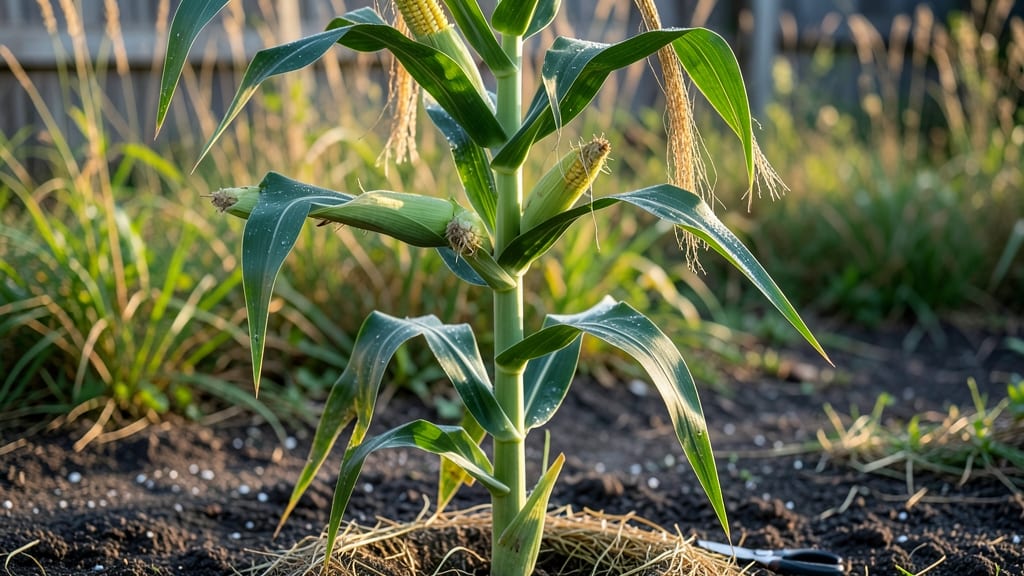
Caring for a corn tree (Dracaena fragrans) means waking up to glossy, arching fronds that feel like a tropical vacation in your living room. 🌿 The key to keeping this plant thriving isn’t complicated—it’s about understanding its simple needs and avoiding common mistakes that turn leaves brown or yellow.
This plant loves bright, indirect light but can handle low-light spots if you’re patient. Water it when the top inch of soil feels dry, and use well-draining soil to prevent soggy roots. A little neglect is forgivable, but overwatering will ruin it faster than you’d think.
With the right light and watering routine, your corn tree will grow taller and fuller each year, adding drama to any room. Prune leggy stems to encourage bushier growth, and dust those leaves occasionally to keep them shining like new.
Whether you’re a beginner or a seasoned plant parent, this care guide will help you keep your corn tree looking its best with minimal effort. Let’s get started with the basics that make all the difference.
📚 In This Guide
- What you need
- Instructions
- Tips and common mistakes
- Wrapping up and next steps
What you need
- ● Corn Tree Plant: 1 mature plant (if repotting) or
- ● 1 healthy cutting (4–6 inches long, with at least 2–3 nodes) for propagation
- ● Well-draining potting mix: 1 bag (1–2 cubic feet) of a blend like: 60% peat moss or coco coir
- ● 30% perlite or pumice
- ● 10% vermiculite or orchid bark
- ● Pot: 1 container with drainage holes (1–2 inches larger in diameter than the current root ball)
- ○ Optional: Self-watering pot for low-maintenance care
- ● Gravel or pebbles: Small handful (for drainage layer at the pot’s bottom)
- ● Garden trowel or small shovel (for repotting)
- ● Pruning shears (sterilized with rubbing alcohol)
- ○ Rooting hormone (optional, for cuttings)
- ● Spray bottle (for misting new cuttings)
- ● Houseplant fertilizer: Balanced liquid (5-10-5 or 20-20-20) or slow-release granules
- ○ Misting fan or humidifier (optional, for tropical humidity lovers)
- ● Plant labels (to track watering schedules)
- ● 🌡️ Check humidity: Corn Trees thrive in 40–60% humidity. A pebble tray under the pot adds moisture!
- ● ✨ Light test: Place your new plant near bright, indirect light for 1–2 days before full exposure.
- ● 🎯 Pot size matters: Over-potting = soggy roots. Stick to 1–2 inches larger than the root ball.
How to keep your corn tree healthy and happy
Here's the simple routine I use to keep my corn tree thriving with almost no fuss.
🌿 Step 1: Position for Bright, Indirect Light
Place your corn tree near a window with bright, indirect light—think east or west-facing spots. Direct sun will scorch those beautiful leaves, so avoid south-facing windows unless you're using sheer curtains. You'll know the lighting is right when the leaves stay a vibrant green without brown spots.
If your home has low light, supplement with a grow light kept 12-18 inches away for 12-14 hours daily. I notice my plant grows best when the light source mimics natural daylight—no harsh fluorescent bulbs. Rotate the pot quarter-turn weekly so the plant grows evenly instead of leaning toward the light.
💧 Step 2: Water When Soil Feels Dry
Water your corn tree when the top 2-3 inches of soil feel dry to the touch. Stick your finger in—if it comes out clean, it's time to water. Overwatering is the #1 killer of corn trees, so always use a pot with drainage holes and an empty saucer underneath to catch excess.
When watering, soak the soil until water runs out the drainage holes—this ensures the roots get a proper drink. Let the saucer drain completely before putting the plant back. I've learned the hard way that soggy roots lead to yellow leaves and root rot, so never let the plant sit in standing water.
☀️ Step 3: Maintain Humidity and Clean Leaves
Corn trees love humidity—aim for 40-60% if your home runs dry. I place my plant on a pebble tray filled with water and pebbles, keeping the pot just above the water line. Mist the leaves 2-3 times weekly with room-temperature water, but avoid wetting the soil directly.
Dust the leaves monthly with a damp cloth to keep them breathing properly. Dust blocks sunlight, which weakens the plant over time. I do this while watering—just wipe each leaf gently as I go. Watch for spider mites on the undersides of leaves; if you see webbing, treat with insecticidal soap immediately.
⏰ Step 4: Fertilize Lightly During Growing Season
Feed your corn tree monthly from spring to fall with a balanced liquid fertilizer (like 10-10-10) diluted to half-strength. Too much fertilizer burns the roots, so always follow the package instructions. I mix mine in water and apply it while watering to avoid leaf burn.
Stop fertilizing in winter when the plant goes dormant. You'll notice new growth slowing down in late fall—that's your cue to pause. Over-fertilizing in winter causes salt buildup in the soil, which can harm the roots. If you see brown leaf tips, flush the soil with water to remove excess salts.
Tips & tricks for perfect corn tree plant care
A few simple adjustments can transform your corn tree from struggling to stunning. Here's what I've learned after keeping mine thriving for years.
Lighting Strategy: In Step 1, when positioning your corn tree, pay special attention to the quality of light—not just quantity. East-facing windows provide perfect morning light without harsh afternoon sun. If using a grow light, position it slightly above the plant to mimic natural sunlight angles, and adjust the height if you notice leaves stretching toward the light. This quarter-turn weekly rotation is crucial—it prevents that lopsided, sad look that makes plants seem neglected.
Watering Wisdom: The finger test in Step 2 works, but here's the real secret: water thoroughly until it drains completely from the bottom. I've found that using room-temperature water prevents shock to the roots. Also, consider using a moisture meter for the top 2-3 inches—it takes the guesswork out of when to water, especially in dry climates where soil dries faster. Remember, soggy roots are silent killers!
Humidity Hacks: For Step 3's humidity needs, I've had great success with a simple DIY solution: place the pebble tray on a tray of ice cubes during summer months. The evaporating ice creates that perfect 40-60% humidity without overwatering. And for those monthly leaf cleanings, I've started using a soft makeup brush to gently remove dust—it's gentler than cloths and gets into those hard-to-reach spots between leaves.
Fertilizing Finesse: When fertilizing in Step 4, I've noticed that alternating between liquid fertilizer and a slow-release granular fertilizer every other month prevents nutrient buildup. Always water before fertilizing to avoid burning the roots. In winter, if you see those brown leaf tips, flush the soil by watering until it runs clear from the drainage holes—this removes excess salts that build up from winter air.
Pro Tips for Corn Tree Plant Care
- A few simple adjustments can transform your corn tree from struggling to stunning.
- Lighting Strategy: In Step 1, when positioning your corn tree, pay special attention to the quality of light—not just quantity.
- Watering Wisdom: The finger test in Step 2 works, but here's the real secret: water thoroughly until it drains completely from the bottom.
Frequently asked questions
How often should I water my corn tree?
Water your corn tree when the top 1–2 inches of soil feel dry. Aim for moderate moisture—overwatering leads to root rot, while underwatering causes crispy leaves. In summer, check soil daily; in winter, reduce to weekly. Pro tip: Use well-draining soil and a pot with drainage holes!
Why are my corn tree leaves turning yellow?
Yellow leaves often signal overwatering or poor drainage. Check the roots—if they’re mushy or smell foul, trim the damaged ones and repot in fresh, dry soil. Underwatering can also cause yellowing, so balance is key. Fertilizer burn (from over-fertilizing) is another culprit—flush the soil with water if needed.
Can corn trees survive indoors year-round?
Corn trees (like Dracaena fragrans) thrive indoors with bright, indirect light. Keep temps between 65–80°F and avoid cold drafts. Rotate the pot occasionally for even growth. Just watch for pests (like spider mites) and wipe leaves gently with a damp cloth to keep them dust-free.
What’s the easiest way to propagate a corn tree?
Propagate via stem cuttings! Snip a 4–6 inch section just below a node, remove lower leaves, and dip in rooting hormone. Plant in moist perlite or sand, cover with a plastic bag, and keep in bright, indirect light. Roots should form in 4–6 weeks. Patience pays off!
How do I revive a droopy corn tree?
Drooping often means thirst or stress. First, check the soil—water deeply if dry. Trim any brown, mushy leaves. Move it to a brighter spot (but avoid direct sun) and reduce watering until it perks up. Mist leaves to boost humidity if the air is dry.
Are there low-maintenance alternatives to corn trees?
If corn trees sound too high-maintenance, try these easy-care picks:
- Snake Plant – Thrives on neglect, drought-tolerant.
- ZZ Plant – Survives low light and infrequent watering.
- Pothos – Fast-growing, forgiving, and pet-friendly.
Wrapping up and next steps
Caring for your corn tree (Dracaena fragrans) is simpler than you think—just a little light, water, and love go a long way! With the right balance of indirect sunlight, moderate watering, and occasional grooming, this stunning plant will thrive year-round and brighten up your space effortlessly. 🌿✨
Now that you’re armed with all the tips and tricks, why not take the next step? Grab your corn tree, find that perfect spot, and watch it grow into a lush, leafy masterpiece. Happy planting! 🌱💚