
Pruning
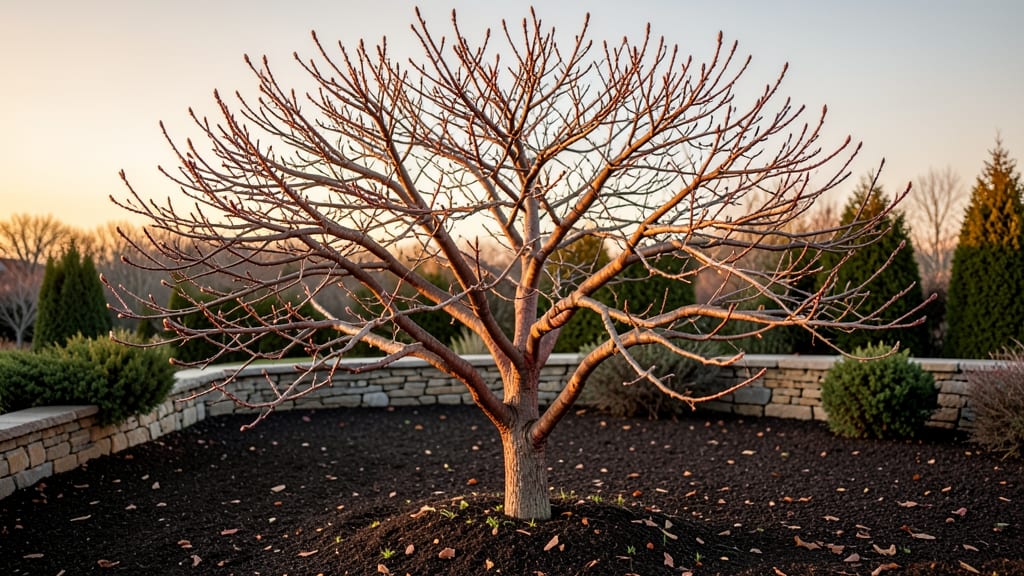
Winter care for crape myrtles is where you set the stage for next summer’s spectacular blooms. 🌿 I’ve watched these trees go from sad, leafless sticks to vibrant, flower-covered giants after proper winter prep—it’s all about timing, cuts, and a little protection.
The dormant season isn’t a time to neglect them; it’s when you shape their future growth.
Start by pruning in late winter to early spring, just as buds begin to swell but before new growth starts. This isn’t about drastic cuts—think of it as giving your tree a haircut to encourage strong branches and better airflow.
In colder zones (USDA 6 and below), wrap the trunk with burlap or use tree wraps to shield against harsh winds and freezing temperatures. A 5-gallon bucket of wood chips around the base also helps insulate roots.
You’ll notice healthier growth by mid-summer: thicker branches, more buds, and blooms that last longer. The key is balance—don’t over-prune, and avoid cutting into old wood unless necessary. With the right care, your crape myrtle will bounce back stronger, ready to put on its best show when spring arrives.
This method works for crape myrtles in containers too—just move them to a sheltered spot and reduce watering. Whether you’re in the Deep South or the Midwest, these steps keep your tree healthy and thriving through winter’s challenges. Let’s get your tree prepped for its comeback!
📚 In This Guide
- What you need
- Instructions
- Tips and common mistakes
- Wrapping up and next steps
What you need
- ● Pruning shears or loppers – Choose bypass pruners (for clean cuts) or anvil pruners (for thicker branches). Opt for sharp, high-quality tools (e.g., Felco or Fiskars) to avoid tearing bark.
- ● Pruning saw – A curved-tooth pruning saw (like the Bahco or Corona) for cutting branches thicker than 2 inches in diameter.
- ● Gloves – Wear cut-resistant gloves (e.g., Mechanix or gardening-specific) to protect your hands from thorns and rough bark.
- ● Disinfectant (70% isopropyl alcohol or bleach solution) – 1 part bleach to 9 parts water to sterilize tools between cuts and prevent disease spread.
- ● Heavy-duty trash bags or bucket – For collecting pruned branches (aim for 2–3 large bags or a 5-gallon bucket depending on tree size).
- ● Ladder (if needed) – A stable, extendable ladder (e.g., 16–20 ft) rated for your weight. Never stand on the top 3 rungs!
- ● Safety gear – Safety glasses and closed-toe shoes to protect against debris and slips.
- ● Hand pruners or pole pruners – For smaller branches or hard-to-reach spots.
- ● Tree wound paint – Only use if pruning large branches (e.g., >4 inches). Note: Many experts argue against it—let small wounds heal naturally!
- ● Work gloves with extra padding – If your crape myrtle has spiky bark or thorns.
- ● Notebook or app – To sketch a pre-pruning map of your tree’s structure before you start.
- ● Pruning sealant – For emergency cuts (e.g., storm damage) to prevent disease entry.
How to prune crape myrtle trees in winter for next season's growth
Winter's the perfect time to shape your crape myrtle—here's how to do it right.
🌿 Step 1: Time Your Pruning for Maximum Health
Wait until after your area's first hard frost but before new growth begins—typically late winter when temperatures stay below 40°F for several days. You'll know it's time when the tree's completely dormant and leaves have fallen. Pruning too early can stimulate new growth that won't survive winter, while waiting too long risks removing next year's flower buds.
Check your local frost dates if unsure. I like to prune mine in February when the ground is still frozen—this ensures the tree's fully dormant. Avoid pruning during warm spells that might trick the tree into breaking dormancy prematurely.
✂️ Step 2: Remove Dead, Diseased, or Weak Wood First
Start by cutting out any branches that are dead, diseased, or crossing. Look for branches with no green bark when scratched, signs of fungus, or those rubbing against others. Use clean, sharp pruners to make 45-degree cuts just outside the branch collar—the swollen area where the branch meets the trunk.
Don't worry about making perfect cuts here—just remove anything that's clearly compromised. Healthy wood should have green underneath the bark. If you see blackened areas or odd growths, those branches need to go immediately to prevent spreading problems to the rest of the tree.
🌱 Step 3: Shape the Tree While Maintaining Natural Form
Now focus on shaping while keeping the tree's natural vase shape. Remove no more than 25% of the tree's total growth—this prevents shock. Look for branches growing inward or downward that disrupt the tree's open, airy structure. Cut these back to the nearest outward-facing bud or branch.
Here's the thing—crape myrtles hate being sheared into a ball. Instead of removing small bits from everywhere, make a few strategic cuts to open up the center. You'll see the classic tiered look emerge as you remove competing branches. Step back occasionally to check your progress—what looks good from close up might look awkward from a distance.
⏰ Step 4: Clean Up and Protect the Tree
After pruning, remove all debris from the area and disinfect your tools with rubbing alcohol to prevent spreading disease. Apply a 2-3 inch layer of mulch around the base (but not touching the trunk) to protect roots from temperature swings. This also helps retain moisture during spring's warmer days.
Give the tree a final check for any missed branches or rough cuts. Smooth any jagged edges with your pruners if needed. While it might look dramatic after pruning, your crape myrtle will thank you with vigorous new growth and stunning summer blooms. Just remember—patience is key. The tree's energy goes into healing and preparing for next season's flowers.
Tips & tricks for perfect crape myrtle winter pruning
Here's what nobody tells you about getting your crape myrtle ready for next season's blooms.
Timing is Everything: That 40°F temperature threshold is your golden window—prune when days are consistently cold but before any warm spells trick the tree into waking up. I've seen trees start budding prematurely after just one warm day in February, and those buds won't survive the next freeze. Check your local frost dates and mark February on your calendar as your target month. If you're in doubt, wait until you see the last of the leaves fall completely.
Tool Prep Makes All the Difference: Before you even touch the tree, clean and sharpen your pruners with a file and wipe them down with rubbing alcohol. Dull tools crush branches instead of making clean cuts, which stresses the tree. I keep a small bottle of alcohol in my gardening toolbox specifically for this purpose—it takes 30 seconds and prevents disease spread. Also, consider investing in bypass pruners for larger branches—they make cleaner cuts than anvil pruners and reduce tearing.
The 25% Rule is Non-Negotiable: When shaping in Step 3, remember that 25% of total growth is your absolute maximum. Cutting more than this can shock the tree and reduce next year's flowering. I learned this the hard way—after removing too much one winter, my tree produced only half the usual blooms the following summer. Think of it like giving your tree a haircut: you want to shape it, not shave it. Focus on removing only the branches that are clearly disrupting the natural vase shape.
Mulch Like a Pro: That 2-3 inch layer of mulch isn't just decoration—it's insulation for your tree's roots. Apply it immediately after pruning while the ground is still cold. I use shredded hardwood mulch because it breaks down slowly and improves soil structure over time. Just remember to keep it 2-3 inches away from the trunk to prevent rot. This simple step can make all the difference in helping your tree recover quickly and prepare for spring growth.
Pro Tips for Crape Myrtle Tree In Winter
- Here's what nobody tells you about getting your crape myrtle ready for next season's blooms.
- Timing is Everything: That 40°F temperature threshold is your golden window—prune when days are consistently cold but before any warm spells trick the tree into waking up.
- Tool Prep Makes All the Difference: Before you even touch the tree, clean and sharpen your pruners with a file and wipe them down with rubbing alcohol.
Frequently asked questions
Got questions about keeping your crape myrtle thriving through winter? Here are some of the most common concerns—and their answers—to help you prune with confidence!
When is the best time to prune a crape myrtle in winter?
The ideal window is late winter to early spring, before new growth begins (typically February–March in most U.S. zones). Pruning too early can expose fresh cuts to harsh cold, while waiting too long risks stunting spring blooms. Aim for dormant season—when the tree isn’t actively growing.
What if I missed the winter pruning window? Can I still prune in spring?
Yes! While winter is optimal, you can prune crape myrtles in late winter or early spring (just avoid heavy pruning after buds swell). For major reshaping, stick to dormant season, but light trimming to remove dead wood or shape can happen anytime. Never prune in fall—it encourages tender growth vulnerable to frost.
How much can I trim back my crape myrtle without harming it?
Crape myrtles are tough! You can safely remove up to 25–30% of the tree’s height in one season, but avoid cutting back more than 1/3 of the canopy annually. For severely overgrown trees, prune gradually over 2–3 years. Never "top" the tree—this creates weak, unsightly regrowth.
What should I do if my crape myrtle has dead branches after winter?
Dead branches (called dieback) are common after cold snaps. Use sharp pruners to cut back to live wood—look for green tissue inside the branch. Sterilize tools between cuts with rubbing alcohol to prevent disease. If dieback is severe, check for pests (like scale) or fungal issues, and consider a balanced fertilizer in early spring.
Are there alternatives to pruning crape myrtles in winter?
If winter conditions are extreme (e.g., ice storms), wait until late winter or early spring to prune. For minimal maintenance, focus on removing only dead/diseased wood in winter and save heavy pruning for spring. Mulching (2–3 inches of organic mulch) and watering deeply before freeze can also reduce stress and limit dieback.
Wrapping up and next steps
Your crape myrtle tree can thrive even in winter with the right care!
Remember, pruning in late winter or early spring removes dead wood, encourages vibrant blooms, and maintains its stunning shape. Don’t forget to clean up fallen leaves and protect the trunk from harsh elements. Now that you’re armed with the knowledge, grab your pruners and give your tree the attention it deserves—your future summer blooms will thank you! 🌸✂️
Next Steps:
- Mark your calendar: Schedule pruning for February or March (before new growth starts).
- Inspect your tools: Sharpen pruners and sterilize them to prevent disease.
- Observe your tree: Watch for signs of stress or pests—early action keeps it healthy!