
Pruning
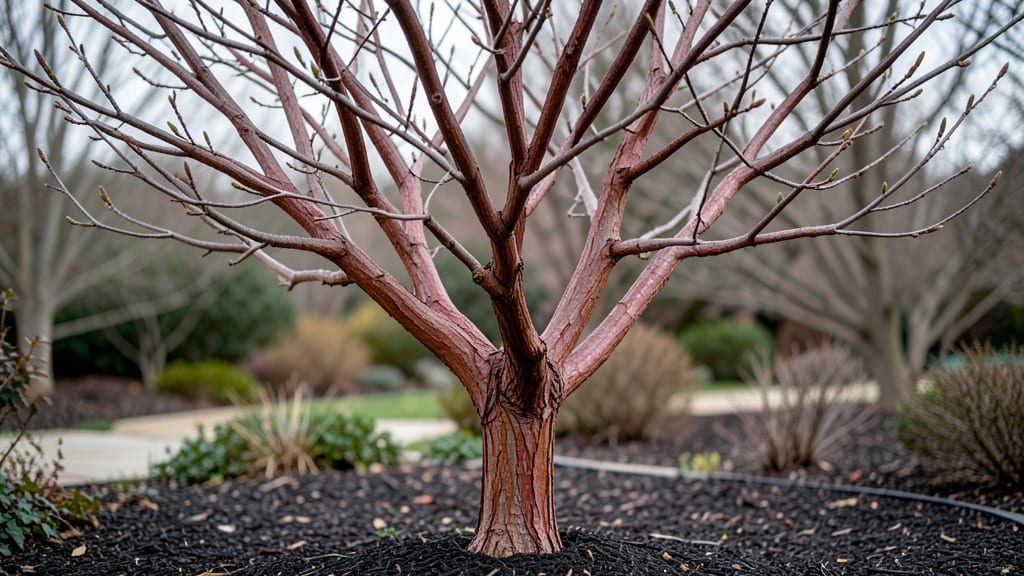
Cold-hardy pruning for crepe myrtles isn’t just about trimming—it’s about waking up dormant strength for next summer’s blooms. ✨ I’ve learned the hard way that late winter is the only time to prune these trees without risking frost damage or stunted growth.
The right cuts now mean fewer dead branches come spring and more vibrant flowers by July.
Most gardeners wait too long, but crepe myrtles thrive when pruned before buds swell—usually in late February or early March—when the ground is still frozen. You’ll need loppers, pruning shears, and a saw for thicker branches, plus gloves to avoid those pesky thorns.
The goal? Shape the tree while removing dead, crossing, or weak branches—never more than 25% of the canopy at once.
After pruning, protect the tree with 3-4 inches of mulch around the base (but keep it 6 inches away from the trunk) to insulate roots. A lightweight frost cloth wrapped loosely around smaller branches can also save tender new growth from late frosts.
By spring, you’ll spot fresh green shoots where old wood used to be—proof the tree’s ready for its comeback.
This method works for zones 5-9, though colder climates may need extra mulch or even burlap wraps for young trees. The payoff? Fewer cleanup headaches in spring and trees that bloom earlier and more abundantly than neighbors who skip winter prep. Let’s get those shears sharp!
📚 In This Guide
- What you need
- Instructions
- Tips and common mistakes
- Wrapping up and next steps
What you need
- ● Pruning shears: Bypass pruners (sharp, clean, and capable of cutting ½-inch branches)
- ● Loppers: For branches ½-inch to 2-inches thick (bypass or anvil type)
- ● Pruning saw: For branches 2-inches or thicker (curved-tooth saw for clean cuts)
- ● Disinfectant: 70% isopropyl alcohol or a bleach solution (1 part bleach to 9 parts water) to sterilize tools
- ● Heavy-duty gloves: Cut-resistant to protect hands from thorns and rough bark
- ● Ladder: Sturdy, extension ladder (if tree exceeds 6 feet in height)
- ● Trash bags: 2-3 heavy-duty bags (for collecting pruned branches)
- ● Rake or broom: To clear debris from the base of the tree
- ○ Pruning sealant (optional but helpful): Tree wound dressing (for cuts larger than ½-inch)
- ● Hand saw: For quick cuts on stubborn branches
- ● Safety goggles: To protect eyes from debris
- ● Work boots: With ankle support for stability on uneven ground
- ● Marking spray: Non-toxic paint to mark branches for removal (if planning ahead)
- ● Mulch: 2-3 inches of shredded bark or wood chips to protect roots after pruning
Step-by-step guide for winter pruning your crepe myrtle
Winter’s the perfect time to refresh your crepe myrtle—just follow these simple cuts for a stronger spring.
✂️ Step 1: Wait Until Dormancy Before Pruning
Prune your crepe myrtle only after the first hard frost, when the tree is fully dormant. This is usually late winter, around February in most climates. Look for brown, leafless branches—that’s your cue. Pruning too early can stimulate new growth that won’t survive cold snaps, while waiting too long risks damaging buds.
I always check the weather forecast and schedule pruning for a mild, dry day—no rain in sight for at least 24 hours. Wet conditions make cuts heal poorly, and you don’t want fungal issues creeping in. If your area has unpredictable winters, err on the side of waiting a little longer for that final frost.
✂️ Step 2: Remove Dead, Diseased, or Weak Wood First
Start by scanning the tree for dead branches—they’ll be brittle, cracked, or missing bark. Use clean, sharp pruning shears to make 45-degree cuts just outside the branch collar (that’s the swollen area where the branch meets the trunk). Avoid leaving stubs, as they invite rot and pests.
Next, look for diseased wood—branches with black spots, oozing sap, or unusual growths. Remove these immediately and dispose of them in the trash, not your compost. Healthy branches should have smooth bark and a vibrant green color when new growth starts in spring. If you’re unsure, cut it out—better safe than sorry.
✂️ Step 3: Thin Out Crowded Branches for Better Airflow
Crepe myrtles grow best with good airflow to prevent fungal diseases. Focus on removing branches that cross or rub against each other—these create wounds and weaken the tree. Aim to open the center of the tree so light can reach all the way to the trunk. You’ll see a noticeable difference in how sunlight filters through after pruning.
I like to step back every few cuts and visualize the tree’s shape. The goal isn’t to turn it into a perfect topiary but to create a balanced, open structure. Remove up to 25% of the tree’s foliage—any more risks stressing it before spring. If you’re unsure how much to cut, err on the lighter side; you can always prune more next year.
✂️ Step 4: Shape the Tree for Spring Growth
Crepe myrtles naturally grow in a vase-like shape, so avoid heavy pruning to maintain that form. Focus on lightly trimming the outer edges to encourage bushier growth. Cut back overly long branches by about one-third to promote denser foliage. Never "top" the tree by cutting the main trunk—this stunts growth and weakens the plant.
Here’s the thing—crepe myrtles bloom on new wood, so pruning now won’t hurt your spring flowers. In fact, a good winter cut often leads to more vibrant blooms later. After shaping, rake up any fallen leaves or debris from the base to reduce pests and disease risk. A clean workspace sets the stage for healthy regrowth.
💧 Step 5: Clean Up and Protect for Spring
Once pruning is done, sterilize your tools with rubbing alcohol to prevent spreading disease. Wipe down blades between cuts, especially if you’ve removed infected branches. A few minutes of cleanup now saves headaches later when buds start breaking in spring.
Apply a 2-3 inch layer of mulch around the base (but not touching the trunk) to retain moisture and regulate soil temperature. This is especially important if your winters are dry or your spring arrives early. Water deeply if the ground feels dry—crepe myrtles need consistent moisture as new growth starts.
Tips & tricks for perfect winter pruning of crepe myrtles
Here's what nobody tells you about winter pruning that'll make all the difference in how your crepe myrtle revives.
Timing is Everything: The 24-hour dry weather window after pruning is non-negotiable. I learned this the hard way after pruning on a damp morning—my cuts took weeks to heal properly. Check the forecast for a stretch of dry days, and if you're unsure, wait until you have a full 48 hours of dry weather. This gives the tree's protective layer time to form before potential rain.
Tool Prep Matters: Sterilizing your pruning shears with rubbing alcohol between cuts isn't just about disease prevention—it's about giving your tree the cleanest possible start. I keep a small bottle of 70% isopropyl alcohol in my tool bag and wipe down blades after every 3-4 cuts, especially when dealing with diseased branches. This simple step can prevent fungal infections that might otherwise spread throughout the tree.
Visual Cues for Pruning: When shaping in Step 4, look for branches that are growing inward or crossing others—they're the first to go. I use the "thinning out" method: I remove entire branches at their point of origin rather than making small cuts along the branch. This opens up the tree's center and allows sunlight to reach all the way to the trunk, which is crucial for preventing fungal diseases like powdery mildew.
Mulch Application Strategy: The 2-3 inch layer of mulch should be spread evenly but never touch the trunk. I like to create a slight mound around the base, then gently press it down. This creates a moisture-retaining barrier while preventing rot at the trunk. For extra protection in dry climates, I add a second layer of mulch in early spring to maintain moisture as new growth begins.
Pro Tips for Crepe Myrtle Tree In Winter
- Here's what nobody tells you about winter pruning that'll make all the difference in how your crepe myrtle revives.
- Timing is Everything: The 24-hour dry weather window after pruning is non-negotiable.
- Tool Prep Matters: Sterilizing your pruning shears with rubbing alcohol between cuts isn't just about disease prevention—it's about giving your tree the cleanest possible start.
Frequently asked questions
Got questions about keeping your crepe myrtle tree thriving through winter? You’re not alone! Here are answers to the most common concerns—so you can prune with confidence and welcome a stunning spring comeback.
When is the best time to prune crepe myrtles in winter?
Prune after the first hard freeze (when temps drop below 25°F) but before new growth starts in early spring. This timing minimizes stress on the tree and prevents late-winter dieback. Aim for late January to mid-February in most climates. Pro tip: Avoid pruning in extreme cold or during active growth periods!
How cold can crepe myrtles tolerate before pruning?
Most crepe myrtles handle temps down to 0°F (-18°C), but young trees or tender varieties may need extra protection. Wait until a consistent cold snap (3–5 days below freezing) before pruning. If your area gets harsh winters, wrap the tree in burlap or use frost cloth for added safeguards.
Should I remove all dead branches now, or wait for spring?
Remove obviously dead or diseased branches anytime—even in winter—but hold off on heavy pruning until after the first freeze. Deadwood is easier to spot in winter, but pruning too early can stimulate unwanted growth before the tree fully hardens. Key sign: Tap branches—if they sound hollow, they’re dead and ready to go!
What if my crepe myrtle loses all its leaves in winter? Is it dead?
Don’t panic! Crepe myrtles are deciduous and naturally shed leaves in winter. If the bark is intact and buds are still visible at the branch tips, the tree is alive. Wait until spring to assess—new growth should appear by April. Red flag: Cracked, peeling bark or oozing sap signals trouble.
Are there winter alternatives if I can’t prune right now?
Yes! If winter pruning isn’t feasible, lightly shape the tree in early spring (before buds swell) to remove only the most unsightly branches. Avoid heavy cuts—crepe myrtles bloom on new wood, so aggressive pruning too late can reduce flowers. For now, focus on mulching (3–4 inches of organic mulch) and watering deeply once a month if rain is scarce.
What should I do if my crepe myrtle shows signs of frost damage?
Frost damage often appears as brown, mushy stems or blackened leaves. Prune only the damaged parts (cut back to healthy green tissue) and avoid over-pruning. Apply a balanced fertilizer in early spring to help recovery. Extra care: Water at the base (not overhead) to prevent further stress.
Wrapping up and next steps
Winter is the perfect time to give your crepe myrtle tree the care it needs for a stunning spring comeback! By following cold-hardy pruning techniques, you’ll encourage vibrant blooms and strong growth—plus, you’ll avoid those pesky "crepe murder" mistakes. Remember, timing, technique, and tools are your best friends here.
Ready to transform your yard? Grab your pruners and head outside—your crepe myrtle’s spring glory starts with the work you do now! 🌿✨ Check out our step-by-step pruning guide to get started.