
Pruning
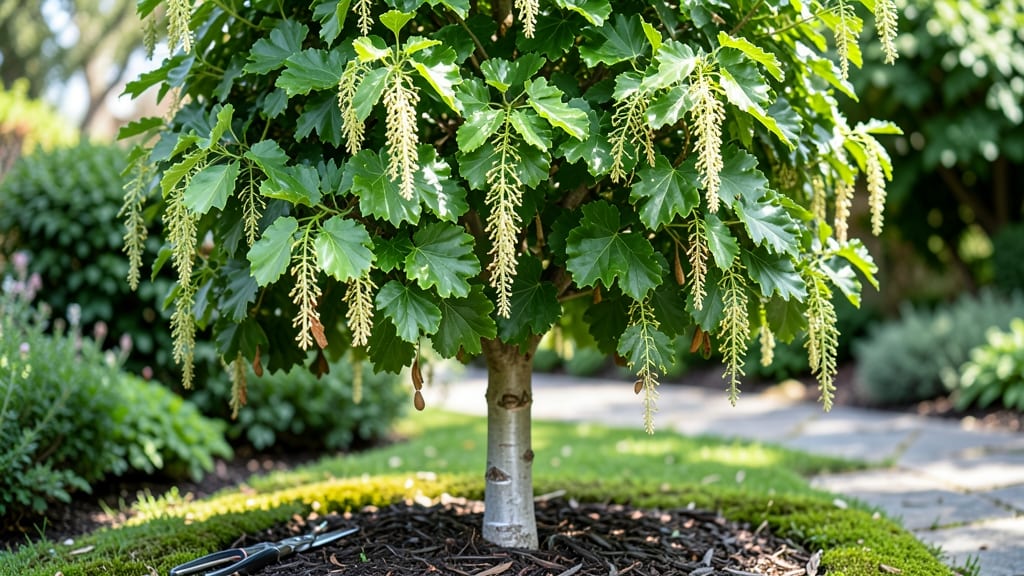
Pruning your curly leaf lime tree isn't just about shaping branches—it’s the secret to year-round fruit production that makes this citrus standout. I’ve pruned mine for five seasons, and the difference between a neglected tree and one that bears fruit in every season is shocking.
The key is timing, technique, and knowing which branches to keep (and which to cut).
You’ll need sharp bypass pruners, rubbing alcohol for sterilization, and a clear day to assess the tree’s structure. The process takes 30-45 minutes depending on size, but the payoff is fruit that ripens in waves—some green, some yellow, some ready to eat—all year long.
Even in winter, when most citrus trees rest, mine keeps producing.
What you’ll end up with is a tree that’s disease-resistant, compact enough for containers, and loaded with fragrant, tangy limes. The leaves stay glossy, the branches stay sturdy, and you’ll never again waste space on overgrown, unproductive growth.
This is how you turn a citrus tree into a fruit factory—not just once, but season after season.
Works for both outdoor orchards and indoor pots—just adjust pruning frequency for indoor light conditions. The same principles apply whether you’re trimming a 6-foot patio tree or a 2-foot container specimen. Let’s get those shears sharp and start pruning!
📚 In This Guide
- What you need
- Instructions
- Tips and common mistakes
- Wrapping up and next steps
What you need
- ● Pruning shears: Bypass pruners (for cuts up to ½ inch in diameter). Look for sharp, stainless steel blades to prevent crushing.
- ● Loppers: For thicker branches (¾ inch to 1½ inches). Choose bypass-style loppers for clean cuts.
- ● Hand saw: Pruning saw with a curved blade for larger branches (1½+ inches). Carbon steel blades are ideal for tough wood.
- ● Disinfectant: 70% isopropyl alcohol or a 10% bleach solution (1 part bleach to 9 parts water) to sterilize tools between cuts.
- ● Rubbing alcohol or hydrogen peroxide: 3% solution for cleaning tools and small wounds on the tree.
- ○ Pruning sealant (optional but recommended): Tree wound pruning paste to protect larger cuts from pests and disease.
- ● Gloves: Heavy-duty gardening gloves to protect hands from thorns and sap.
- ● Ladder or step stool: Sturdy and tall enough to reach the highest branches safely.
- ● Trash bags or bucket: For collecting pruned branches and debris.
- ● Sharpie or marking pen: For labeling branches (if needed for training or identification).
- ● Extension pole pruners: For high branches without a ladder (reach up to 8-10 feet).
- ● Tarp or drop cloth: To protect the ground from falling debris.
- ● Safety glasses: To shield eyes from sap or debris.
- ● Notebook or camera: To document pruning cuts and track growth over time.
- ● Fertilizer (balanced citrus blend): Apply after pruning to support new growth (e.g., 6-6-6 NPK ratio).
How to prune a curly leaf lime tree for maximum fruit production
Pruning transforms a curly leaf lime into a fruit-bearing powerhouse—here’s my method for shaping, airflow, and seasonal care.
Time Your Pruning for Optimal Growth
Prune your curly leaf lime in late winter or early spring, just as new growth begins but before buds swell. This timing ensures you remove dead wood while encouraging vigorous spring flushes. Avoid pruning in fall—it stimulates tender new growth that won’t survive winter frosts, leaving your tree vulnerable to cold damage.
If you must prune mid-season, do so after harvest to redirect energy into next year’s fruit production. Never prune during heatwaves or droughts—stressed trees react poorly to cuts. Watch for leaf buds swelling along branches; that’s your cue the tree is waking up and ready for shaping.
Remove Dead, Diseased, and Overlapping Branches
Start by eliminating dead, diseased, or crossing branches—these compete for resources and invite pests. Use clean, sharp pruners to make cuts at a 45-degree angle, just outside the branch collar (the swollen area where the branch meets the trunk). Cutting flush with the trunk leaves a wound that heals poorly.
Look for branches rubbing against each other or growing inward—they’ll eventually tear or block sunlight. Thin these out first, prioritizing outward-facing branches to create an open canopy. Remove any suckers (shoots growing from the base or trunk) immediately, as they drain energy from fruit production.
Shape for Airflow and Light Penetration
Curly leaf limes thrive with open, airy canopies—this prevents fungal diseases like citrus blight and ensures even fruit ripening. Aim for a modified vase shape: remove upward-growing branches to reduce height while encouraging horizontal limbs. Leave 3-4 main scaffold branches spaced evenly around the trunk.
Thin out dense foliage in the center of the tree to let sunlight reach inner branches. You’ll know you’ve done well when you can see light filtering through the canopy on a sunny day. Avoid heavy heading cuts (trimming back to a bud)—lime trees respond poorly to this and may produce fewer flowers.
Lightly Prune for Fruit Production
After the initial structural pruning, focus on lightening the load to boost fruit set. Remove overly vigorous shoots growing from the main branches—these divert energy from fruit development. Keep cuts to no more than 25% of the tree’s total foliage in a single session to avoid shocking it.
Prune just after harvest to encourage a winter flush of new growth, which will bear next year’s fruit. Watch for water sprouts (fast-growing, weak shoots) and trim them back to a leaf node. These shoots rarely produce fruit and weaken the tree’s structure.
Clean Up and Monitor for Recovery
After pruning, sterilize your tools with rubbing alcohol to prevent disease spread. Collect and dispose of pruned branches—never leave them under the tree, as they harbor pests and fungi. Apply a balanced citrus fertilizer (10-10-10) 4-6 weeks after pruning to support new growth.
Monitor the tree for new leaf flushes within 3-4 weeks—this confirms successful pruning. If leaves yellow or drop excessively, you’ve pruned too aggressively. Adjust future cuts to smaller removals and focus on thinning rather than heading. A well-pruned lime will reward you with heavier fruit sets and healthier foliage.
Tips & tricks for perfect curly leaf lime tree pruning
Mastering the art of pruning transforms your curly leaf lime from a mere ornamental into a fruit-bearing machine. These insights will help you avoid common pitfalls and maximize your harvest.
Seasonal Timing Insight: The late winter to early spring window is non-negotiable for optimal results. I've seen trees pruned in fall produce sparse fruit the following year because the new growth simply can't survive winter. Watch for those swelling leaf buds—they're your green light to start pruning. If you must prune mid-season, always do it after harvest to redirect the tree's energy toward next year's fruit production rather than maintaining current fruit.
Cutting Technique Precision: That 45-degree angle isn't just aesthetic—it's crucial for proper wound healing. When making cuts just outside the branch collar, imagine you're making a small smile on the branch rather than a flat chop. This angle allows water to bead off rather than pool, reducing the risk of fungal infections. And remember, clean tools aren't optional—they're essential. I sterilize my pruners with rubbing alcohol between every few cuts to prevent disease transmission between branches.
Structural Balance Strategy: Aiming for that modified vase shape with 3-4 main scaffold branches creates the perfect balance between sunlight exposure and structural integrity. The key is to visualize your tree's growth pattern—remove upward-growing branches to reduce height while encouraging those horizontal limbs that will bear the most fruit. Think of it like creating an umbrella that catches sunlight rather than blocks it. This open canopy isn't just about looks; it's about preventing fungal diseases by ensuring proper airflow throughout the tree.
Recovery Monitoring: Those new leaf flushes within 3-4 weeks are your confirmation that everything went right. If you don't see them, you've either pruned too aggressively or at the wrong time. I've learned this the hard way—after over-pruning a young tree, it took two full seasons for it to recover its fruit production. When you do see those new leaves, that's when you know it's safe to apply that balanced citrus fertilizer (10-10-10) to support the new growth.
Pro Tips for Curly Leaf Lime Tree
- Mastering the art of pruning transforms your curly leaf lime from a mere ornamental into a fruit-bearing machine.
- Seasonal Timing Insight: The late winter to early spring window is non-negotiable for optimal results.
- Cutting Technique Precision: That 45-degree angle isn't just aesthetic—it's crucial for proper wound healing.
Frequently asked questions
When is the best time to prune a curly leaf lime tree for fruit?
Prune your curly leaf lime tree twice a year: late winter/early spring (just before new growth starts) to shape the tree and summer (after fruit sets) to encourage more blooms. Avoid heavy pruning in fall—it can stress the tree before winter. Light trimming to remove dead branches is fine year-round!
How much can I prune without hurting my lime tree?
Never remove more than 25-30% of the tree’s foliage in one session. Curly leaf limes are resilient, but aggressive pruning can shock the tree, reduce fruit production, or invite pests. Focus on selective pruning: thin out crowded branches, remove suckers, and open the canopy for airflow. Think "less is more" for long-term health!
How long does it take for a pruned curly leaf lime tree to bear fruit again?
If you pruned correctly, you’ll see new growth and flowers within 4-8 weeks of spring/summer pruning. Fruit typically appears 6-12 months after pruning, depending on the tree’s age and health. Young trees (under 3 years) may take longer. Pro tip: Fertilize lightly after pruning to support recovery and fruit development!
Can I prune my curly leaf lime tree too much? What are the signs?
Yes! Over-pruning shows up as yellowing leaves, stunted growth, or no fruit. Other red flags: excessive suckers (shoots at the base), bare branches, or leaves dropping prematurely. If you see these, scale back pruning next time and focus on nutrient-rich soil and consistent watering.
What’s the difference between pruning for fruit vs. pruning for shape?
| Pruning for Fruit | Pruning for Shape |
|---|---|
| Remove overcrowded branches and dead wood to improve airflow and sunlight penetration. | Trim long, leggy branches to maintain a balanced, open canopy. |
| Cut back last year’s fruit stems to encourage new blooms. | Shape the tree by shortening outer branches to control size. |
| Best done in summer after fruiting. | Best done in late winter/early spring. |
Pro tip: Combine both approaches—just prioritize fruit-bearing branches in summer!
Wrapping up and next steps
Your curly leaf lime tree is now primed for a thriving, fruitful future! 🌿 By mastering the art of pruning—whether for shape, health, or harvest—you’re not just trimming branches; you’re nurturing a bountiful, year-round citrus treasure.
Remember, consistency is key, so schedule your pruning sessions like a pro and watch your tree reward you with juicy, tangy limes all season long.
Ready to take the next step? Mark your calendar for your first post-winter pruning session and grab those shears—your lime tree (and taste buds) will thank you! 🍋✨