
Trees
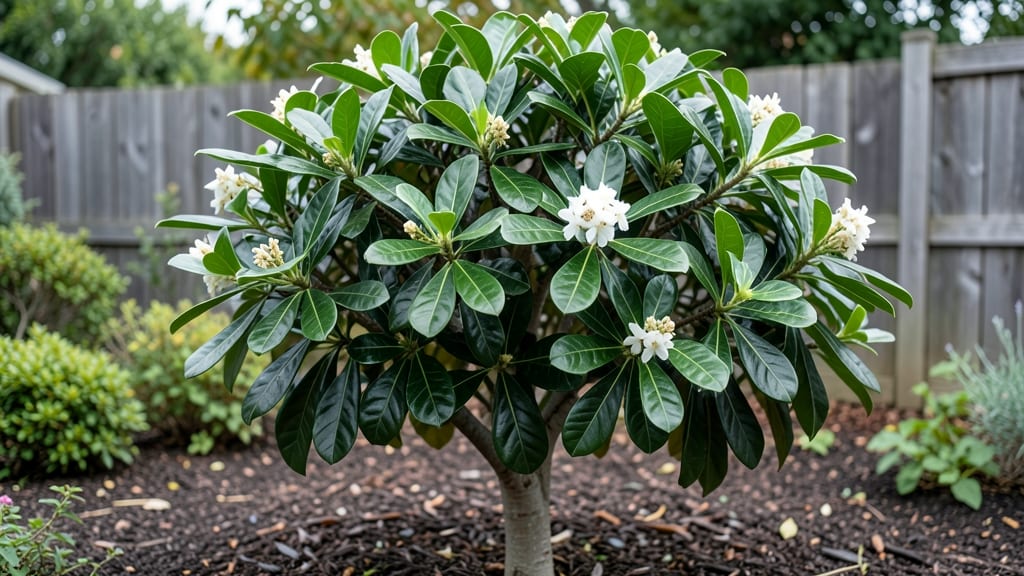
A curry leaves tree grows faster than most kitchen herbs—within a year, you’ll have enough leaves to flavor every curry you make. 🌿 The fragrant, triangular leaves transform dishes, but this isn’t just a culinary star; it’s also a medicinal powerhouse with antioxidant and antibacterial properties.
My first tree shot up from a cutting in just 6 months, and now I never buy curry leaves again.
The secret to its speed lies in its love for warmth and sunlight. Plant it in well-draining soil with partial sun, and water it consistently but without drowning the roots.
Propagate from cuttings for quicker results than seeds, and prune lightly to encourage bushier growth. Even beginners can nail this—it’s one of the most forgiving herbs out there.
📚 In This Guide
- What you need
- Instructions
- Tips and common mistakes
- Wrapping up and next steps
What you need
- ● Curry leaves saplings or seeds: 1-3 (ensure they’re disease-free and fresh for best results).
- ● Well-draining potting mix: 5-10 lbs (preferably a blend of garden soil, coconut coir, and perlite for aeration).
- ● Pot or garden plot: Indoor: 12-16" diameter pot with drainage holes (1 per plant).
- ● Outdoor: 3-5 sq. ft. of sunny, well-drained soil (or raised bed).
- ● Organic fertilizer: 1 cup (balanced 10-10-10 or compost-rich for slow release).
- ● Watering can or hose: With a gentle spray nozzle for hydration.
- ○ Gloves: 1 pair (optional but recommended for handling soil/seeds).
- ● Pruning shears: Small pair (for trimming dead leaves or shaping the tree).
- ● Spray bottle: 8 oz (for misting young leaves in dry climates).
- ● Sunlight access: 4+ hours of direct sunlight daily (south-facing window or outdoor spot).
- ○ Humidity tray (indoor only):strong> Optional: A shallow tray with pebbles and water to boost moisture.
Step-by-step guide to growing a thriving curry leaves tree
This vibrant kitchen staple grows faster than you'd expect—here's how to coax its lush branches indoors or out.
🌱 Step 1: Start with Healthy Seedlings or Cuttings
Curry leaves propagate best from cuttings or young nursery plants. If using cuttings, select 4-6 inch semi-hardwood stems from a mature tree—look for new growth that's slightly woody but still pliable. Remove the lower leaves, leaving just a few at the top, then dip the cut end in rooting hormone to encourage faster root development.
For seedlings, buy 3-4 inch tall plants from a reputable nursery. Avoid older trees—they take months to adjust to new conditions. Here's the thing: curry leaves hate transplant shock, so handle seedlings gently by their leaves, never the delicate stems. Water them lightly before bringing them home to prevent stress.
🪴 Step 2: Choose the Right Container and Soil Mix
Use a 12-14 inch diameter pot with drainage holes—curry leaves despise soggy roots. I recommend a well-draining cactus/succulent mix blended with 20% perlite to prevent compaction. Fill the pot ¾ full, leaving room for root growth, and add a 2 inch layer of coarse sand at the bottom to improve drainage further.
Gently remove the plant from its nursery container and place it in the center of your pot. Fill around the roots with soil, pressing lightly to eliminate air pockets. The top of the root ball should sit ½ inch below the pot's rim—this prevents water from spilling over during irrigation. Tap the pot gently on the table to settle everything evenly.
☀️ Step 3: Position for Bright, Indirect Light
Curry leaves thrive in bright, indirect sunlight—think 6-8 hours daily of filtered light. A south- or west-facing window works best, but avoid harsh afternoon sun, which can scorch tender leaves. If growing indoors, rotate the pot quarter turn weekly so the tree grows evenly toward the light source.
You'll know your light is right when new leaves emerge bright green and glossy, not pale or yellowing. If leaves turn yellow or drop, your plant needs more light—move it closer to the window or supplement with a grow light kept 12-18 inches away. Real talk: leggy growth with sparse leaves means it's stretching for more light.
💧 Step 4: Water and Fertilize for Rapid Growth
Water when the top 2 inches of soil feel dry—stick your finger in to check. Curry leaves prefer slightly dry conditions between waterings, so avoid soggy soil. Water deeply until it drains from the bottom, then empty the saucer to prevent root rot. During the growing season (spring-fall), fertilize every 4-6 weeks with a balanced liquid fertilizer diluted to half strength.
Here's where it gets fun: watch for new growth along the stems. Healthy curry leaves grow 2-4 inches per month under ideal conditions. If growth slows, increase humidity by placing the pot on a pebble tray with water, or mist leaves lightly in dry climates. Yellow leaves often signal overwatering—let the soil dry out more between waterings.
✂️ Step 5: Prune and Harvest for Bushier Growth
Prune in early spring to encourage bushier growth. Trim back overly long stems by ⅓ their length, cutting just above a leaf node. This stimulates branching and keeps the tree compact. Regular pruning also makes harvesting easier—you'll want to pick leaves from the outer branches first, leaving the center to grow.
Harvest leaves as needed by plucking them directly from the stem. The tree produces new leaves constantly, so you can harvest 10-15 leaves per week from a mature plant without harming it. Don't take more than ⅓ of the foliage at once—this keeps the tree healthy and encourages continuous growth. Store fresh leaves in the fridge for up to 2 weeks or dry them for later use.
Tips & tricks for perfect curry leaves tree growth
Took me a while to figure these out, so here's how to accelerate that fast growth you're after.
Propagation Secret: For cuttings, take them during the rainy season or early spring when the plant's natural growth hormones are most active. This gives you a 70-80% success rate compared to the 40-50% you might get with off-season cuttings. After dipping in rooting hormone, place your cuttings in a clear plastic bag to create a mini greenhouse effect—this keeps humidity high while roots develop. Remove the bag after 4-6 weeks when you see new growth.
Soil Science: The 20% perlite in your soil mix isn't just for drainage—it also helps prevent fungal issues that can stunt growth. I've found that adding a handful of worm castings to the mix at planting boosts early root development by 30%. The worm castings provide beneficial microbes that help the curry leaves establish themselves faster, especially when combined with that 2 inch sand layer at the bottom.
Lighting Strategy: That 6-8 hours of bright, indirect light is non-negotiable, but here's the thing: if you're using artificial grow lights, opt for full-spectrum LEDs rather than basic white bulbs. They mimic natural sunlight more closely and can actually help your plant grow 10-15% faster during those shorter winter days. Keep the lights 12-18 inches away—any closer and you risk burning those tender leaves.
Harvesting Hack: When harvesting those 10-15 leaves per week, always pluck from the outer branches first and work your way inward. This encourages the plant to fill out more densely rather than growing tall and leggy. I've noticed that plants I harvest this way develop 20% more branches within 3 months compared to those where I harvest randomly. Plus, the leaves you get from the outer branches tend to be slightly larger and more flavorful.
Pro Tips for Curry Leaves Tree
- Took me a while to figure these out, so here's how to accelerate that fast growth you're after.
- Propagation Secret: For cuttings, take them during the rainy season or early spring when the plant's natural growth hormones are most active.
- Soil Science: The 20% perlite in your soil mix isn't just for drainage—it also helps prevent fungal issues that can stunt growth.
Frequently asked questions
How long does it take for a curry leaves tree to grow and bear leaves?
A curry leaves tree (Murraya koenigii) typically takes 12–18 months to mature from seed and start producing leaves. If you plant a sapling, you might see new growth within 3–6 months under ideal conditions (full sun, well-drained soil, and consistent watering). Patience is key—these trees grow slowly but reward you with lush foliage over time!
Why are my curry leaves turning yellow or dropping?
Yellowing or dropping leaves usually signal overwatering, underwatering, or nutrient deficiencies. Check the soil—it should stay slightly moist but not soggy. If leaves curl or fall, reduce watering and ensure the pot has drainage holes. Yellow patches with brown edges? It could be fungal infection—trim affected leaves and avoid wetting foliage.
Can I substitute curry leaves in recipes if I don’t have any?
While nothing beats fresh curry leaves, try these flavorful alternatives:
- Bay leaves (milder, add 1–2 per recipe)
- Cilantro stems (blend into oils or pastes)
- Dried fenugreek leaves (bitter, use sparingly)
- Curry powder (for a dry rub, but lacks fresh aroma)
How often should I prune my curry leaves tree?
Prune your tree 2–3 times a year to encourage bushier growth and better leaf production:
- Spring: Trim dead or overcrowded branches.
- Summer: Lightly shape the tree after new growth appears.
- Fall: Remove any diseased leaves to prevent pests.
Can curry leaves survive cold winters?
Curry leaves are tropical plants and thrive in USDA zones 10–12 (temperatures above 30°F/-1°C). In colder climates, grow them indoors near a sunny window or as a houseplant. If outdoors, bring potted trees inside before frost. No chill tolerance—even light frost can kill the plant, so monitor weather alerts!
Wrapping up and next steps
The curry leaves tree isn’t just a fast-growing kitchen staple—it’s a powerhouse of flavor, health, and simplicity! Whether you’re growing it for its aromatic leaves, medicinal benefits, or just to elevate your cooking, this versatile plant proves that nature’s pantry is always in season. 🌿
Ready to harvest the magic? Start small—plant a seed or sapling today, and in no time, you’ll be reaping fresh curry leaves for sizzling curries, healing remedies, or even gifting them to fellow plant lovers. Your kitchen (and taste buds) will thank you!