
Trees
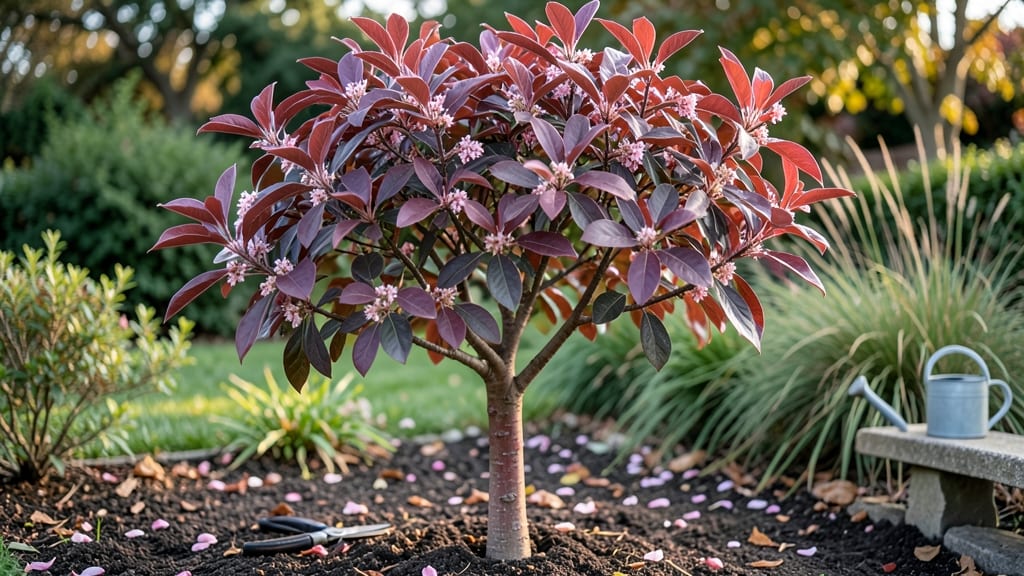
Decorative plum trees turn any garden into a showstopper with their dramatic canopies and seasonal color shifts—from fragrant spring blooms to fiery fall foliage. 🌸 I planted mine near the patio last year, and the way the blossoms spill over the deck in April still makes my neighbors stop and stare.
The key is choosing the right variety: dwarf types like 'Tokay' or 'Methley' work perfectly in containers, while standard 'Santa Rosa' plums anchor a mixed border with their sturdy branches.
These trees aren't just pretty—they're practical too. Their compact growth habits make them ideal for small spaces, and the glossy leaves add texture that pairs beautifully with lavender, ornamental grasses, or even hostas. In containers, they bring height and drama without overwhelming a balcony or courtyard.
Plus, the edible fruit (when you pick the right cultivar) adds a bonus—imagine fresh plums for jam or cocktails straight from your own yard.
What you'll love most is how they perform year-round. Spring brings clouds of pink or white flowers, summer offers lush green canopies, and fall delivers fiery red or orange foliage that outshines most maples. Even the winter branches have character, especially when pruned to reveal their elegant structure.
The secret to keeping them looking their best? A little strategic placement and regular pruning to encourage that open, airy growth habit.
Whether you're creating a focal point, lining a pathway, or adding height to a container garden, decorative plums deliver stunning visual impact with minimal effort. They thrive in full sun to partial shade and handle most soil types—just avoid waterlogged spots.
Start with one as a statement piece, and you'll quickly see why these trees are a gardener's secret weapon for year-round interest.
📚 In This Guide
- What you need
- Instructions
- Tips and common mistakes
- Wrapping up and next steps
What you need
- ● Decorative plum tree (choose between Prunus cerasifera 'Atropurpurea' for deep purple foliage or Prunus cerasifera 'Pissardii' for variegated leaves). Size: 1–3 gallons (container) or bare-root (garden).
- ● Container (if planting in a pot): Size: At least 15–20 gallons for mature trees (diameter ≥ 24"). Material: Glazed ceramic, fabric-grown, or heavy-duty plastic with drainage holes.
- ○ Well-draining potting mix: Blend: 60% premium potting soil + 30% perlite/pumice + 10% compost. Optional: Add mycorrhizal fungi to boost root health.
- ● Garden soil amendments (for in-ground planting): Mix: 2–3 inches of compost + 1 part sand (for heavy clay soils).
- ● Mulch: Type: Bark chips or shredded wood (2–3 inches thick). Avoid: Fresh wood or dyed mulch.
- ● Slow-release fertilizer: Type: 10-10-10 or balanced organic (e.g., fish emulsion). Application: Follow label rates (typically 1–2x per year).
- ● Pruning tools: Bypass pruners (for small branches)
- ● Loppers (for thicker stems)
- ● Sterilizing solution (70% isopropyl alcohol or bleach water)
- ○ Support stakes (optional for containers): Size: 3–4 ft bamboo or metal stakes + soft tree ties.
- ● Watering can or hose with gentle spray nozzle.
- ● Drip irrigation kit (for consistent moisture in containers).
- ● Soil moisture meter (to avoid over/under-watering).
- ● Epsom salt (for magnesium boost, especially in yellowing leaves).
- ● Decorative rocks or pebbles (for container aesthetics).
- ● Tree guard or protective netting (to deter pests like deer or rabbits).
Step-by-step guide for planting and caring for decorative plum trees
Here's how to establish these showstopping trees for long-term beauty in any space.
🌱 Step 1: Choose the Perfect Location for Maximum Impact
Decorative plum trees thrive in full sun—select a spot receiving at least 6-8 hours of direct sunlight daily. In containers, position them where the bark and blossoms can be admired, like near patios or entryways. For in-ground plantings, ensure 4-6 feet of clearance around mature height (15-25 feet) to prevent branch interference with structures or sidewalks.
Here's the thing—plums dislike soggy roots. If your soil drains poorly, amend with 2-3 inches of compost mixed into the top 12 inches of soil. For containers, use a well-draining potting mix with added perlite or sand. Test drainage by filling a container with water—it should empty completely within 30 minutes.
🪴 Step 2: Plant with Proper Spacing and Support
Dig a hole twice as wide as the root ball but no deeper. Gently remove the tree from its container and loosen any circling roots with your fingers. Place the tree so the top of the root ball sits 1-2 inches above ground level—this prevents water pooling at the stem. For containers, use a pot 3-4 inches larger in diameter than the root ball and ensure it has drainage holes.
Backfill with native soil mixed with compost (for in-ground) or your prepared potting mix (for containers). Tamp lightly as you fill to eliminate air pockets. Water deeply until moisture reaches 6 inches down—you'll know it's enough when water runs freely from drainage holes. Stake young trees only if necessary (windy areas), using soft tree ties to avoid girdling the trunk.
☀️ Step 3: Establish a Consistent Watering Routine
Water newly planted decorative plums twice weekly for the first month, then taper to once weekly once established. Containers dry out faster—check soil moisture by sticking your finger 2 inches deep; water when dry. Overwatering is the biggest mistake—plums hate wet feet. You'll see healthy growth when leaves remain deep green and new shoots appear within 4-6 weeks of planting.
Mulch around the base (but not touching the trunk) with 2-3 inches of wood chips to retain moisture and regulate soil temperature. Replenish mulch annually. Fertilize in early spring with a balanced 10-10-10 formula, applying ½ cup per inch of trunk diameter. Avoid high-nitrogen fertilizers—they promote leafy growth at the expense of flowers and fruit.
✂️ Step 4: Prune for Shape and Health Year-Round
Prune in late winter or early spring before new growth begins. Remove dead, diseased, or crossing branches first, then shape by thinning to allow light penetration to the center. Cut just outside the branch collar (the swollen area where the branch meets the trunk). For containers, prune more aggressively to maintain size—these trees can be kept 10-15 feet tall with regular trimming.
Real talk: Decorative plums respond well to pruning, but don't overdo it. Aim to remove no more than 25% of the canopy in any single year. You'll know you've done it right when the tree develops a balanced, open structure with sunlight reaching all branches. After pruning, apply wound dressing to large cuts to prevent disease entry.
Tips & tricks for perfect decorative plum trees
Between us, these trees are easier to establish than most people realize—once you know the little details that make all the difference. Here's what nobody tells you about getting that showstopping canopy right from the start.
Sunlight Strategy: That 6-8 hours of sunlight isn't just a minimum—it's the sweet spot for plum trees to develop their signature bold foliage and floral displays. I've seen trees in partial shade develop sparse canopies and fewer blossoms. If your space only gets 4-5 hours of sun, consider positioning the tree where it gets morning sun and afternoon shade instead of compromising on light entirely. The east side of your property or near a south-facing window for containers often works perfectly.
Root Ball Elevation: The 1-2 inches above ground level for the root ball isn't just about looks—it's a critical drainage detail. I learned this the hard way after seeing a neighbor's plum tree develop root rot from improper planting depth. This elevation prevents water from pooling at the stem during those crucial first waterings. For containers, add a layer of gravel at the bottom before your potting mix to create additional drainage space.
Watering Wisdom: Those twice-weekly waterings for the first month should be deep waterings—meaning you're saturating the soil down to 6 inches, not just wetting the surface. I test this by sticking my finger down: if the soil is dry at 2 inches, it's time to water again. The key is consistency; plum trees hate both drought and soggy conditions. Containers will need more frequent watering, especially in hot weather—check daily if the soil feels dry at the surface.
Pruning Precision: When you're shaping your tree in Step 4, focus on creating an open center rather than just trimming the outer branches. I aim to remove branches that grow inward at a sharp angle—they'll rub against each other as the tree grows and create wounds. For container trees, you can be more aggressive with pruning to maintain that compact 10-15 foot height, but always make your cuts just outside the branch collar to promote proper healing.
Pro Tips for Decorative Plum Trees
- Between us, these trees are easier to establish than most people realize—once you know the little details that make all the difference.
- Sunlight Strategy: That 6-8 hours of sunlight isn't just a minimum—it's the sweet spot for plum trees to develop their signature bold foliage and floral displays.
- Root Ball Elevation: The 1-2 inches above ground level for the root ball isn't just about looks—it's a critical drainage detail.
Frequently asked questions
Got questions about adding decorative plum trees to your space? You’re not alone! Here are some of the most common queries—and their answers—to help you get started with confidence.
How do I choose between ornamental and fruit-bearing plum trees?
Ornamental plum trees (like Prunus cerasifera) are prized for their vibrant foliage, striking bark, and minimal fruit production. If you want bold colors and low-maintenance beauty, go ornamental. For edible plums, opt for fruit-bearing varieties—but expect seasonal cleanup and potential pests. Pro tip: Check your climate zone to ensure the tree thrives!
When is the best time to plant a decorative plum tree?
Plant in early spring or fall when temperatures are mild (50–70°F). Avoid extreme heat or frost, as young roots are delicate. Container-grown trees can be planted year-round, but spring is ideal for root establishment. Bonus: Mulch well after planting to retain moisture and protect roots.
Can decorative plum trees grow in containers, and what size pot do I need?
Dwarf varieties (like ‘New Dawn’) thrive in 15–25 gallon pots with drainage holes. Ensure the pot is at least 12 inches deep and use well-draining soil. Repot every 2–3 years, and fertilize lightly in spring. Warning: Containers dry out faster—water deeply when the top inch of soil feels dry.
How do I protect my plum tree from cold winters or hot summers?
Most decorative plums are hardy (zones 5–9), but young trees or tender varieties need extra care. In winter, wrap the trunk with burlap and mulch heavily. For summer heat, provide afternoon shade if leaves scorch. Pro move: Group trees with other plants to create a microclimate that regulates temperature.
What pests or diseases should I watch for, and how do I treat them?
Common issues include aphids, scale, and powdery mildew. Spray trees with neem oil or insecticidal soap for pests. For mildew, improve airflow and apply fungicide early. Prevention tip: Prune regularly to remove dead branches, and clean up fallen leaves to reduce fungal spores.
Wrapping up and next steps
Decorative plum trees bring stunning beauty, fragrance, and versatility to any space—whether you're growing them in containers or full gardens. Their striking blooms, low-maintenance care, and adaptability make them a fantastic choice for both novices and seasoned gardeners.
Ready to transform your outdoor (or indoor!) oasis? Start by selecting the perfect variety, gathering your supplies, and giving these trees the love they deserve.
🌱 Next step: Pick a spot, plant with confidence, and watch your plum tree flourish into a showstopper! Check out our full planting guide for step-by-step success.