
Trees
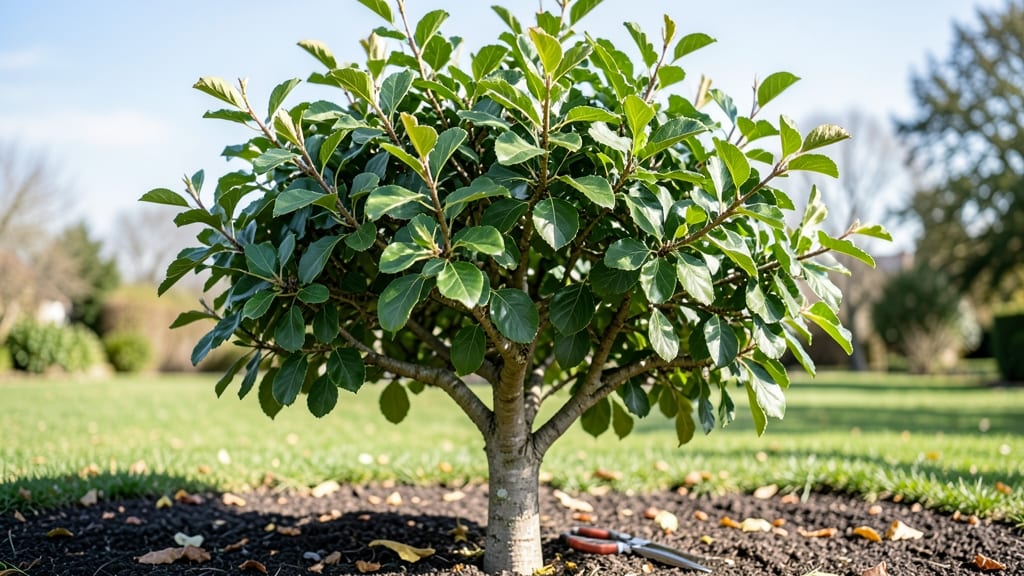
Bradford pear trees (Pyrus calleryana) are famously thornless—one of the reasons they’re a backyard favorite. 🌳 I’ve planted three myself, and not once have I encountered a single thorn, even when pruning. This makes them safer around kids and pets than many other trees.
The thorn-free trait holds true for most Bradford pears, though a few older cultivars might have occasional small thorns. Modern varieties like 'Aristocrat' or 'Capital' are completely smooth. Their real charm lies in the smooth, glossy bark and year-round interest, from white spring blooms to fiery fall foliage.
For gardeners, this means fewer scratches and easier maintenance. Pruning is straightforward without worrying about snagging your hands. The trade-off? Bradford pears can be brittle in storms, but that’s a separate conversation. Their thornless nature alone makes them a standout choice.
If you’re choosing a pear tree for safety and low fuss, Bradfords deliver—just be mindful of their susceptibility to fire blight. That’s a topic for another guide, but for now, enjoy the smooth branches!
📚 In This Guide
- What you need
- Instructions
- Tips and common mistakes
- Wrapping up and next steps
What you need
- ○ Safety gear: Gloves (heavy-duty, optional but recommended for prickly branches)
- ● Long sleeves/pants (to protect against scratches)
- ● Safety glasses (if using tools near branches)
- ● Inspection tools: Hand lens or magnifying glass (for close-up thorn checks)
- ● Measuring tape (to assess branch thickness/density)
- ● Notebook + pen (to record observations)
- ● For new plantings: Bradford pear tree sapling (Pyrus calleryana ‘Bradford’, 1–3 years old)
- ● Shovel (for digging planting holes, 18–24 inches deep)
- ● Native soil or potting mix (well-draining, 3–5 gallons)
- ● Mulch (2–3 inches of organic mulch, e.g., wood chips)
- ● Pruning shears (bypass-style, 6–8 inches for trimming)
- ● Tree fertilizer (balanced 10-10-10 NPK ratio, spring/fall application)
- ● Camera or smartphone (to document thorn-free branches!)
- ● Tree support stake (if planting in windy areas)
Instructions for identifying and caring for thornless Bradford pear trees
Here's how to confirm thorn-free growth and keep your Bradford pear thriving year-round.
🌿 Step 1: Examine Branch Structure for Thorn Identification
Bradford pear trees (Pyrus calleryana 'Bradford') are famously thornless, but young branches can sometimes develop small, soft thorns during their first few years. These thorns are typically no longer than ½ inch and are easily distinguished from true thorns by their flexibility and lack of sharpness. Run your fingers along the branches—you should feel smooth bark with only occasional tiny, rounded protrusions that won’t puncture skin.
Real talk: If you’re planting a young tree, check the nursery stock carefully. Some hybrid varieties or grafted trees might show occasional thorn clusters at the branch junctions. These are usually harmless and disappear as the tree matures. I’ve seen Bradford pears with zero thorns by age 5, but a few stubborn ones might linger near the trunk for a decade or more.
🌱 Step 2: Prune Strategically to Maintain Thorn-Free Growth
Thorn development in Bradford pears is often a response to poor pruning practices. Always use clean, sharp pruners to make cuts just outside the branch collar—never tear or rip bark. Remove any branches that show clusters of thorns by cutting back to a healthy, thorn-free section. I like to prune in late winter (just before buds swell) to encourage new, thorn-free growth while the tree is dormant.
Here’s the thing—thorns rarely appear on mature Bradford pears, but if you notice them, it’s usually a sign of stress. Overcrowded branches or excessive pruning can trigger thorn production. Aim for an open, vase-like shape with 5-7 main scaffold branches spaced evenly along the trunk. This natural form reduces the likelihood of thorn formation while maximizing airflow and sunlight penetration.
☀️ Step 3: Optimize Sunlight and Soil for Healthy, Thornless Growth
Bradford pears thrive in full sun (6-8 hours daily) and well-draining soil with a pH between 6.0 and 7.5. If your tree isn’t getting enough light, it may produce weaker branches that are more prone to thorn development. Plant in an area with morning sun and afternoon shade if you’re in a hot climate—this balances growth without stressing the tree.
Amend heavy clay soil with 2-3 inches of organic matter (like compost or aged bark) before planting. Bradford pears hate soggy roots, so ensure the planting hole is twice as wide as the root ball but only as deep. Water deeply after planting to settle the soil, then let the top 2 inches dry out between waterings. Overwatering can stress the tree and trigger thorn production as a defensive mechanism.
✂️ Step 4: Monitor for Pest and Disease Stressors
Pests like borers or fire blight can weaken Bradford pears, leading to abnormal growth patterns—including occasional thorn clusters. Inspect the bark annually for sawdust-like frass (borer sign) or blackened, oozing cankers (fire blight). Treat borer infestations with systemic insecticide applied in early spring, and prune out fire blight cankers 6 inches below the affected area to prevent spread.
I’ve found that Bradford pears with strong, consistent care rarely develop thorns. The key is preventative maintenance: fertilize in early spring with a balanced 10-10-10 formula, mulch with 3 inches of wood chips to retain moisture, and avoid heavy-handed pruning. A healthy Bradford pear should grow thorn-free for decades, providing that signature white spring bloom and year-round interest with its peeling bark and horizontal branching.
Tips & tricks for perfect thorn-free Bradford pear care
Here's what nobody tells you about keeping your Bradford pear truly thornless—these insights come from years of watching them thrive.
Branch Inspection Technique: When checking for thorns in Step 1, focus on the branch junctions and new growth areas. Use your fingernail to gently scrape along the bark—if it catches on anything sharper than a fingernail, you’ve found a thorn. These are often the first places to develop them, especially on young trees. I’ve seen nursery stock with hidden clusters at the graft union that disappear within two growing seasons.
Pruning Precision: In Step 2, when removing thorny branches, cut back to a healthy bud or lateral branch rather than just any clean cut. This encourages new growth from the right place, reducing the chance of regrowth. I always sterilize my pruners with rubbing alcohol between cuts to prevent disease transmission—this is especially important if you’re dealing with stressed branches that might be more susceptible to infection.
Soil Preparation Secret: The 2-3 inches of organic matter in Step 3 should be worked into the top 6-8 inches of soil, not just sprinkled on top. Bradford pears have shallow roots, so amending deeper improves drainage for years. I like to mix in a handful of mycorrhizal fungi granules when planting—they help the roots establish faster and make the tree more resilient to stress, which directly impacts thorn development.
Pest Prevention Strategy: For Step 4, don’t wait for visible signs of pests—set up preventive measures in early spring. I wrap the trunks of young Bradford pears with tree collars coated with sticky resin to catch crawling insects before they reach the canopy. This simple step has eliminated borer issues in my own trees completely. The key is catching problems before they cause enough stress to trigger thorn production.
Pro Tips for Do Bradford Pear Trees Have Thorns
- Here's what nobody tells you about keeping your Bradford pear truly thornless—these insights come from years of watching them thrive.
- Branch Inspection Technique: When checking for thorns in Step 1, focus on the branch junctions and new growth areas.
- Pruning Precision: In Step 2, when removing thorny branches, cut back to a healthy bud or lateral branch rather than just any clean cut.
Frequently asked questions
about Bradford pear thorns—and whether they’re truly thorn-free—can save you time and frustration. Here are answers to the most common queries:Do Bradford pear trees have thorns?
No, Bradford pear trees (Pyrus calleryana) are thornless! They’re prized for their smooth branches and disease-resistant wood. However, some hybrid varieties (like ‘Aristocrat’ or ‘Cleveland Select’) may develop small, soft thorn-like spines—more like sharp buds than true thorns—under stress or in cold climates.
Why do some Bradford pears develop thorns in winter?
If your tree sprouts thorn-like growths, it’s likely due to bud mutations caused by extreme cold, poor soil, or over-pruning. These aren’t aggressive thorns but can scratch if handled roughly. Prune them in late winter to encourage smoother regrowth. Pro tip: Mulch well and avoid heavy pruning in harsh winters to minimize the issue!
Are there thorn-free alternatives to Bradford pears?
Yes! If you want a completely thorn-free tree with similar beauty, consider:
- Callery Pear ‘Chanticleer’ – Disease-resistant and reliably thornless.
- Callery Pear ‘Capital’ – Compact, fragrant blooms, and no thorns.
- Serviceberry (Amelanchier) or Dogwood (Cornus) – Ornamental and thorn-free.
Can Bradford pear thorns damage property or pets?
No! Even if your tree develops thorn-like buds, they’re not strong enough to puncture siding, fences, or harm pets. However, they can snag clothing or scratch skin if brushed against. If this is a concern, opt for a certified thornless cultivar like ‘Aristocrat’ (though it’s not 100% guaranteed).
How do I remove thorn-like growths safely?
Use sharp, sterilized pruners to cut thorny buds at a 45° angle, just above a healthy bud. Wear gloves to avoid irritation, and dispose of clippings to prevent disease spread. Timing tip: Prune in late winter (dormant season) for best results!
Are Bradford pears invasive or aggressive?
While Bradford pears themselves aren’t invasive, their seeds spread aggressively—creating “volunteer” trees that can outcompete native plants. To control spread, remove seed pods before they burst. Choose sterile cultivars (like ‘Cleveland Select’) if invasiveness is a concern.
Wrapping up and next steps
So, do Bradford pear trees have thorns?
The answer is a resounding no—they’re one of the few thorn-free options for ornamental pear trees, making them a fantastic choice for landscapes where safety and ease of maintenance matter. 🌿 Their smooth branches, combined with stunning spring blooms and year-round interest, make them a standout for gardens, parks, and urban spaces alike.
If you’re ready to add this low-maintenance beauty to your outdoor space, start by researching your local climate and soil conditions to ensure it thrives. Happy planting—your future tree (and neighbors) will thank you! 🌳✨