
Pruning
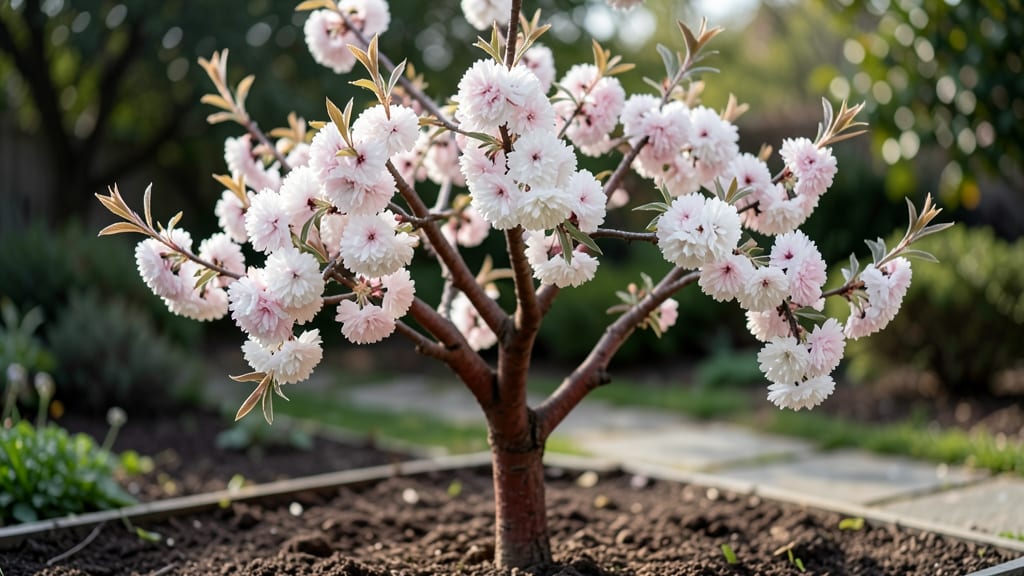
The secret to your double flowering almond tree’s showstopping spring displays lies in pruning—timing, cuts, and technique all matter. 🌸 I’ve watched these trees transform from bare branches to cascades of blossoms after just one season of intentional pruning, and the difference is night-and-day compared to neglected trees.
The key isn’t just cutting back; it’s shaping the tree to encourage those repeat blooms that make double-flowering varieties so prized.
Start with the basics: a sharp pair of pruners, a sunny spot with well-draining soil, and patience. Double flowering almonds thrive in zones 5-9 but need winter chill to set buds.
Prune in late winter or early spring before buds swell, removing one-third of last year’s growth to open the canopy for sunlight and air flow—critical for those heavy blossoms. The goal is to keep the tree’s energy focused on flowers, not just leaves.
What you’ll end up with is a tree that looks like a cloud of pink or white in spring, then again in summer if you’re lucky. The blooms are so dense they often re-bloom when pruned correctly, and the ornamental value makes them a standout in any landscape.
Plus, the nuts (if pollinated) add a bonus harvest. The trade-off? More pruning work than a single-bloom almond, but the payoff is worth it.
Works for urban yards, rural orchards, or even large containers—just adjust pruning intensity based on space. Here’s how to get started without sacrificing next year’s blossoms.
📚 In This Guide
- What you need
- Instructions
- Tips and common mistakes
- Wrapping up and next steps
What you need
- ● Pruning shears: Bypass pruners (sharp, 7–9 inches) for clean cuts on small branches.
- ● Loppers: 1 pair (8–12 inches) for thicker branches (½–1 inch in diameter).
- ● Pruning saw: 1 lightweight saw for stubborn, woody branches (1–2 inches thick).
- ● Disinfectant: 70% isopropyl alcohol or a 10% bleach solution (1 part bleach to 9 parts water) to sterilize tools between cuts.
- ○ Pruning sealant: Optional but helpful for large cuts (½ inch or wider) to prevent disease (e.g., tree wound paint).
- ● Gloves: 1 pair of heavy-duty gardening gloves (nitrile-coated for grip and protection).
- ● Tarp or drop cloth: 1 large sheet (4’x6’ or bigger) to collect debris.
- ● Measuring tape: 6–10 feet for assessing branch lengths and spacing.
- ● Ladder or step stool: Sturdy and tall enough to reach the tree’s canopy safely (check weight limit!).
- ● Notebook & pen: To sketch the tree’s structure before pruning (helps visualize cuts!).
- ○ Extension pole pruners: Optional for high branches (10–15 feet reach).
- ● Timing: Prune in late winter or early spring (before buds swell) for best results.
- ● Weather: Choose a dry, overcast day to minimize stress on the tree.
- ● Tree health: Ensure the tree is dormant (no active growth) and free of pests/disease.
- ● Safety first: Wear closed-toe shoes and avoid pruning near power lines!
Step-by-step pruning guide for double flowering almond trees
Here's how to keep your tree blooming spectacularly year after year.
✂️ Step 1: Prune at the Right Time for Maximum Blooms
Timing matters more than technique with almond trees. Prune in late winter to early spring, just before buds swell but before new growth begins. This ensures you remove last year's spent blooms while stimulating fresh flower buds for the next cycle. Avoid pruning in fall—it stresses the tree and reduces winter hardiness.
I always check the buds first: if they're still tight and dormant, it's too early. Wait until you see slight swelling—that's your cue. Cold snaps can delay bud break, so stay patient. The goal is to shape the tree before it puts energy into leaves, not flowers.
✂️ Step 2: Remove Dead, Weak, and Crossing Branches First
Start by eliminating any dead or diseased branches—they sap energy from healthy growth. Look for branches with no leaves, brown bark, or hollow centers. Cut these back to the main trunk or a healthy lateral branch. Next, remove weak, thin branches that never produce strong blooms, focusing on those growing inward or rubbing against others.
I use sharp pruning shears to make clean cuts at a 45-degree angle, just outside the branch collar. Never leave stubs—this invites rot. For thicker branches, I switch to loppers and seal larger cuts with pruning sealant to prevent disease entry. You'll notice the tree's structure opens up immediately, allowing better airflow and sunlight penetration.
☀️ Step 3: Thin Out the Canopy for Light Penetration
Double flowering almonds need sunlight to reach all branches for optimal blooming. Thin the canopy by removing 20-30% of the smallest, least productive branches, starting from the inside and working outward. Focus on branches growing straight up or horizontally—they compete with others for energy. Aim to create an open, vase-like shape with a strong central leader.
Here's the trick: step back and visualize sunlight streaming through. You want every branch to receive at least 4-6 hours of direct light daily. If you see dense clusters where light can't penetrate, those are your targets. Prune just above an outward-facing bud to encourage new growth in the right direction.
✂️ Step 4: Shape for Future Blooms and Structural Integrity
Now it's time to refine the tree's shape. For a balanced look, I prune back the longest branches by one-third to encourage bushier growth. Cut just above a lateral bud that faces outward. Avoid cutting back to a stub—always leave a bud to grow from. For branches growing toward the center, cut them back to a stronger lateral branch to open up the tree.
Pay special attention to water sprouts—those fast-growing, vertical shoots that steal energy. Remove them completely at the base. You'll see the tree's natural form emerge as you work, with a strong framework of branches that can support heavy blooms. This step prevents future overcrowding and makes next year's pruning easier.
💧 Step 5: Post-Pruning Care for Healthy Recovery
After pruning, give your tree a deep watering to help it recover. The roots need moisture to support new growth, especially if you've made significant cuts. Apply a 2-3 inch layer of mulch around the base (but not touching the trunk) to retain moisture and regulate soil temperature. This is also a great time to fertilize lightly with a balanced, slow-release fertilizer to replenish nutrients.
Monitor the tree closely for the next 2-3 weeks. New growth should appear within 3-4 weeks, signaling successful pruning. If you see any signs of stress—yellowing leaves, wilting, or oozing sap—reduce watering slightly and avoid fertilizing until the tree shows signs of recovery. The key is balance: prune aggressively enough to shape the tree, but not so much that it struggles to rebound.
Tips & tricks for pruning double flowering almond trees
Here's what nobody tells you about transforming your almond tree's blooming potential with precision cuts.
Timing is Everything: The late winter to early spring window is non-negotiable for double flowering almonds. I've seen trees that bloomed spectacularly after proper timing versus those that struggled when pruned too early or late. Check your local frost dates—prune at least 2 weeks before the last expected frost to protect new growth. If you're in a warmer climate, aim for when daytime temperatures consistently reach the 50s°F. This timing ensures you're removing old blooms while stimulating fresh ones without risking frost damage to new buds.
Tool Prep Makes All the Difference: Before you start, sharpen your pruning shears and loppers to make clean cuts. Dull tools crush branches, creating wounds that invite disease. I always clean my tools with rubbing alcohol between cuts on diseased branches to prevent cross-contamination. For branches thicker than 2 inches, use a pruning saw—never try to cut with shears. The right tools make the job 50% easier and result in healthier cuts that heal faster. Don't make my mistake of skipping this step—it's the difference between a tree that thrives and one that struggles.
Visualize the Light Path: When thinning the canopy in Step 3, step back every 5-10 minutes to visualize sunlight streaming through. You're not just removing branches—you're sculpting the tree's future. Look for branches that cast shadows on others; these are your targets. I like to imagine the tree as a sculpture in sunlight—every cut should reveal more of the tree's natural beauty while maximizing light exposure. This step is where most people fall short—they remove branches randomly instead of strategically. The goal is 4-6 hours of direct light on every major branch, which translates to more blooms next season.
Recovery Care is Critical: After pruning, the 2-3 week recovery period is just as important as the cuts themselves. I've seen trees that looked perfect after pruning but failed to bloom because they weren't given proper post-care. Water deeply immediately after pruning, then monitor the soil moisture closely. The mulch layer should stay consistently moist but not soggy—think of it like a sponge keeping the roots hydrated. If you notice new growth appearing within 3-4 weeks, you've done it right. This care period is where many gardeners cut corners, but it's the foundation for next year's spectacular blooms.
Pro Tips for Double Flowering Almond Tree
- Here's what nobody tells you about transforming your almond tree's blooming potential with precision cuts.
- Timing is Everything: The late winter to early spring window is non-negotiable for double flowering almonds.
- Tool Prep Makes All the Difference: Before you start, sharpen your pruning shears and loppers to make clean cuts.
Frequently asked questions
Got questions about maximizing those stunning double flowering almond trees? You’re in the right place! Here are answers to the most common concerns—from timing tricks to troubleshooting tips—so you can keep your tree blooming like a showstopper year after year.
When is the best time to prune a double flowering almond tree for double blooms?
The golden window is late winter to early spring (just as buds swell but before new growth). Prune too early, and you risk frost damage; too late, and you’ll cut off potential blooms. For double blooms, focus on shaping in dormant season and light maintenance after flowering to encourage a second flush. Pro tip: Avoid heavy pruning in summer—it stresses the tree!
Can I force a double flowering almond tree to rebloom if it only produces once?
Yes! Start by ensuring your tree gets 6+ hours of sunlight and well-draining soil. After the first bloom, lightly prune to remove spent flowers and encourage new growth. Apply a balanced fertilizer (like 10-10-10) in early spring and mid-summer. Consistency is key—some trees need 2–3 years to reliably double-bloom with proper care.
Why did my double flowering almond tree’s second bloom fail to appear?
Common culprits include over-pruning (too many cuts = less energy for blooms), nutrient deficiencies (yellow leaves? Time for fertilizer!), or stress from drought/heat. Check for pests (aphids, spider mites) and ensure the tree isn’t overcrowded. If the issue persists, adjust your pruning to open the canopy for better airflow and light penetration.
Are there alternatives to double flowering almond trees for repeat blooms?
Try these low-maintenance, repeat-blooming trees:
- Japanese Flowering Cherry (Prunus serrulata): Reliable spring blooms, some varieties rebloom lightly.
- Bradford Pear (Pyrus calleryana): Hardy and prolific, though less fragrant.
- Crabapple (Malus spp.): Many cultivars offer spring + occasional summer blooms.
- Ornamental Peach (Prunus persica): Some varieties produce two flushes of flowers.
For edible + ornamental double blooms, consider fig trees or loquat trees—they’re tropical but stunning!
How do I prune a double flowering almond tree for the first time?
Start with these beginner-friendly steps:
- Remove dead/diseased wood first—cut at a 45° angle just outside the branch collar.
- Shape the canopy by thinning out 1/3 of the oldest branches to improve airflow.
- Avoid “topping” (cutting the top flat)—this stresses the tree and reduces blooms.
- Leave some blooming spurs (short, stubby branches) intact—they’re where flowers form!
Use sterilized tools and clean cuts to prevent disease. Less is more—your goal is to encourage, not overhaul!
Wrapping up and next steps
Growing a double flowering almond tree with lush, repeat blooms is entirely within your reach—just follow the right pruning techniques!
By mastering the art of strategic cuts, you’ll encourage vibrant flowers, stronger branches, and a healthier tree year after year. Now’s the time to roll up your sleeves and give your tree the care it deserves!
Ready to see those stunning blossoms return? Grab your pruners, review your notes, and start pruning with confidence. Your tree—and your garden—will thank you! 🌸✂️