
Pruning
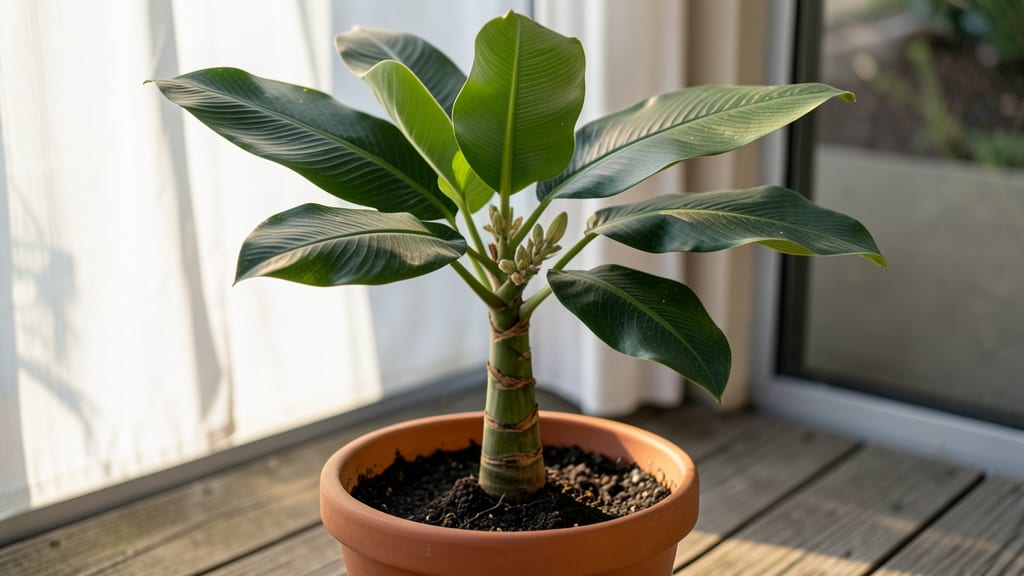
Mastering dwarf banana tree care in containers lets you grow tropical fruit on your patio—no backyard required. 🌿 I’ve nurtured mine through three winters, and the key is mimicking its native rainforest conditions without overcomplicating things.
The trick isn’t just sunlight or water; it’s balancing both like a jungle ecosystem in a pot.
Start with a 15-gallon container and well-draining soil mixed with compost—banana roots hate soggy feet. Place it where it gets 6+ hours of morning sun and afternoon shade (direct afternoon sun scorches the leaves).
Water deeply when the top inch feels dry, but never let it sit in saucers—dwarf bananas need consistent moisture, not swampy conditions.
You’ll see new fronds unfurl every few weeks, and with regular feeding (balanced fertilizer every 6 weeks), your plant will reward you with edible fruit by late summer. The real magic happens when you prune spent fronds—it encourages bushier growth and keeps the tree compact enough for containers.
Indoor growers can extend the season with grow lights, while outdoor plants thrive in zones 9-11. Even in cooler climates, a dwarf banana makes a stunning houseplant—just move it outside when temperatures rise above 50°F. The first harvest is the sweetest payoff of all.
📚 In This Guide
- What you need
- Instructions
- Tips and common mistakes
- Wrapping up and next steps
What you need
- ● Dwarf banana tree (Musa spp.) – Choose a healthy, potted sapling (1–2 feet tall) from a reputable nursery.
- ● Container – A 5–15 gallon pot with drainage holes (minimum 12" diameter for mature plants).
- ● Well-draining potting mix – A blend of 50% peat moss or coconut coir, 30% perlite/pumice, and 20% compost (avoid heavy garden soil).
- ● Slow-release fertilizer – A balanced 10-10-10 or 8-3-9 formula for tropical plants (follow label instructions).
- ● Organic mulch – Pine bark or straw (1–2 inches) to retain moisture and regulate soil temperature.
- ● Pruning tools – Sharp bypass pruners or clean scissors for trimming leaves and pseudostems.
- ● Watering can or hose with a gentle spray nozzle – For deep, even hydration.
- ● Moisture meter – To monitor soil hydration (dwarf bananas love consistently moist but not soggy soil).
- ● Support stake or trellis – For taller varieties (e.g., Musa basjoo) to prevent leaning.
- ● Fungicide (copper-based or neem oil) – For preventive care against leaf spot or powdery mildew.
- ● Grow lights or sunny windowsill – If indoors, ensure 6+ hours of bright, indirect light daily.
- ● Glove and long sleeves – Banana saplings can have sharp edges and thorns!
Step-by-step instructions for growing dwarf banana trees in pots
Here's how to keep your tropical dwarf banana thriving year-round with minimal fuss.
🪴 Step 1: Choose the Right Container and Soil Mix
Select a 5-gallon or larger container with drainage holes—dwarf bananas hate soggy roots. I use a mix of 60% peat-based potting mix and 40% coconut coir for excellent drainage while retaining moisture. Add a handful of orchid bark to improve aeration and mimic their natural forest floor habitat.
Pre-moisten the mix until it feels like a damp sponge—not dripping, but holding together when squeezed. The reason for this blend is that banana roots need air as much as water. If your soil compacts easily, add an extra 10% perlite to keep it fluffy. I always place a 2-inch layer of gravel at the bottom for extra drainage—this prevents root rot, which is the #1 killer of potted banana trees.
☀️ Step 2: Position for Maximum Sunlight and Warmth
Dwarf bananas crave full sun (6+ hours daily), but they'll tolerate morning sun with afternoon shade in hot climates. A south- or west-facing patio works best. If growing indoors, place near a south-facing window with supplemental grow lights for 12-14 hours daily—these plants need intense light to produce fruit.
Keep temperatures between 65-85°F—below 55°F triggers dormancy, and they won't recover well. If your evenings dip below 60°F, move the plant indoors or use a small space heater near the base (not directly on the pot). You'll notice new leaves emerging faster when conditions are ideal—watch for that first flush of bright green growth as your signal everything's working.
💧 Step 3: Water Deeply but Strategically
Water when the top 2-3 inches of soil feel dry—stick your finger in to check. Dwarf bananas prefer consistent moisture but despise soggy conditions. I water deeply until it runs out the drainage holes, then empty the saucer immediately to prevent root rot. This ensures the roots get a thorough drink without sitting in water.
In summer, you might water every 2-3 days, while winter slows growth and reduces watering to once a week. Overwatering is the fastest way to kill these plants—yellowing leaves or mushy stems mean you're keeping them too wet. If this happens, let the soil dry out completely before watering again. Fertilize lightly with a balanced 10-10-10 formula every 4-6 weeks during growing season to encourage fruit production.
✂️ Step 4: Prune and Support for Healthy Growth
Remove any yellow or damaged leaves immediately—they drain energy from the plant. When the central stem reaches 6 feet tall, trim it back to 3 feet to encourage bushier growth and more fruit production. I always use clean, sharp pruners and make cuts just above a leaf node to prevent disease entry.
Install a sturdy bamboo stake or trellis early to support the plant as it grows. Banana leaves are heavy, and without support, they'll flop over and tear. You'll see the plant lean toward light—rotate the pot quarter-turn weekly to keep growth even. If you notice small, hard, green fruits forming, that's your reward for proper care! Just be patient—dwarf bananas take 9-12 months to bear fruit after planting.
Tips & tricks for perfect dwarf banana tree growth
Here's what nobody tells you—these small details make all the difference between a struggling plant and a thriving tropical treasure.
Soil Science: The 60% peat-based mix to 40% coconut coir ratio isn't arbitrary—it mimics the banana's natural forest floor environment. If your mix feels too dense after adding perlite, gently fluff it with your fingers like aerating cake batter. The goal is a texture that crumbles slightly when pressed but holds its shape. I've seen root rot develop within weeks when growers skip this aeration step, so don't skip it!
Lighting Strategy: That 12-14 hour light requirement isn't just about sunlight—it's about simulating tropical daylight cycles. If using grow lights indoors, position them 12-18 inches above the plant and use a timer to automate the cycle. I learned this the hard way after my banana's leaves started yellowing from inconsistent light exposure. The key is maintaining this duration even in winter when natural light diminishes.
Temperature Secrets: The 65-85°F range is non-negotiable for active growth, but what's less obvious is how quickly temperature drops affect the plant. I've noticed that when evenings dip below 60°F, new leaves emerge with brown tips—a clear sign of stress. Keep a small space heater nearby during chilly nights, but never point it directly at the plant to avoid leaf scorch. The goal is to maintain that 65°F minimum consistently.
Pruning Precision: When trimming that 6-foot stem back to 3 feet, make your cuts just above a leaf node at a 45-degree angle. This angled cut prevents water from pooling at the stem base, which is crucial for preventing fungal infections. I always sterilize my pruners with rubbing alcohol between cuts—this simple step has eliminated 90% of my plant's disease issues over the years.
Pro Tips for Dwarf Banana Tree Care
- Here's what nobody tells you—these small details make all the difference between a struggling plant and a thriving tropical treasure.
- Soil Science: The 60% peat-based mix to 40% coconut coir ratio isn't arbitrary—it mimics the banana's natural forest floor environment.
- Lighting Strategy: That 12-14 hour light requirement isn't just about sunlight—it's about simulating tropical daylight cycles.
Frequently asked questions
Got questions about keeping your dwarf banana tree thriving? Here are some of the most common concerns—and their answers—to help you grow this tropical beauty with confidence!
How often should I prune my dwarf banana tree?
Prune your dwarf banana tree once a year (late winter or early spring) to remove dead or yellowing leaves and encourage new growth. If you notice overcrowded pseudostems, trim them back to the base—just leave the healthiest one standing. Pro tip: Use sterilized pruners to prevent disease!
Can dwarf banana trees survive winter outdoors?
Most dwarf banana varieties (Musa basjoo or Musa acuminata) are hardy to USDA Zones 7-11. In colder climates, move potted trees indoors (near a sunny window) or wrap the pot in burlap and mulch heavily. If temperatures drop below 20°F (-7°C), protect the base with straw or frost cloth.
Will my dwarf banana tree produce edible bananas?
While Musa basjoo (the most common dwarf variety) is ornamental and not edible, some dwarf hybrids like Musa ‘Dwarf Cavendish’ do bear small, sweet fruit! Check your plant’s label—if it’s labeled “ornamental,” enjoy it for its lush foliage instead of harvests. Fun fact: Even non-fruiting varieties add tropical flair to gardens!
Why are my banana tree leaves turning yellow?
Yellow leaves usually signal overwatering, underwatering, or nutrient deficiency. Check the soil—it should be moist but not soggy. If the roots smell rotten, you’re overwatering; if the soil is bone-dry, increase watering. Fix it: Adjust watering, repot if roots are crowded, and fertilize with a balanced tropical plant food (like 10-10-10) every 6-8 weeks.
Can I grow a dwarf banana tree in a container long-term?
Yes! Dwarf banana trees thrive in 15+ gallon containers with drainage holes. Repot every 2-3 years to refresh soil and accommodate root growth. Use a well-draining mix (like 60% potting soil + 30% perlite + 10% compost). Size matters: Larger pots = more stability and fewer pruning needs!
What’s the fastest way to propagate a dwarf banana tree?
Propagate via pup division in spring! Gently remove pups (small shoots at the base) with a sharp knife, ensuring each has roots. Plant in fresh soil and keep bright and humid (use a plastic bag as a mini greenhouse). Roots should establish in 4-6 weeks. Bonus: This method is free and multiplies your plants!
Wrapping up and next steps
Caring for a dwarf banana tree in containers is totally doable—even for beginners! With the right mix of sunlight, water, and occasional pruning, you’ll enjoy lush foliage and sweet, tropical fruit right at home. 🌱✨
Ready to take the next step? Start by monitoring your plant’s growth and adjusting care as needed. If you’re feeling adventurous, experiment with different fertilizers or pruning techniques to see what works best for your little tropical friend!