
Pruning
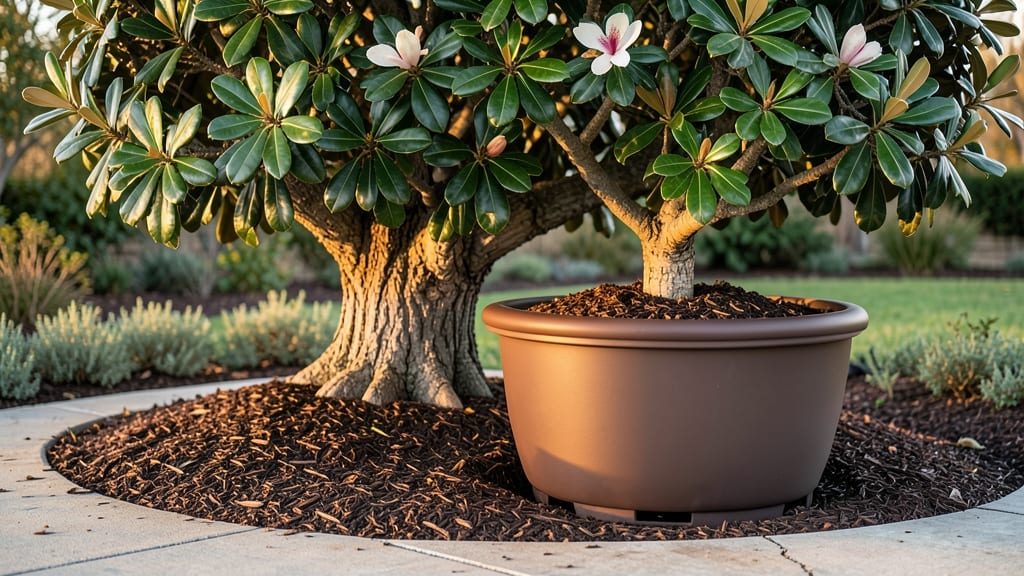
These extra large tree planters for outside aren’t just containers—they’re the secret to turning your patio or courtyard into a lush, commanding retreat with towering olive trees and graceful weeping willows. 🌿 that turns ordinary yards into showstopping scenes.
The right material makes all the difference: resin planters resist cracking in freeze-thaw cycles, fiberglass stays lightweight yet sturdy, and cedar adds rustic charm (though it needs sealing). Size matters too—root space should match your tree’s maturity, and weight capacity prevents tipping when fully planted.
My favorite finds range from 30-gallon modern pots to 50-gallon rustic half-barrels, each serving a different aesthetic while keeping maintenance simple.
You’ll create instant curb appeal with minimal effort—just place your planter where it catches the eye (near seating areas or entryways), add a layer of gravel for drainage, and let the tree’s natural shape do the work.
The payoff? A landscape feature that grows more stunning with each passing season, requiring only seasonal mulching and occasional watering to keep it thriving.
Works for any style—urban lofts, cottage gardens, or modern minimalist yards. Whether you’re dressing up a blank wall or adding height to a flat patio, these planters deliver drama without the upkeep of in-ground planting. Let’s dive into how to pick the perfect one for your space.
📚 In This Guide
- What you need
- Instructions
- Tips and common mistakes
- Wrapping up and next steps
What you need
- ● Extra-large tree planter: Choose a container with a minimum 24-inch diameter and 30+ inches deep (or larger for mature trees). Ensure it has drainage holes (at least 4–6).
- ● High-quality potting soil: 10–20 cubic feet (depending on planter size), preferably a well-draining mix (e.g., 60% topsoil, 30% compost, 10% perlite/sand).
- ● Tree (bare-root or potted): Select a species suited for container growing (e.g., Japanese maple, dwarf fruit trees, or ornamental cherry). Match the tree’s root ball size to the planter (e.g., a 12–18-inch root ball for a 24-inch planter).
- ● Slow-release fertilizer: 1–2 cups of balanced granular fertilizer (e.g., 10-10-10 or 20-20-20) or organic options like composted manure.
- ● Mulch: 2–3 inches of wood chips or bark (keep it 3–4 inches away from the trunk to prevent rot).
- ● Basic tools: Garden trowel or spade
- ● Wheelbarrow or large bucket (for soil transport)
- ● Gloves (heavy-duty for handling soil/roots)
- ● Watering can or hose with a gentle spray nozzle
- ● Tree stakes & ties: For young or top-heavy trees (e.g., 2–3 stakes and soft fabric ties).
- ● Moisture meter: To monitor soil hydration (especially in hot climates).
- ● Container liner: A waterproof liner (e.g., pond liner) if using a decorative planter without drainage.
- ● Automatic watering system: For low-maintenance care (e.g., a drip irrigation kit).
- ● Lightweight planter: If moving the container later, opt for fiberglass or resin (vs. heavy ceramic).
How to design and install extra large tree planters as landscape focal points
Here's how to transform oversized containers into dramatic, low-maintenance statement pieces that elevate any outdoor space.
🪴 Step 1: Select the Perfect Planter and Location
Choose a container with a minimum 30-gallon capacity—think half whiskey barrels, repurposed troughs, or custom-fabricated fiberglass planters. The key is depth: roots need at least 18 inches of soil to prevent circling and ensure stability. I always opt for containers with built-in drainage holes (or drill them myself) to prevent root rot, especially in heavy clay soils.
Position your planter where it will command attention—near entryways, patios, or along driveway borders. Avoid placing it where it will block walkways or create tripping hazards. Test the spot by temporarily marking the planter's footprint with chalk; this helps visualize how it will interact with sunlight patterns and foot traffic. Most large trees thrive in full sun to partial shade, but always check your specific tree's light requirements before finalizing placement.
🌱 Step 2: Prepare the Planter and Soil Mix
Line the bottom of the container with 3-4 inches of gravel or expanded shale for drainage, then add a layer of landscape fabric to prevent soil from washing into the drainage layer. This step is critical—skipping it leads to compacted soil that suffocates roots. I like to use a custom soil blend of 60% high-quality potting mix, 30% compost, and 10% perlite for large planters. This combination retains moisture while allowing excess water to drain freely.
Fill the planter one-third full with your soil mix, then tap the container gently on all sides to eliminate air pockets. The goal is a light, fluffy texture that roots can easily penetrate. For trees with taproots (like oaks or maples), create a central planting hole about twice as wide as the root ball—this encourages outward root growth instead of circling. For fibrous-rooted trees (like dogwoods or magnolias), simply mound the soil in the center and place the tree on top.
☀️ Step 3: Plant and Stake for Stability
Remove the tree from its nursery container and loosen the roots if they're circling tightly—this prevents "pot-bound" growth later. Position the tree so the top of the root ball sits 1-2 inches below the planter rim (allowing for soil settlement). Backfill with your soil mix, pressing gently to eliminate air gaps, and water thoroughly until it drains from the bottom holes.
Install 2-3 sturdy stakes (at least 1-inch diameter) at a 45-degree angle, securing them with soft tree ties (never wire). The stakes should support the tree but not restrict growth—think of them as temporary training wheels. For extra-large planters, I often use hidden bracing systems (like buried rebar) for wind-prone areas. Mulch the surface with 2-3 inches of shredded bark, keeping it 3 inches away from the trunk to prevent rot.
💧 Step 4: Establish a Watering and Maintenance Routine
Water deeply every 2-3 days for the first month, then taper to once a week (or as needed) once the tree is established. Large planters dry out slower than garden beds, but overwatering is just as deadly—always check by sticking your finger 2 inches into the soil. If it's dry, water; if it's damp, wait. I use a soaker hose buried in the soil to deliver water evenly without disturbing the surface.
Fertilize once in early spring with a slow-release, balanced fertilizer (10-10-10 ratio) mixed into the top 2 inches of soil. Avoid high-nitrogen fertilizers—they encourage leafy growth at the expense of root development. Monitor for pests like scale or spider mites, which thrive in container environments. A weekly spray of neem oil (diluted per label) keeps them at bay without harming beneficial insects.
✂️ Step 5: Prune and Refine for Long-Term Health
Prune only in late winter or early spring before new growth begins. Remove dead, diseased, or crossing branches first, then thin the canopy to improve airflow. For structural shaping, limit cuts to no more than 25% of the foliage in one season—this prevents stress. I always sterilize my pruners with rubbing alcohol between cuts to avoid spreading disease.
Every 2-3 years, refresh the soil by removing the top 4-6 inches and replacing it with fresh mix. This prevents nutrient depletion and compaction. If your tree shows signs of nutrient deficiency (yellowing leaves, stunted growth), apply a balanced granular fertilizer in early spring. Large planters act like self-contained ecosystems—with proper care, your tree will thrive for decades as a living centerpiece.
Tips & tricks for extra large tree planters
Creating statement planters takes more than just filling a container—it's about setting your tree up for long-term success. Here's what I've learned from years of transforming oversized containers into thriving landscape features.
Container Depth is Non-Negotiable: That minimum 30-gallon capacity and 18-inch depth from Step 1 aren't just suggestions—they're essential for preventing root circling, which strangles growth. I've seen trees in shallower containers struggle for years with stunted development. For extra-large planters, consider adding 2-3 inches of expanded clay pebbles at the bottom instead of gravel to improve drainage while maintaining better aeration. This simple layering prevents the dreaded "pot-bound" syndrome that plagues many container trees.
Soil Mix Science Matters: The 60-30-10 blend in Step 2 works because it balances moisture retention with aeration—critical for roots in confined spaces. Here's the thing: don't skimp on the high-quality potting mix. Cheap mixes compact quickly, suffocating roots. I add 1 cup of worm castings to every 5 gallons of mix for extra microbial activity that boosts nutrient uptake. For trees with taproots, that central planting hole twice as wide as the root ball creates perfect conditions for outward growth rather than circling.
Staking Strategy for Wind Resistance: Those 2-3 sturdy stakes at 45-degree angles from Step 3 aren't just decorative—they're critical for preventing wind throw, especially in exposed locations. For particularly windy areas, I bury 12-inch rebar stakes vertically around the perimeter before planting, then attach the tree stakes to them. This hidden bracing system lets the tree grow naturally while providing unobtrusive support. Always use soft tree ties—wire cuts into bark as the tree grows. And remember: stakes should be removed within 6-12 months to prevent girdling.
Watering Wisdom for Large Containers: The every 2-3 days schedule in Step 4 might seem excessive, but large planters actually dry out slower than garden beds. Here's my trick: I install two drainage spouts on opposite sides of the planter. After watering, I let it drain completely—any remaining water in the saucer can cause root rot. For extra insurance, I always check moisture 2 inches deep with my finger before watering again. In hot climates, I increase to daily watering for the first month, then adjust based on soil moisture tests rather than following a rigid schedule.
Pro Tips for Extra Large Tree Planters For Outside
- Creating statement planters takes more than just filling a container—it's about setting your tree up for long-term su...
- Container Depth is Non-Negotiable: That minimum 30-gallon capacity and 18-inch depth from Step 1 aren't just suggesti...
- Soil Mix Science Matters: The 60-30-10 blend in Step 2 works because it balances moisture retention with aeration—cri...
Frequently asked questions
Got questions about extra large tree planters? We’ve got answers!
Whether you’re a seasoned gardener or a newbie ready to make a bold landscaping statement, these FAQs will help you navigate the process with confidence.
What’s the best time of year to plant large tree planters outdoors?
For most regions, early spring or fall are ideal—when temperatures are mild, and soil is workable. Avoid extreme heat or frost, as these can stress young roots. If planting in summer, water deeply and mulch to retain moisture. Evergreens may need winter protection in colder climates!
How often should I water extra large tree planters?
Newly planted trees need deep watering 2-3 times per week for the first year, while established trees thrive with 1-2 times weekly (adjust for drought or rain). Use a soaker hose or drip irrigation to deliver water directly to the roots. Pro tip: Check soil moisture 2-3 inches down—if it’s dry, it’s time to water!
Can I use extra large tree planters for small trees or shrubs?
While these planters are designed for bold statement trees, they work great for shrubs or small trees too. Just ensure the container has drainage holes and isn’t so large that soil stays soggy. For smaller plants, use a grow bag or liner to limit root space and promote faster growth.
How do I prevent pests or diseases in large outdoor planters?
Start with sterilized soil and healthy plants. Avoid overwatering (pests love damp soil!), and prune regularly to improve airflow. Use organic pest controls like neem oil or companion plants (e.g., marigolds) to deter bugs. If issues arise, inspect leaves for signs early and act fast—prevention is key!
What materials do I need to move a heavy extra large tree planter?
If relocating, enlist help—these planters can weigh hundreds of pounds! Use a dolly or hand truck, wheelbarrow, or even a tarp for sliding. Water the plant first to reduce soil weight, and protect the roots with burlap if moving during warm weather. Warning: Lift with your legs, not your back!
Wrapping up and next steps
Transforming your outdoor space with extra large tree planters is a fantastic way to make a bold, natural statement while adding value and beauty to your landscape.
Whether you're a seasoned gardener or just starting out, these planters offer versatility, durability, and a touch of elegance that can elevate any yard or patio. Now that you’re equipped with the right knowledge—from material choices to maintenance tips—it’s time to get planting!
Start by sketching your vision, selecting the perfect planter, and then dive in with confidence. Your dream outdoor oasis is just a few shovels away—happy planting! 🌱✨