
Pruning
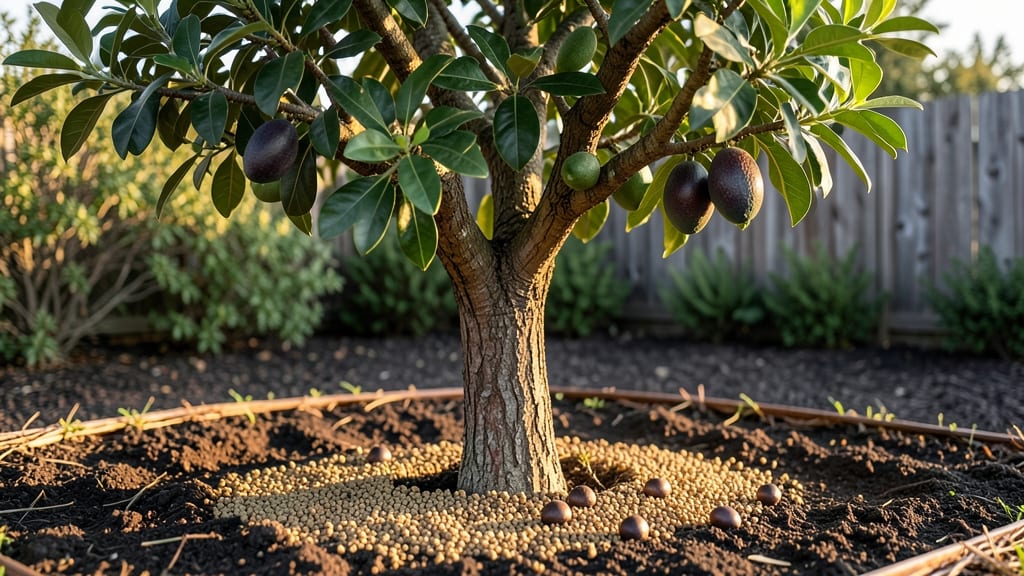
Fertilizing your avocado tree is the secret weapon behind those glossy, football-sized fruits you’ve been dreaming of. 🌱 I’ve watched my own tree go from struggling to thriving in just two seasons—all thanks to the right nutrients at the right time.
The key isn’t just dumping fertilizer; it’s understanding what your tree actually needs when it needs it.
Start with a soil test to know your baseline—most avocado trees crave nitrogen for leaves, potassium for fruit, and a touch of magnesium to prevent yellowing. Organic options like composted manure or citrus-specific blends work wonders, but inorganic fertilizers (like 6-6-6) give quicker results.
Timing matters too: feed lightly in spring when new growth begins, then again in early summer before flowering. Overdoing it? Yellow leaves or burnt roots will tell you so.
You’ll see the difference in 6-8 weeks: darker green foliage, thicker stems, and—if you’re lucky—tiny avocados forming by mid-summer. The trick is consistency: monthly light feedings keep roots happy without shocking the plant.
Pair this with deep watering (1-2 inches per week) and minimal pruning, and you’ve got a recipe for rapid, healthy growth.
Even in containers, this method works—just halve the fertilizer amounts. And if your tree’s leaves start curling or dropping? That’s your cue to adjust. Let’s get those nutrients flowing the right way!
📚 In This Guide
- What you need
- Instructions
- Tips and common mistakes
- Wrapping up and next steps
What you need
- ● Balanced fertilizer (10-10-10 or 20-20-20): 1–2 lbs per application (adjust based on tree size). Look for organic options like composted manure or fish emulsion for a gentler approach.
- ● Citrus/micro-nutrient fertilizer: 1 lb (high in zinc, iron, and manganese—avocado trees love these!).
- ○ Slow-release fertilizer (optional but recommended): Granules or spikes for steady nutrient delivery over 3–6 months.
- ● Garden gloves: A pair to protect your hands from sharp soil or fertilizer particles.
- ● Hand trowel or small shovel: For mixing fertilizer into the soil without disturbing roots.
- ● Watering can or hose with a gentle spray nozzle: To hydrate the soil post-fertilization (no drowning the roots!).
- ● Measuring cup or scale: Precision matters! Avoid over- or under-fertilizing.
- ○ pH testing kit (optional but helpful): Avocados thrive in slightly acidic soil (pH 6.0–7.0).
- ● Well-draining soil: Amend heavy clay with perlite or sand if needed.
- ● Mulch (wood chips or straw): 2–3 inches around the base (keep it away from the trunk).
- ● Water: 1–2 gallons per application to help nutrients absorb.
- ● Patience: Fertilize every 4–6 weeks during growing seasons (spring/fall).
Step-by-Step guide to fertilising your avocado tree for lush growth
Here’s how I keep my avocado tree thriving with the right nutrients—no guesswork, just science-backed results.
🌿 Step 1: Test Your Soil First
Before adding any fertiliser, grab a small soil sample from around the tree’s roots. Avocado trees love slightly acidic soil (pH 5.5-7.0). If your soil is too alkaline, the nutrients won’t absorb properly. I use a simple pH test kit—just follow the instructions to check. If the pH is off, amend the soil with composted pine bark or elemental sulfur before fertilising.
Real talk: Skipping this step is like feeding your tree junk food—it won’t grow right. Wait 2-3 weeks after adjusting pH before fertilising. You’ll know your soil is ready when it smells earthy and crumbles easily between your fingers.
💧 Step 2: Choose the Right Fertiliser
Avocado trees need balanced nutrition but are sensitive to excess salt. I use a slow-release, organic fertiliser (like fish emulsion or citrus-specific fertiliser) because it releases nutrients gradually. Avoid synthetic fertilisers with high nitrogen—they burn roots and stunt growth. Mix the fertiliser with water (following package instructions) and apply it to moist soil only.
Here’s the thing—avocado trees are heavy feeders, but they hate salt buildup. I fertilise every 6-8 weeks during active growth (spring to fall) and reduce to every 12 weeks in winter. Always water the tree deeply before and after applying fertiliser to help nutrients reach the roots.
☀️ Step 3: Apply Fertiliser Correctly
Spread the fertiliser evenly in a 6-inch-wide band around the tree’s drip line (the edge of the tree’s canopy). Avoid piling it directly against the trunk—this can cause root burn. Lightly scratch the soil surface with a rake to help the nutrients penetrate. For young trees, use half the recommended dose to avoid overfeeding.
Water the tree deeply right after applying fertiliser—this helps wash any excess salts away from the roots. You’ll see the soil darken slightly as moisture absorbs, and the tree’s leaves will perk up within 2-3 weeks if the fertiliser is working. If leaves yellow or brown, you’ve overdone it—cut back immediately.
✂️ Step 4: Monitor and Adjust
Watch for signs of nutrient deficiency or excess. Yellow leaves often mean nitrogen overload, while purple stems signal phosphorus deficiency. I adjust my fertiliser mix based on what I see—more phosphorus if growth stalls, or a flush of potassium if the tree looks stressed. Avocado trees are forgiving, but they’ll tell you when something’s wrong.
In late fall, reduce fertilising to once every 3 months—your tree enters a dormant phase and doesn’t need as much fuel. Mulch with 2-3 inches of organic mulch (like wood chips) to retain moisture and slowly release nutrients. This keeps the roots happy without extra work.
Tips & tricks for perfect avocado tree fertilisation
Took me years to figure out these small details that make all the difference with my avocado tree—don't skip them!
Soil Testing Timing: The 2-3 week wait after adjusting pH in Step 1 is non-negotiable. I learned this the hard way after adding composted pine bark and fertilising too soon—my tree showed signs of stress. Test again after those 2-3 weeks to confirm the pH is stable before applying any fertiliser. A second test gives you confidence you're working with the right conditions.
Fertiliser Application Technique: When creating that 6-inch-wide band in Step 3, use a garden rake to create shallow grooves in the soil. This helps the nutrients penetrate deeper rather than staying on the surface. For mature trees, I make two parallel grooves about 3 inches apart—this doubles the nutrient absorption area without overloading any single spot.
Seasonal Adjustment Insight: The shift from every 6-8 weeks to every 12 weeks in winter might seem drastic, but trust me—it's essential. Avocado trees naturally slow down in cooler months. I mark my calendar with reminders because I've seen trees suffer from over-fertilising during dormancy. The key is watching your tree's natural growth cycles rather than sticking rigidly to a schedule.
Pro Tips for Fertilise Avocado Tree
- Took me years to figure out these small details that make all the difference with my avocado tree—don't skip them!
- Soil Testing Timing: The 2-3 week wait after adjusting pH in Step 1 is non-negotiable.
- Fertiliser Application Technique: When creating that 6-inch-wide band in Step 3, use a garden rake to create shallow grooves in the soil.
Frequently asked questions
Got questions about fertilizing your avocado tree? You’re not alone! Here are some of the most common concerns—plus straightforward answers to keep your tree thriving.
When is the best time to fertilize an avocado tree?
Fertilize your avocado tree in early spring (just as new growth starts) and again in late summer (after harvest). Avoid fertilizing in winter—your tree’s dormant phase means it won’t absorb nutrients well. For young trees, a light feeding every 2-3 months works, but always water thoroughly before and after.
What happens if I over-fertilize my avocado tree?
Over-fertilizing can burn roots, stunt growth, or even kill your tree. Signs include yellowing leaves, leaf drop, or white crusts on soil. If this happens, flush the soil with water and reduce fertilizer strength by half for a few months. Always follow package instructions and adjust for soil type (sandy soils need more frequent, lighter feedings).
Do I need expensive fertilizer, or can I use organic alternatives?
You don’t need pricey blends! Organic options like compost, worm castings, or fish emulsion work wonders. For a DIY boost, mix 1 part banana peels (for potassium) and 1 part eggshells (for calcium) into the soil. Just ensure your chosen fertilizer has a balanced NPK ratio (e.g., 6-6-6) tailored for fruit trees.
Why aren’t my avocado leaves green anymore after fertilizing?
Yellow or pale leaves often signal nitrogen deficiency or overwatering. If the yellowing starts at the tips, it’s likely nitrogen—switch to a fertilizer higher in N (like blood meal). If the entire leaf turns yellow, check drainage (avocados hate soggy roots). Adjust your watering schedule and re-test soil moisture with a finger (top 2 inches should be dry).
Can I fertilize an avocado tree in a pot the same way?
Potted avocados need more frequent but lighter fertilizing since nutrients leach out faster. Use a water-soluble fertilizer diluted to half-strength every 4-6 weeks during growing seasons. Repot every 2-3 years with fresh, well-draining soil to replenish nutrients. Avoid slow-release granules—they can over-concentrate in small pots.
Wrapping up and next steps
Growing a thriving avocado tree starts with nutrient-rich soil and the right fertilization strategy! 🌱 By understanding your tree’s needs—whether it’s organic compost, balanced NPK ratios, or targeted micronutrients—you’ll set the stage for rapid, healthy growth.
Remember, consistency is key: monitor your tree’s response and adjust as needed to keep it flourishing.
Ready to take the next step? Start with a soil test to fine-tune your approach, then watch your avocado tree reward you with lush foliage and delicious fruit. Happy gardening! 🌿