
Pruning
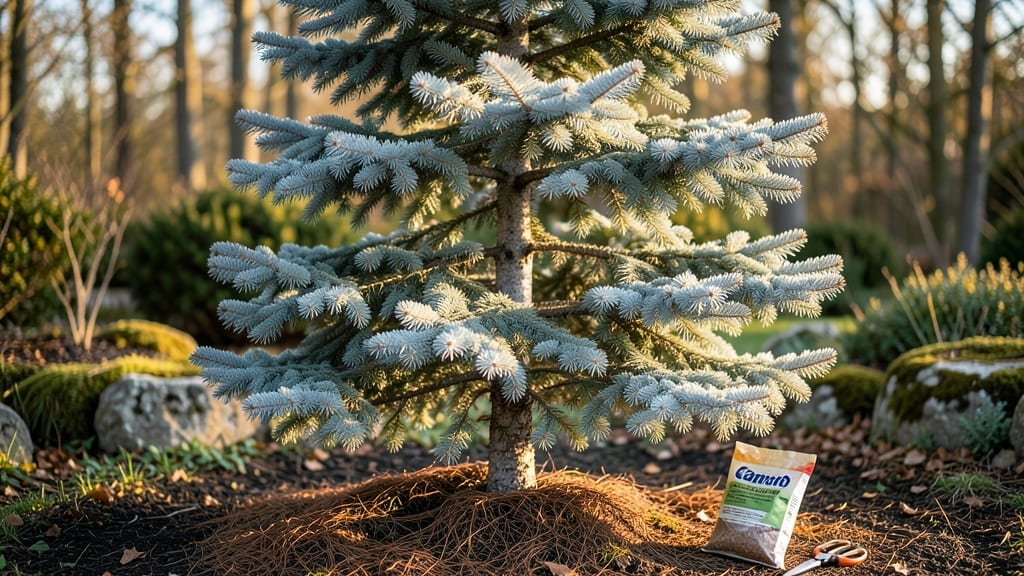
Fir pine trees—those evergreen giants with silvery-blue needles and sturdy branches—deserve a pruning routine that keeps them healthy and full. I’ve learned the hard way that skipping this step leads to sparse canopies and weak roots, but the right cuts transform them into sturdy, lush specimens that last decades.
The secret isn’t just trimming branches—it’s about encouraging strong root systems while shaping growth for maximum beauty.
Most fir pine trees need pruning once a year, ideally in late winter or early spring before new growth starts. You’ll need sharp pruning shears, a ladder (for taller trees), and a clear day to avoid stressing the plant.
The goal is to remove dead, crossing, or overcrowded branches first, then thin out the interior to let light reach the lower limbs. This isn’t about drastic cuts—think of it as giving your tree a haircut that promotes airflow and sunlight penetration.
What you’ll end up with is a fir pine that looks fuller, healthier, and more resilient to pests and disease. The roots strengthen as the canopy opens up, and new growth emerges lush and vibrant by midsummer.
Plus, you’ll avoid the common mistake of over-pruning, which can leave your tree vulnerable to stress. This method works for Fraser firs, ponderosa pines, and other conifers alike.
Whether you’re pruning a young sapling or a mature tree, the principles stay the same. The key is patience—fir pines respond best to gradual shaping over time. By following this blueprint, you’ll ensure your tree stays strong at the roots and stunning at the top for years to come.
📚 In This Guide
- What you need
- Instructions
- Tips and common mistakes
- Wrapping up and next steps
What you need
- ● Pruning shears: Sharp, bypass-style shears (for cuts under ½ inch thick). Quantity: 1 pair.
- ● Loppers: Long-handled, bypass or anvil-type (for cuts up to 1.5 inches thick). Quantity: 1 pair.
- ● Pruning saw: Curved-tooth saw (for branches thicker than 1.5 inches). Quantity: 1.
- ○ Ladder: Sturdy, extension ladder (height depends on tree size; aim for 2-3 feet taller than the canopy). Optional: Add stabilizer feet for safety.
- ● Gloves: Heavy-duty, cut-resistant gloves (protect against sap and sharp branches). Quantity: 1 pair.
- ● Disinfectant: 70% isopropyl alcohol or rubbing alcohol (to sterilize tools between cuts). Quantity: Small bottle.
- ● Heavy-duty trash bags: For collecting pruned branches. Quantity: 2-3.
- ● Pole pruner: Extendable shears (for high branches without a ladder).
- ● Tree wound dressing: Pruning sealant (controversial but useful for large cuts; quantity: small tube).
- ● Safety glasses: Protect your eyes from debris.
- ● Work boots: With ankle support for stability on uneven ground.
- ● Notepad & pen: To jot down notes on cuts or tree health observations.
How to prune fir pine trees for healthier growth and full canopy
Pruning fir pine trees isn't just about shaping—it's about redirecting energy to roots and lower branches.
Assess Growth Patterns Before Pruning
Begin by examining the tree's natural growth habits. Fir pines typically grow with a dense, conical shape, so pruning should preserve this form while removing only dead, diseased, or crossing branches. Look for branches that rub against each other—they'll eventually create wounds that invite pests. Focus on the lower third of the tree first, as this encourages fuller growth at the base where roots are strongest.
Use your fingers to gently test branch flexibility. Healthy branches bend slightly without snapping. If a branch feels brittle or crumbles, it's dead and should be removed immediately. Avoid pruning during wet weather—fresh cuts heal slower in damp conditions, increasing the risk of fungal infections.
Use Proper Tools for Clean Cuts
Sharp, sterilized pruning tools are non-negotiable. For fir pines, a pair of bypass pruners works best for branches up to ½ inch thick, while a pruning saw handles thicker branches. Always disinfect your tools with rubbing alcohol between cuts to prevent spreading disease. I like to wipe blades down after every 3-4 cuts, especially if I notice sap or resin buildup.
Make cuts just outside the branch collar—the swollen area where the branch meets the trunk. Cutting too close to the trunk can damage the tree's protective layers. For larger branches, make a 3-step cut: first undercut the bottom, then cut from the top, and finally remove the stub. This prevents tearing and ensures a clean wound that heals faster.
Remove Dead or Damaged Branches First
Start by identifying and removing any dead, diseased, or broken branches. These are easy to spot—they'll be brown, brittle, or missing needles. Cut these back to the branch collar without hesitation, as they drain energy from the tree. If you find a branch with fungal growth (like orange or white powdery spots), bag it immediately and dispose of it away from your garden to prevent spread.
Next, look for branches growing inward or crossing others. These compete for sunlight and nutrients, weakening the tree's overall structure. Use your pruners to make clean cuts at the branch collar, removing the entire branch. If a branch is too thick to cut cleanly, leave a small stub—it'll eventually fall out on its own as the tree grows.
Thin Out Overcrowded Areas for Airflow
Fir pines thrive when their canopy receives good airflow, which reduces humidity and fungal risks. Focus on thinning branches in the tree's interior where light struggles to penetrate. Aim to remove no more than 25% of the tree's foliage in a single session—this prevents shock and allows the tree to recover. Start at the outer edges and work inward, removing branches that block sunlight from reaching the lower layers.
Watch for branches that grow straight up or down—they can create "ladder branches" that disrupt the tree's natural shape. These should be pruned back to a lateral branch or bud facing the direction you want growth to continue. If you're unsure about a cut, step back and visualize how it affects the tree's balance. A well-pruned fir pine should look full and symmetrical, not sparse or lopsided.
Finish with Light Structural Shaping
Once you've addressed deadwood and thinning, you can make subtle adjustments to the tree's shape. Fir pines grow best with a tapered form, so avoid heavy pruning at the top—this can encourage weak, leggy growth. Instead, focus on gently lifting branches to create an open center. Use your hands to guide larger branches upward, securing them with soft plant ties if needed (remove ties after 6-12 months to avoid girdling).
Finish by inspecting the tree for any remaining rough edges or stubs. Smooth out any jagged cuts with a small pruning knife if necessary. Step back and admire your work—the goal is a tree that looks natural but healthier and more balanced. Water the base of the tree deeply after pruning to help it recover, especially if you've removed a significant amount of foliage.
Tips & tricks for pruning fir pine trees
Here's what nobody tells you about pruning fir pines that'll make all the difference in your tree's health and appearance.
Timing is Everything: The best time to prune fir pines is during late winter or early spring, just before new growth begins. This timing allows the tree to heal quickly and puts it in the best position to recover before summer heat stress. Avoid pruning in fall—new growth after pruning is more susceptible to winter damage. If you must prune in summer, do it early in the morning to minimize stress from heat and evaporation.
Tool Selection Matters: Never use hedge trimmers or shears designed for shrubs—they crush fir pine needles and create jagged wounds. Stick with sharp bypass pruners for branches up to ½ inch thick and a pruning saw for anything larger. I've ruined three fir pines using the wrong tools before learning this lesson. Sterilize your tools between cuts with rubbing alcohol to prevent spreading disease from any infected branches you might encounter.
Branch Collar Awareness: The branch collar—the swollen area where the branch meets the trunk—is your guide for clean cuts. Cut just outside this collar, never flush with the trunk. This ensures the tree's protective layers remain intact, allowing wounds to heal properly. For larger branches, use the three-step cutting method: undercut first, then cut from the top, and finally remove the stub. This technique prevents tearing and creates a clean wound that heals faster.
Visual Balance Check: After pruning, step back and evaluate your work from multiple angles. A properly pruned fir pine should maintain its natural conical shape with a full, symmetrical appearance. Look for an open center that allows light to penetrate to the lower branches—this encourages fuller growth at the base. If you're unsure about a cut, wait 24 hours before deciding whether to make it permanent.
Pro Tips for Fir Pine Tree
- Here's what nobody tells you about pruning fir pines that'll make all the difference in your tree's health and appearance.
- Timing is Everything: The best time to prune fir pines is during late winter or early spring, just before new growth begins.
- Tool Selection Matters: Never use hedge trimmers or shears designed for shrubs—they crush fir pine needles and create jagged wounds.
Frequently asked questions
Got questions about pruning your fir pine tree?
You’re not alone! Here are answers to the most common concerns—from timing to tools—to help you keep your tree thriving with confidence.
When is the best time to prune a fir pine tree?
Prune your fir pine tree late winter or early spring (before new growth starts) to minimize stress. Avoid heavy pruning in summer or fall, as this can slow growth or attract pests. Light shaping in late spring is fine, but keep it to <10% of the canopy at a time.
Can I prune a fir pine tree at any age?
Yes, but timing matters! Young fir pines (under 5 years) need minimal pruning—just remove dead or crossing branches. Mature trees (10+ years) can handle more shaping, but avoid over-pruning, which weakens the tree. Always prioritize health over aesthetics.
What if my fir pine tree looks “hairy” or has excessive growth?
That “hairy” look? It’s likely candles (new growth) or pest damage. Prune only if branches are dead, diseased, or blocking sunlight. Avoid “shearing” (cutting randomly)—fir pines grow best with natural shape. If pests (like spider mites) are the issue, treat first, then prune.
Do fir pine trees need pruning in cold climates?
Cold-hardy fir pines (like Picea glauca) still benefit from pruning, but timing shifts slightly. Prune in early spring (March–April) to avoid winter dieback. Use sharp, sterilized tools to prevent frost damage, and avoid pruning in extreme cold (below 20°F).
What’s the easiest way to tell if I’ve over-pruned?
Watch for these red flags:
- Yellowing needles (sign of stress or nutrient loss).
- Stunted growth (new branches shorter than usual).
- Exposed trunk (too much canopy removed).
Wrapping up and next steps
The fir pine tree thrives when given the right care—and pruning is your secret weapon! By mastering the techniques shared here, you’ll foster a healthier, fuller canopy while strengthening those vital roots. Whether you’re trimming for shape, removing dead branches, or encouraging new growth, consistency is key.
Ready to transform your fir pine into a stunning centerpiece? Grab your tools, roll up your sleeves, and start pruning today—your tree (and your garden!) will thank you. 🌲✨