
Pruning
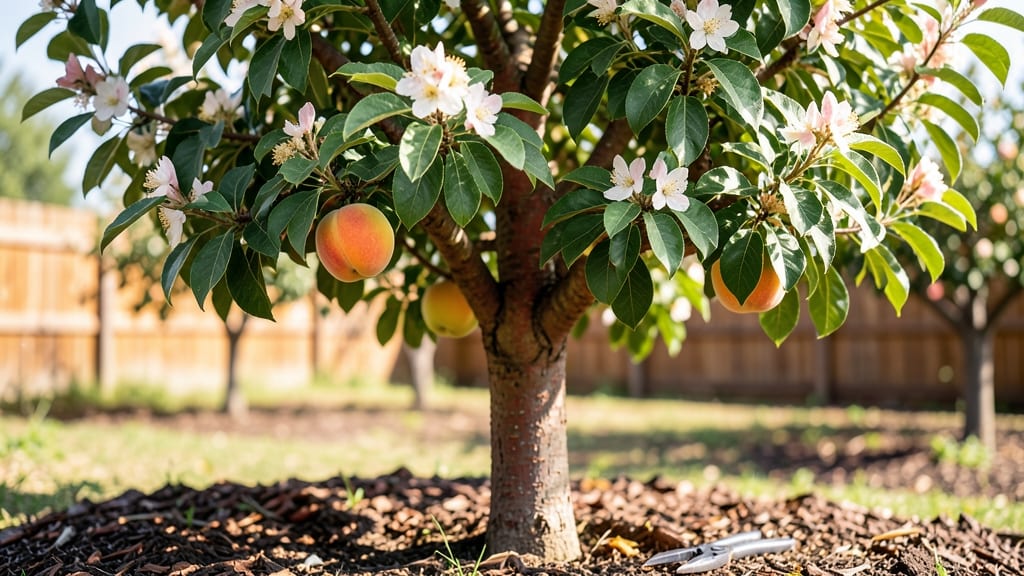
That first burst of spring growth on your Florida Grande peach tree is your signal to prune—before the fruit load crashes under its own weight. I learned the hard way when my tree sagged under 20-pound branches last April, and now I time my cuts to balance beauty with harvest.
The key isn’t just trimming dead wood; it’s sculpting the tree to handle Florida’s heat and humidity while keeping those juicy peaches within reach.
You’ll need sharp pruners, a ladder (for higher branches), and a clear morning to work—Florida’s afternoon heat makes pruning miserable. The goal is to open the canopy for airflow, remove crossing branches, and thin out last year’s growth to make room for this year’s fruit.
Think of it like giving your tree a spa day: less stress, more energy for peaches. I prune in late February or early March, right when the buds start swelling but before they burst.
What you’ll end up with is a tree that bears fruit you can actually pick without a cherry picker. The branches stay sturdy, the peaches ripen evenly, and you avoid that heartbreaking sight of fruit dropping to the ground before it’s ready.
Plus, the tree looks like a showpiece—not a tangled mess. The payoff? A harvest that feeds your family for months and makes your neighbors jealous of your neighborhood-best peaches.
This method works for Florida’s climate, but adjust timing slightly if you’re in cooler zones. The principles stay the same: prune early, prune smart, and let your tree focus on growing fruit, not just leaves. Ready to transform that overgrown peach tree into a productive powerhouse?
📚 In This Guide
- What you need
- Instructions
- Tips and common mistakes
- Wrapping up and next steps
What you need
- ● Pruning shears: Bypass pruners (sharp, 6–8" blades) for clean cuts on small branches.
- ● Loppers: 18–24" bypass or anvil type (for branches ½–2" thick).
- ● Pruning saw: Curved-tooth saw (for branches >2" thick).
- ● Disinfectant: 70% isopropyl alcohol or bleach solution (1:9 bleach:water) to sterilize tools between cuts.
- ● Gloves: Heavy-duty, cut-resistant (protects from thorns and sap).
- ● Safety gear: Safety glasses and long sleeves/pants (peach trees have sharp thorns!).
- ● Rubbing alcohol or hydrogen peroxide: 3% solution (for sealing large wounds on the tree).
- ● Tarp or drop cloth: 4x6 ft (to collect debris and protect the ground).
- ● Pruning sealant: Tree wound paint (controversial—skip if your tree is healthy!).
- ● Ladder or step stool: Sturdy, 6–8 ft (for tall branches).
- ● Notebook & pen: For marking cuts or tracking growth.
- ● Sharpie or paint: Bright color (to mark branches for future reference).
- ● Compost bin: For repurposing pruned branches into mulch.
How to prune a Florida Grande peach tree for maximum fruit production
Spring is the perfect time to shape your Florida Grande peach tree for a bountiful harvest.
Assess and Remove Dead or Damaged Wood
Start by examining the tree from top to bottom. Look for branches that are completely brown, brittle, or show signs of disease like oozing sap or fungal growths. These branches won't produce fruit and can spread problems to healthy wood. Use sharp pruning shears to cut these branches back to the main trunk or a healthy lateral branch.
I always prune on a dry day when the tree isn't actively growing. Wet conditions can spread disease through open wounds. Make clean cuts at a slight angle, about ¼ inch above a bud or lateral branch. This encourages proper healing and prevents water from pooling in the cut.
Open the Tree's Canopy for Better Airflow
The Florida Grande variety produces heavy fruit loads, so proper airflow is crucial to prevent fungal diseases like brown rot. Focus on removing branches that cross each other or grow inward toward the center of the tree. These "water sprouts" and crowded branches create shaded, humid conditions perfect for disease.
Remove about 20-25% of the tree's total volume during this step. You're not trying to drastically reduce the tree's size, just creating an open, vase-like shape. This allows sunlight to penetrate all the way to the center where most of the fruit develops. Always cut back to a lateral branch or outward-facing bud to encourage new growth in the right direction.
Thin Out Fruit Spurs for Larger Harvest
Here's where the Florida Grande's productivity comes into play. These trees naturally produce many small fruit spurs along the branches. To get larger, more marketable fruit, you need to thin these spurs. Look for clusters of 3-5 small fruit and remove all but the strongest, healthiest looking fruit in each cluster.
Use your fingers or small pruning shears to gently twist off the smaller fruit, leaving about 6-8 inches between remaining fruit. This spacing allows each fruit to develop properly without competing for nutrients. I like to do this thinning in stages - first when fruit is pea-sized, then again when they're golf-ball sized. This gives me better control over final fruit size.
Shape the Tree for Future Growth
Now's the time to establish your tree's final shape. The Florida Grande responds well to an open-center or vase shape. Select 3-5 main scaffold branches that are well-spaced around the trunk. Remove any competing branches that grow straight up or downward from these main branches.
When shaping, always make cuts just above an outward-facing bud. This encourages new growth to continue outward rather than inward. For branches larger than ½ inch in diameter, use a pruning saw for clean cuts. Remember that peach trees produce fruit on both old and new wood, so be careful not to remove too much of last year's fruiting wood.
Clean Up and Apply Protective Measures
After pruning, remove all cut branches and debris from the area. Burn or dispose of diseased wood immediately to prevent reinfection. Sterilize your pruning tools with rubbing alcohol between cuts on different branches to prevent spreading disease.
Apply a thin layer of tree wound sealant to all large cuts (over ½ inch in diameter). For smaller cuts, let them heal naturally - sealants can actually trap moisture and promote rot. Finally, spread 2-3 inches of mulch around the base of the tree, keeping it several inches away from the trunk. This helps retain moisture and prevent weed competition.
Tips & tricks for perfect Florida Grande peach tree pruning
These simple strategies will help you maximize your Florida Grande's fruit production while keeping the tree healthy and thriving.
Timing is Everything: The instructions mention pruning on a dry day when the tree isn't actively growing, but here's the thing: aim for late winter to early spring when the tree is still dormant but buds have started swelling. This timing gives your tree time to heal before the growing season kicks in. I've found that pruning too early can leave wounds vulnerable to late frosts, while pruning too late can reduce next year's fruit production.
Visual Cues for Pruning: When you're removing about 20-25% of the tree's volume in Step 2, look for branches that create a "V" shape when viewed from above. These are your water sprouts that need removal. Also, check for branches that grow at sharp angles (less than 45 degrees) from the trunk—these are more prone to breaking under heavy fruit loads. The goal is to create a balanced structure where sunlight can reach all parts of the tree.
Fruit Thinning Technique: In Step 3, when you're thinning fruit spurs, focus on removing smaller fruit first. The larger, healthier-looking fruit will have more energy to develop properly. I've found that leaving about 6-8 inches between remaining fruit is ideal, but if you're dealing with a particularly productive tree, you might need to increase this spacing to 10-12 inches. This prevents overcrowding and ensures each fruit gets enough sunlight and nutrients.
Tool Maintenance: While the instructions mention sterilizing your tools, here's what nobody tells you—keep a small bottle of rubbing alcohol with you while you're working. Dip your pruning shears between cuts on different branches to prevent spreading disease. Also, sharpen your tools regularly; dull blades can tear bark and create larger wounds that take longer to heal.
Pro Tips for Florida Grande Peach Tree
- These simple strategies will help you maximize your Florida Grande's fruit production while keeping the tree healthy and thriving.
- This timing gives your tree time to heal before the growing season kicks in.
- Visual Cues for Pruning: When you're removing about 20-25% of the tree's volume in Step 2, look for branches that create a "V" shape when viewed from above.
Frequently asked questions
When is the best time to prune a Florida Grande peach tree for maximum fruit?
The ideal window is late winter to early spring (February–March in Florida), before buds swell but after the worst cold snaps. This timing balances winter dormancy and spring growth, ensuring energy goes to fruit—not just foliage. Avoid pruning in fall, as it can stimulate late-season growth vulnerable to frost damage.
How much can I prune without hurting my tree?
For young trees (under 3 years), aim to remove 20–30% of the canopy to encourage structure. Mature trees (3+ years) can handle 15–25%—focus on thinning crowded branches and dead wood. Never prune more than 30% in one season, or you risk stressing the tree’s ability to fruit. Pro tip: Use a hand lens to spot hidden buds—some Florida Grandes produce fruit on old wood!
My tree has blackened branches after pruning. Is this normal?
Not always! Blackened areas could signal sunscald (exposed wood drying out) or bacterial canker (a common peach tree foe). To prevent sunscald, avoid heavy pruning in direct sunlight—do it on a cloudy day or shade the cuts temporarily. For canker, sterilize tools with 70% rubbing alcohol between cuts and prune below infected spots by 6 inches.
Can I prune a Florida Grande peach tree in summer for better airflow?
Summer pruning is risky but can help with airflow if done sparingly. Limit cuts to 10% of the canopy and avoid pruning during Florida’s peak heat (July–August), which stresses the tree. Focus on removing suckers (shoots from the base) and water sprouts (fast-growing vertical branches) to reduce disease risk. Timing tip: Prune in early morning to minimize stress.
Will pruning reduce next year’s peach harvest?
Not if done right! Proper pruning actually boosts fruit quality and quantity by improving airflow (reduces fungal diseases) and directing energy to fruit-bearing branches. Florida Grandes are heavy bearers, but overcrowded canopies lead to small, poor-quality peaches. Key move: Prioritize thinning branches that cross or rub—this prevents breakage and maximizes sun exposure for sweeter fruit.
Wrapping up and next steps
Growing a thriving Florida Grande peach tree is all about balance—pruning for airflow, sunlight, and that perfect fruit load. With the right tools, timing, and techniques, your tree will reward you with juicy, flavorful peaches year after year. 🌱✨
Ready to take the next step? Start by marking your calendar for late winter or early spring—your tree’s prime pruning window—and grab those shears! For heavy fruit loads, consider a follow-up summer pruning to keep branches from sagging. Happy pruning!