
Pruning
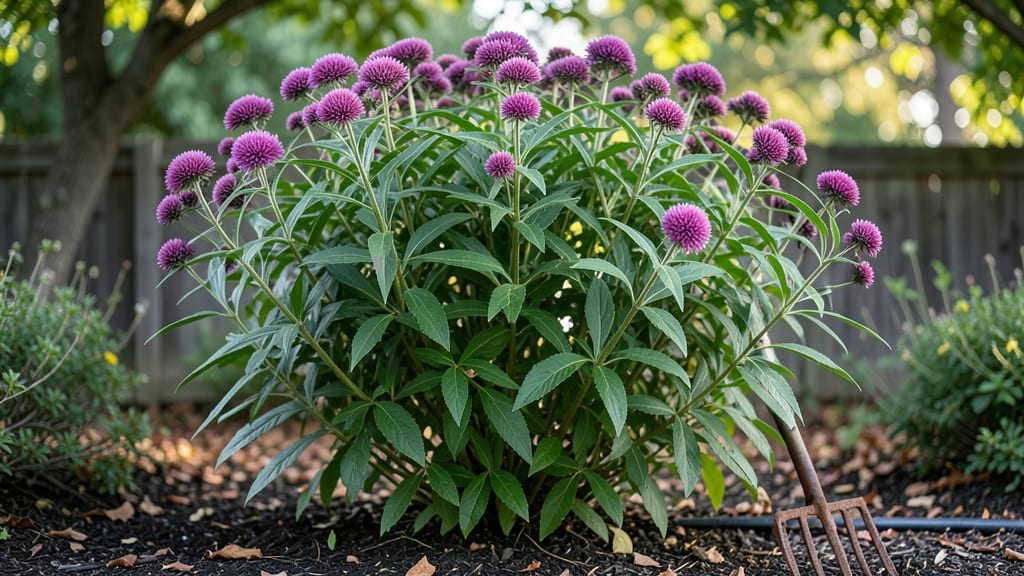
Growing a giant daisy tree transforms your garden into a sun-drenched floral wonderland. 🌻 These towering stems—like Vernonia gigantea—burst with oversized daisy blooms that turn heads at neighborhood gatherings.
My first one started as a tiny container plant and now stands taller than me, its purple-pink flowers drawing hummingbirds all summer long.
The secret to their dramatic growth lies in full sun and well-draining soil. Most gardeners overwater, but these plants thrive with deep but infrequent watering—think drought-tolerant once established. They handle heat like champs, making them perfect for hot climates or sunny patios.
Just avoid heavy clay soil, or you’ll end up with sad, leggy stems instead of bushy, blooming giants.
By mid-summer, you’ll be rewarded with football-sized blooms that last for weeks. The best part? They’re low-maintenance once planted—they rarely get pests and bounce back from pruning like champs. I’ve even grown them in large containers on my balcony, proving they’re not just for big yards.
Ready to grow one? These sun-lovers need minimal fuss but deliver maximum impact. Whether you’re filling a border or adding height to a container garden, their bold presence will make your outdoor space the talk of the block. Let’s get those stems growing tall and those blooms popping!
📚 In This Guide
- What you need
- Instructions
- Tips and common mistakes
- Wrapping up and next steps
What you need
- ● Giant Daisy Tree (Osteospermum fruticosum): 1 healthy nursery-grown plant (3–6 inches tall, or
- ● Seeds (if starting from scratch—germination can take 10–20 days)
- ● OR rooted cuttings (6-inch stems with 2–3 nodes)
- ● Well-draining potting mix (50% cactus/succulent mix + 50% perlite/pumice) – 10–15 lbs per container
- ● Container or garden bed: Container: 12–18-inch diameter pot with drainage holes (terracotta or fabric preferred)
- ● Garden bed: Full-sun spot with loose, rocky soil (amend with 1 part compost to 3 parts native soil)
- ● Slow-release fertilizer (10-10-10 or 5-5-5 blend) – 1 tbsp per plant
- ● Pruning shears (sterilized with rubbing alcohol)
- ● Garden trowel or transplanting spade
- ○ Gloves (optional but recommended—thorny stems!
- ● Watering can or hose with a gentle spray nozzle
- ○ pH test kit (optional, ideal soil pH: 6.0–7.0)
- ● Sunlight: 6+ hours of direct sun daily (partial shade tolerates smaller blooms)
- ● Climate: USDA Zones 8–11 (or grow as an annual in cooler zones)
- ● Watering routine: Let soil dry completely between waterings (overwatering = root rot!)
- ● Patience: Full blooms take 1–2 growing seasons from seed
Step-by-Step instructions for cultivating a thriving giant daisy tree
Sun-loving stems need precise care—here's how to nurture them into towering, double-blooming giants.
🌱 Step 1: Select and Prepare the Planting Site
Choose a location with full sun exposure (6-8 hours daily) and well-draining soil. Giant daisy trees thrive when planted in areas protected from strong afternoon winds, which can damage their delicate stems. I always test soil drainage by digging a 12-inch deep hole—if water pools after 30 minutes, amend with 2-3 inches of compost mixed into the top 6 inches of soil.
Loosen the surrounding soil with a garden fork to encourage root spread. The roots of these sun-lovers need room to establish quickly, so avoid compacted areas. If your soil is heavy clay, work in 1 part perlite per 3 parts soil to improve aeration. This prevents root rot, which can kill young plants before they reach their towering potential.
🪴 Step 2: Plant with Proper Spacing and Support
Dig a hole twice as wide as the root ball but no deeper. Gently remove the plant from its container and place it in the hole so the top of the root ball sits 1 inch below soil level. This prevents stem rot while allowing roots to access moisture. I always tap the sides of the hole lightly to eliminate air pockets before backfilling with native soil.
Space plants 4-6 feet apart to accommodate their mature width. For added stability, especially in windy areas, install a 3-foot tall support stake at planting. Tie the main stem loosely to the stake with soft plant ties—too tight, and you'll restrict growth as the plant matures. Water deeply after planting to settle the soil around roots, ensuring no gaps remain.
☀️ Step 3: Establish a Watering and Fertilizing Routine
Water deeply once weekly during the first growing season, allowing the top 2-3 inches of soil to dry between waterings. Overwatering causes the roots to suffocate, while underwatering stresses the plant before it establishes. I use a moisture meter to check—when it reads 40% or below, it's time to water. Mulch with 2-3 inches of organic mulch (like shredded bark) to retain moisture and regulate soil temperature.
Fertilize in early spring with a balanced 10-10-10 fertilizer applied at half strength. Giant daisy trees respond well to regular feeding, but too much nitrogen produces lush foliage at the expense of blooms. I switch to a low-phosphorus, high-potassium formula (5-10-10) in mid-summer to encourage robust flower production. Always water before and after fertilizing to prevent root burn.
✂️ Step 4: Prune for Height and Bloom Control
Prune in late winter or early spring before new growth begins. Remove any dead, diseased, or crossing branches to improve airflow and reduce pest risks. I cut back 1/3 of the oldest stems each year to encourage new, vigorous growth. This rejuvenates the plant and prevents it from becoming top-heavy, which can snap stems during storms.
After flowering, trim back spent blooms to 1 inch above the nearest leaf node. This redirects the plant's energy toward producing more stems and larger blooms next season. Avoid heavy pruning in fall—it removes the plant's energy reserves before winter dormancy. If you notice leggy growth reaching for light, prune the top 2-3 inches to promote bushier, sturdier stems.
🌿 Step 5: Monitor for Pests and Diseases
Check leaves regularly for signs of aphids or spider mites, which thrive in hot, dry conditions. I spray affected areas with a neem oil solution (1 tbsp per gallon of water) in the early morning to avoid harming beneficial insects. For fungal issues like powdery mildew, apply a baking soda spray (1 tbsp baking soda + 1 tsp dish soap per gallon of water) every 7-10 days until symptoms disappear.
Giant daisy trees are generally low-maintenance, but yellowing leaves often signal overwatering or poor drainage. If you see this, reduce watering frequency and ensure the planting area has adequate drainage. Brown leaf edges, on the other hand, usually mean underwatering—adjust your schedule to keep the soil consistently moist but not soggy. A healthy plant will have deep green foliage and sturdy stems that can support their own weight.
Tips & tricks for cultivating towering giant daisy trees
Here's what I've learned after nurturing these sun-lovers to their fullest potential—avoid these common pitfalls and watch your daisies double in size.
Site Selection Secrets: The 6-8 hours of daily sun requirement is non-negotiable, but I've found that morning sun with afternoon shade works best in hot climates. Test your location by observing how much direct sunlight reaches the spot during the hottest part of summer—this will give you the most accurate picture of your plant's future growing conditions. The 30-minute drainage test in Step 1 is crucial: I've seen too many gardeners skip this and end up with root rot before their plants even reach 2 feet tall.
Planting Precision: When placing your plant in the hole, make sure the soil level matches the container's soil line—burying too deep can cause stem rot while planting too high stresses the roots. I always use a level to check, and for extra stability in windy areas, I install two support stakes at a 45-degree angle rather than just one straight stake. This creates a triangular support system that prevents leaning during storms.
Watering Wisdom: The weekly deep watering routine in Step 3 works perfectly, but I've found that watering in the early morning (before 8 AM) reduces evaporation and prevents fungal issues. Use a soaker hose for deep watering—it delivers moisture directly to the roots without wetting the foliage, which helps prevent powdery mildew. I also check soil moisture by feeling the top 2-3 inches: if it's dry but crumbly, it's time to water.
Pruning Pro Tips: When cutting back 1/3 of the oldest stems annually, I always prune just above a leaf node where new growth will emerge. For leggy growth, I make the cut at a 45-degree angle to prevent water from pooling on the wound. After pruning, I apply a thin layer of compost to the cut area—this helps the plant heal faster and reduces the risk of disease entry points.
Pro Tips for Giant Daisy Tree
- Here's what I've learned after nurturing these sun-lovers to their fullest potential—avoid these common pitfalls and ...
- Site Selection Secrets: The 6-8 hours of daily sun requirement is non-negotiable, but I've found that morning sun wit...
- Planting Precision: When placing your plant in the hole, make sure the soil level matches the container's soil line—b...
Frequently asked questions
Got questions about nurturing your giant daisy tree? You’re not alone! Here are answers to the most common curiosities—from care tips to troubleshooting—so you can keep those sun-loving stems thriving and blooming bigger than ever.
How fast does a giant daisy tree grow, and when can I expect blooms?
A healthy Osteospermum (giant daisy tree) grows 6–12 inches per year, reaching its full height (3–5 feet) in 2–3 years with proper care. Blooms typically appear 6–8 weeks after planting if given full sun (6+ hours daily) and well-draining soil. Prune spent flowers to encourage nonstop blooms!
Is the giant daisy tree frost-hardy? What’s the best way to protect it in winter?
Most varieties are tender perennials (zones 9–11) and die back in frost. To overwinter it:
- Cut back stems to 2–3 inches after the first frost.
- Mulch the base with 3–4 inches of straw or leaves for insulation.
- Move potted plants to a cool, bright indoor spot (50–60°F).
Why aren’t my giant daisy tree flowers as big as the ones in photos?
Oversized blooms need three key things:
- Full sun: Move to a sunnier spot if blooms are small or sparse.
- Deadheading: Snip off faded flowers to redirect energy to new blooms.
- Balanced fertilizer: Use a 10-10-10 or 20-20-20 formula every 4–6 weeks during growing season.
Are giant daisy trees prone to pests? How do I keep them healthy?
These plants are generally pest-resistant, but watch for:
- Aphids: Blast off with water or use neem oil.
- Spider mites: Increase humidity (mist leaves) or spray with soapy water.
- Powdery mildew: Improve airflow and avoid overhead watering.
Can I grow giant daisy trees in containers? What’s the best pot size?
Containers are great for:
- Pot size: Minimum 12–18 inches wide/deep (bigger = more blooms).
- Drainage: Use pots with drainage holes + a saucer.
- Soil mix: Combine potting soil + perlite (60/40 ratio) for aeration.
Wrapping up and next steps
The giant daisy tree is a stunning addition to any garden, offering bold blooms and year-round interest with the right care—especially when it comes to pruning.
By mastering when, how, and why you trim, you’ll unlock lush, vibrant growth and double the size of those showstopping daisy-like flowers. 🌼
Ready to transform your outdoor space? Grab your pruners, roll up your sleeves, and give it a try—your garden (and future blooms) will thank you! For extra confidence, bookmark this guide or snap a photo of your pruning steps to track progress. Happy gardening!