
Pruning
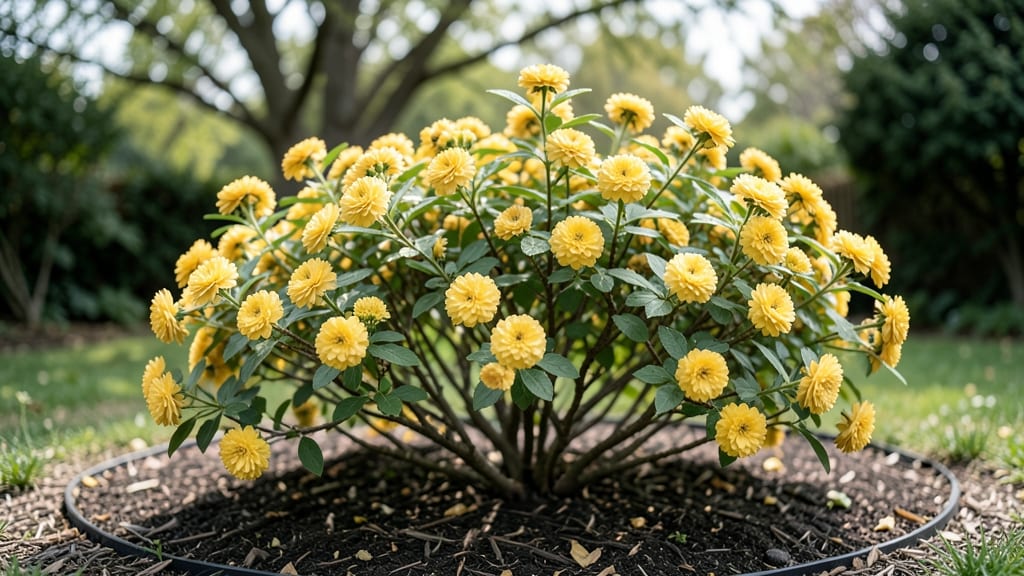
The golden heart tree transforms your yard into a sunlit jewel box, with foliage that shifts from golden spring hues to deep burgundy in fall—all while keeping its showstopping shape year-round. 🌟 I planted mine last spring after seeing how it glowed against the winter sky, and now it’s the centerpiece of my front yard.
The secret to its four-season drama isn’t just the variety—it’s how you shape it through strategic trims.
This tree thrives in full sun to partial shade and tolerates most soils, though it rewards you best with well-draining, slightly acidic dirt. Water it deeply once a week for the first year, then let nature take over—it’s surprisingly drought-resistant once established.
The real magic happens when you prune: three light cuts in spring, summer, and fall keep it compact and encourage that golden flush.
By winter, you’ll have a tree that looks like a living sculpture, its branches arching with graceful elegance. Neighbors will ask how you keep it so vibrant, and you’ll know it’s the combination of seasonal trims, proper sunlight, and a little patience.
The best part? It handles pests like deer and diseases like a champ, making it low-maintenance once you get the hang of it.
Works in borders, as a standalone specimen, or even in containers for smaller spaces. Here’s how to keep yours looking like a masterpiece through every season—no green thumb required, just a steady hand and a little timing.
📚 In This Guide
- What you need
- Instructions
- Tips and common mistakes
- Wrapping up and next steps
What you need
- ● Pruning shears: Bypass pruners (for clean cuts on small branches) – 1 pair (look for ergonomic, sharp blades like blank">Felco F-2 or blank">Gonicc G02).
- ● Loppers: Bypass or anvil type (for thicker branches, ½"–1" diameter) – 1 pair (e.g., blank">Fiskars X27).
- ● Pruning saw: Curved-tooth saw (for branches >1" thick) – 1 (e.g., blank">Fiskars X7).
- ● Gloves: Garden gloves (cut-resistant, like blank">Wolverine WaffleGrip) – 1 pair.
- ● Disinfectant: 70% isopropyl alcohol or rubbing alcohol (to sterilize tools between cuts) – small bottle.
- ○ Pruning sealant: Optional but recommended (e.g., blank">Tanglefoot Tree Wound Pruning Seal) – small tube.
- ● Extension pole: Adjustable (for high branches, 6–10 ft) – 1 (e.g., blank">Fiskars StaySharp).
- ● Weather: Prune on a dry, cloudy day (avoid extreme heat or frost).
- ● Timing: 🌸 Spring (right after blooms fade) – Focus on deadwood and shaping.
- ● 🌿 Summer (light maintenance) – Trim only to encourage airflow.
- ● ❄️ Late winter (dormant season) – Major structural pruning (if needed).
- ● Safety: Wear closed-toe shoes and check for pests/diseases (e.g., powdery mildew) before pruning.
- ● Cleanup: Disposable bag (for debris) and trash bin (for large branches).
- ● Hand lens: 10x magnification (to inspect buds/leaf nodes).
- ● Marking spray: Pink or yellow (to highlight cuts before trimming).
- ○ Tree growth regulator: Optional (e.g., blank">Bonide Fungicide + Growth Regulator) for post-pruning care.
- ● Camera: Smartphone (to document "before" and "after" progress!).
How to maintain vibrant Golden Heart trees through all seasons
This four-season care plan keeps your Golden Heart tree thriving with minimal effort.
🌿 Step 1: Plant in the Right Spot for Year-Round Health
Golden Heart trees (Coleonema pulchellum) love morning sun and afternoon shade—think east-facing windows or lightly shaded patios. I always check for 6+ hours of indirect light daily before planting. Too much harsh afternoon sun will scorch the delicate foliage, while too little light makes the leaves lose their signature golden hue.
Dig a hole twice as wide as the root ball but only as deep as the container it came in. Amend the native soil with compost mixed into the bottom of the hole—this improves drainage while retaining moisture. Gently remove the plant from its container and place it in the hole, then backfill with soil, tamping lightly to eliminate air pockets.
☀️ Step 2: Adjust Care for Spring and Summer Growth
During spring and summer, your Golden Heart tree will put on new growth, so water it when the top inch of soil feels dry. I use a moisture meter to avoid overwatering—these plants hate soggy roots. In containers, they dry out faster, so check daily in hot weather. Fertilize monthly with a balanced liquid fertilizer (10-10-10) during active growth to encourage vibrant foliage.
Here's the thing—pruning in late spring is key. Trim back any leggy growth to maintain a compact shape, and pinch off spent flowers to redirect energy into foliage production. I always use clean, sharp pruners to avoid tearing the stems, and I sterilize them with rubbing alcohol between cuts to prevent disease.
🍂 Step 3: Prepare for Fall and Winter Dormancy
As temperatures drop below 50°F at night, reduce watering to every 7-10 days—only enough to keep the soil slightly moist. The tree will naturally slow growth, and the leaves may darken slightly. Don't panic—this is normal. In colder climates, bring potted specimens indoors near a bright window where temperatures stay above 45°F.
For outdoor plants in frost-prone areas, wrap the base with burlap and cover with a frost cloth if nights dip below 32°F. I've seen these trees survive 20°F with proper protection, but they'll thank you for the extra care. Avoid fertilizing during dormancy—it stresses the plant and encourages tender new growth that won't survive winter.
✂️ Step 4: Renew Growth in Late Winter for Spring Bloom
This is the moment that matters: In late winter, when you see new growth buds forming, it's time to prune back about 1/3 of the plant's height. I make clean cuts just above a leaf node to encourage bushier growth. This also removes any dead or damaged stems from winter. After pruning, give the tree a light application of slow-release fertilizer to support new spring growth.
Increase watering gradually as temperatures rise, and move potted plants outdoors to a sheltered spot for a few hours daily to harden them off. Watch for new leaves to emerge—this confirms the plant is waking up from dormancy. You'll see the golden foliage return within 4-6 weeks, signaling successful renewal.
Tips & tricks for perfect Golden Heart tree care
These simple strategies will help your Golden Heart tree stay vibrant and healthy year after year without the guesswork.
Lighting is Everything: I can't stress this enough—those golden leaves need 6+ hours of morning sun daily to maintain their signature color. If your east-facing window doesn't get enough light, supplement with a grow light for 4-6 hours per day during winter months. Too little light causes the leaves to lose their golden hue and turn green, which is the plant's natural response to insufficient light.
Soil Preparation Secret: When planting, mix compost into the bottom of the hole before placing your Golden Heart tree. This creates a nutrient-rich zone right where the roots will establish first. I like to use a 50/50 mix of native soil and compost—this improves drainage while providing the organic matter these plants crave. Don't forget to tamp the soil lightly after planting to eliminate air pockets that could stress the roots.
Pruning Precision: Late spring pruning is your chance to shape the tree while encouraging bushier growth. When you trim back about 1/3 of the plant's height, always make clean cuts just above a leaf node. This simple technique prevents unsightly stubs and directs the plant's energy toward new growth. I sterilize my pruners between cuts with rubbing alcohol—this prevents disease transmission that can weaken your plant over time.
Winter Protection Strategy: For outdoor plants in frost-prone areas, don't wait until the first freeze to protect your Golden Heart tree. Wrap the base with burlap and cover with frost cloth when nighttime temperatures consistently drop below 32°F. I've found that adding a layer of mulch around the base provides extra insulation. Even in milder climates, bringing potted specimens indoors near a bright window (where temps stay above 45°F) prevents winter stress and ensures a strong spring recovery.
Pro Tips for Golden Heart Tree
- These simple strategies will help your Golden Heart tree stay vibrant and healthy year after year without the guesswork.
- Lighting is Everything: I can't stress this enough—those golden leaves need 6+ hours of morning sun daily to maintain their signature color.
- Soil Preparation Secret: When planting, mix compost into the bottom of the hole before placing your Golden Heart tree.
Frequently asked questions
Got questions about keeping your Golden Heart Tree vibrant year-round? You’re not alone! Here are some of the most common concerns—plus quick, practical answers to help you prune like a pro.
When is the best time to prune my Golden Heart Tree for seasonal color?
The ideal time to prune is late winter or early spring (before new growth starts) to shape the tree and encourage fresh, colorful foliage. For summer trims, focus on light maintenance (like removing dead branches) to keep the golden hues popping. Avoid heavy pruning in fall or winter—it can stress the tree and dull its color.
How much can I trim without harming the tree?
Never remove more than 25-30% of the tree’s foliage in a single session. The Golden Heart Tree is hardy but thrives on balance—stick to selective trimming to maintain its signature heart-shaped silhouette. Use sharp, sterilized shears to avoid tearing branches, and always cut just above a leaf node (the bump where new growth emerges).
Why did my tree’s golden color fade after pruning?
Fading color often happens when the tree is over-pruned or stressed. Ensure you’re not cutting into old wood (brown stems)—focus on green, healthy branches for vibrant regrowth. Also, check sunlight exposure: these trees love full sun (6+ hours/day). If indoors, move it near a bright window or supplement with grow lights.
Can I grow a Golden Heart Tree in containers? What’s the best soil mix?
These trees adapt well to containers if given proper care. Use a well-draining potting mix (like a blend of cactus/succulent soil + perlite) to prevent root rot. Repot every 2–3 years and choose a container 1–2 inches larger than the root ball. For year-round color, fertilize lightly in spring/summer with a balanced, water-soluble fertilizer (10-10-10).
What pests should I watch for, and how do I treat them?
The Golden Heart Tree is generally pest-resistant, but keep an eye out for spider mites (tiny webs on leaves) or scale insects (brown bumps on stems). Treat mild infestations with a neem oil spray or insecticidal soap. For severe cases, prune affected branches and isolate the tree until pests are gone. Always inspect new plants before bringing them indoors!
Still stumped? Drop your question in the comments—we’re happy to help your Golden Heart Tree stay stunning in every season!
Wrapping up and next steps
The Golden Heart Tree is a stunning addition to any garden, offering vibrant color and low-maintenance beauty year-round. With the right seasonal trims—spring cleanup, summer shaping, fall pruning, and winter maintenance—you can keep it thriving and looking its best. 🌿✨
Ready to transform your outdoor space? Grab your tools, follow the steps, and enjoy the rewards of a healthy, radiant Golden Heart Tree that brings joy in every season. Start with one trim today—your garden will thank you!