
Trees
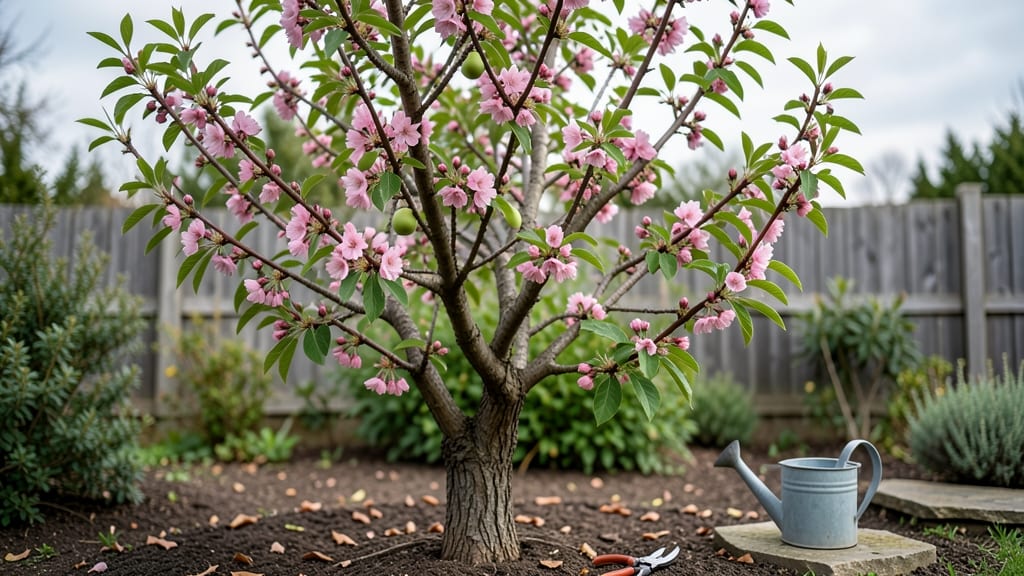
Growing peach trees from seed to harvest is one of those gardening triumphs that makes late summer worth the wait. 🌞 The secret isn’t just sunlight—it’s choosing the right variety for your zone, planting in the perfect spot, and mastering the balance between pruning and patience.
My first tree took three years to bear fruit, but that first juicy peach made every early-morning watering feel like a victory.
You’ll need a sunny location with well-draining soil, a sturdy young tree (or a grafted whip), and a long-term commitment—peaches reward patience with 3-5 years of care before full production. The biggest challenge?
Frost sensitivity—late frosts can damage blossoms, but selecting cold-hardy varieties and timing planting right can make all the difference. With the right approach, you’ll end up with trees that produce pounds of fruit every season.
Imagine biting into a peach so sweet it makes your neighbors ask where you got it—then tell them you grew it yourself. The key lies in consistent watering (deep and infrequent), strategic pruning to open the canopy, and annual fertilization to fuel growth.
Even if you’ve never grown fruit trees before, peaches are one of the more forgiving options when you follow the basics.
Whether you’re planting a single tree in your backyard or dreaming of an orchard, the principles stay the same. Let’s break down each step so you can go from bare-root sapling to harvest-ready tree with confidence—and maybe even a few extra peaches to share.
📚 In This Guide
- What you need
- Instructions
- Tips and common mistakes
- Wrapping up and next steps
What you need
- ● Peach tree sapling or bare-root plant: Choose disease-resistant varieties (e.g., Elberta, Redhaven, or Jubilee). Buy from a reputable nursery.
- ● Well-draining soil: Aim for a pH of 6.0–7.0. Amend clay soil with compost or sand (1–2 inches mixed into the top 12 inches of soil).
- ● Sunlight: 6–8+ hours of full sun daily—peaches are sun-worshippers!
- ● Watering supplies: Drip irrigation system or soaker hose (for consistent moisture).
- ● Watering can (for young seedlings).
- ● Fertilizer: Start with a balanced 10-10-10 fertilizer (spring/fall) and switch to citrus/peach-specific fertilizer (high in nitrogen) as the tree matures.
- ● Mulch: 2–4 inches of organic mulch (straw, wood chips, or pine bark) to retain moisture and suppress weeds.
- ● Pruning tools: Bypass pruners (for small branches).
- ● Loppers (for thicker branches, ¾–1½ inch diameter).
- ● Pruning saw (for large branches, 2+ inches).
- ○ Tree supports (optional but helpful): Stakes and tree ties (for young trees in windy areas).
- ● Cage or spiral support (for dwarf varieties).
- ● Pest control: Neem oil, horticultural oil, or floating row covers (to protect from birds/insects).
- ● Soil test kit: Check nutrient levels annually (costs ~$20–$50).
- ● Tree guard or wrap: Protects trunk from sun scald and pests (e.g., gopher barriers).
- ● Pollination helpers: Plant bee-friendly flowers nearby (peaches are self-pollinating but benefit from cross-pollination!).
- ● Disease prevention: Copper fungicide or baking soda spray (for fungal issues like brown rot).
How to grow peach trees in your backyard
Peaches thrive with the right balance of sun, soil, and patience—here’s how to cultivate them like a pro.
🌱 Step 1: Choose the Right Location and Soil
Peach trees demand full sun—at least 6-8 hours daily—and well-draining soil. Avoid low spots where water pools, as soggy roots invite rot. I dig a hole twice as wide as the root ball but only as deep as the container it came in. The top of the root flare (where roots meet trunk) should sit 1-2 inches above ground level—burying it too deep suffocates the tree.
Amend heavy clay soil with 2-3 inches of compost mixed into the top 12 inches of earth. Peaches prefer a slightly acidic to neutral pH (6.0-7.0). Test your soil first—if it’s too alkaline, work in sulfur or peat moss to adjust. A 1-inch layer of mulch (like wood chips) around the base helps retain moisture while keeping roots cool.
☀️ Step 2: Plant at the Right Time and Water Deeply
Timing matters: Plant bare-root trees in late winter to early spring (before buds swell) or container-grown trees in early spring. Avoid fall planting—new roots won’t establish before winter’s chill. Dig the hole while the tree waits in its container, then loosen circling roots gently with your fingers before setting it in.
Water deeply immediately after planting—10-15 gallons for a young tree—to settle soil around roots. The top 6 inches of soil should be damp 12 inches out from the trunk. Over the next 2 weeks, water every 3-4 days until new growth appears. Too much water now drowns roots; too little stresses the tree. Check soil moisture by sticking your finger 2 inches down—if it’s dry, water again.
✂️ Step 3: Prune for Structure and Airflow
Prune in late winter (before buds break) to shape the tree and encourage strong branching. Remove dead, crossing, or inward-growing branches first—these compete for energy and invite disease. Keep the central leader (main upward stem) dominant, cutting back side branches to half their length if they’re too vigorous.
Open the canopy by thinning 25% of the smallest branches to improve airflow and sunlight penetration. Peaches need light on all fruit-bearing branches, so avoid heavy pruning later in the season—it stresses the tree before harvest. Use clean, sharp pruners and seal larger cuts (over ½ inch) with pruning sealant to prevent disease entry.
💧 Step 4: Fertilize and Monitor for Pests
Peach trees are heavy feeders. In early spring, apply a balanced fertilizer (10-10-10) 6-8 inches from the trunk and water it in. Repeat in late spring after flowering. Avoid high-nitrogen fertilizers later in the season—they promote leafy growth at the expense of fruit. Instead, switch to a low-nitrogen, high-phosphorus formula (5-10-10) in summer to support fruit development.
Watch for peach tree borers (tiny holes in bark) and aphids (sticky residue on leaves). Spray with neem oil or horticultural oil in early spring as a preventative. Remove any mummified fruit left on the tree after harvest—these harbor fungal spores that cause brown rot, a common peach disease. Clean up fallen leaves and debris too; they’re breeding grounds for pests.
🍑 Step 5: Harvest and Plan for Next Year
Peaches ripen 60-90 days after flowering, depending on the variety. Check for soft skin, a slight give when gently squeezed, and a sweet aroma near the stem. Harvest on a dry morning to avoid bruising—twist gently or use pruners to cut stems cleanly. Don’t wait for them to fall; overripe peaches spoil quickly and attract pests.
After harvest, prune again to remove any suckers (shoots at the base) and watersprouts (vertical shoots from branches). Apply a 2-inch layer of compost around the drip line (the tree’s outer canopy edge) to replenish nutrients. In late fall, spray the tree with dormant oil to smother overwintering pests. This sets the stage for a bountiful crop next season.
Tips & tricks for perfect peach tree cultivation
Confession: I planted my first peach tree without testing the soil first. The result? A struggling tree that barely fruited. Here’s what I learned—and how you can avoid my mistakes.
Location and Soil Secrets: That 6-8 hours of daily sun isn’t just a suggestion—it’s non-negotiable for peaches. I’ve seen trees in partial shade produce tiny, bland fruits. For the soil, don’t just guess at pH—buy a test kit for $10. If your soil tests above 7.0, mix in 1 pound of sulfur per 100 square feet before planting. The root flare sitting 1-2 inches above ground isn’t just about looks; it prevents girdling as the tree matures. I mark this spot with a small stake to remember where it should be.
Planting Timing: Late winter to early spring isn’t just a window—it’s when trees emerge from dormancy but haven’t yet started active growth. I’ve planted in fall and watched roots freeze before establishing. For container trees, remove them from pots only when you’re ready to plant—the roots dry out fast once exposed. And that 10-15 gallons of water? Use a hose with a flow restrictor to avoid eroding soil while you’re settling the roots.
Pruning Precision: When you’re thinning 25% of those smallest branches in Step 3, don’t just grab any—remove the ones growing straight up or inward. These compete with fruit-bearing branches. I use a permanent marker to circle branches to remove before I start cutting, so I don’t get distracted. For cuts over ½ inch, that pruning sealant isn’t optional—it’s what keeps your tree from inviting fungal infections through fresh wounds.
Fertilizer Strategy: That switch from 10-10-10 to 5-10-10 in summer isn’t arbitrary. The higher phosphorus in the second formula helps develop fruit, while too much nitrogen later makes the tree grow leaves instead of peaches. I apply mine in two equal doses: once when flowers fall and again when fruits are golf-ball sized. And always water it in—fertilizer on dry soil burns roots.
Pro Tips for Growing Peach Trees
- Confession: I planted my first peach tree without testing the soil first.
- Location and Soil Secrets: That 6-8 hours of daily sun isn’t just a suggestion—it’s non-negotiable for peaches.
- Planting Timing: Late winter to early spring isn’t just a window—it’s when trees emerge from dormancy but haven’t yet started active growth.
Frequently asked questions
Got questions about growing peach trees? You’re not alone—these sun-loving beauties can be tricky for beginners! Here are answers to the most common queries to help you grow sweet, juicy peaches with confidence.
When is the best time to plant a peach tree?
The ideal time to plant a peach tree is in late winter or early spring (before buds swell) or in fall (4-6 weeks before the first frost). This gives roots time to establish before extreme heat or cold. Avoid planting in summer—heat stress can stunt young trees.
How long does it take for a peach tree to bear fruit?
Most peach trees take 2–4 years to produce fruit, depending on the variety and growing conditions. Dwarf trees may fruit sooner (1–2 years), while standard trees can take longer. Patience pays off—healthy trees reward you with bountiful harvests after the initial wait!
Can peach trees survive cold winters?
Peach trees thrive in USDA Zones 5–9 but need winter protection in colder climates. Young trees benefit from burlap wraps or mulch to shield roots from freezing. Prune in late winter to remove dead wood and reduce frost damage. Varieties like ‘Reliance’ or ‘Redhaven’ are cold-hardy picks.
What pests or diseases should I watch for?
Common threats include peach leaf curl (fungus), aphids, and peach tree borers. Prevent leaf curl with copper fungicide in late fall. For borers, inspect bark for holes and treat with beneficial nematodes. Keep trees healthy with proper pruning and watering to deter pests.
Can I grow a peach tree in a container?
Yes! Dwarf varieties like ‘Bonanza’ or ‘Bonanza Red’ work well in large pots (at least 15–20 gallons). Use well-draining soil and a sunny spot. Container trees need regular watering and fertilizing (every 2–4 weeks). Just remember: container-grown trees may produce smaller fruit but are perfect for patios or small yards!
Wrapping up and next steps
Growing peach trees is a rewarding journey that combines patience, care, and a little sunshine—literally! 🌞 With the right soil, spacing, and seasonal attention, you’ll soon be harvesting juicy, sweet peaches that taste like summer in every bite.
Whether you're a beginner or a seasoned gardener, the key is consistency and confidence in your green thumb.
Ready to take the next step? Start by planting your tree this fall or early spring—then watch your backyard transform into a peach-producing paradise. Happy growing! 🍑✨