
Pruning
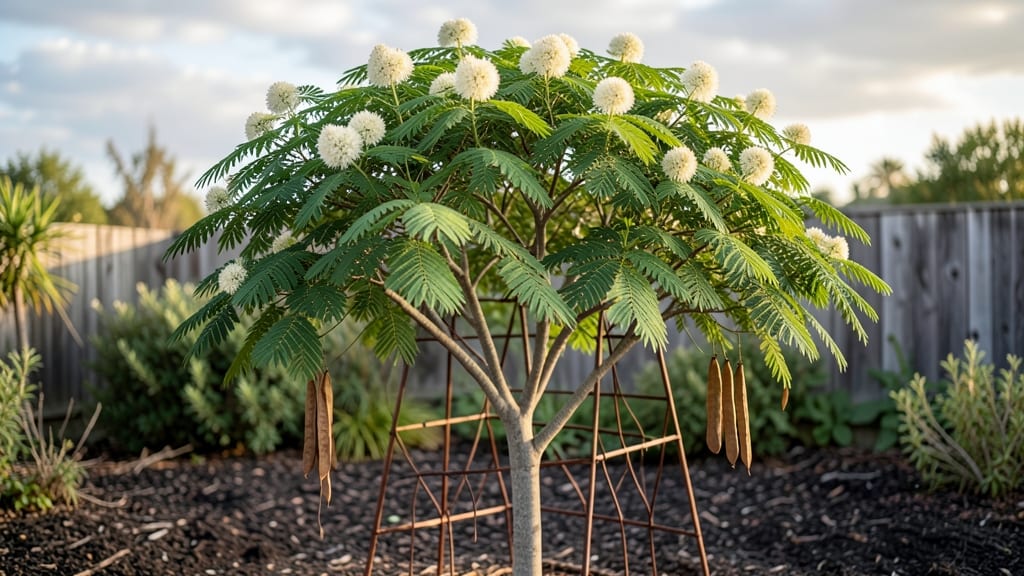
The guaje tree in English—Leucaena leucocephala—defies the odds, thriving in drought, heat, and poor soil where others surrender. 🌵 I planted mine after cacti refused to grow, and now it’s the most resilient tree in my yard, with edible pods and silky foliage to boot.
This fast-growing tree loves full sun and well-draining soil, but it’s not picky—it tolerates sandy, rocky, or even slightly salty ground. Water it deeply once a week after establishment, and watch it spread its nitrogen-rich roots to improve soil health.
Perfect for USDA Zones 9-11, it’s also a lifesaver in erosion-prone areas.
You’ll harvest edible pods (tasty when cooked) and fragrant flowers that attract pollinators, all while providing shade and windbreaks. Prune lightly to shape it, but avoid heavy cuts—this tree rewards patience with low-maintenance beauty and practical benefits.
Whether you’re restoring degraded land or adding a hardy, multi-use tree to your landscape, the guaje delivers. Let’s get yours growing—it’s tougher than it looks!
📚 In This Guide
- What you need
- Instructions
- Tips and common mistakes
- Wrapping up and next steps
What you need
- ● Pruning shears: Bypass pruners (for small branches, 4-6 inches long) – 1 pair
- ● Loppers: Long-handled (for thicker branches, 8-12 inches) – 1 pair
- ● Pruning saw: Curved-tooth saw (for branches >2 inches in diameter) – 1 unit
- ● Gloves: Heavy-duty, cut-resistant (e.g., Mechanix or leather) – 1 pair
- ● Safety glasses: ANSI-rated (to protect from debris) – 1 pair
- ● Disinfectant: 70% isopropyl alcohol or bleach solution (1:9 ratio) – small bottle
- ○ Pruning sealant (optional): Tree wound paint (for large cuts) – small jar
- ○ Ladder (optional): Sturdy, extendable (if tree exceeds 8 feet) – 1 unit
- ● Heavy-duty trash bags: For debris disposal – 2-3 bags
- ● Weather check: Prune on a dry, cloudy day (avoid extreme heat or wind).
- ● Timing: Best done in late winter or early spring (before new growth).
- ● Tree health assessment: Inspect for pests/diseases (e.g., psyllids or root rot) before pruning.
- ● Safety gear: Long sleeves/pants to protect from thorns and sap.
- ● Cleanup supplies: Rake or broom (for small debris) – 1 unit.
Step-by-step guide to growing a guaje tree in your desert landscape
This drought-resistant powerhouse thrives with minimal fuss—here’s how to establish one successfully.
🌱 Step 1: Choose the Perfect Planting Spot
Guaje trees (Leucaena trisculata) demand full sun—at least 6-8 hours daily—and tolerate poor, rocky, or alkaline soils, making them ideal for desert gardens. Avoid low spots where cold air pools, as they’re sensitive to frost. I always scout the site first: look for slight elevation and shelter from strong winds, which can stress young trees.
Dig a hole twice as wide as the root ball but no deeper—guaje roots spread horizontally, not downward. Amend the native soil only if it’s heavy clay (mix in 1 part sand to improve drainage). The tree’s deep taproot means it won’t need frequent watering once established, but poor drainage at planting will kill it fast.
☀️ Step 2: Plant at the Right Time and Prepare the Soil
Plant in early spring, after the last frost but before summer heat peaks. Guaje trees establish best when soil temperatures are warm but not scorching—aim for 60-75°F. If planting in fall, do so 4-6 weeks before first frost to allow roots to anchor before winter.
Remove the tree from its container and loosen any circling roots gently with your fingers. Place it in the hole so the top of the root ball sits level with the ground—burying too deep suffocates the trunk. Backfill with native soil, firming lightly in 3-inch layers to eliminate air pockets. Water deeply to settle everything, then let the soil dry slightly before watering again.
💧 Step 3: Water Deeply but Infrequently
For the first 30 days, water twice weekly with 5 gallons per week (adjust for pot size if container-grown). After that, taper to once every 2-3 weeks, soaking the root zone to 18 inches deep. Guaje trees are drought-tolerant once established, but young trees need consistent moisture to develop strong roots.
Here’s the trick: water in the early morning to reduce evaporation. You’ll know it’s enough when water drains 4-6 inches below the surface. Overwatering causes root rot, and guaje trees won’t forgive soggy soil. After a month, let the tree fend for itself—it’ll thrive on natural rainfall in most desert climates.
✂️ Step 4: Prune for Shape and Health
Guaje trees grow fast and leggy if left unchecked. Prune in late winter or early spring before new growth begins. Remove dead, diseased, or crossing branches first—these compete for energy. Then, shape the tree by cutting back overly long branches by 1/3 to encourage bushier growth.
Never prune more than 25% of the canopy in one season, or you’ll stress the tree. Use sterilized pruners to prevent bacterial infections, and seal larger cuts with pruning sealant if they’re over ½ inch thick. The tree’s natural shape is open and airy, so avoid heavy topping—it invites pests.
🪴 Step 5: Protect and Maintain Long-Term
Guaje trees are pest-resistant but may attract aphids or scale in dry conditions. Spray with neem oil if you spot sticky residue on leaves—this signals sap-sucking insects. Mulch with 2-3 inches of gravel or crushed rock (never organic mulch) to retain moisture and suppress weeds while allowing airflow.
Fertilize only if growth stalls after 2 years. Use a low-nitrogen, high-phosphorus fertilizer (like 10-20-10) in early spring, applying ½ cup per year of tree age. Guaje trees fix nitrogen naturally, so over-fertilizing does more harm than good. Watch for yellowing leaves—this usually means too much water or fertilizer, not a deficiency.
Tips & tricks for perfect guaje tree establishment
Between us, guaje trees are the unsung heroes of desert landscapes—here's how to give yours the best possible start.
Sunlight Strategy: While the instructions specify 6-8 hours of full sun daily, I've found that positioning your guaje tree on the west side of your property actually works better in many desert climates. The intense afternoon sun (especially in summer) can stress young trees, so this positioning gives them a gentler morning sun while still maximizing light exposure. Watch for leaf scorch—if edges turn brown, you might need to provide afternoon shade during peak heat.
Soil Preparation Insight: The instructions mention amending heavy clay soil with 1 part sand, but I've discovered that adding a handful of biochar to the planting hole can work wonders. Biochar improves soil structure, retains moisture, and provides beneficial microbes—all crucial for guaje trees that need to establish quickly. Mix it into the bottom of the hole before placing your tree, and you'll see stronger root development during those critical first 30 days.
Watering Wisdom: The 5 gallons per week for 30 days guideline is perfect, but here's what nobody tells you—use a soaker hose or drip irrigation for those first few weeks. This delivers water directly to the root zone without wetting the leaves, which helps prevent fungal issues. I've seen guaje trees develop root rot simply because overhead watering created soggy conditions at the base. The key is slow, deep watering that mimics natural rainfall patterns.
Pruning Precision: When shaping your guaje tree by cutting back overly long branches by 1/3, focus on removing branches that grow toward the center of the tree. These "competitor branches" create dense growth that blocks airflow and invites pests. I also recommend making your cuts just above a leaf node or outward-facing bud—this encourages new growth in the direction you want, rather than leaving unsightly stubs. And remember, guaje trees heal quickly, so don't stress about perfect cuts.
Pro Tips for Guaje Tree In English
- Between us, guaje trees are the unsung heroes of desert landscapes—here's how to give yours the best possible start.
- Sunlight Strategy: While the instructions specify 6-8 hours of full sun daily, I've found that positioning your guaje tree on the west side of your property actually works better in many desert climates.
- Soil Preparation Insight: The instructions mention amending heavy clay soil with 1 part sand, but I've discovered that adding a handful of biochar to the planting hole can work wonders.
Frequently asked questions
Got questions about the guaje tree? You’re not alone!
Whether you're curious about growing conditions, harvesting, or practical uses, here are some of the most common queries—plus straightforward answers to help you get the most out of this hardy desert tree.
What’s the best climate for growing a guaje tree?
The guaje tree (Leucaena leucocephala) thrives in hot, arid, or semi-arid climates with well-drained soil. It tolerates drought once established but struggles in freezing temperatures (below 20°F/-7°C). Ideal for USDA zones 9-11—perfect for desert landscapes, tropical regions, or even as a container plant in milder areas.
How long does it take for a guaje tree to bear fruit?
Patience is key! Guaje trees typically take 3–5 years to mature and produce pods. Young trees focus on root and branch growth first. For faster results, choose grafted nursery plants (1–2 years old) over seeds. Once fruiting begins, expect harvests year-round in warm climates or seasonal yields in cooler regions.
Are guaje pods edible raw, or do they need preparation?
Guaje pods are not edible raw—they contain toxins (like mimosine) that require proper cooking or fermenting to neutralize. Soak pods in water for 24+ hours, then boil or ferment before eating. The seeds and pulp are nutritious once prepared, offering protein and fiber. Pro tip: Always research local guidelines if foraging wild guaje!
How do I prune a guaje tree to encourage fruit production?
Prune in late winter or early spring to remove dead/diseased branches and shape the tree. Focus on:
- Thinning dense growth to improve airflow (reduces pests).
- Shortening overgrown branches by 1/3 to stimulate new shoots (where fruit forms).
- Avoid heavy pruning—guaje trees recover slowly.
Can I grow guaje trees in containers, or do they need ground planting?
Yes! Guaje trees adapt well to large containers (20+ gallons) if you live in cooler climates or urban areas. Use a fast-draining mix (cactus soil + perlite) and ensure the pot has drainage holes. Expect slower growth in containers, but they’ll fruit with proper care. Move pots indoors during winter if temps drop below 40°F (4°C).
Are guaje trees invasive, and should I avoid them?
Guaje trees are not highly invasive but can spread aggressively in ideal conditions (e.g., Hawaii, Florida, or California). They’re classified as noxious weeds in some regions due to their hardiness. Check local regulations before planting. If concerned, opt for container growth or sterile male cultivars (non-fruiting) to minimize risks.
Wrapping up and next steps
The guaje tree isn’t just a hardy desert survivor—it’s a versatile, low-maintenance plant that thrives with minimal effort while offering shade, wildlife support, and even edible pods. Whether you’re drawn to its resilience, ornamental beauty, or practical benefits, this tree is a fantastic addition to arid landscapes.
Ready to give it a try? Start by gathering your supplies, choosing the right location, and taking the first step toward a greener, more sustainable yard! 🌵✨
Next up: Plant your guaje tree this season and watch it flourish with confidence!